Architecture of Repetition and Variation
Repetition and variation are fundamental principles in architecture, extending beyond decoration to shape movement, perception, and cognitive engagement. By organizing…


Repetition and variation are fundamental principles in architecture, extending beyond decoration to shape movement, perception, and cognitive engagement. By organizing…

The year 2025 served as a pivotal period for our practice in reinforcing our commitment to global architectural excellence. Through…

Architecture is often designed to eliminate resistance. Circulation is smoothed, surfaces are flattened, and transitions are simplified to ensure efficiency…

Architecture is commonly perceived as static matter shaped for occupation, yet human experience of space is inherently kinetic. Movement defines…

Architecture can be understood not as isolated objects but as dynamic systems of interaction. Every surface, volume, and opening plays…

As urban living spaces continue to shrink, architects and interior designers are seeking innovative solutions to make small apartments, studios,…
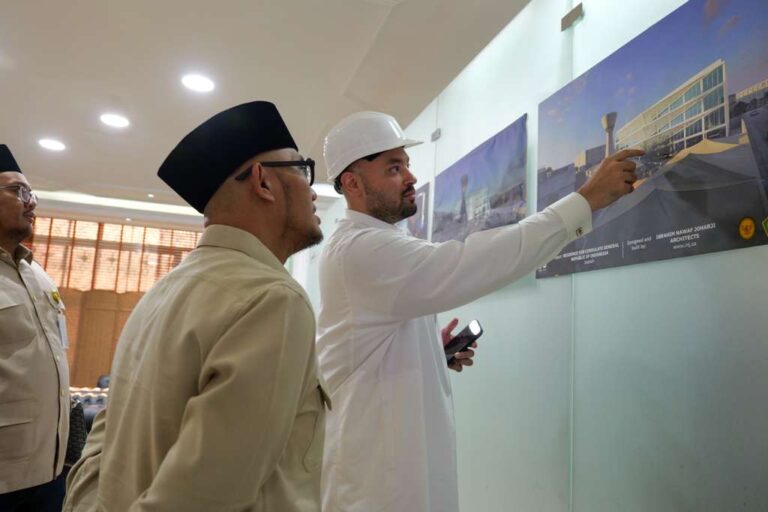
(INJ Architects – Press Release) The new Indonesian Consulate currently under development in Jeddah marks a significant moment in the…