
The Impact of Architecture and Interior Design on Our Daily Lives
Architecture and interior design are two closely related fields that have a significant impact on our daily lives. From the homes we live in to the buildings we work in, the design of these spaces plays a crucial role in shaping our experiences and interactions.
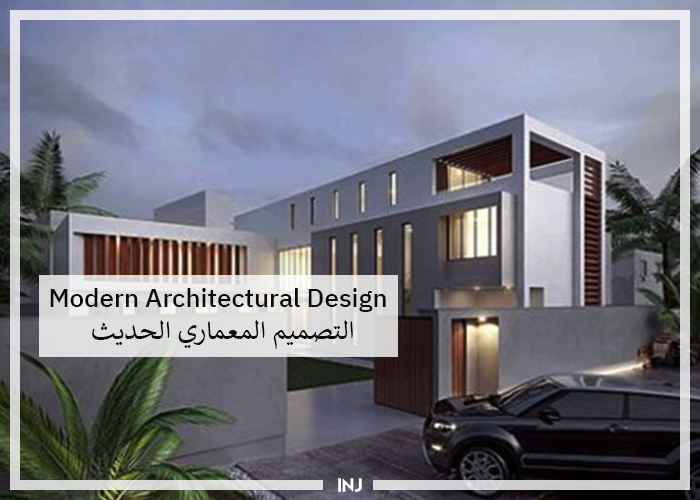
One of the key elements of architecture is the design of the building itself. This includes the overall layout, structure, and aesthetics of the structure. Architects must take into account factors such as function, form, and context when designing a building. For example, a residential building will have different design requirements than a commercial skyscraper. The design of a building can also be influenced by cultural, historical, and environmental factors.
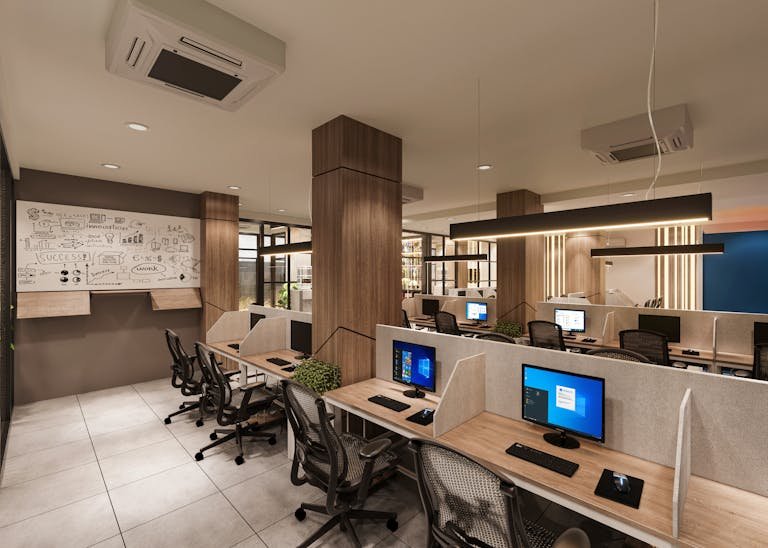
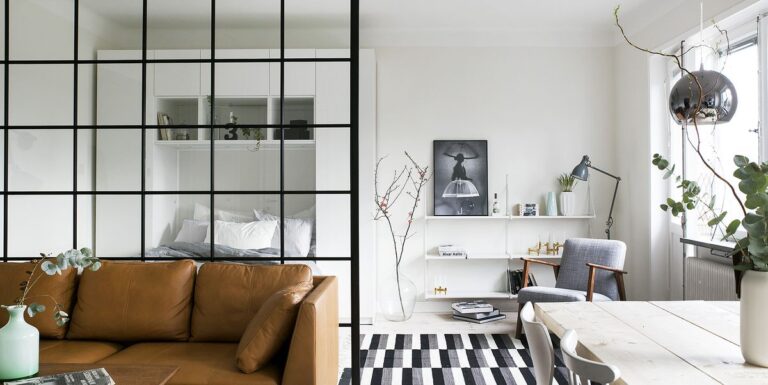
Interior design, on the other hand, focuses on the interior spaces of a building. This includes everything from furniture and lighting to color schemes and materials. Interior designers work closely with architects to create cohesive and functional spaces that reflect the needs and preferences of the people who will be using them. They must also consider factors such as traffic flow, accessibility, and comfort when designing a space.
Both architecture and interior design play a crucial role in creating spaces that are not only visually appealing but also functional and practical. Good design can improve the quality of life for those who inhabit a space by creating a comfortable and efficient environment. It can also enhance productivity and creativity in workspaces and promote relaxation and well-being in residential spaces.
In recent years, there has been a growing emphasis on sustainable design in both architecture and interior design. This involves designing buildings and spaces that are environmentally friendly and energy-efficient. Sustainable design practices can include using recycled materials, incorporating natural light and ventilation, and reducing energy consumption through design strategies such as green roofs and passive heating and cooling systems.
Another trend in architecture and interior design is the use of technology to create smart and interactive spaces. This can include features such as automated lighting and climate control systems, as well as smart home devices that can be controlled remotely. Technology can also be used to create immersive experiences through the use of virtual reality and augmented reality in design presentations.
Overall, architecture and interior design are essential aspects of our built environment. They have the power to shape our experiences and interactions with the spaces around us. By focusing on good design principles, sustainability, and innovation, architects and interior designers can create spaces that are not only aesthetically pleasing but also functional, comfortable, and environmentally friendly.
More on INJ Architects:
Rethinking Construction: Eight Strategies for Sustainable Building