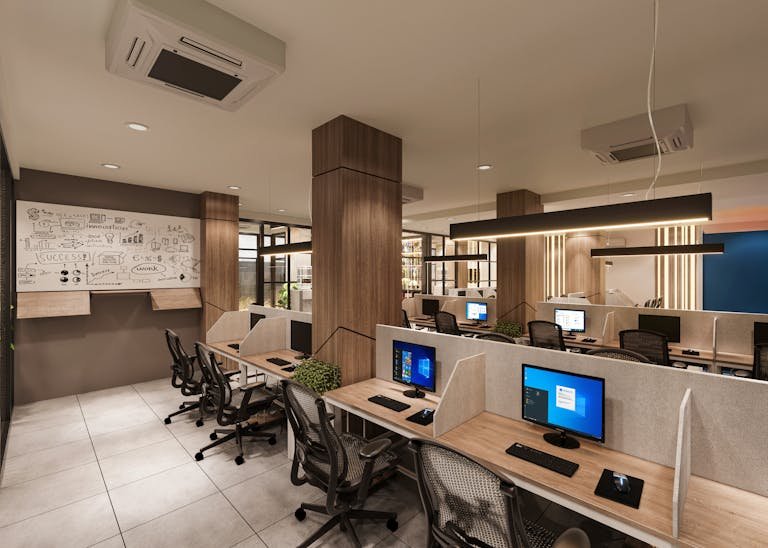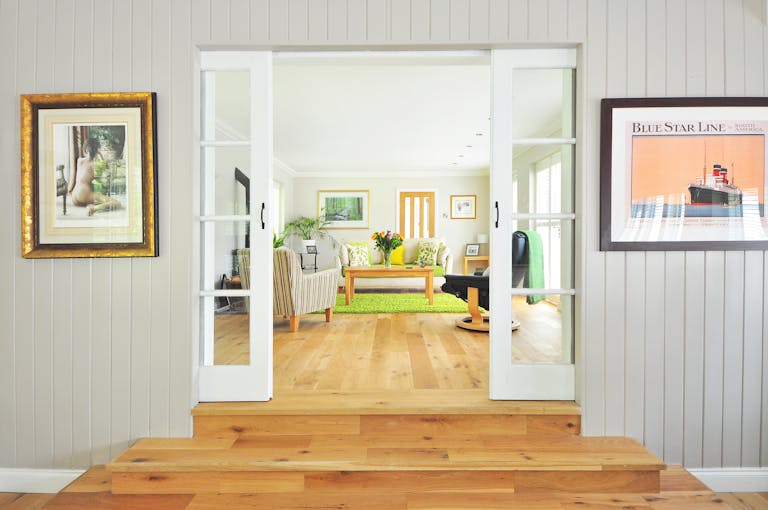
Open Plan vs Segmented Layouts
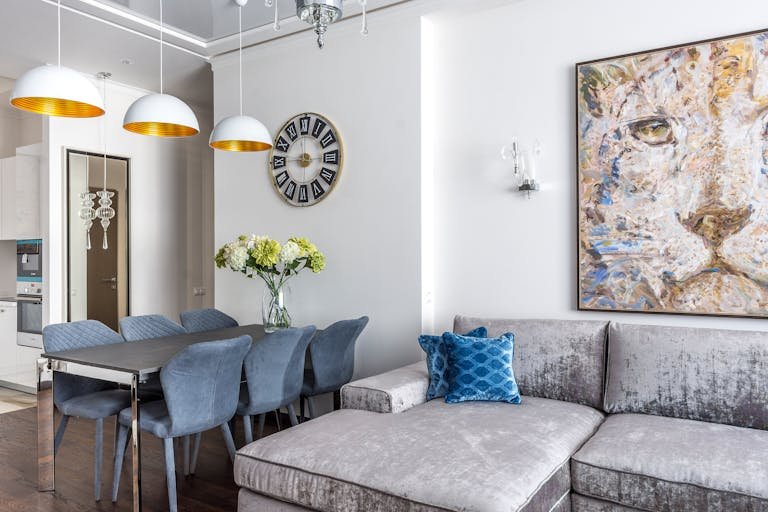
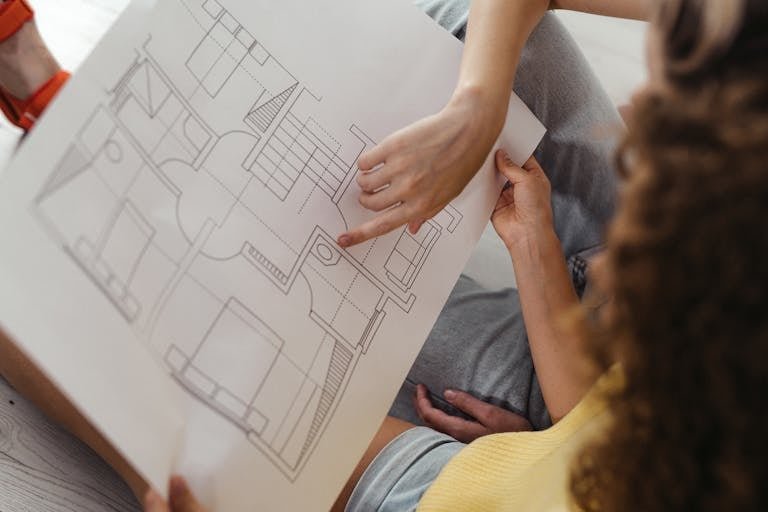
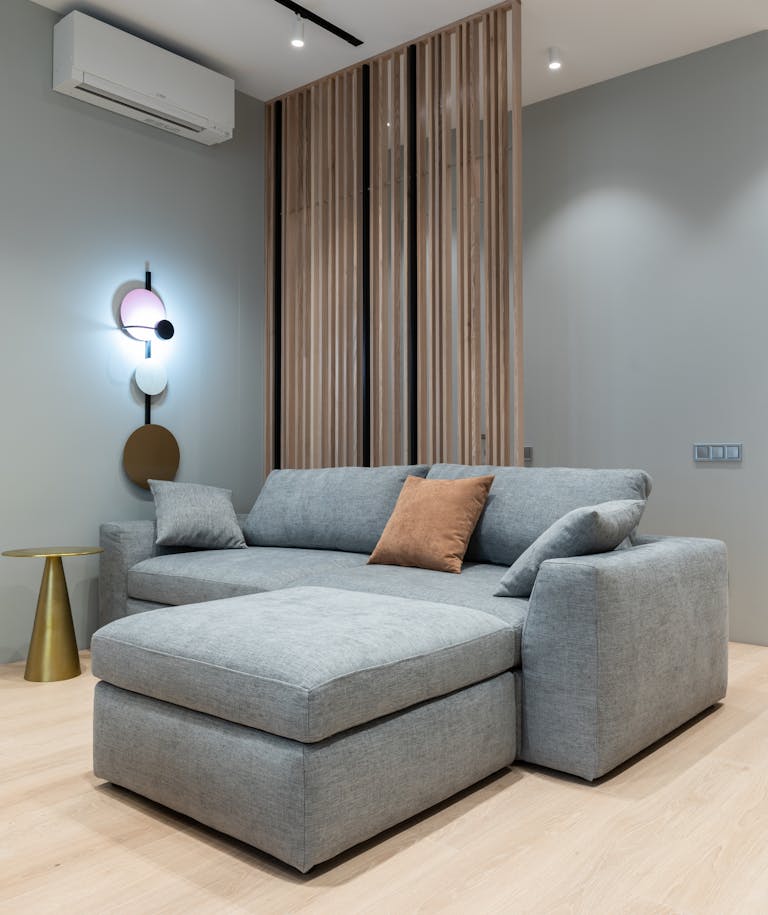
How Spatial Division Shapes Comfort, Behavior, and Daily Life The way interior space is divided is one of the most consequential decisions in design. Long… Read More »Open Plan vs Segmented Layouts
Explore architectural thought, design trends, and project insights from the INJ Editorial Team curating high-end, context-driven content from Saudi Arabia and beyond.
How Spatial Division Shapes Comfort, Behavior, and Daily Life The way interior space is divided is one of the most consequential decisions in design. Long… Read More »Open Plan vs Segmented Layouts
Lighting is one of the most impactful elements in architecture and interior design. The choice between natural and artificial lighting affects human mood, productivity, energy… Read More »Choosing Between Natural vs Artificial Lighting: How It Affects Mood, Productivity, and Energy Use
Repetition and variation are fundamental principles in architecture, extending beyond decoration to shape movement, perception, and cognitive engagement. By organizing space through repeated elements with… Read More »Architecture of Repetition and Variation
Architecture is often designed to eliminate resistance. Circulation is smoothed, surfaces are flattened, and transitions are simplified to ensure efficiency and comfort. Architecture of friction… Read More »Architecture of Friction
Architecture is commonly perceived as static matter shaped for occupation, yet human experience of space is inherently kinetic. Movement defines how architecture is understood, remembered,… Read More »Architecture That Thinks in Motion
Architecture can be understood not as isolated objects but as dynamic systems of interaction. Every surface, volume, and opening plays a role in mediating forces… Read More »Architecture as a Network of Interactions
As urban living spaces continue to shrink, architects and interior designers are seeking innovative solutions to make small apartments, studios, and micro-offices functional without feeling… Read More »Gravity-Shifted Interiors for Small Spaces: Maximizing Function Through Dynamic Furniture
Modern homes are evolving in response to changing lifestyles, technological growth, and shifting cultural habits. Flexible design has become essential as residents seek spaces that… Read More »Designing for Future Flexibility in Homes – Modular Spaces and Adaptable Layouts
Modern interior design is not only about aesthetics; it increasingly incorporates principles from biology and neuroscience to support human health and well-being. One critical aspect… Read More »The Science of Day-Night Cycles in Interior Design – Lighting Strategies to Support Circadian Rhythms
Across the Gulf region, smart villas are becoming a central element in modern residential development. This shift is driven by environmental conditions, lifestyle expectations, cultural… Read More »The Rise of Smart Villas: How Technology Is Transforming Residential Architecture in the Gulf
Concrete remains a foundational material in architecture. It supports structures and defines spatial form while offering a wide range of finishes and textures. At studios… Read More »Concrete in Contemporary Architecture: Performance Sustainability and Design
The dialogue between tradition and technology in architecture is evolving into something far more sophisticated than simple contrast. The idea of “Vernacular Intelligence” suggests that… Read More »Vernacular Intelligence: When Local Traditions Inform Smart Materials
Embassy architecture has evolved dramatically over centuries, reflecting political, cultural, and technological shifts. Early diplomatic buildings were fortress-like, emphasizing protection and sovereignty in uncertain geopolitical… Read More »History of Embassy Architecture: From Fortresses to Transparency
Diplomatic buildings are often viewed through their façades and security features, yet the interiors are equally significant. The interior design of embassies and consulates goes… Read More »Interior Design of Diplomacy: Beyond Offices and Reception Halls
Diplomatic architecture has always embodied the priorities of states, sovereignty, culture, and secure representation abroad. As global challenges evolve, embassies and consulates are adopting new… Read More »The Future of Diplomatic Architecture: Smart Security and Technology
In the twenty first century, diplomacy extends beyond negotiations and treaties. It also demonstrates responsibility toward global challenges. Climate change and sustainability have become central… Read More »Sustainable Diplomacy: Green Design in Embassies and Consulates
The establishment of diplomatic buildings such as embassies and consulates requires more than political negotiation. It involves complex real estate decisions that balance visibility, safety,… Read More »Management of Diplomatic Land and Real Estate in Major Cities
Diplomatic buildings, such as embassies and consulates, are more than administrative centers or symbols of political representation. They serve as cultural bridges, reflecting the values,… Read More »Diplomatic Buildings as Cultural Bridges Between Nations
One day, an American company specializing in fiberglass pools approached me and presented their products. The idea was attractive: ready-made pools imported from abroad, high… Read More »Luxury Pools Guide: Types, Advantages, and How to Choose the Best for Your Project
Consulates play a distinct role within diplomatic architecture, separate from embassies. While embassies symbolize political representation, consulates focus on everyday services for citizens and visitors… Read More »Consulate Design as Housing and Services
Diplomatic missions are more than political entities. They operate under international law that defines their rights, privileges, and responsibilities. At the heart of this framework… Read More »The Impact of the Vienna Convention on Diplomatic Relations and Architecture
Embassies have long stood as powerful symbols of international presence, cultural identity, and political representation. Traditionally, these buildings conveyed prestige, grandeur, and openness, reflecting the… Read More »Modern Embassy Architecture: Balancing Security and Transparency
Diplomatic representation takes many forms, from the highly visible embassy that proudly displays its national flag, to hidden or discreet facilities that operate without outward… Read More »The Difference Between Buildings That Display Flags and Hidden Diplomatic Buildings
Diplomatic buildings are not only places of work but also symbols of national identity and international presence. Unlike ordinary offices, they operate under strict diplomatic… Read More »Protocols of Diplomatic Buildings: Balancing Formality and Function
Diplomatic buildings form an essential part of international architecture, serving as bridges between countries while fulfilling both political and practical functions. Institutions such as embassies,… Read More »The Difference Between an Embassy, a Consulate, and an Attaché Office: Functions and Architectural Reflections