Yanbu al-Bahr, 26 March 2014: An INJ Architects Field Archive
Original photographs from INJ Architects’ consultancy visit to Yanbu al-Bahr on 26 March 2014, revisiting its waterfront, streets and service spaces.

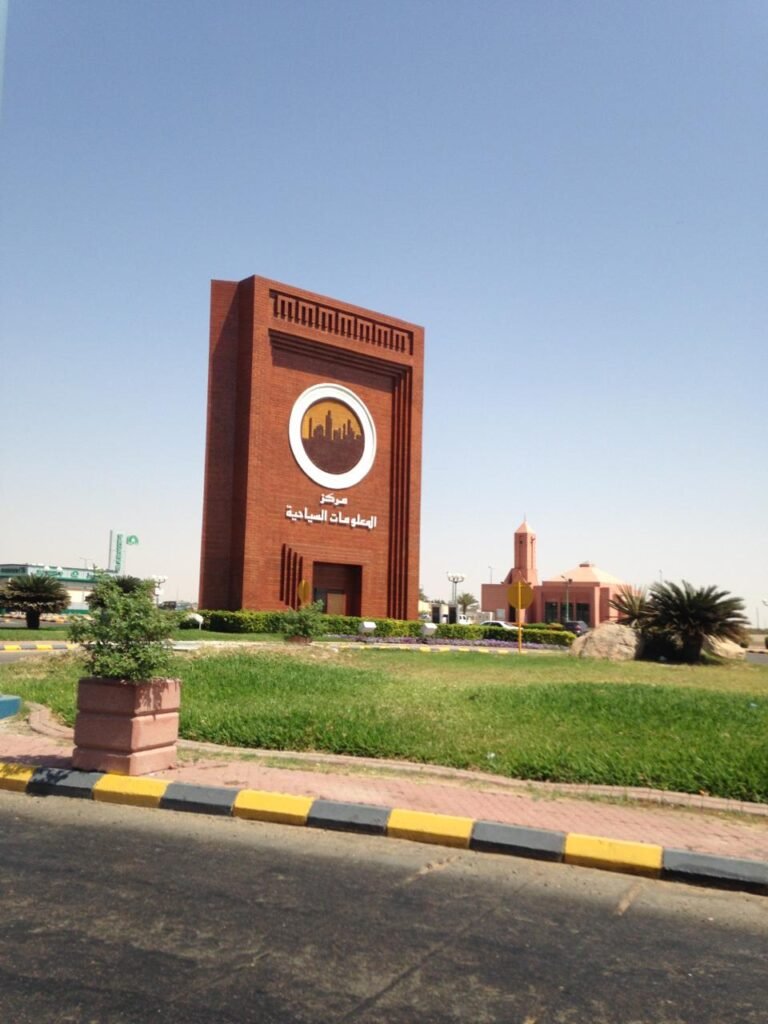
Original photographs from INJ Architects’ consultancy visit to Yanbu al-Bahr on 26 March 2014, revisiting its waterfront, streets and service spaces.
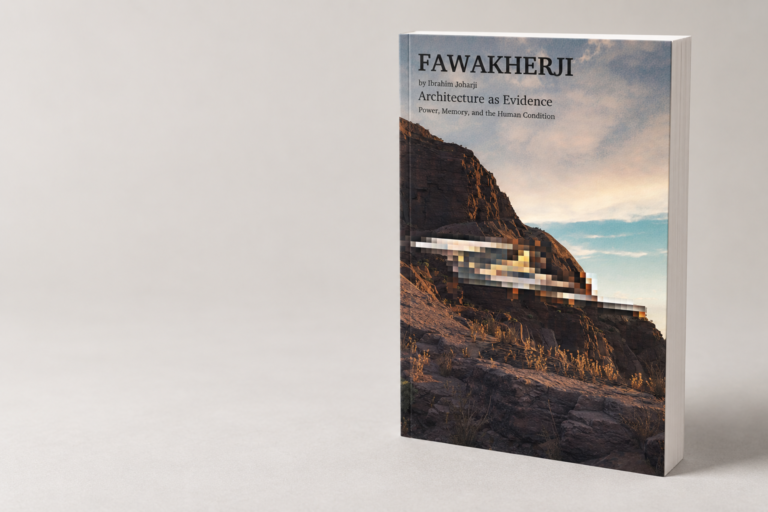
FAWAKHERJI: Architecture as Evidence, an early reading of Ibrahim Joharji’s forthcoming essays on buildings, cities and objects as traces of power and memory.

Architectural memory describes how buildings absorb and transmit collective experience. We examine how spaces hold time, from sacred monuments to factories.
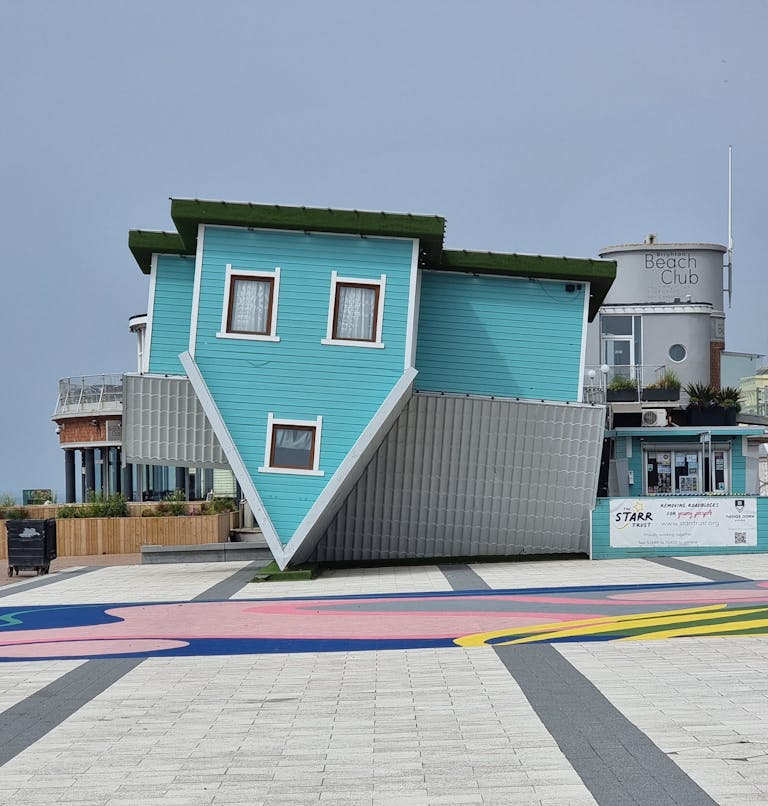
Architecture in reverse embraces entropy, weathering and intentional aging as design elements. We explore facades designed to peel, rust or erode over time.

Architectural palimpsest describes buildings and cities rewritten over centuries while keeping traces of the past. We examine the concept, theory and examples.

Siphon toilet history and engineering: how water-based sanitation reshaped cities and public health, and the sustainable alternatives now replacing it.
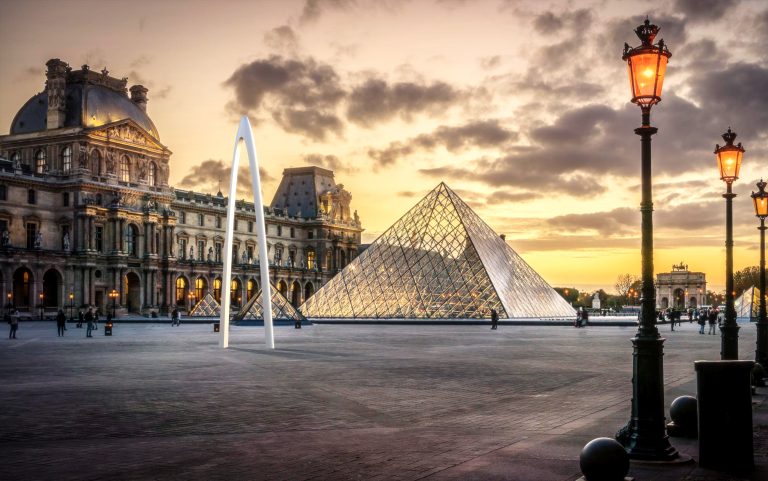
Cultural diversity in architectural design: how historical context, religion, climate and geography shape building forms, materials and ornamentation worldwide.

Moroccan architecture blends Moorish, Arab and Berber influences; this article examines zellige tilework, carved wood and arches in modern design.

Arabic architecture in its traditional form faces pressure from urbanisation; this article explains why and how mosques, riads and heritage are preserved.

Traditional architectural styles of Al-Qatif can be adapted for modern use. This guide covers authentic materials, sustainability and functional design.

Al-Qatif’s architectural identity, with its high parapets, screened walls and arches, can be preserved in modern construction. This article shows how.

Architecture and urban planning in Al-Ahsa are shaped by its natural springs. This article examines how water has guided the region’s layout and design.

Sanitation in ancient Rome: the history of the sewers, public toilets and baths that set Rome apart from other ancient cities, and the limits of that progress.

Contemporary rustic blending heritage and modernity: how modern country style pairs classic and contemporary pieces, colour palettes and natural textures.
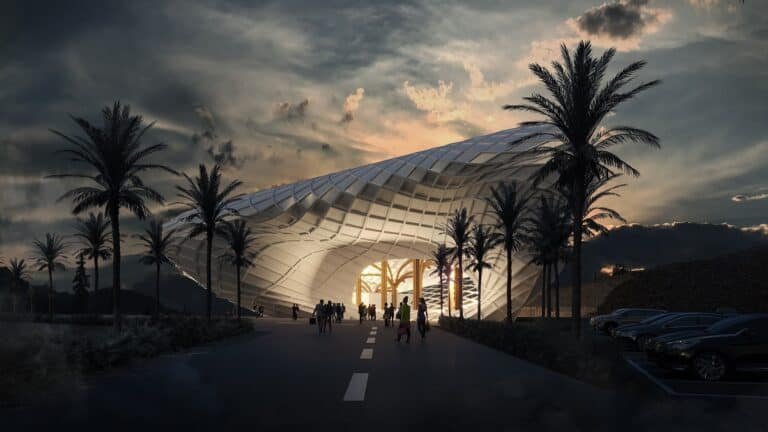
How architecture museums preserve models, drawings, decisions, and urban memory, turning professional archives into knowledge for future cities.

Saudi National Day on 23 September marks the Kingdom’s founding in 1932. A look at its cultural heritage, traditions, development and vision for the future.
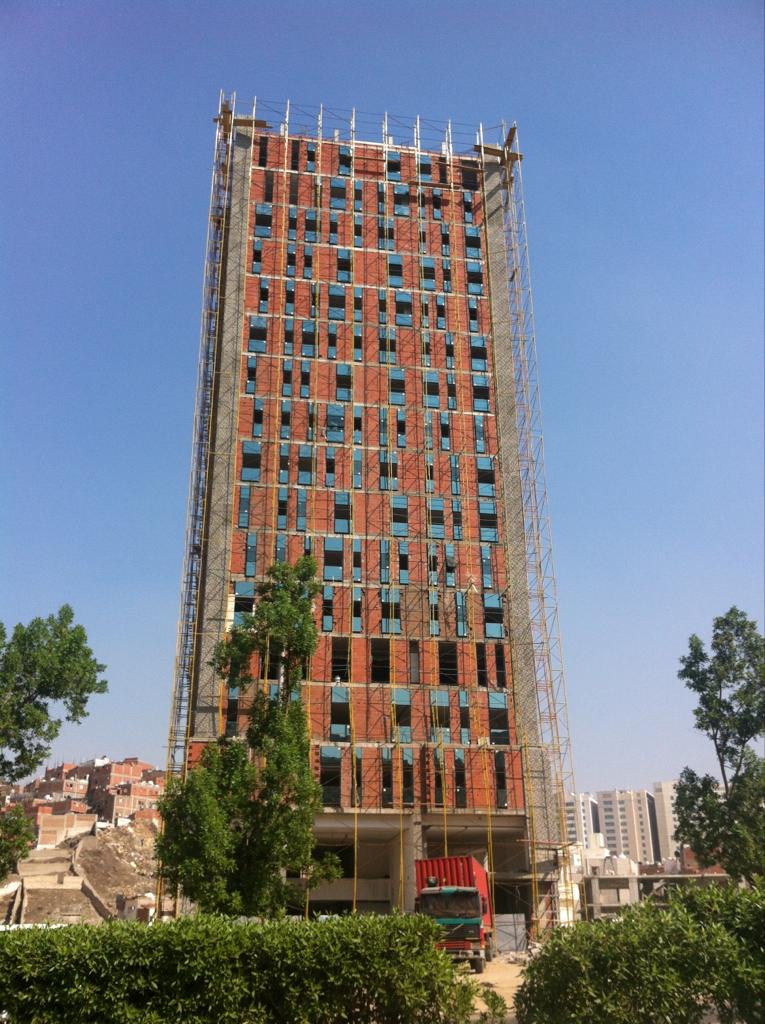
Successful real estate investment after the pandemic: studying strengths and weaknesses, forecasting cash flow and profit, and the factors that shape returns.

History of architecture offers architects five practical lessons, from avoiding disaster through vernacular wisdom to reading climate, topography and context.

Restoration and protection of wetlands: this article defines re-establishment, rehabilitation and protection, and outlines the benefits of conservation.

History of architecture as a teacher: five lessons architects can draw from the historical processes, ideas and practices that shaped the profession.
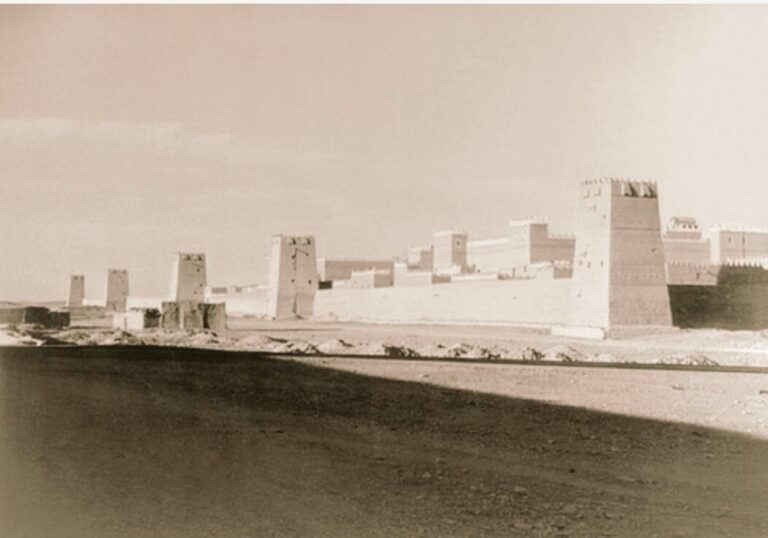
Commissioned beyond Riyadh’s walls in 1936, Al-Murabba became a royal and administrative complex. This study examines its materials, courtyard, programme and bridges.
A practical framework for assessing, repairing and adapting Saudi Arabia’s modern and postmodern buildings, with the Hajj Terminal as a documented case.
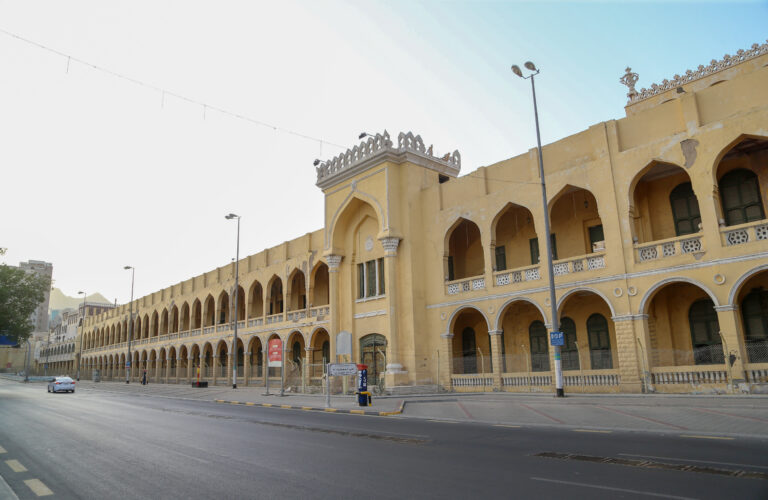
A field-based framework for conserving Saudi urban heritage through evidence, material diagnosis, compatible use, maintenance and three documented case studies.
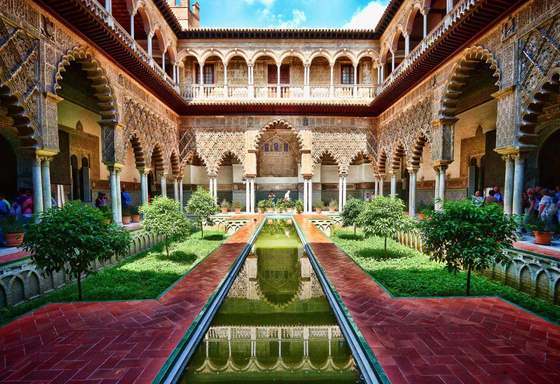
The manifestations of Islamic architecture in Andalusia: how Muslims rebuilt cities, raised landmark buildings and established centres of learning in Spain.
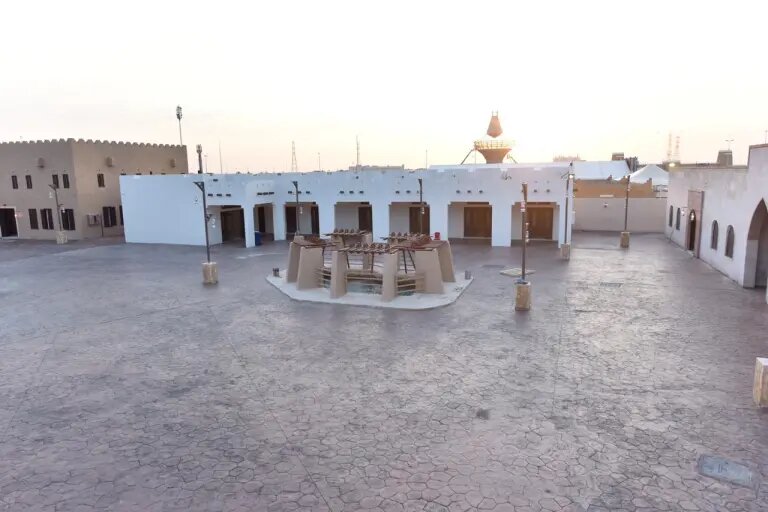
Heritage architecture in Saudi Arabia and its transformation into contemporary Islamic architecture, from SOM’s Hajj Terminal in Jeddah to global discourse.
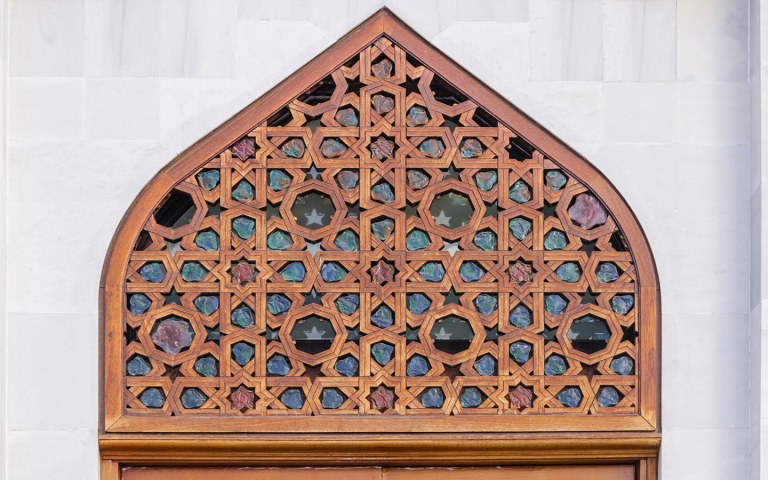
The ancient heritage of architecture in the Kingdom of Saudi Arabia: heritage sites and urban buildings shaped by diverse terrain, early settlement and Islam.
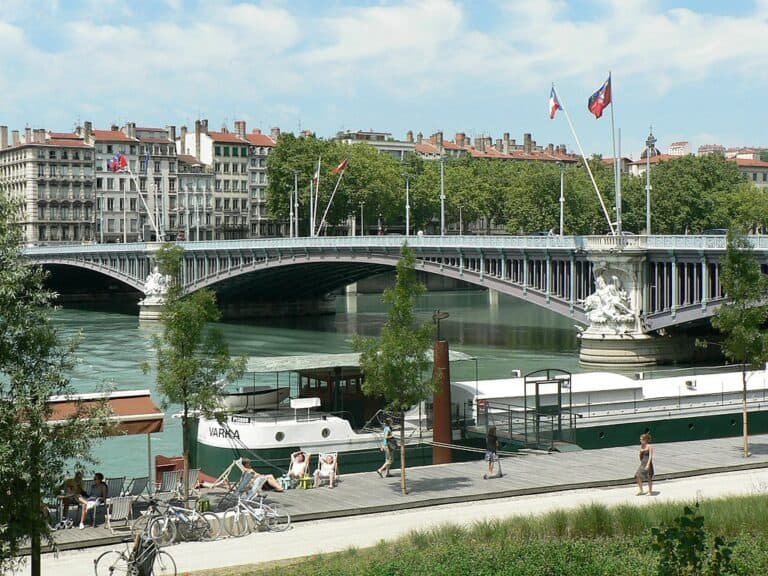
French engineering and architecture through the ages: from Roman Gaul to Gothic cathedrals and the modern work of Le Corbusier, Nouvel and Perrault.
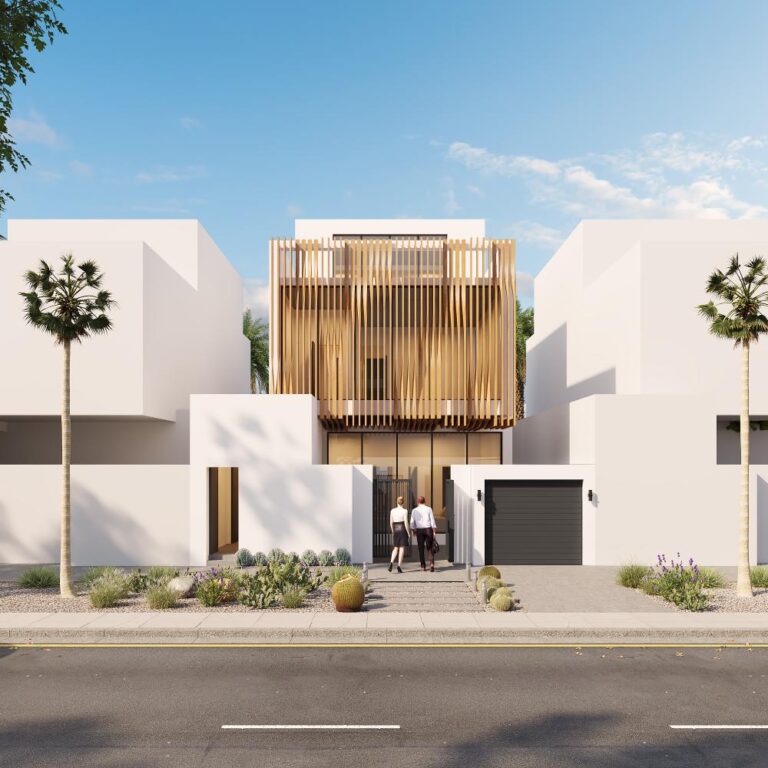
Buildings are drawn from culture before they are drawn from engineering. The social identity of a people is the true generative source of architectural form.
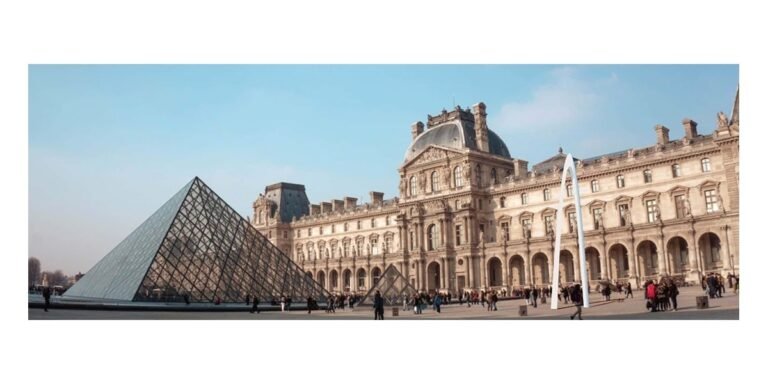
Le Corbusier called the past his only master. The history of architecture still teaches three lessons every designer needs: climate, durability and human scale.
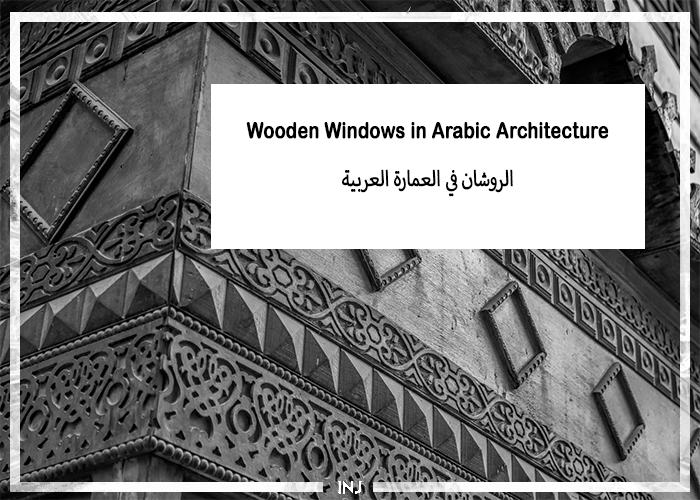
Wooden windows, or Roshan, in Arabic architecture: how traditional screens controlled light, glare, air and privacy, and what modern windows have lost.