From the Building Entrance to the Room: Arrival and Layers of Access
How arrival and access differ across homes, hotels, offices and diplomatic buildings, balancing security, welcome and clear circulation.


How arrival and access differ across homes, hotels, offices and diplomatic buildings, balancing security, welcome and clear circulation.

Power stations and high-voltage lines near homes raise questions about EMF exposure, health, property value and design. Research, regulation and mitigation.

Tsunamis are triggered by undersea earthquakes, eruptions and landslides. The science behind them, historical events, early warning systems and safety measures.

Technical Returnable (TR) documents are key to securing major projects. What a prequalification submission should include, common mistakes and strategies.

Emergency management in architecture: how resilient design prepares buildings and cities for natural disasters and crises, with global strategies and key data.

Interior design is being reshaped by artificial intelligence. Five ways AI enhances creativity, from trend analysis and personalisation to experimentation.
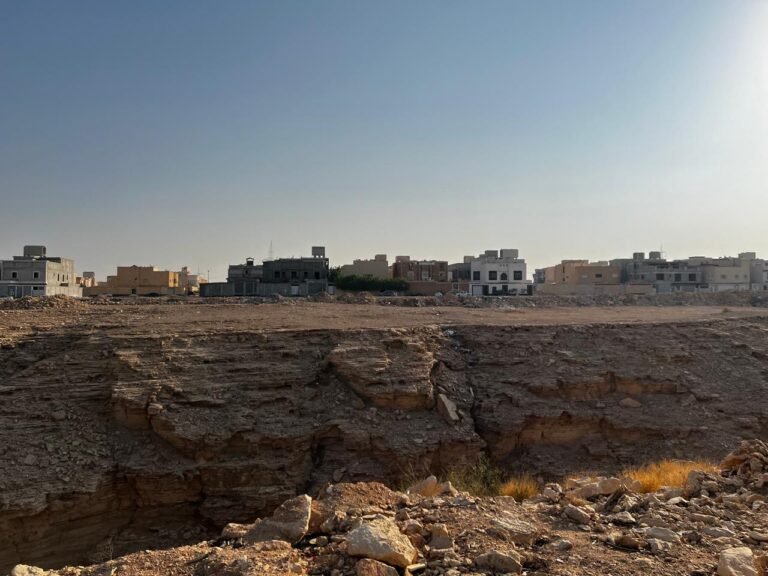
Discover how architects and engineers navigate complex geological challenges to get their projects approved in this insightful article. From unstable rock formations to high water tables, geological issues pose major obstacles that must be overcome for regulatory compliance. Learn about the essential stages and tools used in addressing such challenges, including comprehensive geological surveys, detailed site analysis, and adaptive engineering design. Explore case studies of successful projects that overcame challenging geological conditions through innovative solutions and cutting-edge technologies. Don’t let geological obstacles get in the way of your architectural dreams – read on to find out how to overcome them today!

Architecture phases explained for professionals: the stages of the architectural process, why each matters, key considerations and typical problems.

Dynamic architecture and sustainability: an analytical and applied study of two global building models that yields 39 design standards for adaptable buildings.

Warning signs indicating that a building may collapse: how to tell maintenance defects from structural damage and when a qualified engineer must assess it.
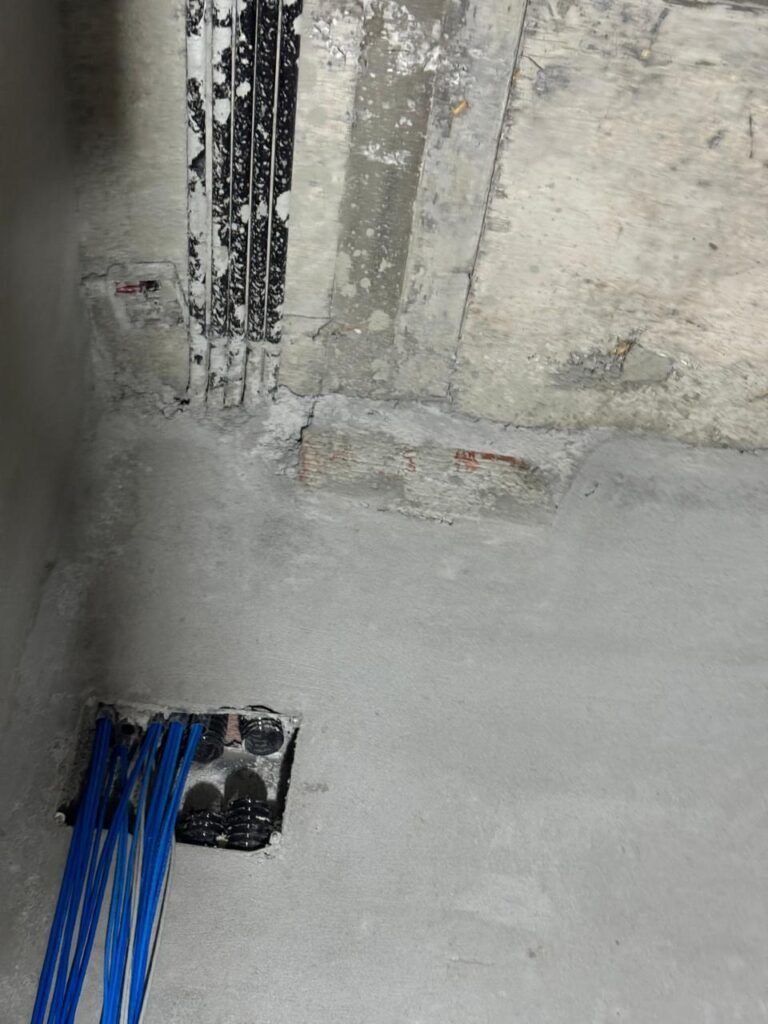
Components of architecture, four essential ones: point, line, plane and volume, and how each builds on the last to form the three-dimensional spaces we inhabit.
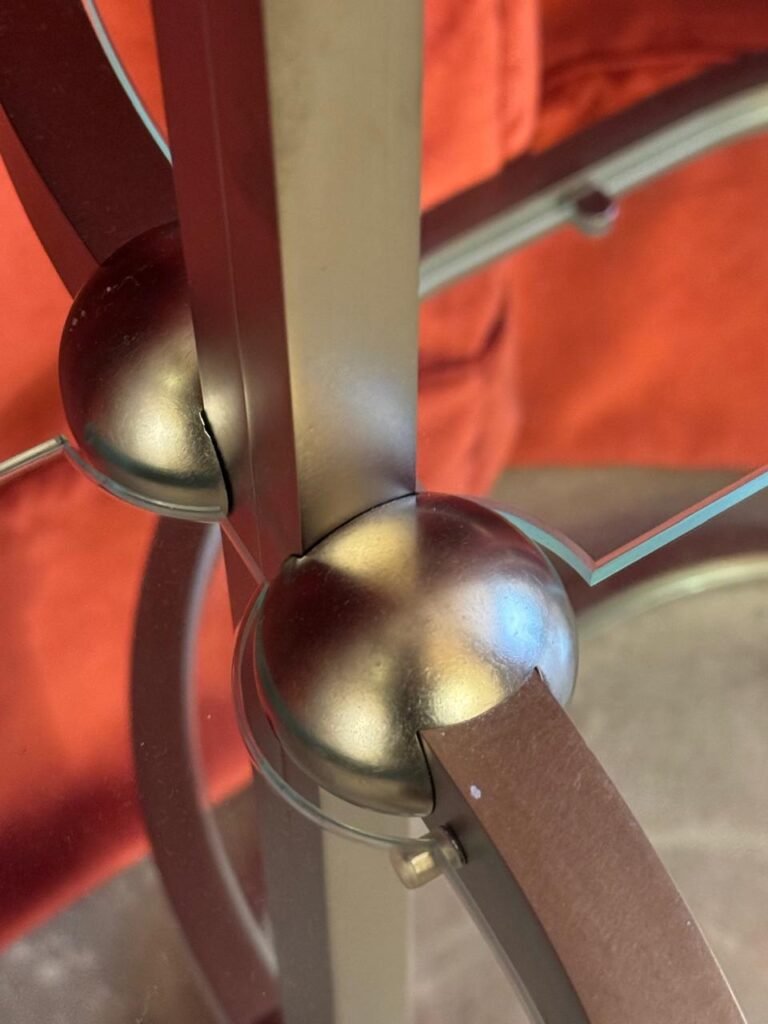
A clear look at bridge design, from the structural logic that governs span, type, and foundation to the loads, testing, and construction methods that carry a crossing from drawing board to built reality.
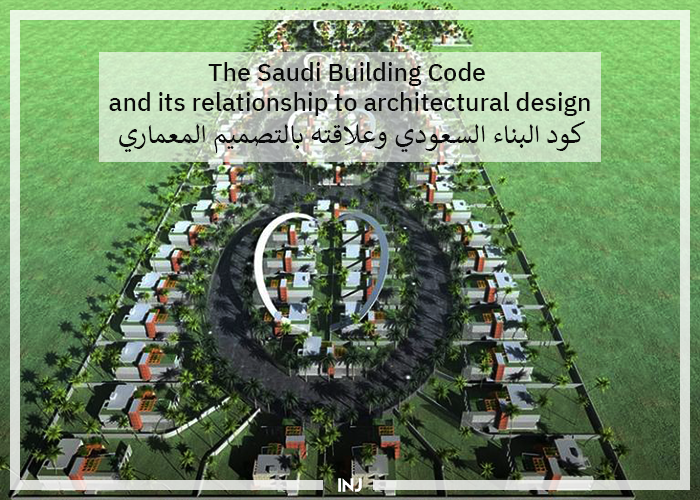
The Saudi Building Code and its relationship to architectural design: what adoption means for residential projects, from a firm qualified since 2014.