How Vision 2030 is Reshaping Residential Architecture in Saudi Cities
Saudi Arabia’s Vision 2030 has become one of the most influential drivers of urban and architectural change in the Kingdom….

Articles on urban planning, urbanism, public space, mobility, density, and the built environment at city scale.
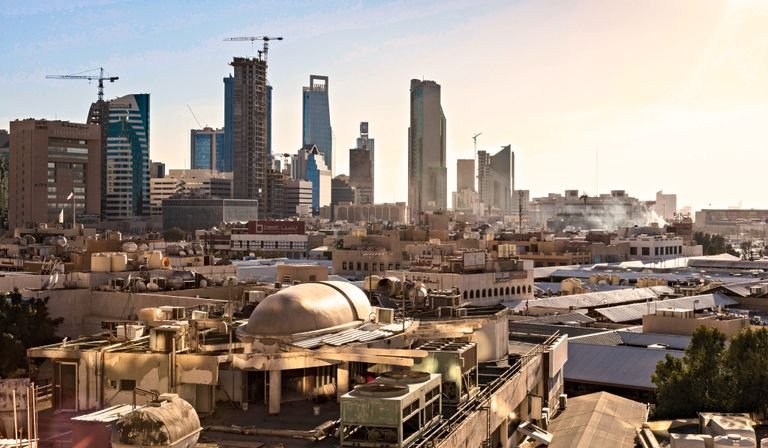
Saudi Arabia’s Vision 2030 has become one of the most influential drivers of urban and architectural change in the Kingdom….

The establishment of diplomatic buildings such as embassies and consulates requires more than political negotiation. It involves complex real estate…

Cities are often celebrated for their order. Grids, zoning laws, and masterplans create a sense of predictability that makes navigation…

Introduction: When the City Becomes Too Much As urban populations boom and cities swell in scale and speed, a new…

Introduction: Rising Waters, Rising Solutions As climate change accelerates and sea levels rise, coastal cities face an urgent dilemma: adapt…

Introduction: From Concrete to Canopy As climate change accelerates and biodiversity declines, “rewilding” is emerging as a powerful movement to…

Introduction: Diving into the Future As the world’s population grows and climate change threatens coastal regions, architects and engineers are…

Choosing to reside near a school presents a unique blend of advantages and challenges that can significantly influence architectural design…

Introduction The proximity of residential properties to government offices and public service facilities plays a significant role in urban planning,…

Introduction Living near power stations and high-voltage transmission lines is a topic of concern for architects, urban planners, and potential…
Artificial Intelligence (AI) is transforming the architecture industry, reshaping the way buildings are designed, constructed, and maintained. By harnessing the…

Introduction Urban development has traditionally been a slow, top-down process driven by government agencies and large-scale planning efforts. However, in…
The affordability of housing is a pressing issue globally, and in the Arab world, it reveals diverse challenges influenced by…
How are millennial values (e.g., sustainability and well-being) influencing their project priorities? Millennials are increasingly influencing architectural trends, particularly in…
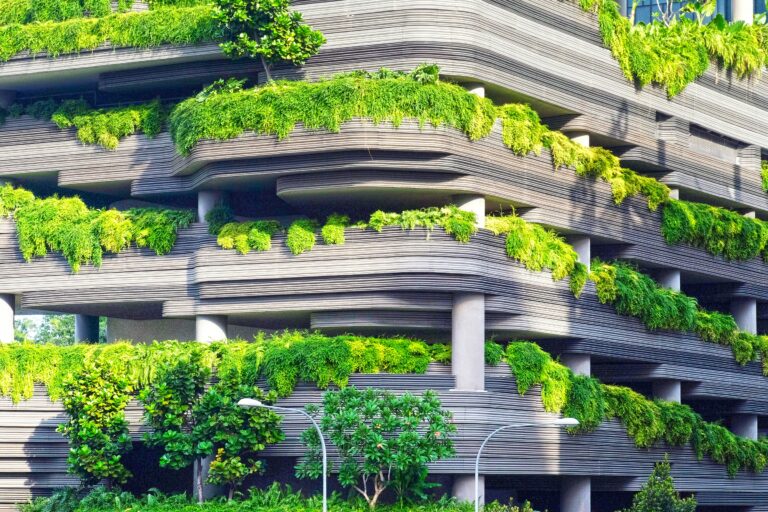
Cyborg urbanism represents a revolutionary approach to city planning and architecture, merging wearable technology with urban environments. This concept envisions…

As urban expansion continues and available land diminishes, architects and urban planners are increasingly exploring the possibilities of underground architecture….
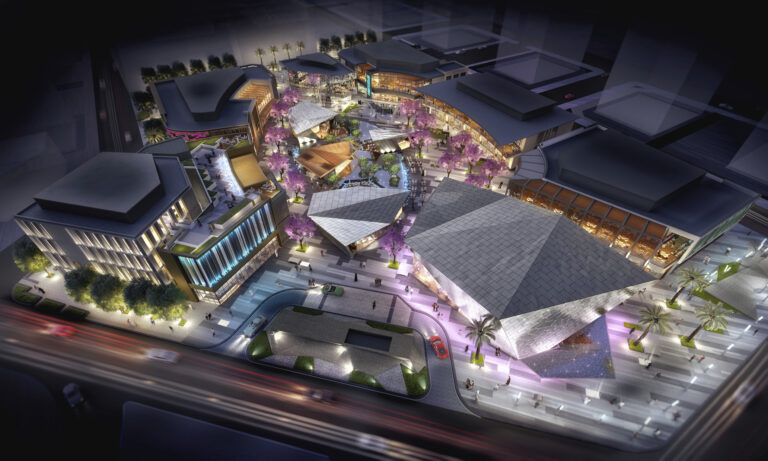
Public spaces have always played a critical role in urban life, offering places for people to gather, relax, and interact….

Living near airports brings both blessings and curses. While airports offer global connectivity, they also bring air quality, noise, and safety concerns. Through innovative architectural design, negative impacts can be mitigated. Architects can create harmonious living environments by implementing sound insulation, noise-absorbing materials, and strategic building orientation. Effective community engagement can ensure residents’ well-being while accommodating airports’ operational needs.
Did you know that population growth is intricately linked with the real estate market? As the world’s population grows, the demand for housing and real estate services continues to rise, significantly impacting economic development and urban planning. In this informative article, we delve into the complex dynamics between population growth and the real estate market, examining historical trends and future projections. Discover how the affordable housing crisis, rental market dynamics, and sustainable urban planning play vital roles in shaping the future of the housing market. Join us as we explore the fascinating relationship between population growth and the real estate economy.

Smart cities are revolutionizing urban living by integrating advanced technologies to enhance efficiency, sustainability, and connectivity. This holistic approach to…

Urban elements design is a crucial aspect of modern city planning, shaping the functionality, aesthetics, and livability of urban environments….

Public spaces are essential components of urban environments, serving as communal areas where people can gather, interact, and engage in…

Urban design has undergone significant transformations over the decades, influenced by social, economic, technological, and environmental factors. This article explores…

Urban planning and development are crucial for shaping the cities of tomorrow. As populations grow and environmental concerns escalate, the…

Parking design is a vital aspect of city planning and architecture, playing a major role in improving user experience and…
Urban landscaping has become a significant aspect of modern architecture, shaping the appearance and functionality of our cities. In this…

Adaptive reuse is the process of repurposing old buildings for new uses, revitalizing urban spaces and preserving architectural heritage. In…

In recent years, Saudi cities like Jeddah, Dammam, and Khobar have been undergoing significant transformations in their urban landscapes. With…

The rejuvenation of traditional marketplaces, such as Souq al-Qaisariyah in Al-Qatif, represents a pivotal strategy in blending the rich tapestry…
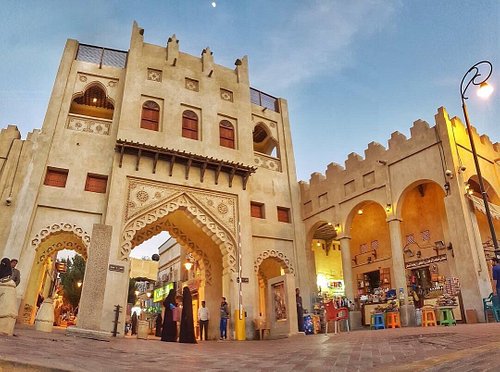
Al-Ahsa’s traditional marketplaces, such as Souq al-Qaisariyah, are not just commercial centers but vital components of the region’s social fabric…