From the Building Entrance to the Room: Arrival and Layers of Access
How arrival and access differ across homes, hotels, offices and diplomatic buildings, balancing security, welcome and clear circulation.


How arrival and access differ across homes, hotels, offices and diplomatic buildings, balancing security, welcome and clear circulation.
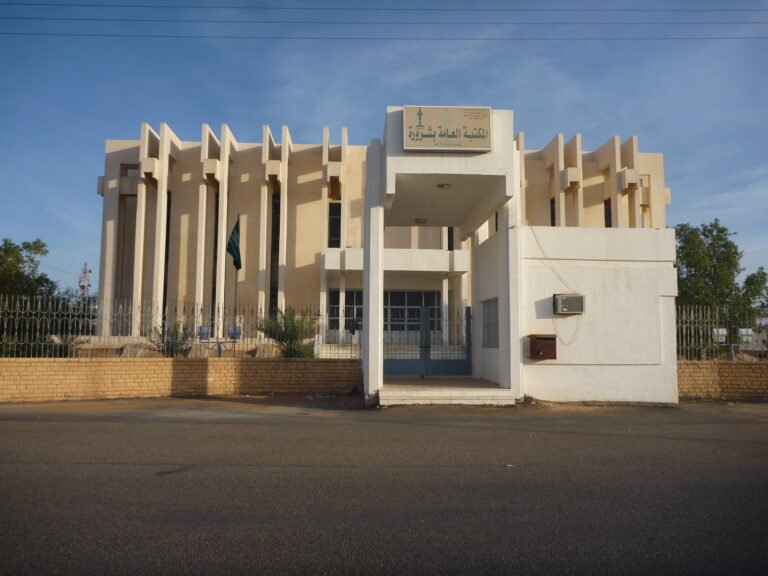
In November 2013, our team was commissioned for a consultancy assignment deep in the Empty Quarter. Sharurah was not a destination — it was a passage. What we documented there became one of the most defining archives in our office’s history.
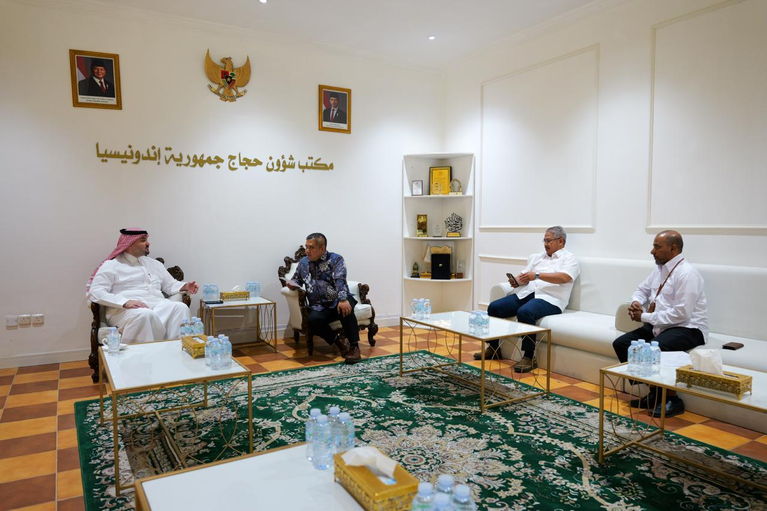
Indonesian Hajj Affairs Building in Jeddah: Ibrahim Nawaf Joharji honoured by the Indonesian Consul for Hajj Affairs for his role as lead architect.
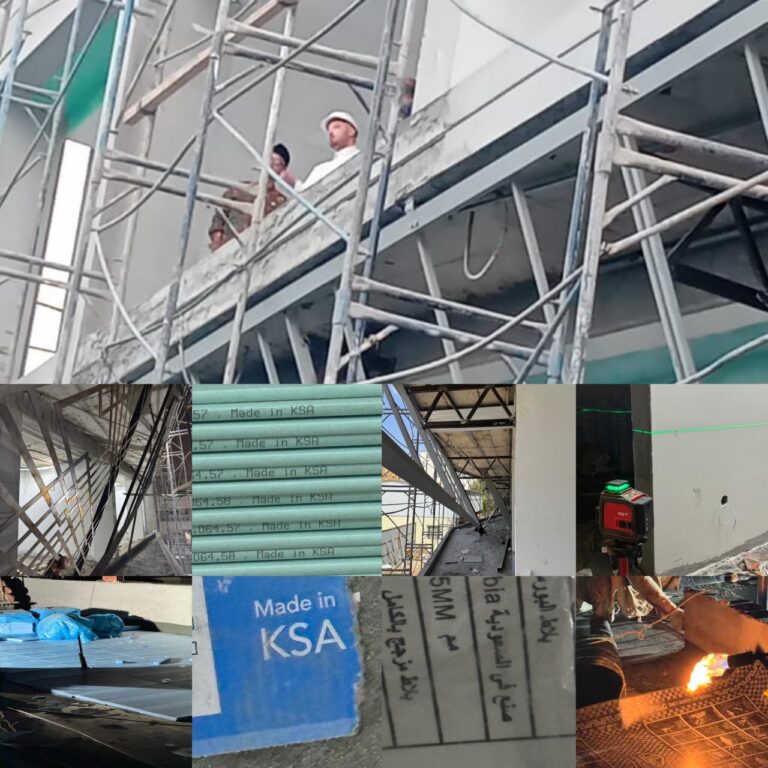
INJ Architects specializes in high-localization architectural delivery systems, reaching 98.7% local content integration in the Indonesian Consulate, Jeddah.
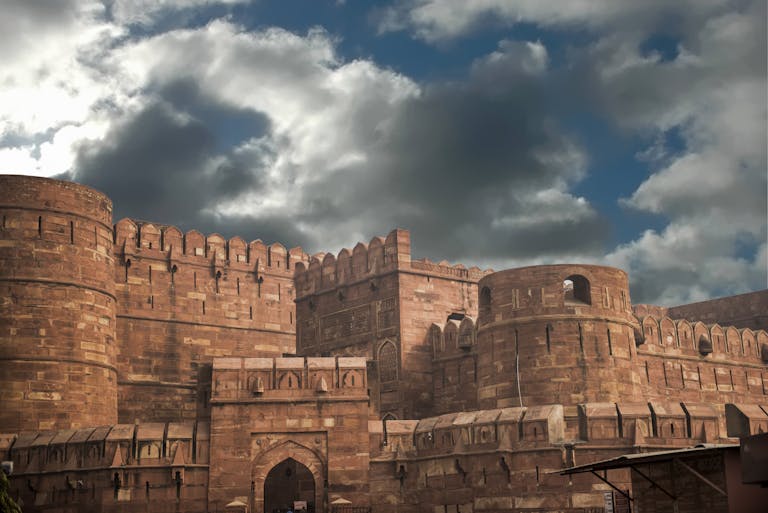
History of embassy architecture traces its evolution from fortress-like buildings to transparent, accessible designs that still safeguard sensitive operations.

Modern embassy architecture must reconcile security with transparency. We explore fortified structures, setback zones and designs that remain open and engaging.

Diplomatic buildings operate under strict protocols that balance sovereignty with daily function. We examine how embassies and consulates meet both demands.

Attaché office, embassy and consulate differ in political function, public access and architecture. This article explains each role and its design implications.
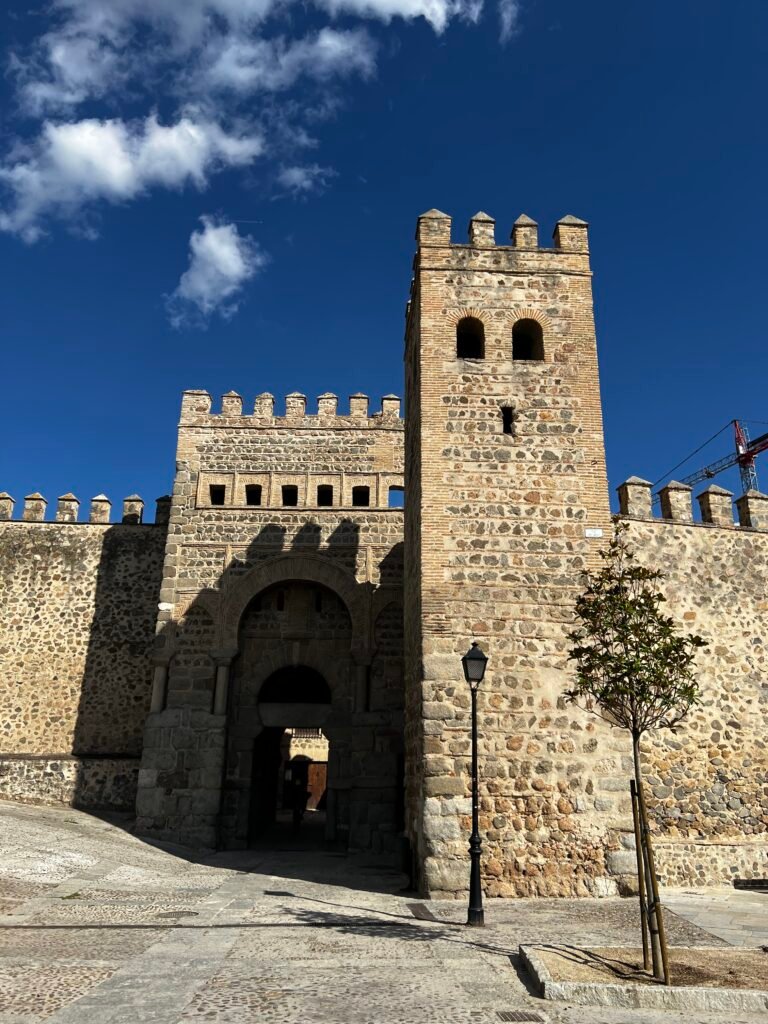
Islamic military architecture and its characteristics: walls, gates, towers and fortresses built to defend the borders of the Islamic State against invasion.
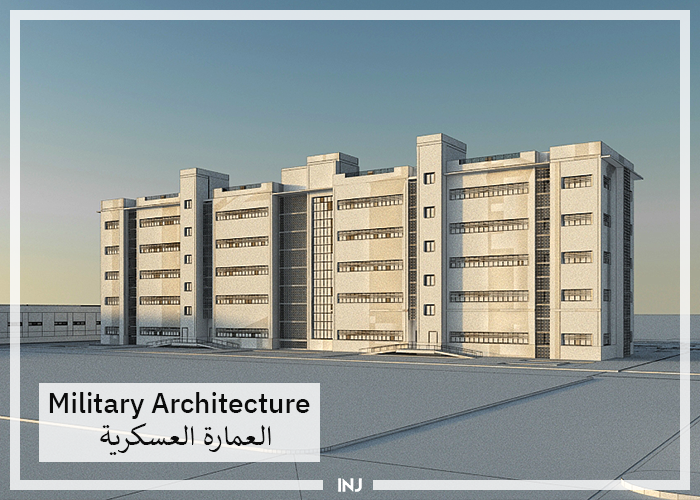
Military architecture is the design of fortifications to defend territory and protect people; this article covers its definition, elements and basic principles.