
Highest and Best Use of Land: How Value Is Settled Before Design
Land carries a market price, but its real value is not read from its area. It is read from the best thing the land can lawfully, physically and profitably carry. Highest and best use is the tool a valuer or advisor uses to settle that question before a single line is drawn. It is not a theoretical exercise; it is the decision that determines what gets built, what the land is worth, and whether the project deserves to be financed at all.
The four tests, in their binding order
The Appraisal Institute defines highest and best use as the reasonably probable use that passes four sequential tests: legally permissible under zoning, planning and setbacks; physically possible given soil, levels, area and access; financially feasible, where income covers cost and returns a yield; and finally maximally productive among the alternatives that cleared the first three. The order is not cosmetic. The most profitable use is worth nothing if it is forbidden by code or impossible on the ground, which is why permissibility and possibility are tested before profit, not after.
The land as vacant and the land as improved
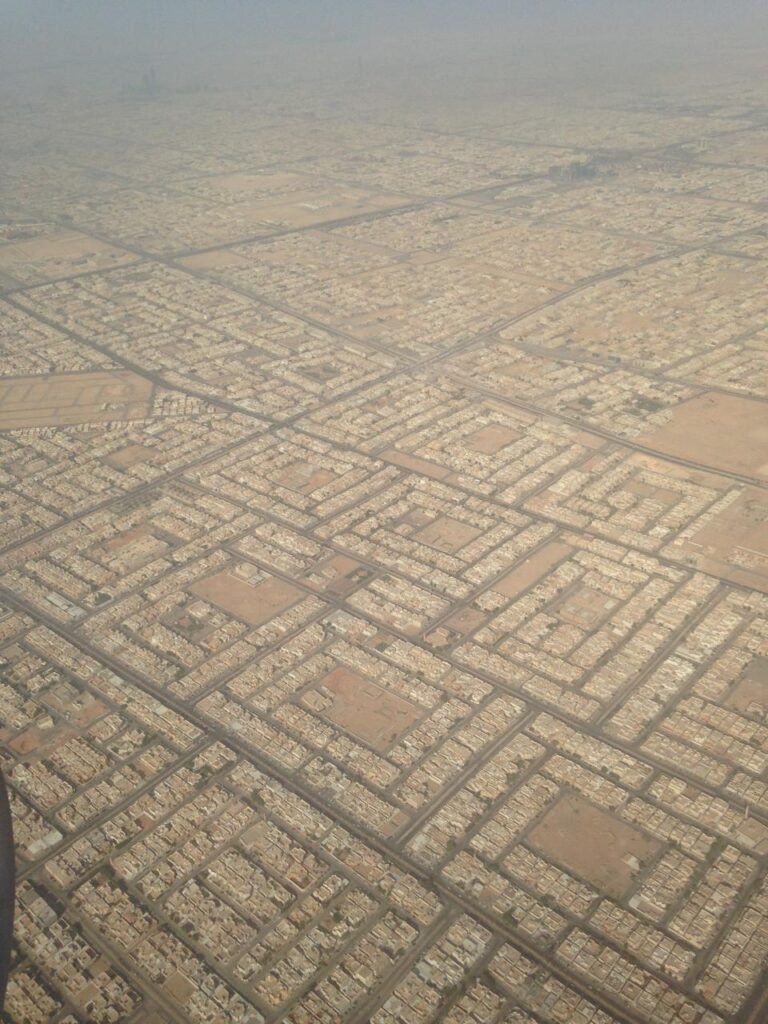
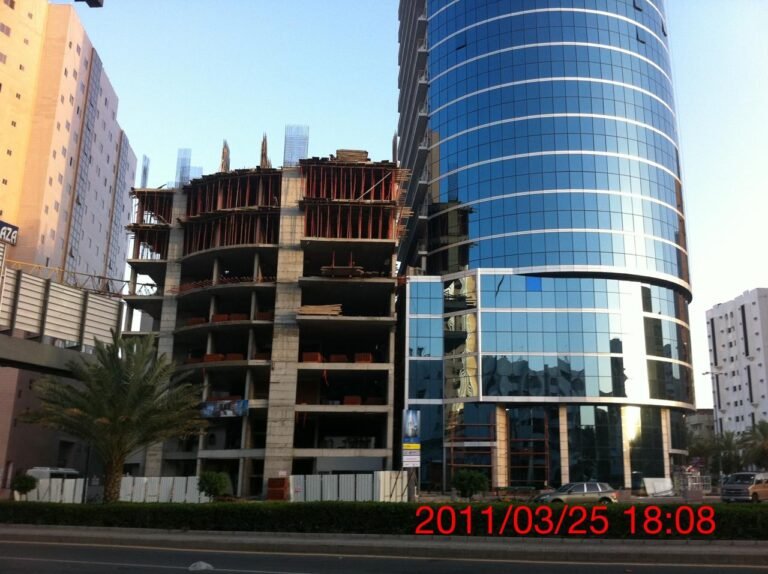
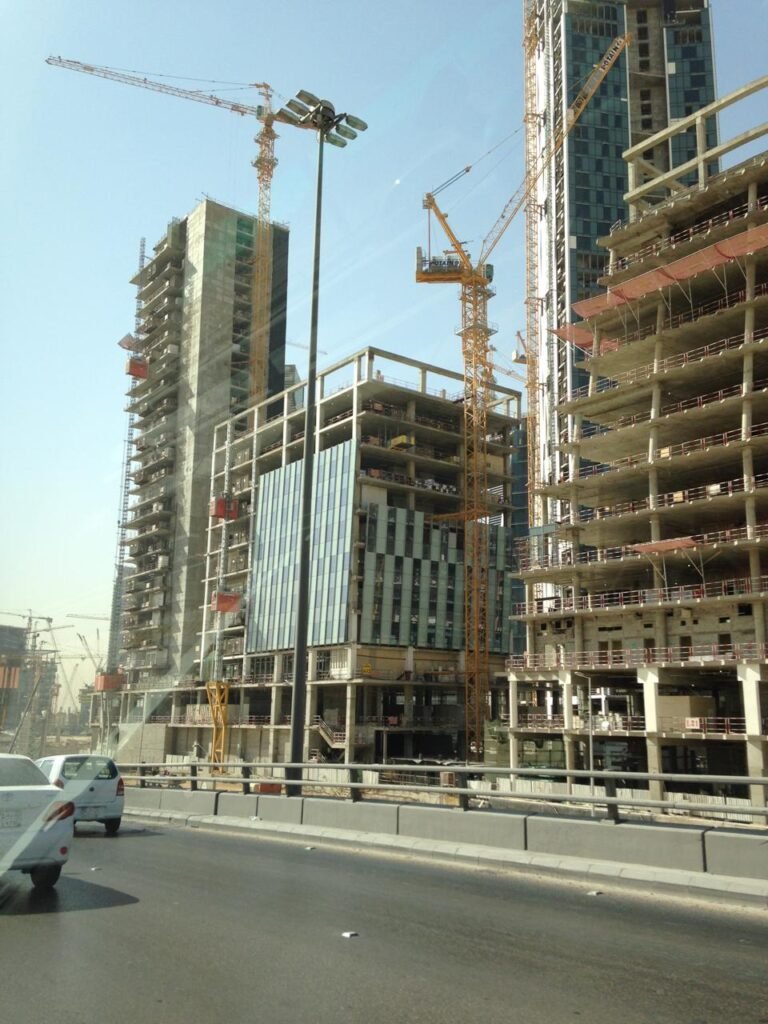
Valuation separates the highest and best use of the land as if vacant from its highest and best use as currently improved. An existing building may sit below what the land could carry, and the question becomes whether the gap in value justifies the cost of demolition and rebuilding. That comparison is exactly what separates a property to be held from one to be redeveloped, and it sits at the heart of redevelopment decisions in urban centres when what the land can bear exceeds what actually stands on it.
Why location makes value: bid-rent
In his 1964 book Location and Land Use, William Alonso explained how land value rises toward the centre because uses compete, bidding for a site in proportion to what proximity earns them. This logic explains why the optimal use of a plot downtown differs from one at the edge: not because the soil changed, but because the income the market will bear changed. Location is therefore an economic variable before it is a geographic coordinate, and reading it begins in the market, not on the map alone.
From optimal use to feasibility and valuation
Highest and best use is not the end of the chain but its beginning. Once identified, its feasibility is tested with discounted cash flow and the internal rate of return, then its value is translated into a figure through the accepted valuation approaches. This analysis therefore precedes the detailed reading of the site, as we set out in Site Appraisal Before Acquisition, and connects directly to The Financial Feasibility of a Real-Estate Project. A plot is priced twice: once by the best it can carry, and once by what is actually built on it, and the distance between the two is where the decision lives.
The Saudi context: when land is priced by its use
In the Kingdom, the white land tax turned highest and best use from an optional analysis into direct financial pressure: idle land inside an urban boundary carries an annual cost that pushes its owner toward productive development. This meets the global logic of highest and best use, since a society loses when land capable of housing or service sits idle awaiting speculation. The Saudi reading here is not a closed local exception but an early application of a principle real-estate economics has known for decades, framed within a declared urban policy.
Land is measured not by what it is but by what it can become
The architect who begins from form asks what shall we build; the one who begins from the land asks first what this land deserves to carry. Between the two questions lies the gap that separates a feasible project from a beautiful building that never recovers its cost. The best use of land is not the tallest or the most glittering, but the one that makes the site perform the most it can without promising what it cannot bear.
Sources: Appraisal Institute, The Appraisal of Real Estate; Alonso, W. (1964), Location and Land Use; RICS Valuation – Global Standards (Red Book).