The Distance a Building Pays for Every Day: Logistics and Sustainability
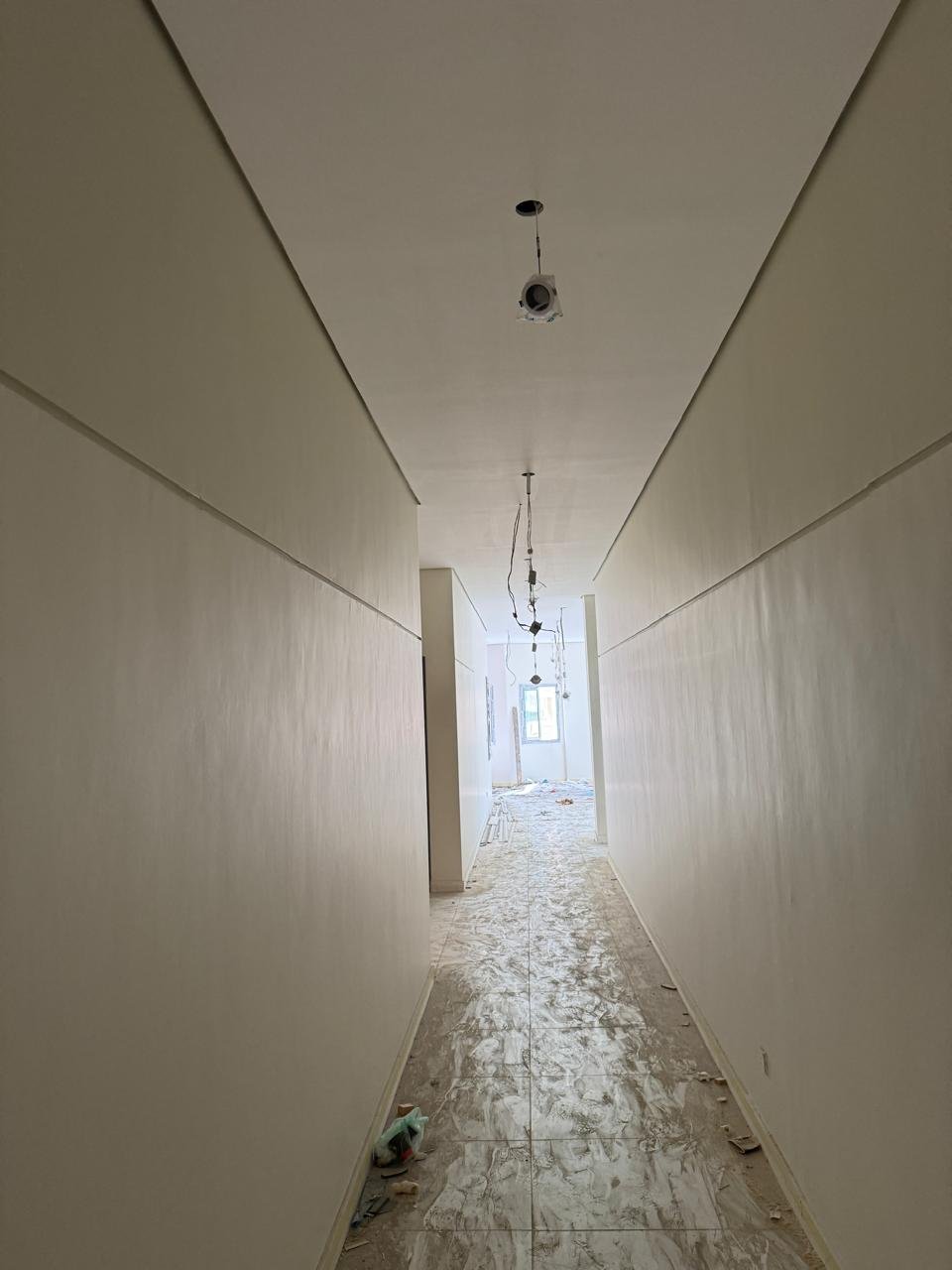
A corridor can look convincing in an architectural image while imposing extra work every day. The issue is not length alone, but how often it must be crossed, what is carried and what waits at the destination. Some distances are paid for during construction and then paid for again through every delivery, cleaning task and room changeover.
This applies across schools, offices, hotels, large homes and institutional buildings. It extends functional planning to the movement of objects and time. Relocating a small store may improve use more than enlarging circulation.
Draw the complete task
A line between a kitchen and a room does not describe loading, doors, lift waiting, unloading and return. A trolley may struggle to turn; a receiving area may have become temporary storage. The route needs to be understood as a complete task.
An illustrative calculation makes repetition visible. If a complete trip becomes 30 metres longer and occurs 80 times a day, it adds 2.4 kilometres of daily movement. This is not measured project data or a guaranteed saving, and it does not automatically represent electricity consumption. It shows how a small geometric decision can be amplified by repeated use.
Distance, waiting and handling
A route can improve without becoming shorter. Less lift waiting, fewer transfers between trolleys or a suitable receiving point may matter more than metres. Conversely, a shorter route can become slower through additional doors. Record movement time, waiting time and the number of handling operations together.
Return journeys deserve equal attention. Planning only inward delivery overlooks packaging, used equipment and other outward flows. Understand the full cycle, including temporary storage and appropriate separation between activities.
Centralisation is not automatically economical
A central store can simplify inventory control and avoid duplicated equipment, but may lengthen daily journeys to dispersed destinations. Distributed stores shorten some trips while adding area, inventory and management obligations. Neither arrangement is inherently sustainable.
A hybrid can be worth testing: a principal store with limited daily supplies near use. Size each point around replenishment frequency and the nature of its contents. Distributed service should not become an unexamined duplication of refrigeration, ventilation and equipment.
A room changes through the day
A room may host a morning meeting, afternoon training and an evening event. Multiple uses appear space-efficient, but each transition needs people, time, furniture and storage. If changeover consumes much of the day or leaves chairs in corridors, nominal flexibility becomes an operating burden.
The question is how many transitions the room can perform well. Test furniture movement, storage, equipment locations, cleaning and reset time. Useful flexibility needs support space, not just several labels on a plan.
Separate sustainability indicators
Reducing carrying and repetitive walking may improve working conditions without independently proving an energy saving. Lift operation, powered transport and opening conditioned areas require their own measurements and assumptions. Distinguish staff effort, service time, system consumption and additional floor area.
Nor should a route be shortened by sacrificing necessary separation or clear access. Sustainability is not the shortest line. Alternatives should consider comfort, resources, safety and operation alongside the site-specific judgement discussed in reading a site.
A movement record that can be tested
Record origins, destinations, frequency, loads, transport method, peaks and obstacles. Begin with the most repeated or disruptive tasks. After occupation, compare assumptions with actual use as part of learning from the building after handover.
Additional distance is not always a mistake: it may protect privacy or enrich an arrival. Repeated distance without corresponding value deserves scrutiny. Buildings pay for it through people’s effort, time and resources, even when it disappears from the photograph.