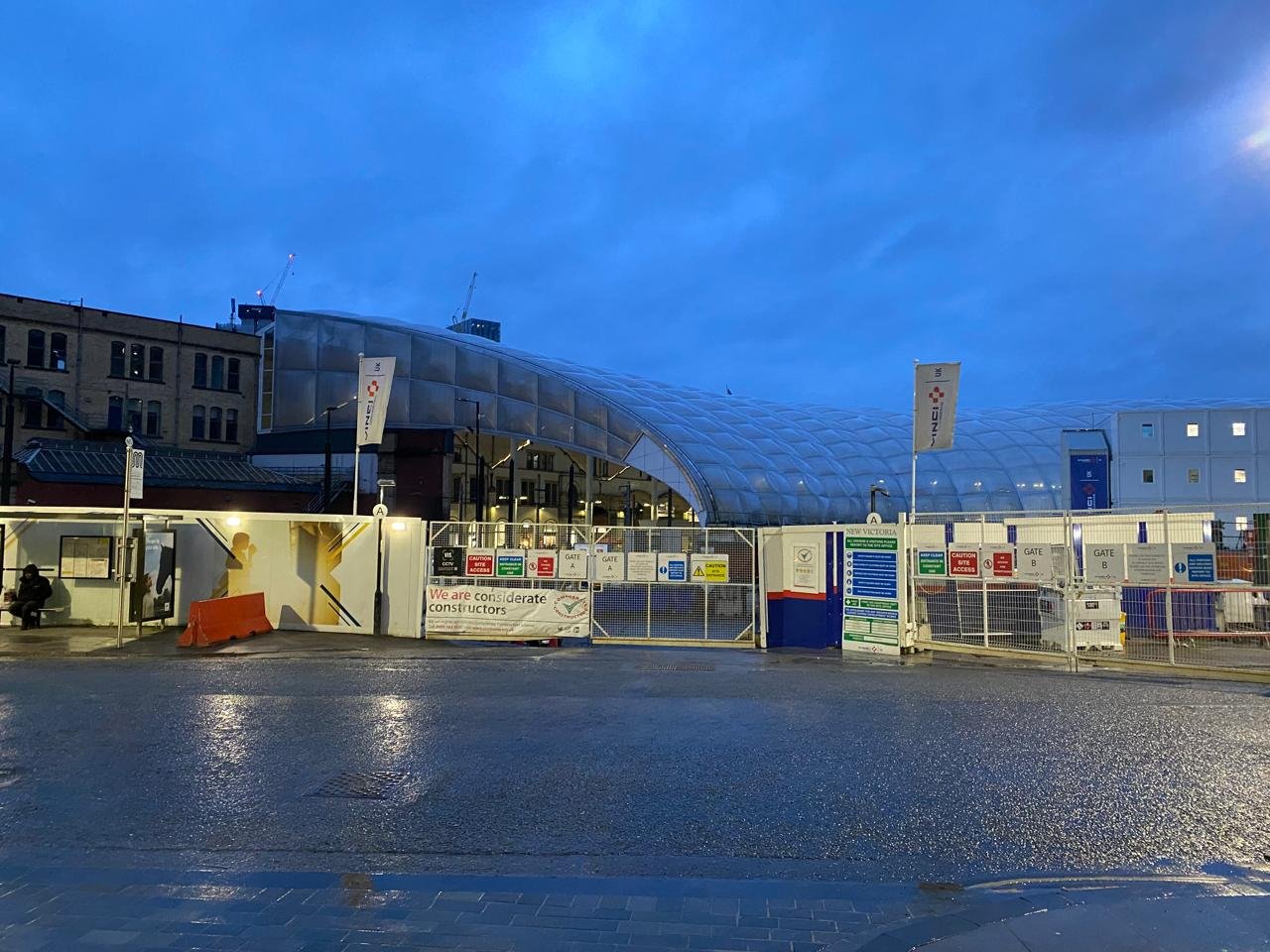
The Hoarding as a City’s Temporary Facade
Before a building rises by a single meter, a wall rises around it. A sheet of plywood, a run of corrugated metal, a printed plastic panel: the hoarding is set along the edge of the lot and separates the work from the movement of the street. Passers-by walk past it every morning without reading it as architecture, yet it is the first facade a project offers the city, and sometimes its longest lasting. Seen through field photography gathered by the INJ Architects team across several cities, the construction hoarding reads as less than a building and more than a barrier: it is the temporary facade a city wears while it remakes itself.
The Wall That Comes Before the Building
The barrier around a construction site is not a marginal detail of the building process. It is the first element the passer-by meets. Its stated purpose is regulatory and protective: it keeps people out, it holds back some of the dust and noise, it marks the contractor’s responsibility for the ground being occupied. Yet its urban effect runs wider. With a hard, temporary line it redraws the boundary between what is public and what has become a closed site, and it changes, for a while, the shape of a block people were used to crossing.
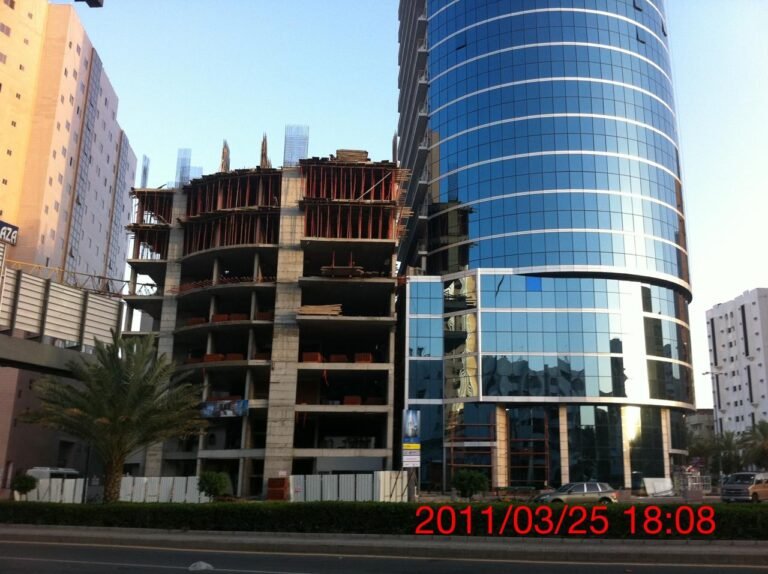
In cities with a high rate of construction, this temporary line becomes part of the daily scene rather than an exception to it. In Riyadh and Jeddah, where projects accelerate under the transformations of Vision 2030, hoardings line entire districts until they almost form a second street wall standing in front of the permanent one. What a hoarding conceals is often as telling as what a finished elevation shows, a theme traced in What Construction Reveals, where the open site becomes a record of how a building is actually made.
When the Hoarding Becomes a Surface for the City
As soon as the barrier is up, its surface turns into a visual field that rarely stays silent for long. It carries renderings of the awaited project, the developer’s logo, commercial advertising, and at times painted murals that turn a work barrier into a visual piece in its own right. In many large cities these walls have become a billboard the length of the street, competing with the permanent facades for the attention of whoever walks by.
What stands out is that the image most often printed on these walls is the building that will replace them. A viewer stands before a barrier hiding a field of earth while the same surface shows a polished picture of the future. The hoarding plays a double role: it hides a disorderly present and displays the promise of what comes after completion, becoming a mediator between two moments at once.
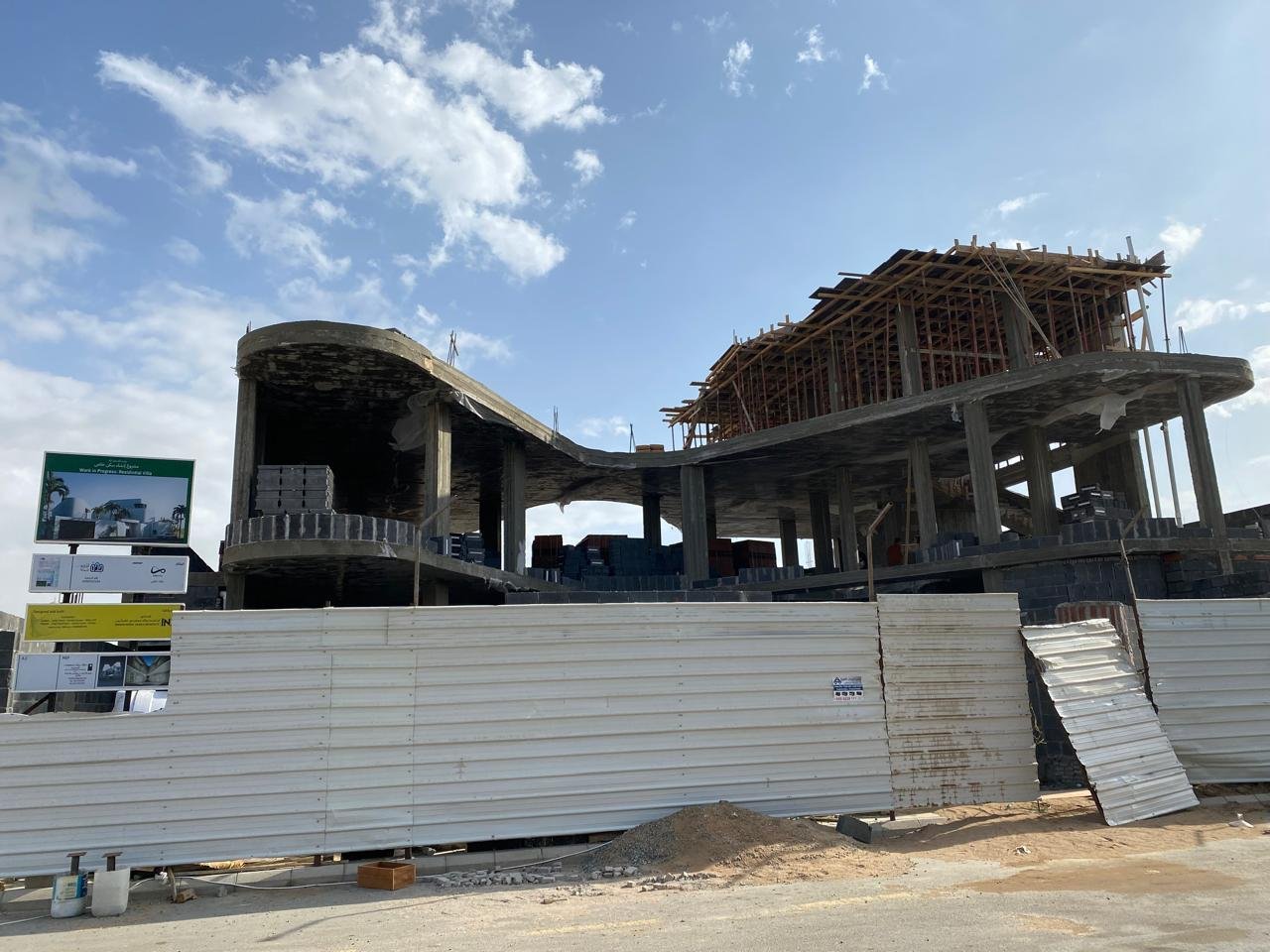
The Pedestrian Edge
The hoarding has a side its printed images do not advertise: its relationship with people on foot. It often swallows part of the sidewalk, narrowing the crossing or pushing walkers into a temporary covered passage beneath the scaffold. Here the quality of site management is tested. Is there still a safe and continuous path for pedestrians, or does the sidewalk simply end at the edge of the site? The way a project treats its temporary edge reveals its respect for public space long before its construction is complete.
In cities that place pedestrians at the center of their planning, this edge is governed by precise requirements: a minimum width for the passage, night lighting, a level surface, clear wayfinding. Where the matter is left to chance, the hoarding turns from a protective barrier into an obstacle that forces the walker toward the edge of the road. The difference between the two is not measured by the cost of the wall but by a design decision taken before it is ever installed.
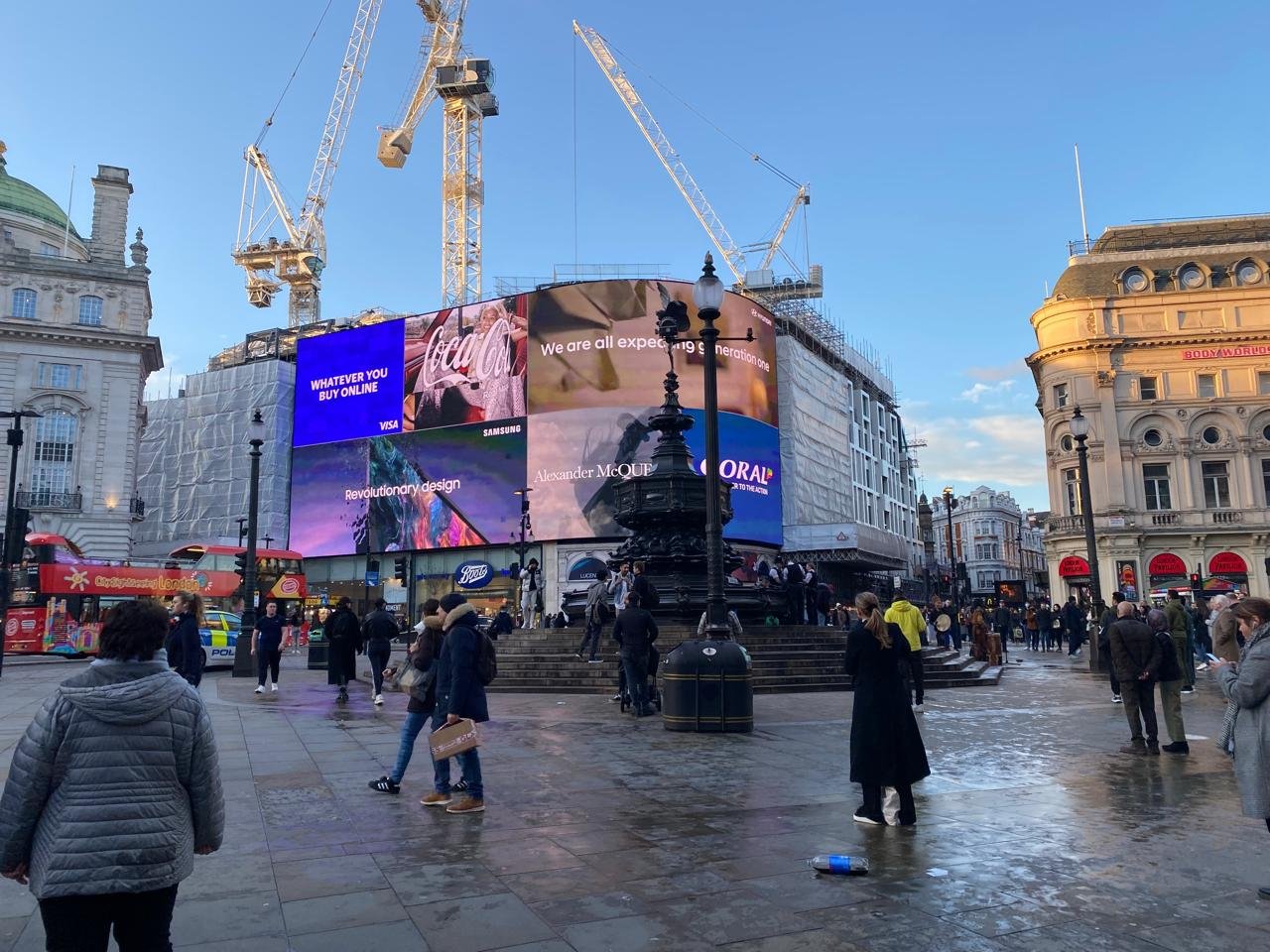
What the Wall Hides and What It Announces
The construction hoarding lives on a paradox: it hides and announces at the same time. Behind it lie an excavation, rubble, and the movement of machines that it would not do to display, yet it announces to the neighborhood that capital, investment, and change are underway here. A dense presence of hoardings in an area is a sign of an economy on the move, and their sudden absence after a few years is a quiet announcement that the city has reached a new stage. This reading of temporary interventions in the urban fabric sits close to the argument in tactical urbanism, where small and provisional moves reshape how a street is used.
Because it is temporary by nature, the hoarding is rarely treated as architecture worth designing. Yet cities that have grasped its visual weight have begun to set conditions for it: print quality, a ban on degraded advertising, space reserved for local art or for project information. When the wall is designed with awareness, it shifts from a temporary scar in the fabric of the street to a legible chapter in the biography of a place as it changes.
The Hoarding as a Temporary Promise
The construction hoarding is not an architectural void we wait to see removed. It is the first phase in the life of a building, the moment at which a city declares its intention before it is able to prove it. Whoever reads a city well does not wait for facades to be finished in order to judge its direction; they read its temporary walls as an index of what is coming. Every permanent facade was once a temporary hoarding that promised it, and a city that designs its temporary promises well tends, more often than not, to keep them.