Open Plan Offices vs Cellular Offices
Compare open plan and cellular offices through real tasks, privacy, acoustics, space and cost, including the conditions a mixed workplace needs to succeed.

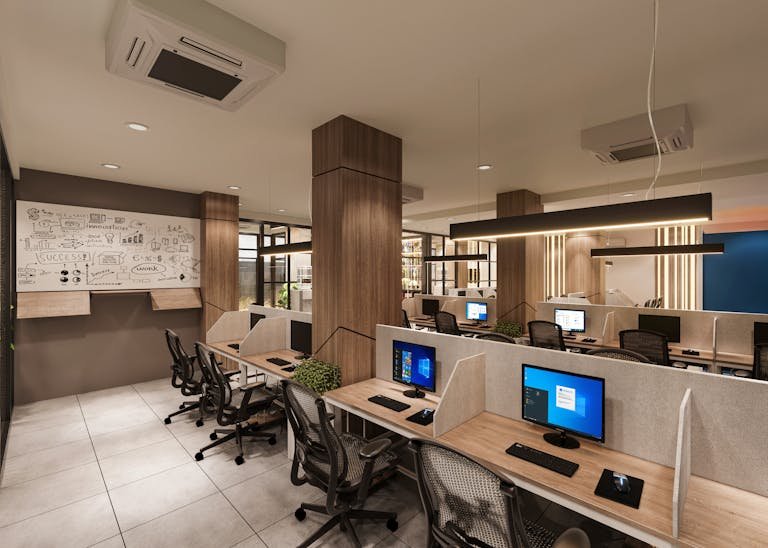
Compare open plan and cellular offices through real tasks, privacy, acoustics, space and cost, including the conditions a mixed workplace needs to succeed.
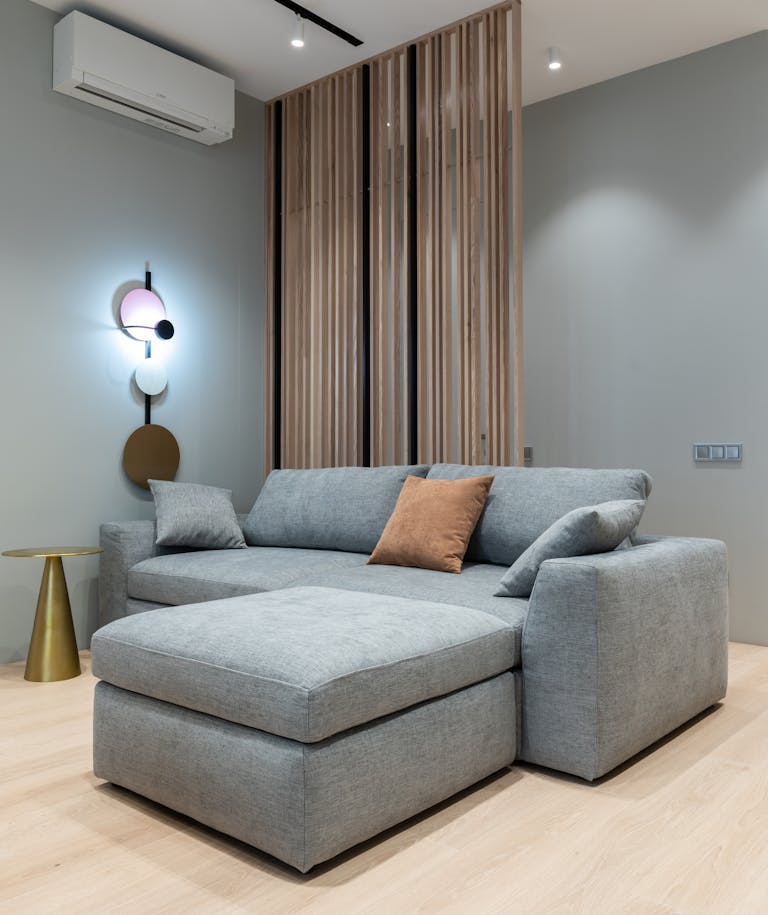
Modular Seating systems vs traditional sofas: structural and ergonomic differences, adaptability, floor efficiency and long-term comfort in homes and offices.
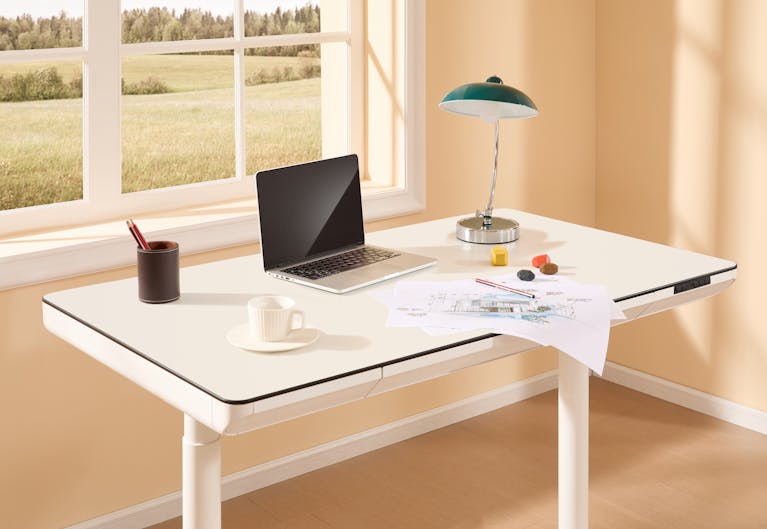
Adjustable Standing Desks vs fixed desks: an ergonomic comparison of posture flexibility, stability, productivity and cost to guide workspace furniture choices.

Gravity-Shifted Interiors reorient furniture and storage vertically, horizontally or diagonally so small apartments, studios and offices become adaptable.

Diplomatic buildings operate under strict protocols that balance sovereignty with daily function. We examine how embassies and consulates meet both demands.

Attaché office, embassy and consulate differ in political function, public access and architecture. This article explains each role and its design implications.

Modern office interiors shape productivity, wellbeing and company identity. This article outlines strategies for lighting, layout, acoustics and collaboration.

Futuristic workspaces prioritise flexibility, technology and well-being. How office interior design has evolved and how it shapes productivity and creativity.

Designing Home Offices for productivity: choosing the right location, ergonomic furniture, lighting and layout to separate work from home life.

Retail in the Sports industry has shifted to immersive stores; how Nike and Reebok use spatial storytelling to express brand identity and local culture.
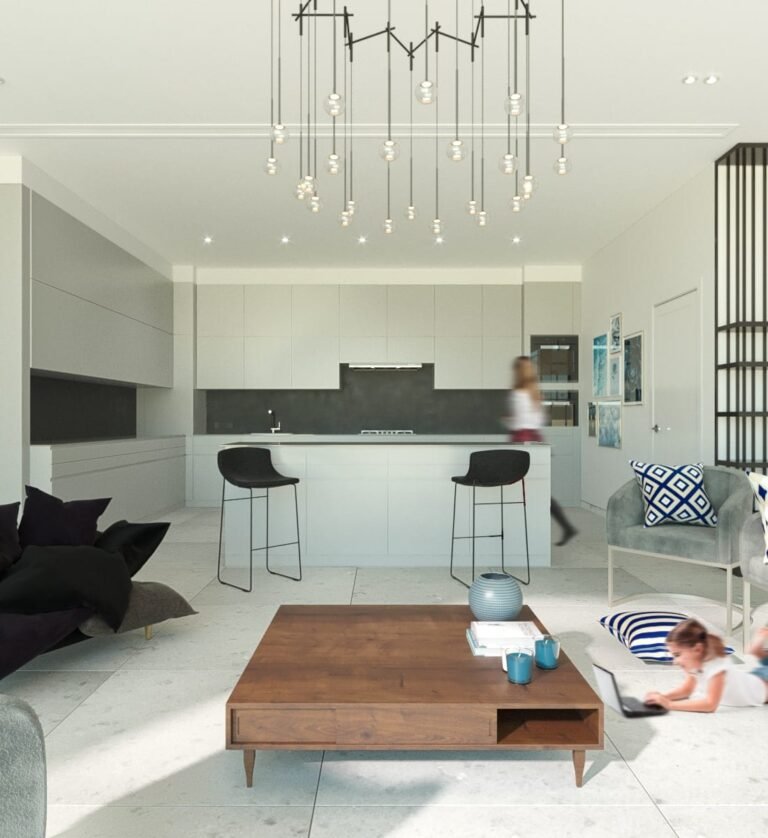
Designing for Mental Health examines how natural light, calming spaces and social connection in buildings reduce stress and support occupant wellbeing.

Home office design tips for remote work: ergonomic furniture, layout, lighting and storage choices that support productivity, comfort and personal style.

Architecture and interior design shape our daily lives, from the homes we live in to the buildings we work in; this article examines how each shapes experience.
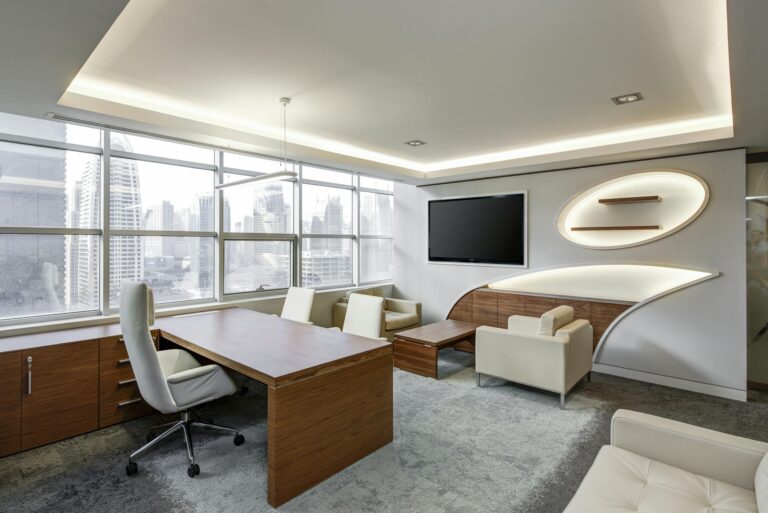
Office interior design trends shaping the modern workplace, from biophilic elements and natural light to flexible workspaces for hybrid and remote work.

Emotional design in interior spaces uses colour, light, texture and layout to evoke specific feelings. This article explains its principles and benefits.
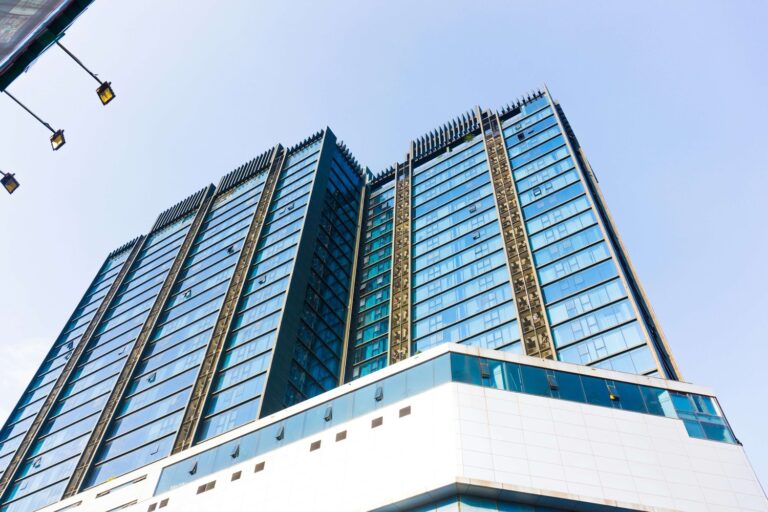
BIM in prefabrication: how Building Information Modeling streamlines communication, collaboration and quality in prefabricated construction projects.
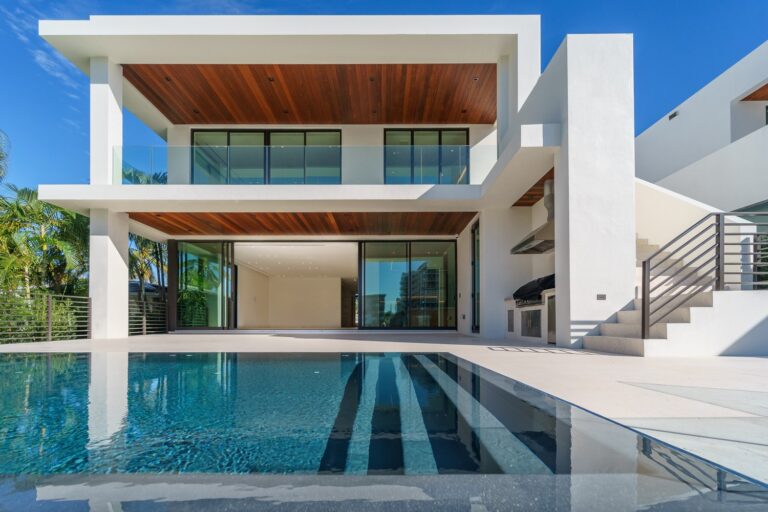
Smart home designs for a better quality of life: modern concepts that improve comfort, ease and eco-friendliness, from lateral opening doors to bedroom layouts.
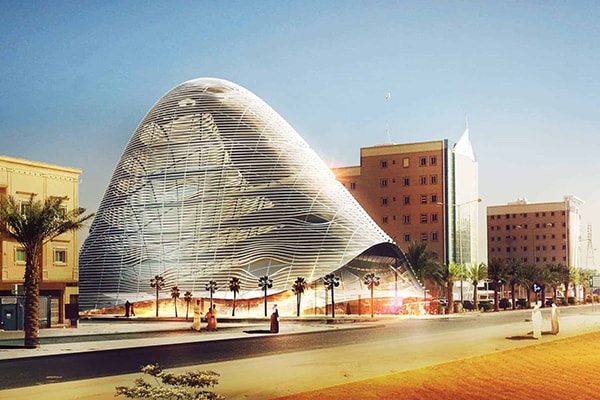
Designing buildings that are accessible to people with special needs: why access begins in the main design process, covering movement, orientation and use.

The role of architectural design in mental health: how light, noise, shared and artistic spaces affect well-being, and what research says about good design.
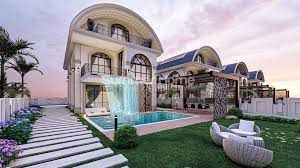
Crafting Spaces that Inspire: how architecture provides the canvas and interior design the detail, and how the two disciplines combine to create meaning.

The best ideas for designing a clothes closet in the laundry room: cabinets that hide clutter, hold every essential and stay as elegant as they are functional.

INJ celebrates its 15th anniversary with a new logo, tracing its evolution from the 2008 golden-unit design to the refined identity unveiled today.
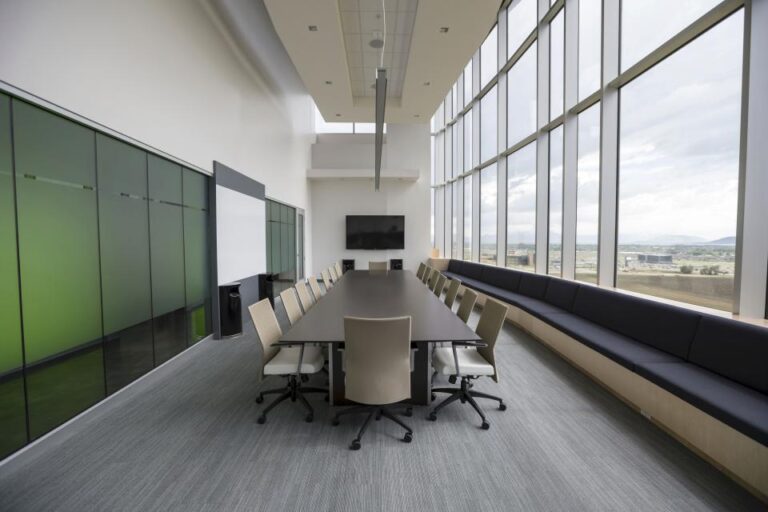
Coworking spaces versus shared workspaces: how the two differ in vision, membership goals and business needs, and why no single model suits every firm.
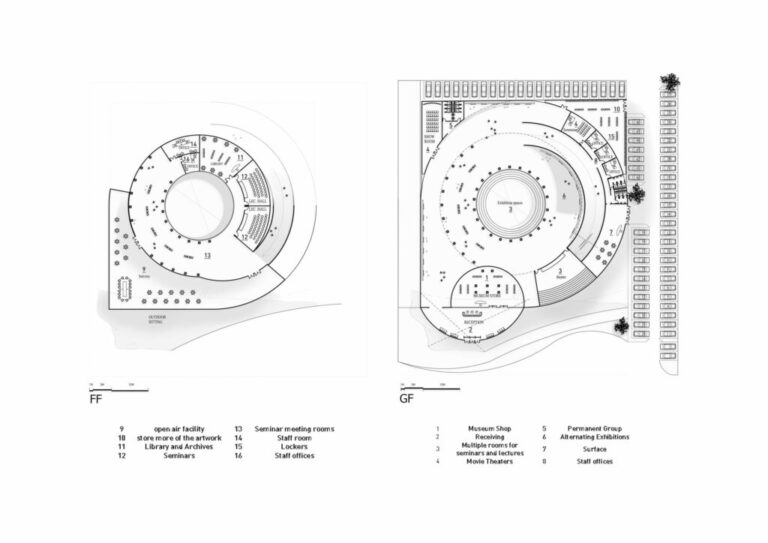
The study of planning: how a building’s configuration, beginning with ceiling height, influences the way occupants think, feel and behave inside it.

Architects change the way we live in five ways: leaving lasting landmarks, shaping the spaces of daily life, and influencing people and the planet for good.
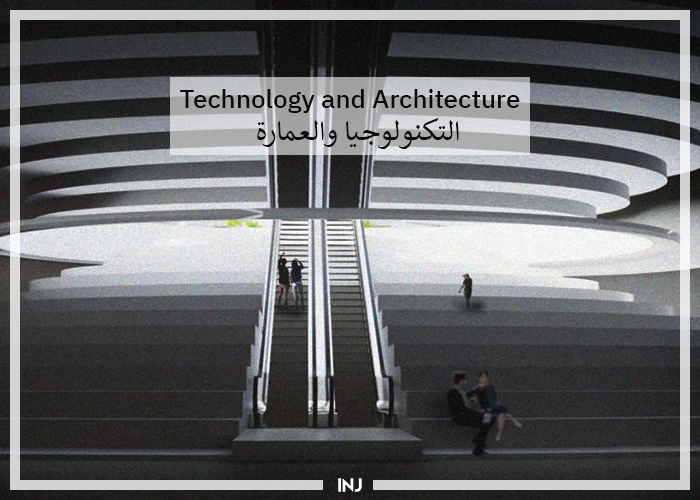
Technology and architecture: how advanced technology is changing architectural and interior design, the ideas it makes possible and its impact on practice.