During Climate Week, Why Sustainability Must Be Different in Every City
Climate Week raises an architectural question: why must every city define sustainability through its own climate, resources and patterns of life?

Articles on sustainability, climate response, energy use, environmental performance, and responsible building design.
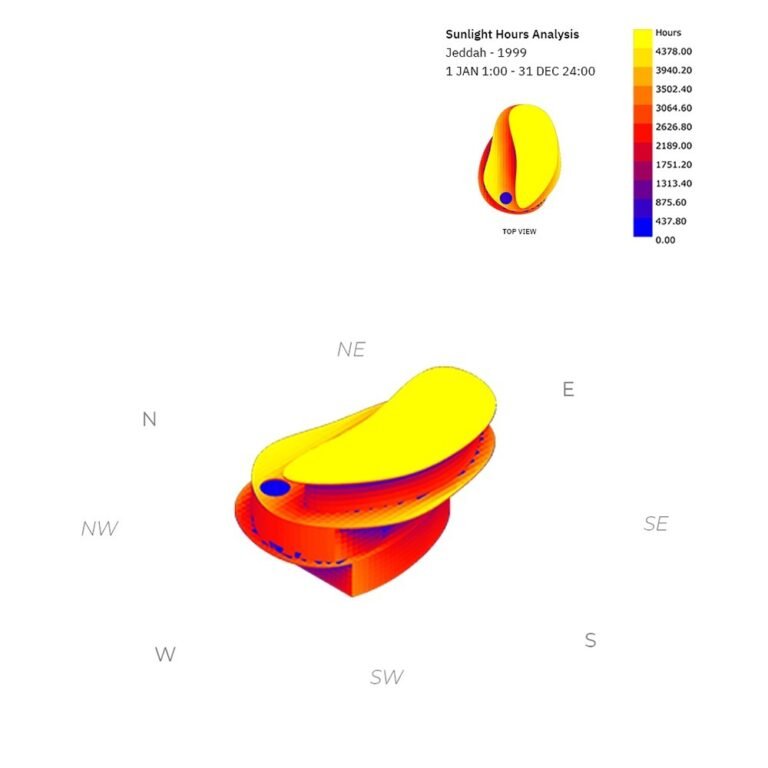
Climate Week raises an architectural question: why must every city define sustainability through its own climate, resources and patterns of life?
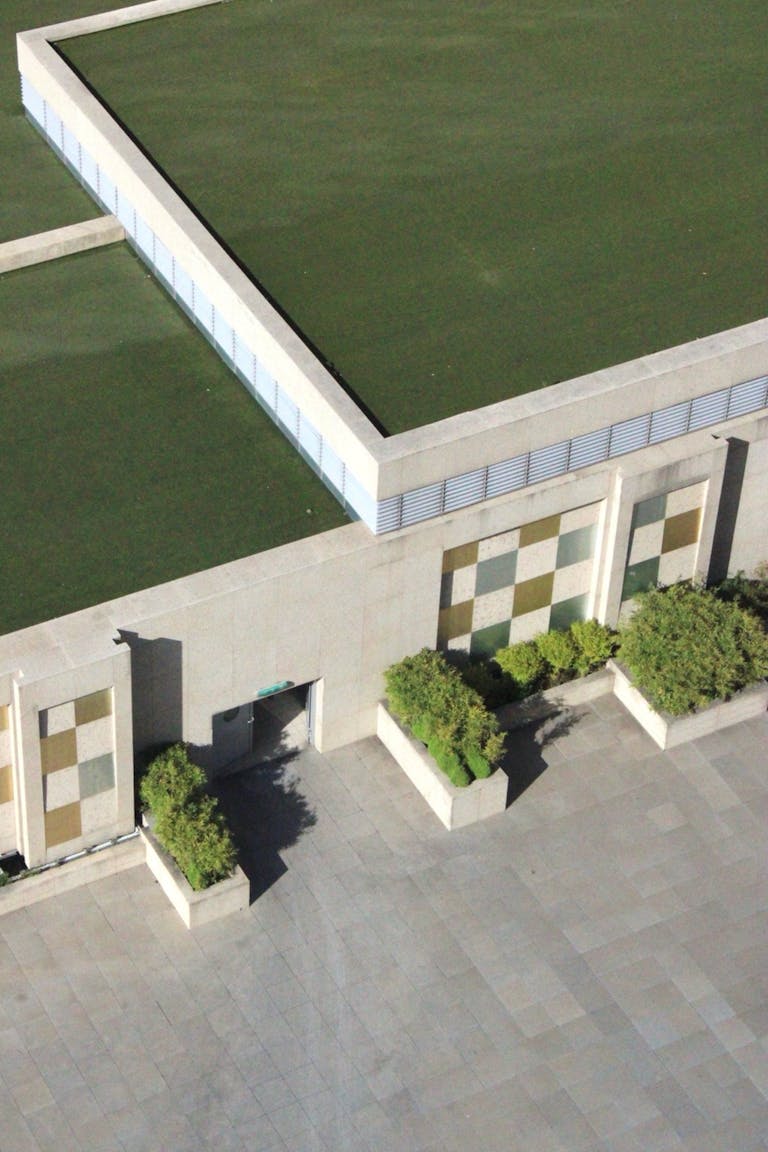
Compare green and traditional roofs through thermal performance, drainage, saturated loads, maintenance and cost, with attention to hot and dry conditions.

Energy-Efficient Windows explained: double vs triple glazing, frame materials, coatings and smart glass, and how each layer affects comfort and energy demand.

Natural vs Artificial Lighting: a comparison of how each affects mood, productivity, energy use and health, with guidance on applying both in interior design.

Sustainable diplomacy is expressed through green embassy design. We explore energy, water and material strategies that make consulates environmental statements.

Architecture in arid and windy climates must handle dust, intense sun and wide temperature swings. We cover materials, forms and systems that endure extremes.

Technology in sustainable architecture improves building performance and reduces environmental impact. The innovations shaping energy-efficient design.

Circular architecture replaces the linear build-and-demolish model with reuse, adaptability and zero waste. Its principles, benefits, challenges and examples.

Climate Mobilization Act, enacted in New York in 2019, sets strict emissions limits for large buildings. Its implications for architecture and development.

Sustainable architecture minimises environmental impact through energy-efficient materials, passive design and water stewardship. Why it is the future.

Reusing resources in construction cuts project costs and environmental impact. The economic and ecological benefits of reclaiming building materials.
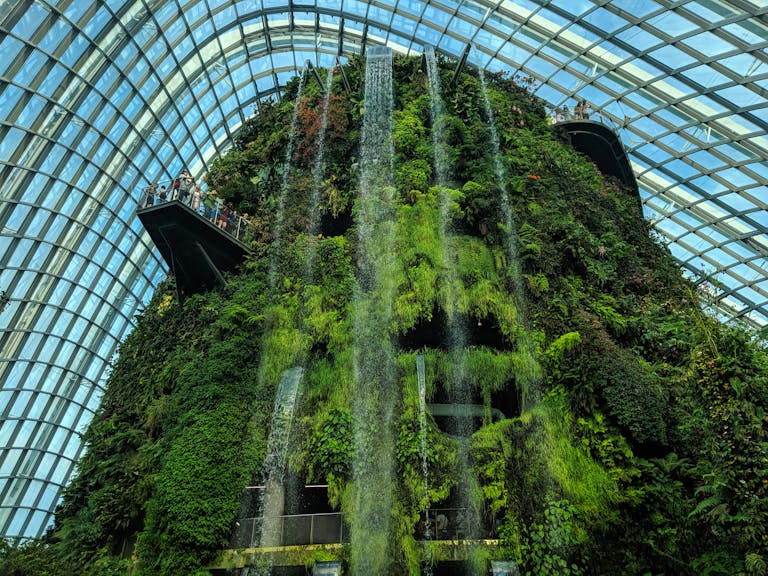
Sustainability certifications in architecture, from LEED to zero carbon standards, benchmark green building practice. How each scheme shapes design worldwide.

Desert Architecture responds to heat, sun, dust and scarce water through compact massing, shaded openings, thermal mass and durable, efficient materials.

Sustainable Construction using recycled materials: how reclaimed concrete, aggregate and other inputs conserve resources and support a circular economy.

Circular Economy in Construction applies lifecycle thinking to design, minimising waste and maximising resource efficiency from materials to demolition.
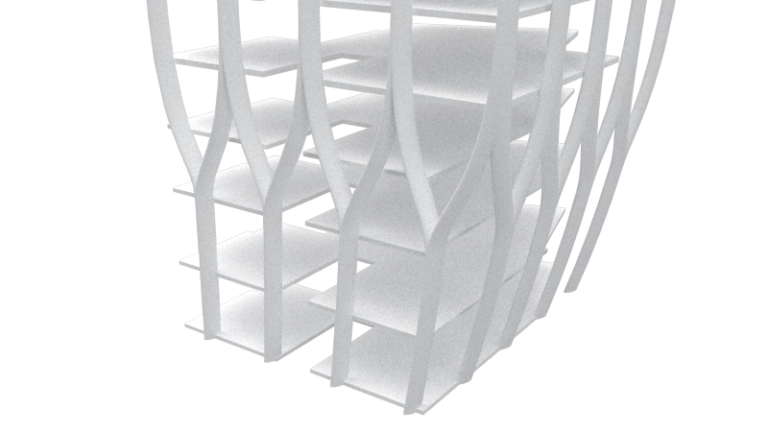
Dynamic Facades adapt to environmental conditions and user needs, managing energy consumption while strengthening the visual identity of a building.

Smart Systems in Energy Management combine sensors, automated controls and analytics to monitor and reduce energy use in commercial and residential buildings.

Energy-Efficient Home design strategies: glazed windows and insulated doors, Low-E coatings, insulation and systems that cut utility bills and emissions.

Sustainable Skyscrapers reduce the environmental cost of building tall through recycled steel, low-carbon concrete, green insulation and efficient systems.

Generative Design uses computational algorithms to explore many options and optimise urban spaces for sustainability, energy efficiency and function.

Sustainable Luxury redefines high-end design through quality, craftsmanship and environmental responsibility, blending opulence with eco-conscious choices.
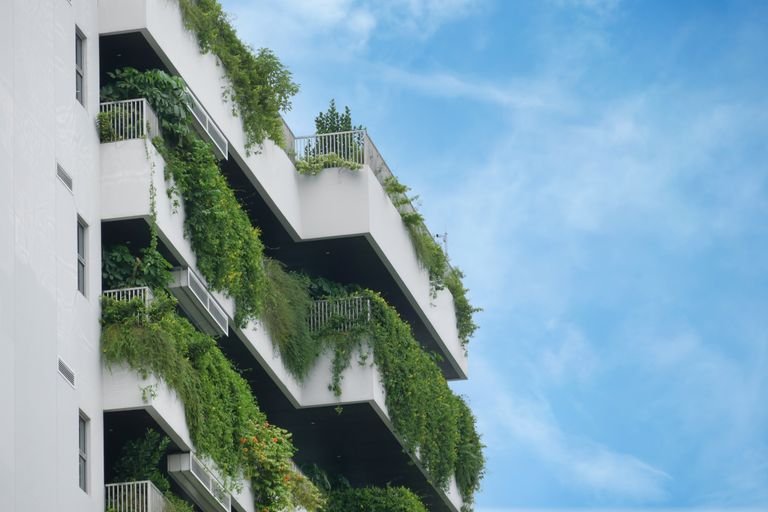
Sustainable Landscaping designs outdoor areas to conserve water, reduce waste and support biodiversity; a guide to eco-friendly planning and plant choices.
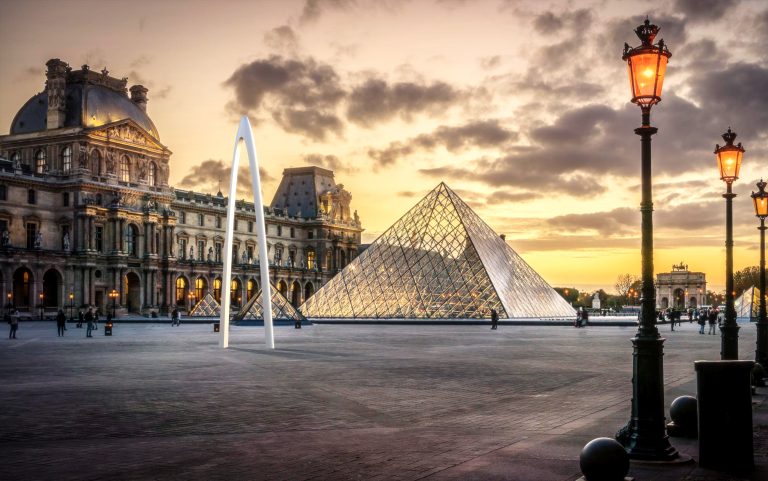
Circular Economy in Architecture replaces the linear take-make-dispose model with buildings designed for disassembly, reuse and recycling across their lifetime.

Zero Net Energy (ZNE) Buildings generate as much energy as they consume each year; this article explains the concept and the design strategies behind it.
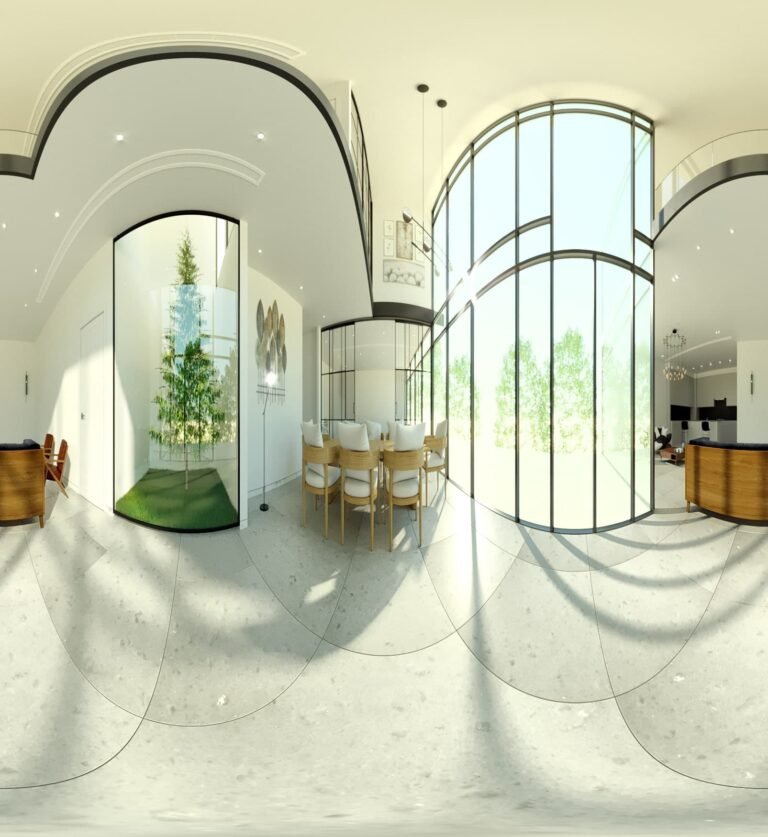
Eco-friendly homes are on the rise; this article covers the main trends, from sustainable materials and advanced insulation to solar panels, and their benefits.

Sustainability and high-end design meet in eco-luxury: sustainable materials, energy-efficient technology and eco-conscious practice without sacrificing style.

Eco-friendly interior design strategies for a sustainable, stylish home: bamboo, reclaimed wood and low-impact practices that reduce your footprint.

Sustainable materials in interior design, from recycled and upcycled wood, glass and metal to innovative eco-friendly products shaping greener interiors.

Sustainable architecture in the Middle East has evolved from wind towers and courtyard houses to modern green building; this article traces that journey.

Sustainable materials in interior design: their environmental and health benefits, durability, and examples of innovative use in homes and commercial projects.