Green Roofs vs Traditional Roofs
Roof systems are no longer viewed only as protective coverings. In modern architecture and urban planning, roofs are increasingly expected to contribute to environmental performance, thermal comfort, and long-term building efficiency. Two common approaches are green roofs and traditional roofs. While both protect the structure from weather, they differ significantly in how they manage heat, water, maintenance, and lifecycle value.
Green roofs incorporate vegetation, growing media, drainage layers, and waterproofing systems. Traditional roofs typically rely on membranes, tiles, metal sheets, shingles, or concrete surfaces without planted layers. Each option has strengths depending on climate, building type, structural capacity, and budget.
Understanding the practical differences between these systems helps owners, designers, and developers choose the right roof strategy.
What are Green Roofs
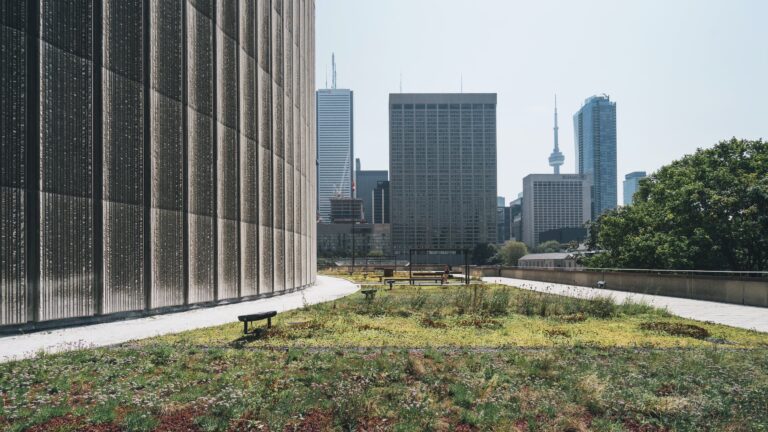
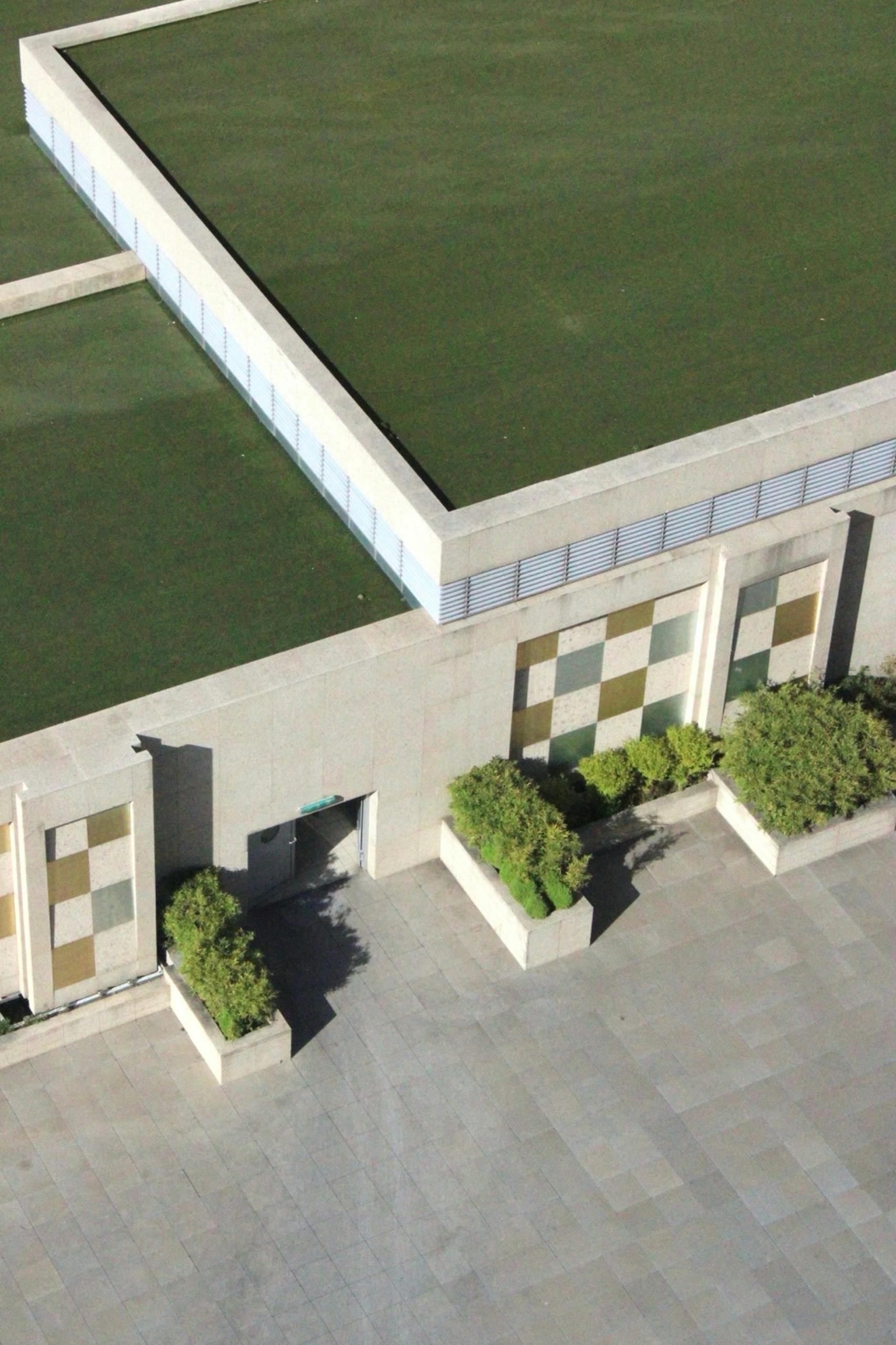
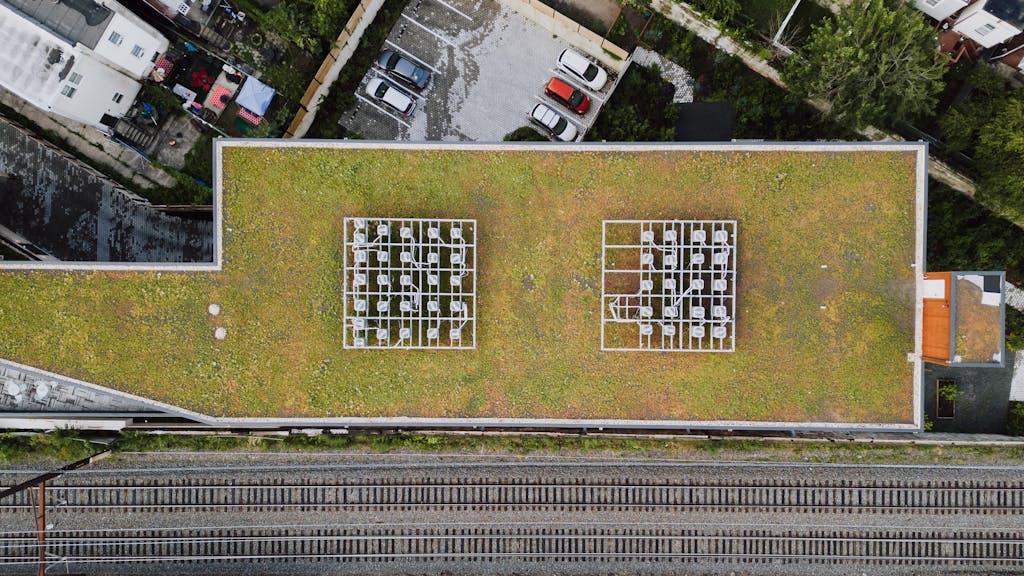
A green roof is a roof assembly that includes vegetation planted over a waterproof membrane. Systems may be extensive, with shallow soil and lightweight planting, or intensive, with deeper soil capable of supporting gardens or larger plants.
| Characteristic | Green Roofs |
|---|---|
| Surface type | Vegetated |
| Thermal behavior | High insulation potential |
| Water management | Strong retention |
| Visual impact | Natural and landscaped |
| Structural load | Higher |
Green roofs are increasingly used in urban developments, institutional buildings, and sustainable residential projects.
What are Traditional Roofs
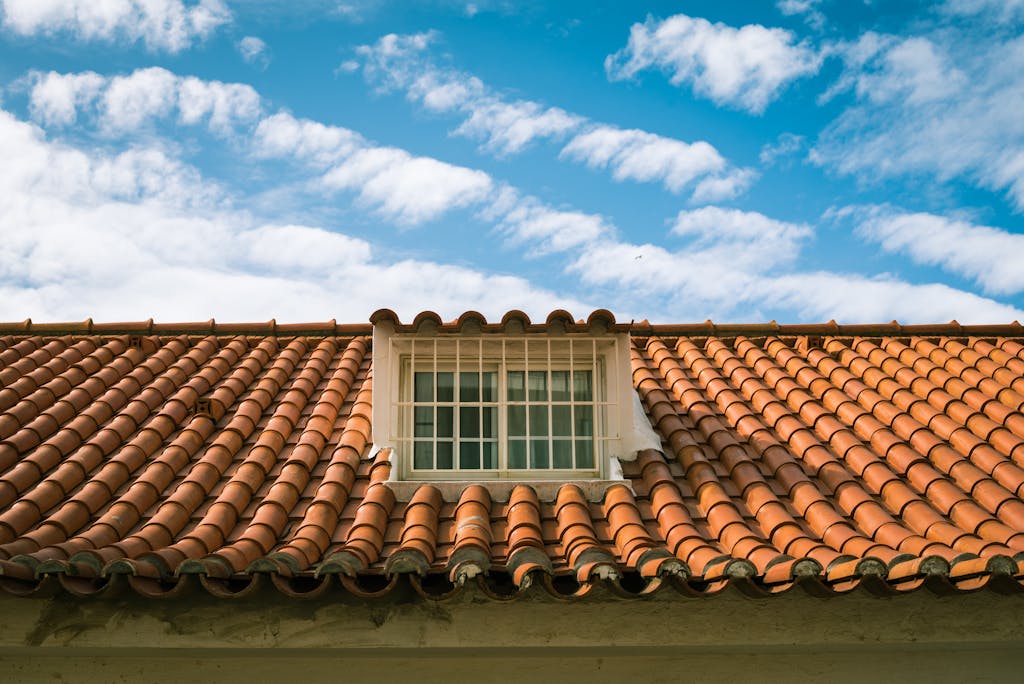
Traditional roofs use conventional materials such as concrete slabs, tiles, metal panels, bituminous membranes, or shingles. Their main function is to protect the building envelope from weather and provide a durable external surface.
| Characteristic | Traditional Roofs |
|---|---|
| Surface type | Hard finished surface |
| Thermal behavior | Depends on insulation layer |
| Water management | Direct drainage |
| Visual impact | Conventional |
| Structural load | Lower to moderate |
Traditional roofs remain the most common option due to simpler construction and lower initial complexity.
Insulation Performance
Thermal performance is one of the biggest advantages often associated with green roofs.
| Insulation Factor | Green Roofs | Traditional Roofs |
|---|---|---|
| Heat gain reduction | High | |
| Surface temperature control | Strong | |
| Indoor temperature stability | High | |
| Dependence on added insulation | Moderate | |
| Summer performance | Excellent |
Vegetation and soil layers reduce solar heat absorption and slow heat transfer into the building. Traditional roofs can also perform well, but they usually require dedicated insulation materials and reflective finishes to match similar results.
Stormwater Management
Managing rainfall is increasingly important in dense urban areas where drainage systems can become overloaded.
| Water Factor | Green Roofs | Traditional Roofs |
|---|---|---|
| Rainwater retention | High | |
| Runoff speed | Slow | |
| Peak drainage load | Reduced | |
| Water quality improvement | Moderate | |
| Flood mitigation value | Strong |
Green roofs absorb and delay stormwater release, reducing pressure on municipal drainage systems. Traditional roofs usually shed water quickly into gutters and drains.
Maintenance Requirements
Maintenance differs substantially between these roof types.
| Maintenance Factor | Green Roofs | Traditional Roofs |
|---|---|---|
| Routine inspection | High | |
| Cleaning debris | Moderate | |
| Irrigation need | Climate dependent | |
| Vegetation care | Required | |
| Surface repair access | More complex |
Green roofs need ongoing plant care, drainage checks, and monitoring of waterproofing performance. Traditional roofs generally need less frequent maintenance, though membranes and sealants still require periodic inspection.
Cost Comparison
Initial cost and long-term value should both be considered.
| Cost Factor | Green Roofs | Traditional Roofs |
|---|---|---|
| Initial installation | Higher | |
| Structural reinforcement potential | Sometimes needed | |
| Maintenance cost | Moderate to high | |
| Energy savings potential | Higher | |
| Lifecycle value | Strong in many cases |
Green roofs usually cost more upfront because of layered systems, waterproofing quality, drainage components, and structural considerations. However, energy savings and membrane protection can improve long-term value.
Roof Lifespan and Durability
Durability depends on design quality and maintenance discipline.
| Durability Factor | Green Roofs | Traditional Roofs |
|---|---|---|
| UV protection of membrane | Excellent | |
| Exposure to thermal cycling | Reduced | |
| Risk of root damage | Must be controlled | |
| Surface weathering | Lower visible wear | |
| Lifespan potential | High if maintained |
Because vegetation shields the membrane from sunlight and temperature extremes, green roofs can extend waterproofing lifespan when correctly installed.
Urban and Environmental Benefits
Green roofs provide benefits beyond the individual building.
| Urban Factor | Green Roofs | Traditional Roofs |
|---|---|---|
| Urban heat island reduction | High | |
| Biodiversity support | Moderate | |
| Air quality contribution | Some benefit | |
| Usable amenity space | Possible | |
| Visual greening | High |
Traditional roofs generally do not provide these environmental co-benefits unless combined with solar panels or reflective coatings.
When Green Roofs Work Best
Green roofs are ideal when
- Stormwater control is a planning priority
- Energy efficiency goals are important
- Structural design can support added load
- Urban greening or amenity space is desired
- Long-term lifecycle value matters more than lowest upfront cost
They are especially effective in dense cities seeking sustainability improvements.
When Traditional Roofs Work Best
Traditional roofs are better suited when
- Initial budget is limited
- Structural capacity is constrained
- Maintenance resources are minimal
- Construction speed is important
- Climate or building use does not justify complex systems
They remain practical for many residential, industrial, and low-maintenance projects.
Hybrid Approaches
Many buildings combine strategies. A roof may include partial green roof zones with conventional roofing elsewhere. Others combine green roofs with solar panels, creating both ecological and energy benefits.
This selective approach can balance budget, structure, and performance.
Conclusion
Green roofs and traditional roofs each solve different priorities. Green roofs excel in insulation performance, stormwater management, membrane protection, and environmental value. Traditional roofs offer lower upfront cost, simpler construction, and easier maintenance.
The best choice depends on project goals, structural capacity, climate, and ownership strategy. For many modern developments, the most effective solution is not choosing one exclusively, but integrating both systems where each performs best.
Summary
Green roofs and traditional roofs represent two different approaches to building performance and long-term efficiency. Green roofs incorporate vegetation, soil, drainage layers, and waterproofing systems, providing strong insulation, reduced heat gain, effective stormwater management, and environmental benefits such as urban cooling and visual greening. They often require higher upfront costs, greater structural capacity, and ongoing maintenance, but can deliver strong lifecycle value through energy savings and longer membrane protection. Traditional roofs, made from materials such as concrete, tiles, metal, or membranes, remain the more common option due to lower installation costs, simpler construction, and easier maintenance. While they can perform well with added insulation and reflective finishes, they do not offer the same ecological benefits as green roofs. In many modern projects, combining both systems creates a balanced solution that improves performance while controlling cost and complexity.