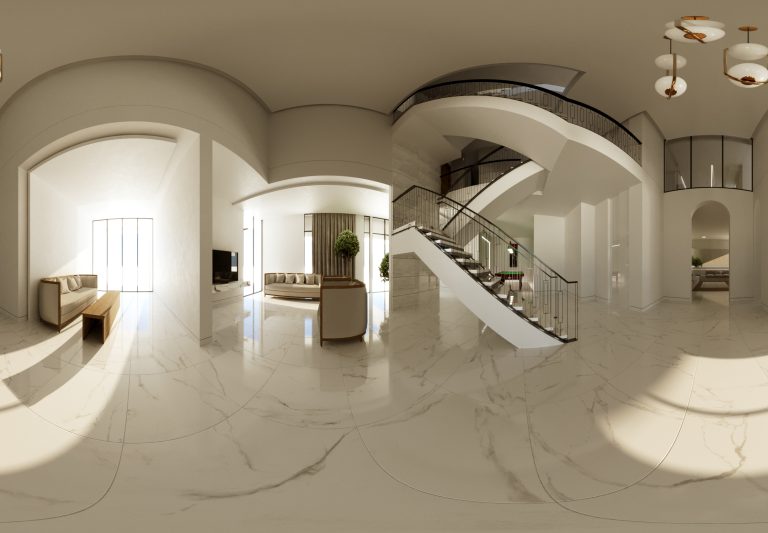

Large Windows vs Smaller Windows
Windows are among the most influential elements in architectural design. They affect daylight quality, indoor comfort, exterior appearance, ventilation potential, and the relationship between interior and exterior spaces. One of the most common design decisions is whether to use large windows or smaller windows.
Large windows are often associated with modern architecture, open views, and bright interiors. Smaller windows are traditionally valued for privacy, thermal control, and structural simplicity. Neither option is universally better. Performance depends on climate, orientation, building use, glazing quality, and design strategy.
Understanding the trade-offs helps homeowners, architects, and developers make better decisions.
What are Large Windows
Large windows generally refer to openings with substantial width or height, often extending close to floor level or spanning major wall sections.
| Characteristic | Large Windows |
|---|---|
| Daylight entry | High |
| View connection | Strong |
| Visual impact | Dramatic |
| Structural interruption | Greater |
| Privacy exposure | Higher |
Large windows are common in contemporary homes, offices, towers, and buildings with scenic views.
What are Smaller Windows
Smaller windows are more limited openings placed strategically for light, ventilation, and controlled views.
| Characteristic | Smaller Windows |
|---|---|
| Daylight entry | Moderate |
| View connection | Selective |
| Visual impact | Subtle |
| Structural interruption | Lower |
| Privacy exposure | Lower |
They are common in traditional architecture, dense urban settings, and climates requiring heat control.
Natural Light Performance
Daylight quality is one of the biggest differences between the two approaches.
| Light Factor | Large Windows | Smaller Windows |
|---|---|---|
| Total daylight volume | High | |
| Depth of light penetration | Strong | |
| Sky visibility | High | |
| Need for daytime electric lighting | Lower | |
| Risk of glare | Higher |
Large windows can significantly brighten interiors and reduce dependence on artificial lighting. However, glare and excessive brightness may require shading systems.
Smaller windows provide more controlled daylight and can reduce visual discomfort.
Energy Efficiency
Window size directly affects thermal performance.
| Energy Factor | Large Windows | Smaller Windows |
|---|---|---|
| Heat gain potential | Higher | |
| Heat loss potential | Higher | |
| Dependence on glazing quality | High | |
| Cooling load in hot climates | Higher | |
| Easier thermal control | Lower |
Even high-performance glazing is usually less insulating than insulated walls. Large windows can perform well when properly specified, but they demand better glass, framing, orientation, and shading design.
Smaller windows generally make energy control easier because more wall area remains insulated.
Privacy Considerations
Privacy depends on context, height, orientation, and surrounding buildings.
| Privacy Factor | Large Windows | Smaller Windows |
|---|---|---|
| Exposure to neighbors | Higher | |
| Street visibility | Higher | |
| Need for blinds or screens | Higher | |
| Selective privacy control | Lower |
Large windows in urban settings may require curtains, smart glass, louvers, or landscaping. Smaller windows naturally limit visual exposure.
Structural Considerations
Openings affect wall strength, lateral stability, and framing demands.
| Structural Factor | Large Windows | Smaller Windows |
|---|---|---|
| Beam/header size needed | Larger | |
| Wall shear capacity impact | Greater | |
| Frame cost | Higher | |
| Installation complexity | Higher | |
| Structural flexibility | Lower |
Large openings often require stronger lintels, steel reinforcement, engineered frames, or more careful detailing.
Smaller windows preserve wall continuity and are usually simpler to build.

Ventilation Potential
Ventilation depends not only on size, but also operability.
| Ventilation Factor | Large Windows | Smaller Windows |
|---|---|---|
| Potential air volume | Higher | |
| Cross ventilation support | Strong | |
| Control of airflow | Moderate | |
| Security while open | Lower |
A well-positioned smaller operable window can outperform a large fixed window. Operable design matters more than size alone.
Cost Comparison
| Cost Factor | Large Windows | Smaller Windows |
|---|---|---|
| Glass cost | Higher | |
| Frame cost | Higher | |
| Installation cost | Higher | |
| Shading system need | Higher | |
| Replacement cost | Higher |
Large windows generally cost more due to materials, engineering, transport, and installation complexity.
Aesthetic Impact
| Design Factor | Large Windows | Smaller Windows |
|---|---|---|
| Modern appearance | Strong | |
| Visual openness | High | |
| Façade rhythm | Broad minimal lines | |
| Sense of enclosure | Lower |
Large windows create transparency and stronger connection to landscape. Smaller windows can produce elegant rhythm, proportion, and façade depth.
When Large Windows Work Best
Large windows are ideal when
• Scenic views are important
• Natural light is a design priority
• Climate is moderate or glazing quality is high
• Privacy can be managed
• Contemporary aesthetics are desired
They are especially effective in living rooms, offices, and garden-facing spaces.
When Smaller Windows Work Best
Smaller windows are better suited when
• Climate is very hot or very cold
• Privacy is critical
• Budget control matters
• Structural simplicity is preferred
• Urban overlooking is a concern
They are common in bedrooms, bathrooms, service spaces, and dense neighborhoods.
Hybrid Strategies
Many successful buildings combine both systems. Large windows may be used in living areas and view-facing façades, while smaller windows are used in private or thermally sensitive zones.
This selective approach balances daylight, privacy, efficiency, and cost.
Conclusion
Large windows and smaller windows each offer clear advantages. Large windows excel in daylight, views, and modern spatial experience, but often require greater investment in energy control, privacy, and structure. Smaller windows provide easier thermal management, stronger privacy, and simpler construction.
The best solution depends on orientation, climate, building type, and lifestyle. In many projects, a mixed strategy delivers the highest overall performance.

Summary
Large windows and smaller windows each offer distinct architectural advantages depending on climate, orientation, privacy needs, and budget. Large windows maximize daylight, strengthen visual connection to outdoor spaces, and create a modern open atmosphere, but they usually require better glazing, stronger structural support, shading systems, and greater privacy control. Smaller windows provide easier thermal management, lower construction costs, improved privacy, and simpler structural detailing, though they admit less daylight and reduce exterior views. In practice, many successful buildings combine both strategies by using larger openings in living or view-oriented areas and smaller windows in bedrooms, bathrooms, or heat-sensitive zones. The most effective solution depends on balancing light quality, energy performance, privacy, and design intent rather than choosing one size universally.