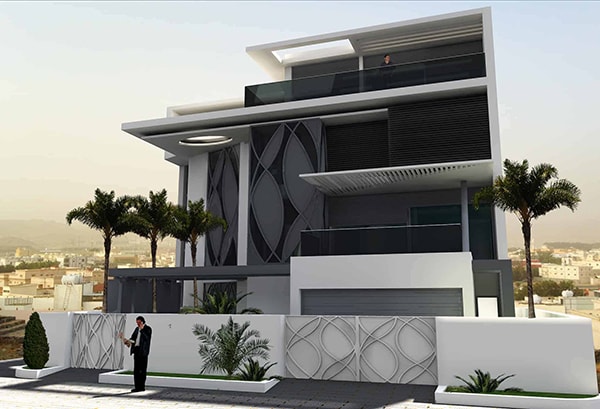

Smart Homes vs Traditional Homes
Housing design includes controls and services that influence comfort, convenience and energy use. Smart homes connect selected functions for automation or remote access; conventionally controlled homes rely more on direct operation and standalone equipment. Neither model is automatically superior. The useful question is which functions improve daily life without introducing support, privacy or reliability burdens the household cannot manage.
What Is a Smart Home?
A smart home uses connected controls, sensors or actuators to coordinate selected functions such as lighting, shading, temperature control or leak alerts. Some functions operate on a local network; others depend on an internet service. A collection of connected products is not necessarily an integrated system, so verify what works together and which features need a particular hub or subscription.
What Is a Traditional Home?
Here, traditional refers to conventional controls, not a historic architectural style. Such a home may use switches, standalone thermostats and mechanical locks while still having timers or efficient equipment. The boundary is not absolute: adding one connected device does not require replacing every conventional control.
Automation and Convenience
Start with a repeated task that is genuinely inconvenient. A lighting scene or scheduled blind may help, while an unnecessary notification can add work. Test controls with all occupants, including guests who do not have an app. Keep an understandable manual method for essential everyday functions and verify what happens when a sensor gives an unexpected reading.
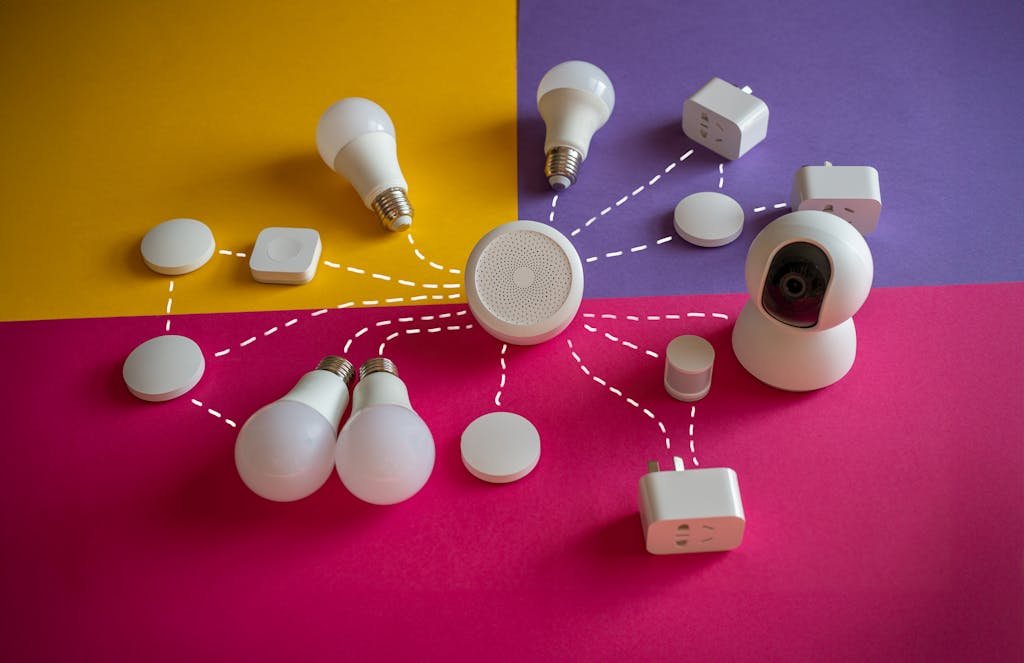
Energy Control and Efficiency
Scheduling and occupancy-based control can reduce unnecessary operation, but connectivity alone does not establish savings. Results depend on climate, occupancy, equipment and settings. Check thermostat compatibility with the actual heating or cooling system. Insulation, shading, air leakage and efficient equipment remain important; automation does not compensate automatically for a poorly performing building.
Security Comparison
Connected locks, sensors and cameras can provide useful notifications, but an alert is not the same as a guaranteed response or physical protection. Networked devices introduce account and software responsibilities. Select products with clear update support and access controls, and configure accounts securely. A conventionally controlled house can also contain connected cameras or appliances, so it is not automatically free of digital risk.
Cost Considerations
Include wiring, devices, gateways, configuration, commissioning, subscriptions and future replacement in the comparison. A small retrofit may cost little relative to a whole-house system, so avoid a single price ranking. Ask what happens if a paid service ends and whether another installer can maintain the installation. Record which features are included at handover.
Reliability and Maintenance
Distinguish failure of mains power, the local network, internet access and a remote service. Their effects differ by system. Ask the installer to demonstrate the intended response to each relevant interruption, including manual operation and recovery. Keep an equipment list and configuration records. Software support and spare parts should be considered alongside the expected life of switches and wiring.
Daily Living Experience
A useful system reduces effort without making residents dependent on one person’s phone. Agree who can change schedules and how temporary overrides work. Describe these routines in the brief you discuss with the architect. Ease of use must be tested with the household, not inferred from the number of features on a specification sheet.
Privacy Considerations
Ask what data is collected, where it is stored and who can access it. Review cameras and microphones by location and purpose, and disable functions that are not needed. Clarify retention, account transfer and deletion before a property changes hands. Local operation can reduce reliance on outside services, but it is not by itself a guarantee of security or privacy.
When Smart Homes Work Best
Connected features are worth considering when they answer a clear task, are compatible with the building and have a credible support path. Remote monitoring may be useful for an intermittently occupied property, provided someone can respond to alerts. Begin with a manageable set of functions and confirm that their benefits justify the continuing administration.
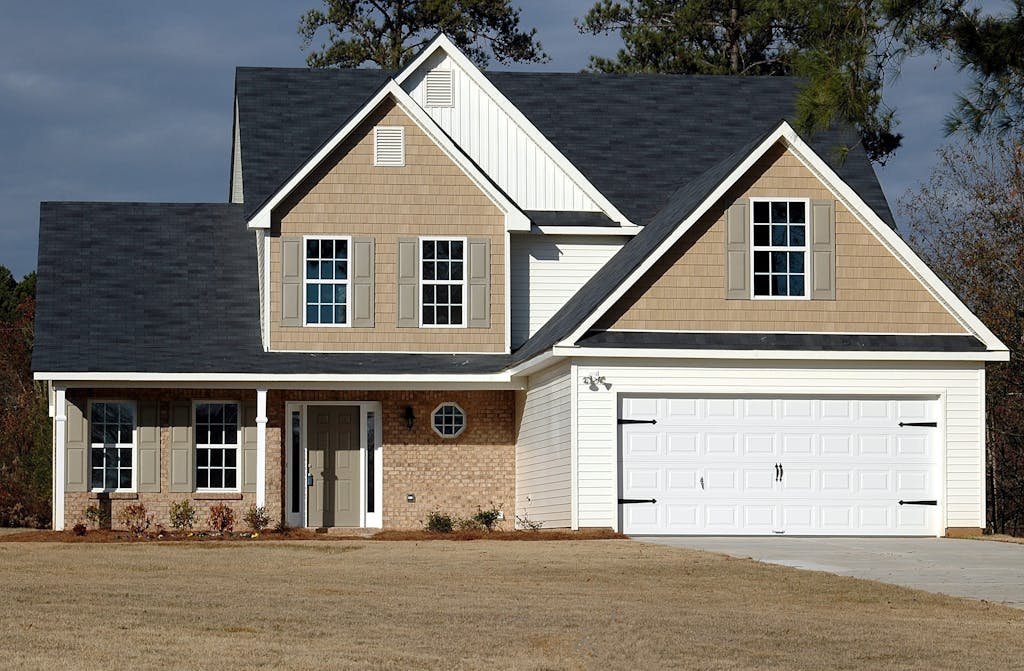
When Traditional Homes Work Best
Conventional controls can suit households prioritising direct operation and readily understood maintenance. They can also be appropriate where the proposed connected product lacks dependable support. Weak internet does not rule out every automation system, because local functions may remain available. Judge the specific arrangement rather than choosing from a blanket smart-versus-simple label.
Hybrid Approach
Retaining physical switches while adding selected automation is one possible approach. Plan access to wiring, replaceable components and future changes through adaptable design. Confirm the actual interfaces between devices instead of assuming that a shared marketing label guarantees every intended function.
A Home That Remains Usable
Include controls, fault responses, documentation and resident training in the project workflow. A successful handover demonstrates normal use and foreseeable interruptions, not just a programmed scene. The lasting value of technology lies in a home people can operate and maintain when habits, devices and service providers change.
Updated on 18 October 2026