During Climate Week, Why Sustainability Must Be Different in Every City
Institutions, governments and businesses are gathering in New York this week to discuss energy, investment and the difficult passage from climate pledges to action. Architecture begins with a smaller, harder question: what does sustainability mean in this particular city?
Sustainability is often presented as a universal specification, ready to travel from one place to another with minimal adjustment. A building, however, does not live inside a global statement. It sits beneath a particular sun, in air shaped by humidity, dust or salt, and depends on local systems of water, power and transport. What counts as environmental progress in a cold, dense city may have little value—or produce the wrong result—in a hot coastal one.
Sustainability Is Not a Green Appearance
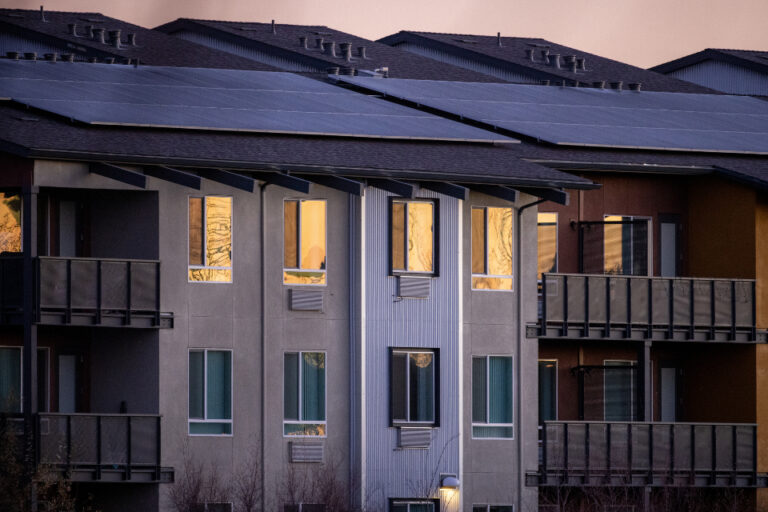
In recent years, sustainability has acquired an instantly recognizable visual language: planted facades, solar panels, pale timber, bicycle lanes and reassuringly colored diagrams. Each can be useful. None, by itself, proves that a project consumes fewer resources or improves the lives of its users.
A sustainable building is not one that looks green. It is one that understands the burden created by its location. The priority may be reducing heating demand, resisting floods, limiting irrigation, shading a pedestrian route or extending the life of a material exposed to humidity and salt. There can be no single image of sustainability because architecture is not being asked to solve the same problem everywhere.
New York Begins With What Already Exists
In a city such as New York, much of the climate work does not begin on an empty site. It begins inside an immense stock of existing buildings: envelopes that need improvement, aging mechanical systems, high operational demand and an electrical grid undergoing its own transition. Retrofit, performance measurement, efficient equipment and the reduction of operational carbon become central decisions.
Density changes the equation as well. Proximity between homes, work, transit and services can reduce the impact of movement, yet it also raises the value of every square foot and complicates intervention in occupied buildings. In low-lying and coastal districts, flood risk and continuity of services enter the definition of a resilient building.
Jeddah Requires Another Definition
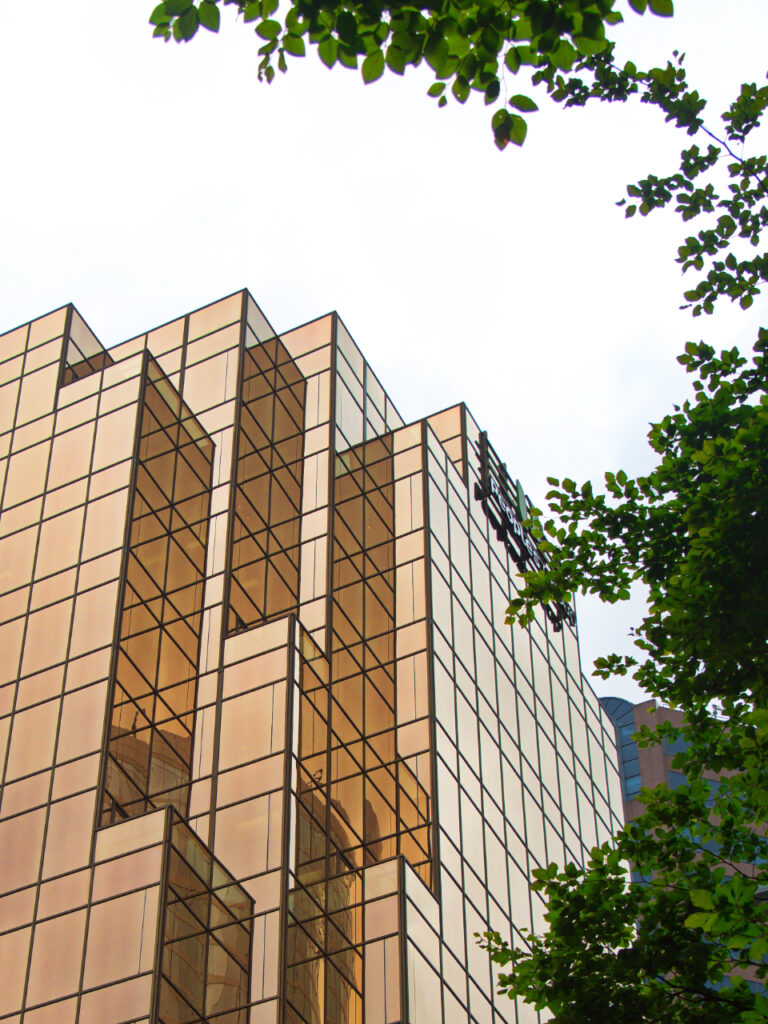
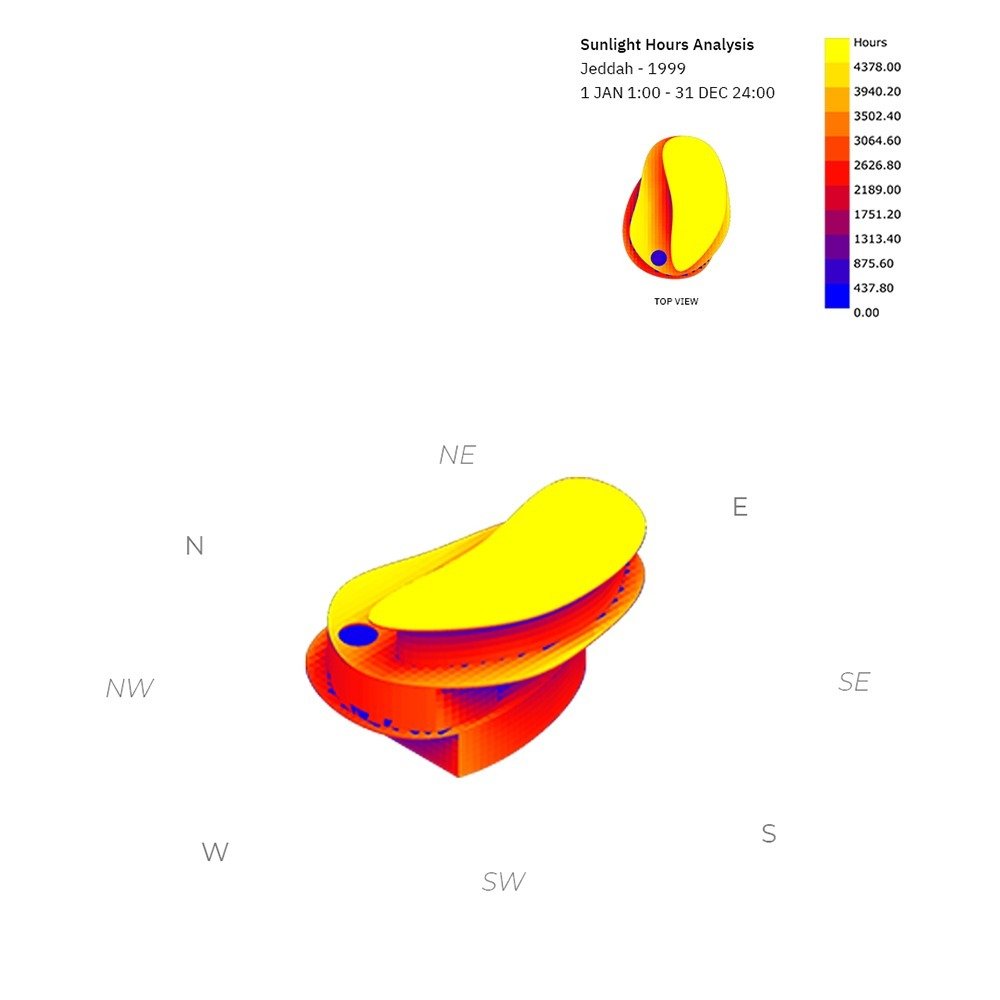
In Jeddah, the question begins with heat, humidity, solar exposure and salt-laden air, then extends to cooling energy and the water used in operations and landscape. Glass that appears weightless in an architectural image can become a permanent cooling load. A plaza that succeeds in a temperate climate may sit empty if it is not designed around shade, air movement and the hours when people can actually use it.
Orientation, opening depth, glazing ratio, insulation and resistance to corrosion are therefore part of sustainability, not technical details added after the concept is complete. Outdoor comfort becomes an urban-infrastructure question: can a person reach the building in shade? Can the route function at midday? Does the landscape consume more water than its environmental value can justify?
We have previously examined how architecture in arid and windy climates responds to dust, wind and extremes. In a coastal city, humidity and salinity must be added to that equation, making maintenance and component life part of climate performance itself.
A Desert City Is Not a Coastal City
Even within one country, a shared code cannot be expected to produce an identical response. A dry inland city faces wider daily temperature swings, dust and water scarcity. A coastal city must contend with humidity, corrosion and high nighttime temperatures. In a rain-intensive city, stormwater storage and permeable ground may lead. In a cold city, envelope airtightness and heat recovery can take priority over deep solar protection.
The global objective remains consistent: reduce emissions, limit resource depletion and protect people from escalating risk. The specification for reaching it is local. Good sustainability does not copy a solution; it identifies the condition with the greatest effect on the life of a building and its occupants.
Certification Is a Common Language, Not a Substitute for Judgment
Environmental rating systems give the market a shared language for measurement and comparison. They require project teams to document energy, water, materials and indoor environmental quality. That is a real contribution. But points cannot determine every local priority, nor can they guarantee that a building will perform as promised a year after opening.
A project may collect visible credentials while retaining an excessive cooling load, difficult controls or materials that age too quickly. This is the distinction between obtaining certification and building enduring performance. Testing, commissioning, maintenance and post-occupancy data are not appendices. They are the moment when sustainability moves from intention to result.
From a Checklist to a Local Matrix
Before selecting solutions, every project needs a short and explicit matrix: what is the primary climate risk? Which resource is most constrained? Where does the largest operational demand occur? How do people actually move through the site? And can the city maintain the systems being proposed?
For one project, the answer will be adaptive reuse. For another, it may be a more compact mass, deeper shade, a simpler cooling system, repairable local materials or the removal of floor area that the program never needed. Sometimes the most sustainable design decision is not to add another element.
This is closely connected to the way national change is reshaping residential architecture in Saudi cities. Progress is not measured by the number of technologies attached to a building, but by whether the building and its district work efficiently within the local climate, economy and patterns of life.
What Should Remain After Climate Week?
The value of Climate Week lies in bringing policy, capital and knowledge into the same conversation. Its success, however, will not be visible in the number of sessions or pledges. It will appear when broad ambitions become measurable local requirements: an outdoor passage that remains usable, lower water demand, a material that lasts longer, an existing building repaired instead of demolished, or a system that an operations team can understand and maintain.
Cities do not need a uniform version of sustainable architecture. They need global agreement on responsibility, followed by rigorous local judgment. Sustainability that does not know where it stands can become an international fashion. Sustainability that begins with the city becomes an architectural practice that can be measured and held accountable.