INJ Mood Board: How Materials Shape a Project’s Identity
A visual study of how materials, colour, texture and light shape project identity, illustrated with 51 images from the INJ Architects archive.

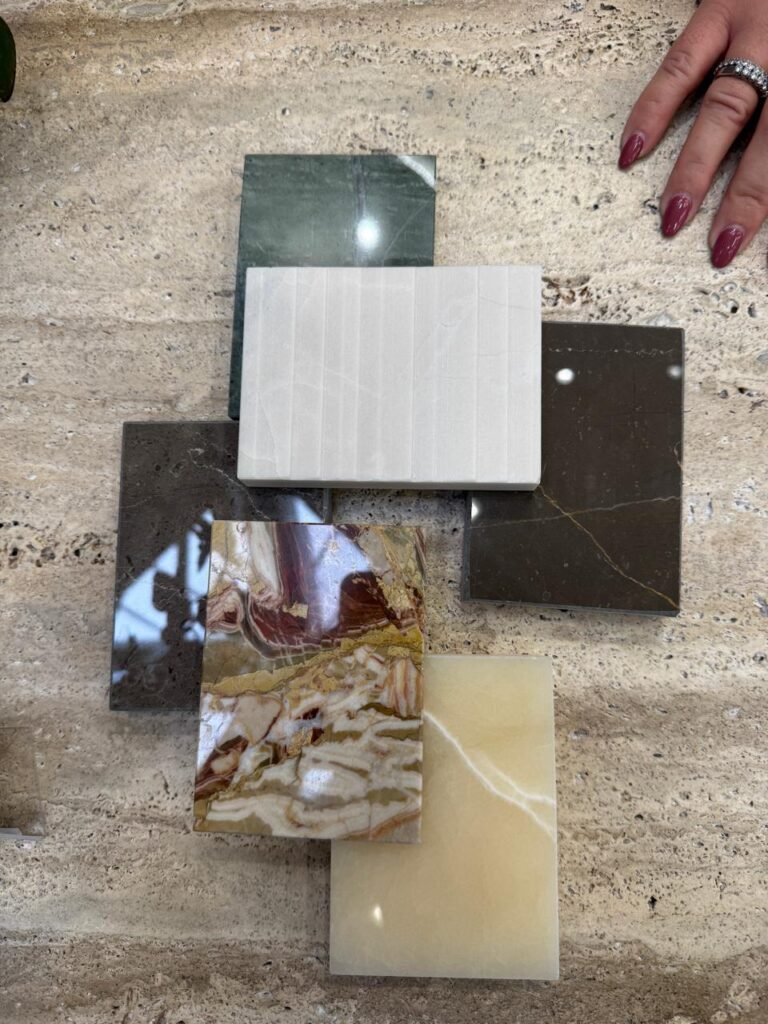
A visual study of how materials, colour, texture and light shape project identity, illustrated with 51 images from the INJ Architects archive.
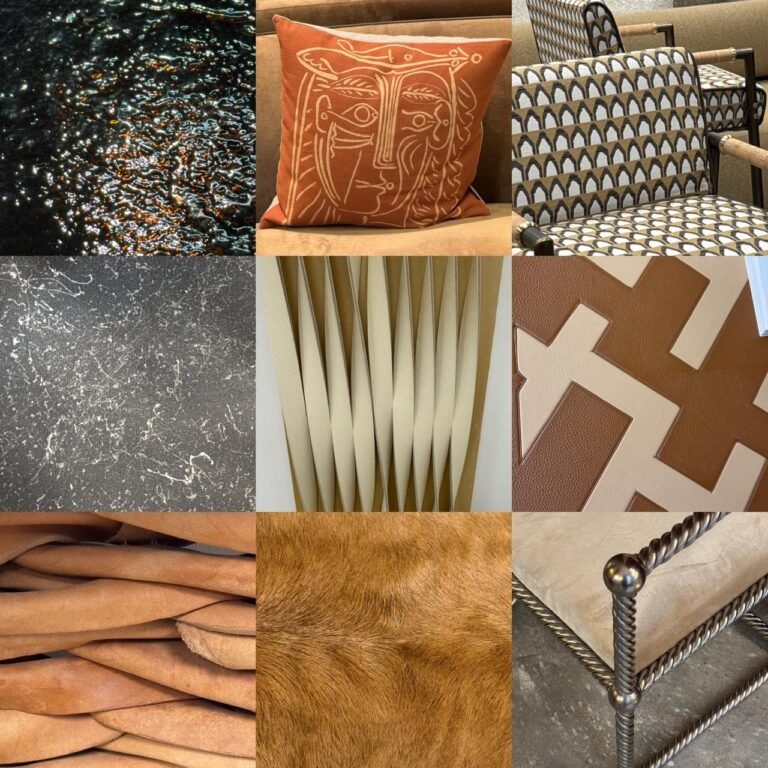
Ibrahim Nawaf Joharji visits EquipHotel 2026 in Paris to explore French craftsmanship, bespoke manufacturing and materials for hospitality interiors.
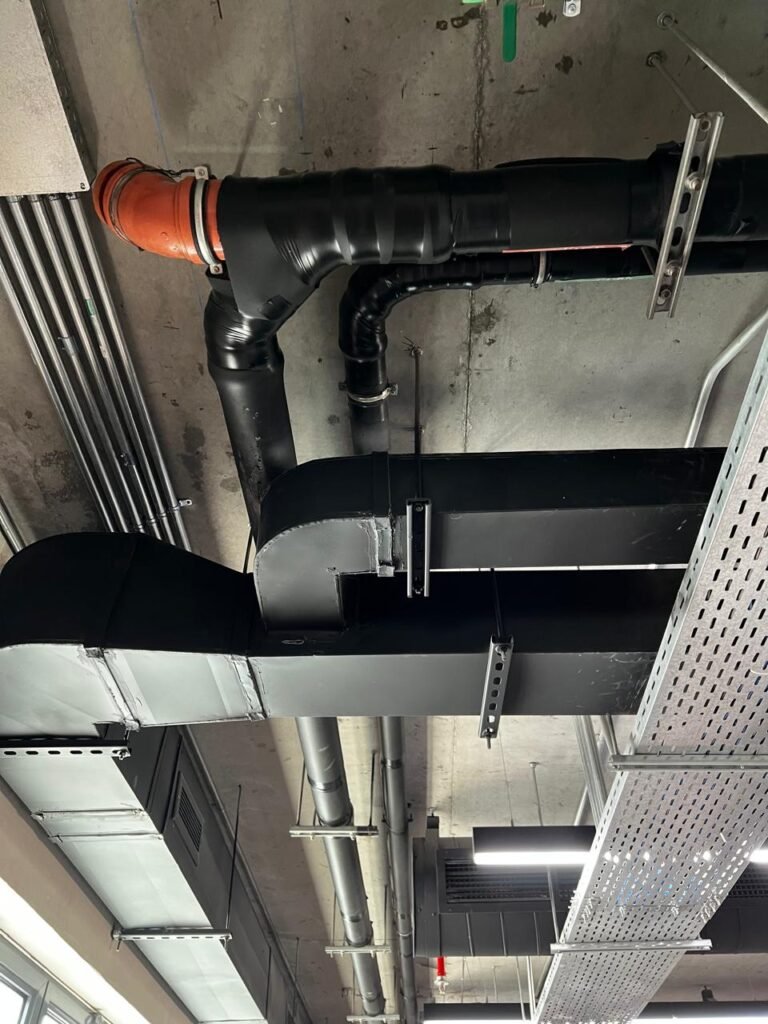
Laundry, storage, deliveries, waste and maintenance reveal how a home works. Why domestic operations belong in the architectural brief.
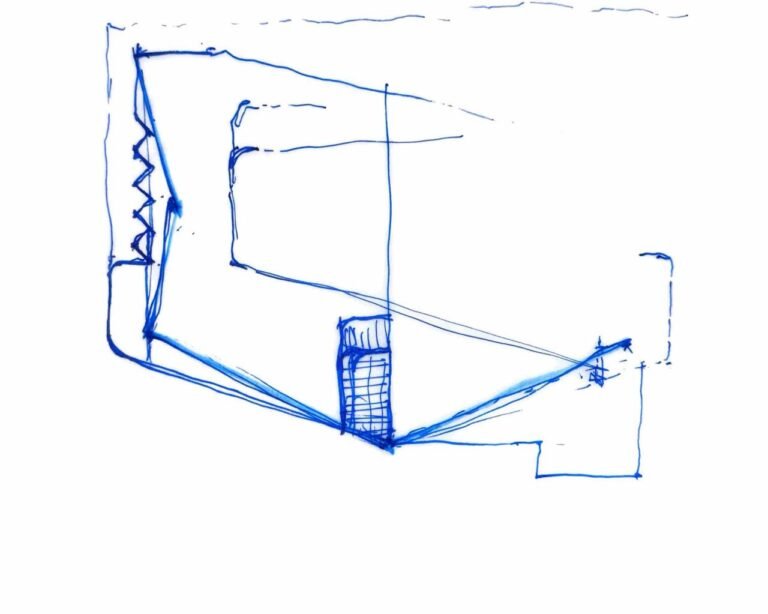
Design privacy without isolation through layered access, neighbour sightlines, family and service routes, pool screening and carefully tested daylight.
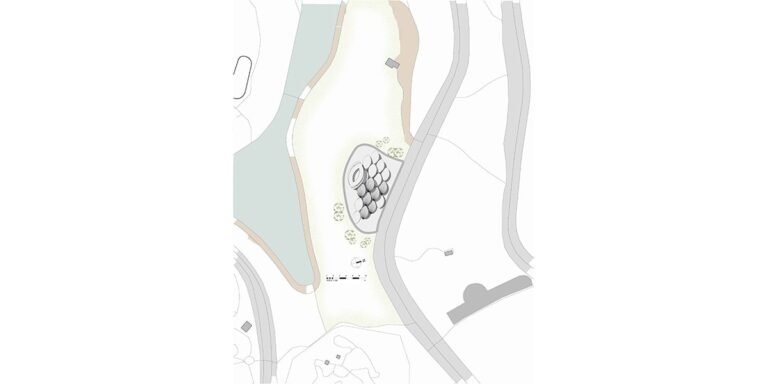
Acoustic comfort starts with spatial layout and services. Explore isolation, materials, simulation and INJ Architects’ San Francisco opera proposal.
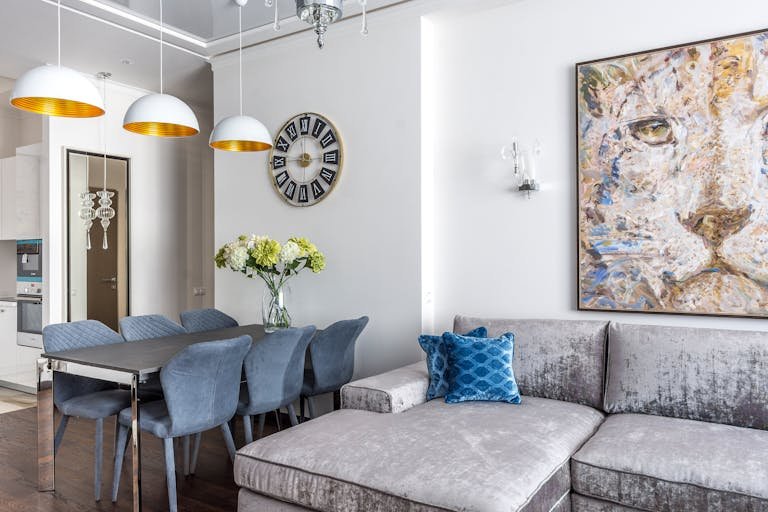
What makes design last? Explore proportion, repairable materials, adaptable layouts and the limits of neutral colours in architecture and interiors.
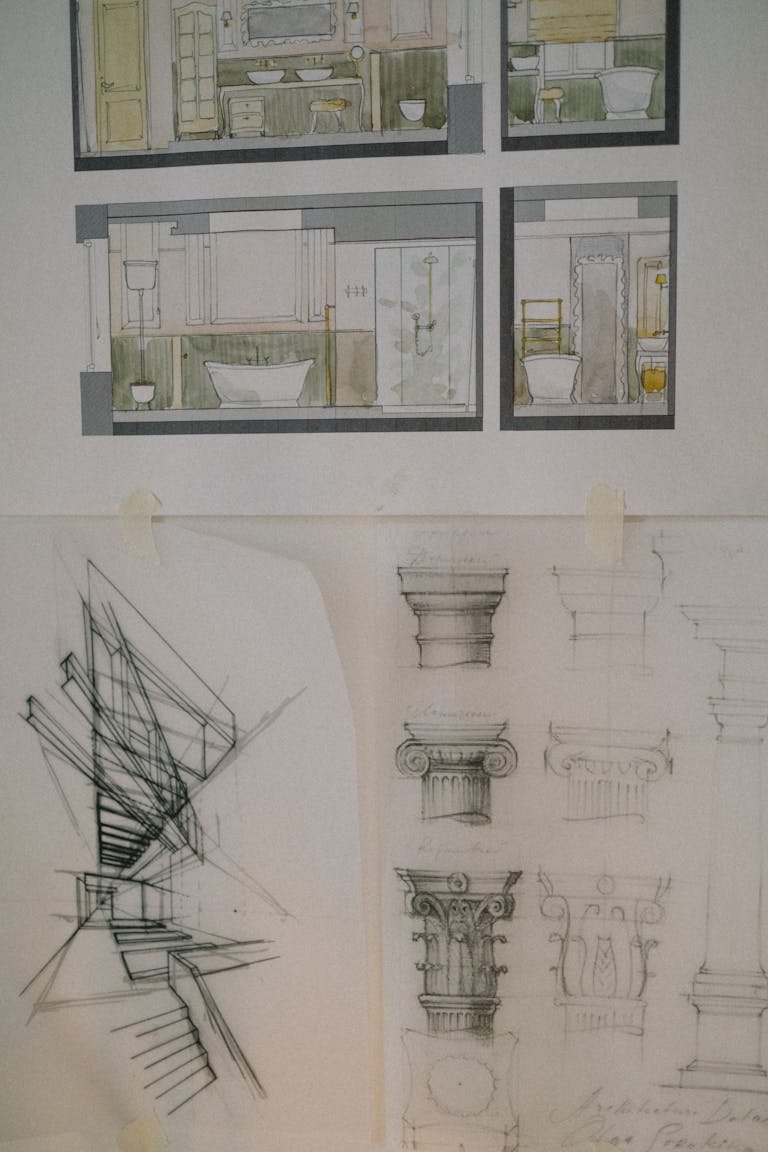
Understand architectural and interior design drawings: their scope, details, coordination and project timing, and why both need clear responsibilities.

Courtyard Houses vs Compact Urban Homes: two housing models compared on climate response, light, privacy and land use in dense cities and hot regions.

Sliding Doors vs Hinged Doors: mechanical behaviour, space requirements, usage patterns and design implications compared for better interior decisions.
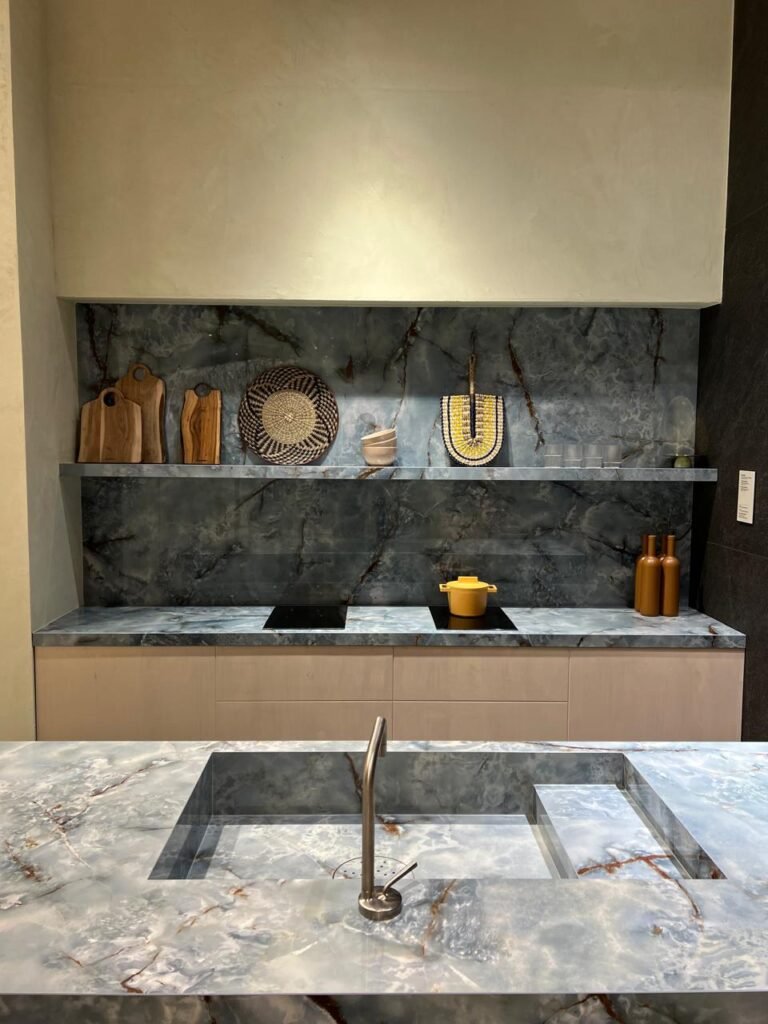
Open Shelving vs closed cabinets in kitchens: usability, maintenance, visual openness and clutter control compared to help choose the right storage approach.
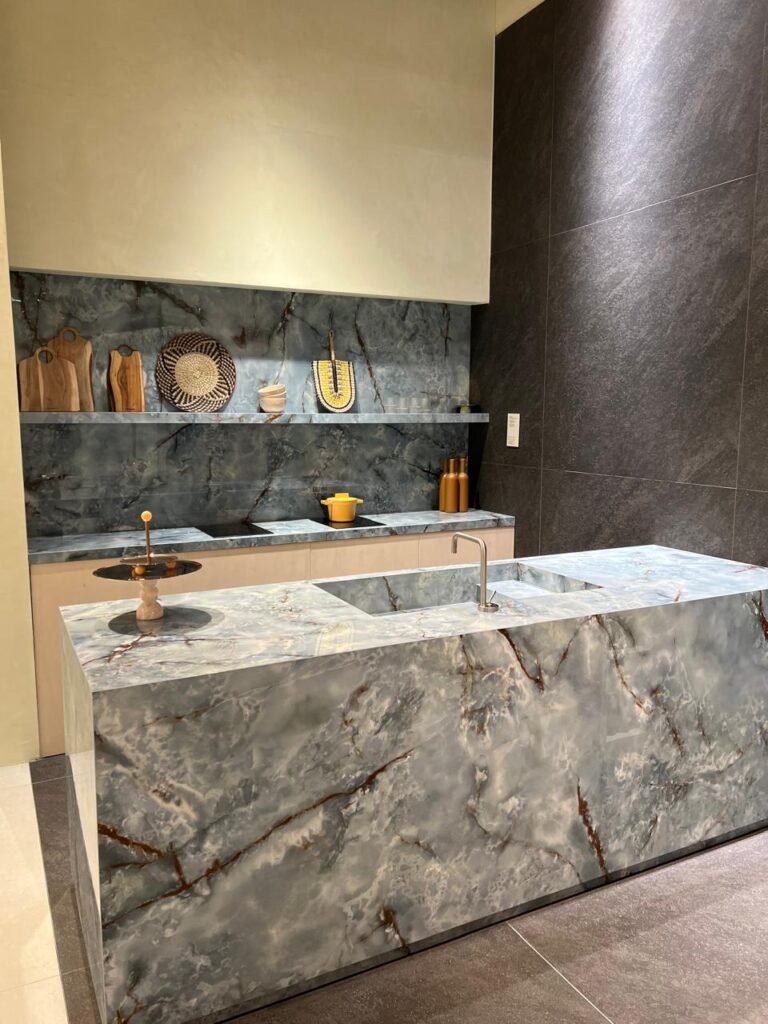
Minimalist Kitchens vs full cabinet kitchens: how each approach balances visual clarity, hidden storage, capacity and daily function in contemporary homes.

Hidden Lighting Channels vs Pendant Fixtures vs Recessed Lighting: visual effects, functions and spatial implications of three contemporary lighting systems.

Modular Seating systems vs traditional sofas: structural and ergonomic differences, adaptability, floor efficiency and long-term comfort in homes and offices.
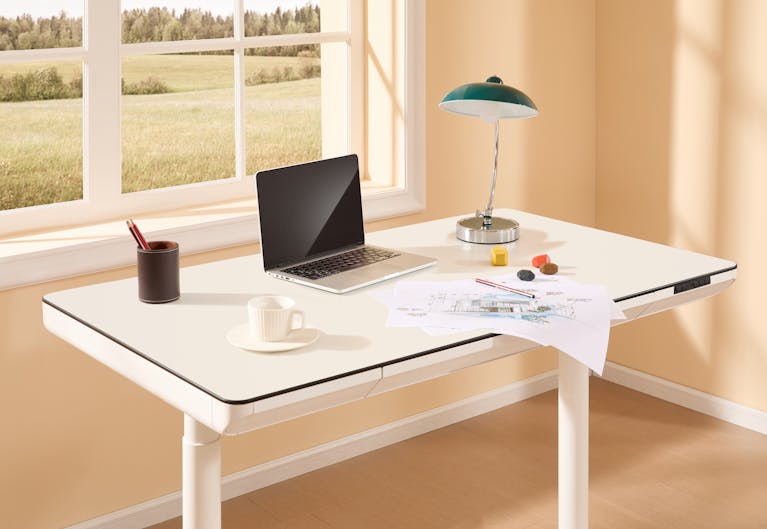
Adjustable Standing Desks vs fixed desks: an ergonomic comparison of posture flexibility, stability, productivity and cost to guide workspace furniture choices.
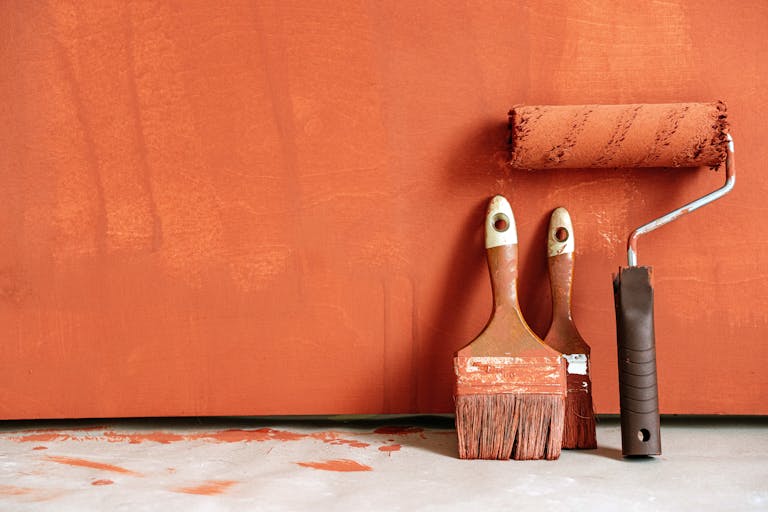
Interior Paint finishes compared: matte, eggshell, satin and gloss, with their light reflection, durability, cleaning behaviour and suitable surfaces.

Flooring Material Showdown: wood, tile, carpet and vinyl compared on comfort, acoustics, maintenance, air quality and cost for homes, offices and public spaces.
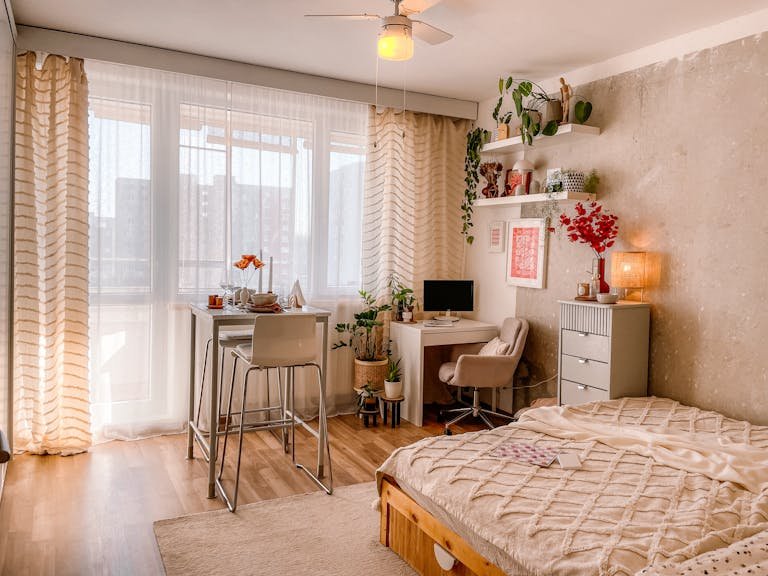
Small Space Design Hacks: ten strategies in layout, light, proportion and furniture that make small apartments feel larger without expanding the floor area.

Open Plan vs Segmented Layouts: how spatial division shapes comfort, behaviour, acoustics, privacy and energy use, framed as a strategic design decision.
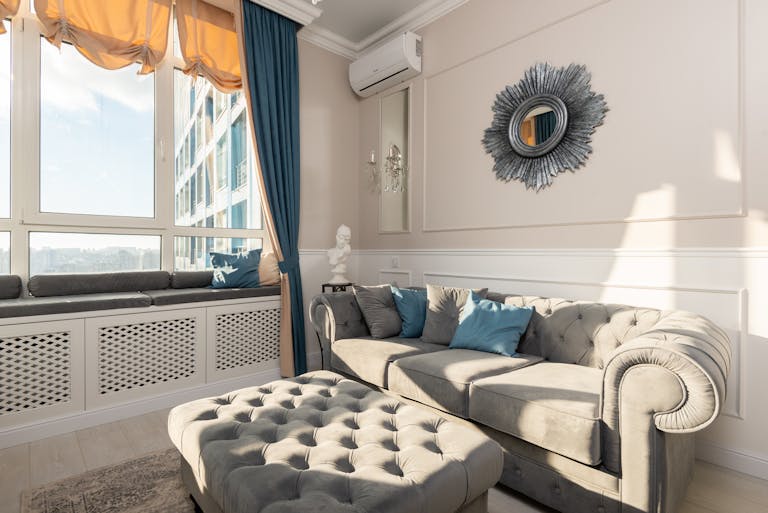
Natural vs Artificial Lighting: a comparison of how each affects mood, productivity, energy use and health, with guidance on applying both in interior design.

Gravity-Shifted Interiors reorient furniture and storage vertically, horizontally or diagonally so small apartments, studios and offices become adaptable.

Day-Night Cycles shape circadian rhythms, and interior lighting can support them. This article sets out lighting strategies for health and productivity.

Interior design of diplomacy extends national identity into embassy and consulate interiors through materials, colours and spatial organisation.

Indoor plants have become an essential element of interior design, improving air quality, calming atmosphere and biophilic connection in homes and offices.

Small living room furniture arrangement requires balancing function, comfort and flow. Proven techniques to maximise seating and make a tight room feel open.
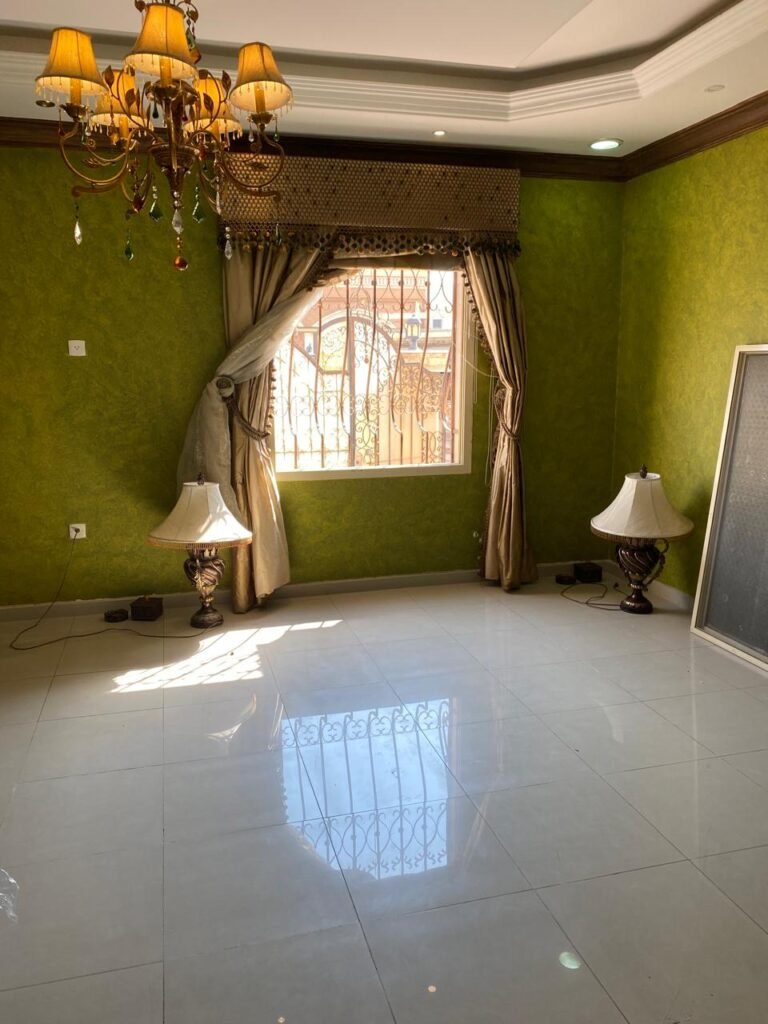
Best colors for small bedrooms can make the space feel brighter, larger and more restful. We explain which palettes work and how to pair them with lighting.

Invisible storage techniques conceal functional storage within furniture, walls, floors and ceilings, keeping homes and small apartments open and uncluttered.
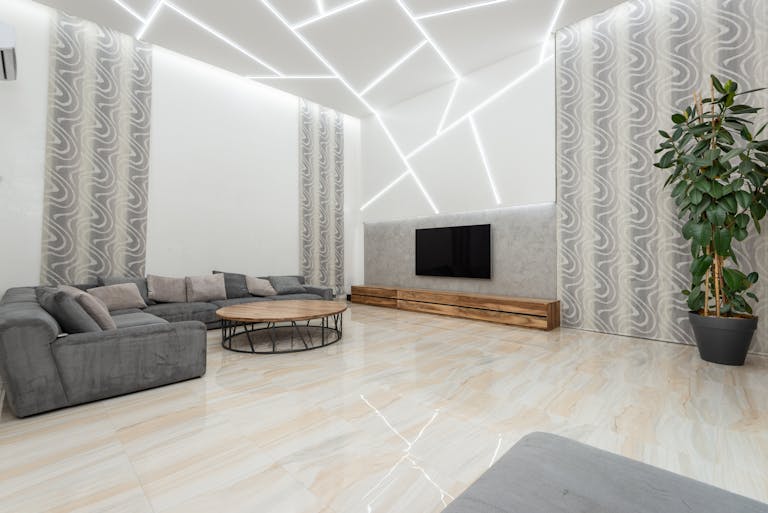
Mood-changing interiors adapt to the emotional and functional needs of occupants through light, color, sound and temperature. We explain how they work.

Modern office interiors shape productivity, wellbeing and company identity. This article outlines strategies for lighting, layout, acoustics and collaboration.
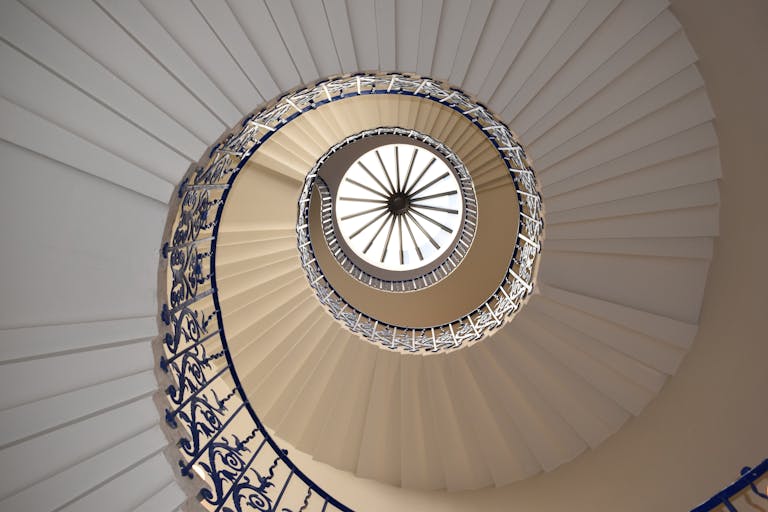
Acoustic architecture designs environments that sound as good as they look. We cover how ceilings and surfaces shape comfort, cognition and behaviour.
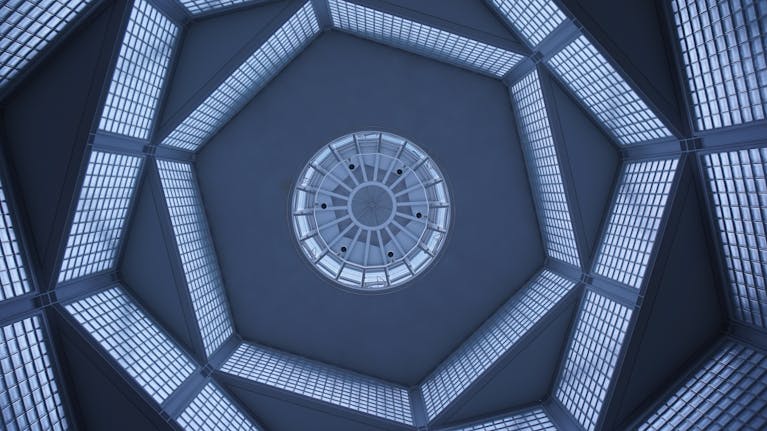
Ceiling height shapes how a room feels, how light and sound behave, and how people read its importance. A guide to vertical space as architecture from day one.