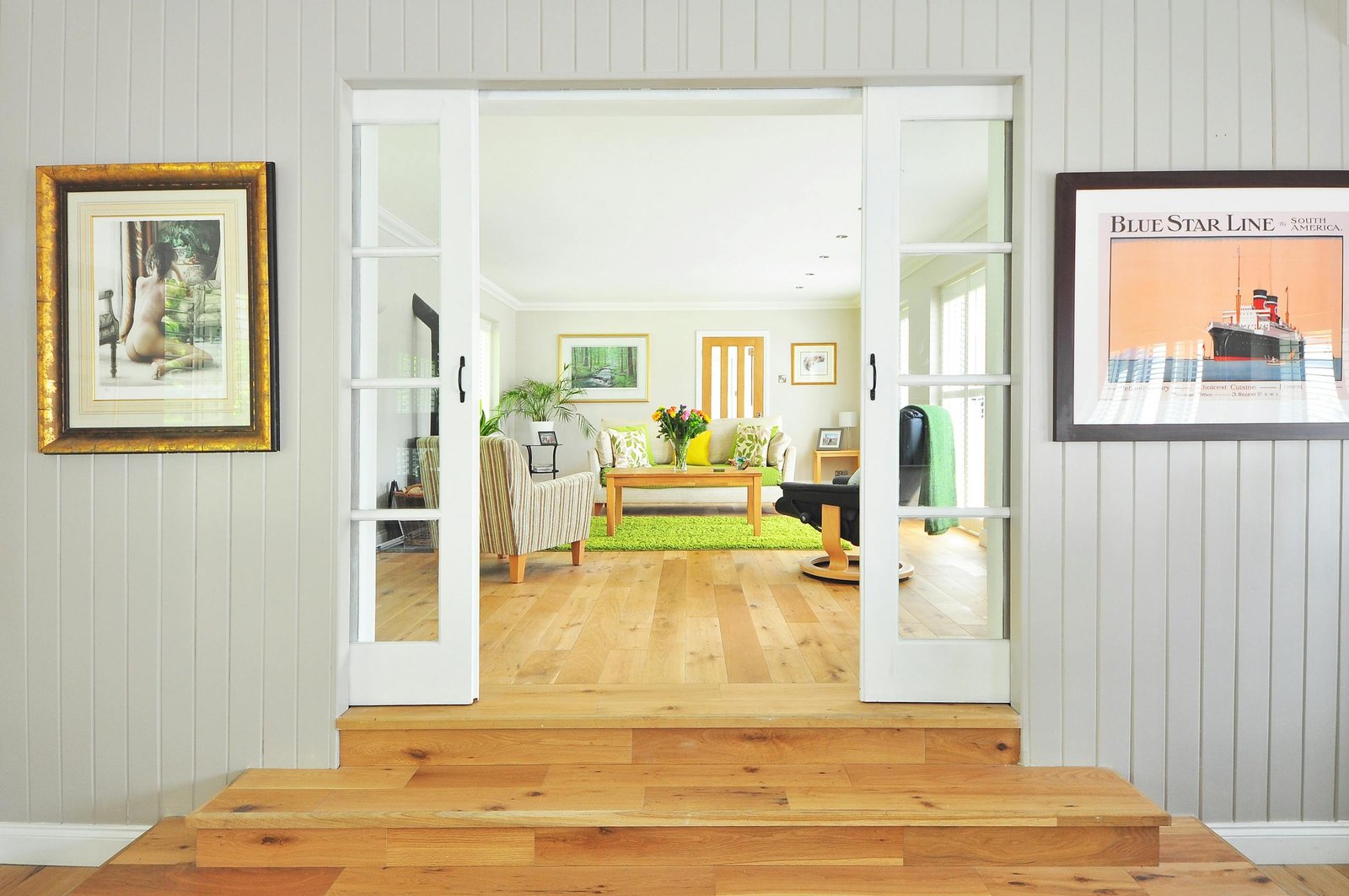
Sliding Doors vs Hinged Doors
Doors are a fundamental component in both architectural planning and interior design. While they may seem simple, the choice between sliding and hinged doors can significantly affect how a space functions, feels, and looks. Each system has its own mechanical behavior, spatial requirements, and design implications.
Sliding doors are often associated with modern, space-saving solutions, while hinged doors remain the traditional standard due to their simplicity and reliability. Understanding the differences between the two helps in making better design decisions based on space constraints, usage patterns, and aesthetic goals.
What are Sliding Doors
Sliding doors operate by moving horizontally along a track. Instead of opening inward or outward, they glide parallel to the wall or disappear into a cavity if designed as pocket doors.
They are commonly used in areas where saving space is a priority or where a clean, modern look is desired.
| Characteristic | Sliding Doors |
|---|---|
| Opening method | Horizontal sliding |
| Space requirement | Minimal swing space |
| Visual style | Modern and sleek |
| Wall dependency | Requires clear wall length |
| Accessibility | Requires a clear wall length |
Sliding doors are widely used in closets, balconies, partitions, and compact rooms where traditional doors may take up too much space.
What are Hinged Doors
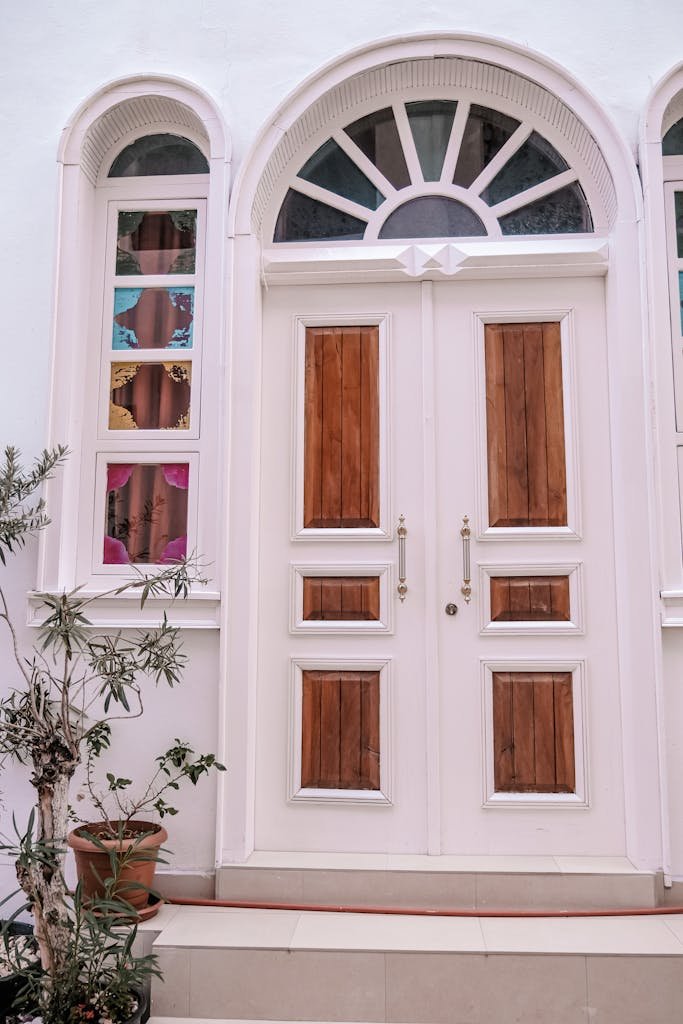
Hinged doors are attached to a frame using hinges and open by swinging inward or outward. This is the most common door type found in residential and commercial buildings.
They are simple in construction and provide a strong seal when closed.
| Characteristic | Hinged Doors |
|---|---|
| Opening method | Swing |
| Space requirement | Requires clearance arc |
| Visual style | Traditional to modern |
| Installation | Simple |
| Accessibility | Very easy |
Hinged doors are versatile and can be used in almost any space, from bedrooms to main entrances.
Space Efficiency Comparison
One of the most important differences between sliding and hinged doors is how they use space.
| Space Factor | Sliding Doors | Hinged Doors |
|---|---|---|
| Floor clearance needed | Minimal | |
| Wall space needed | High | |
| Usable area near door | High | |
| Suitability for small spaces | Excellent | |
| Furniture placement flexibility | High |
Sliding doors are ideal for small rooms because they do not require clearance for door swing. Hinged doors need enough space to open fully, which can limit furniture placement.
Functionality and Daily Use
Functionality depends on how often the door is used and the level of convenience required.
| Function Factor | Sliding Doors | Hinged Doors |
|---|---|---|
| Opening speed | Moderate | |
| Ease of use | Smooth but track dependent | |
| Full opening access | Limited | |
| Reliability | Moderate | |
| Maintenance need | Higher |
Hinged doors provide full access to the doorway and are generally more reliable over time. Sliding doors may require maintenance of tracks and rollers to function smoothly.
Privacy and Acoustic Performance
Doors also play an important role in providing privacy and controlling sound.
| Performance Factor | Sliding Doors | Hinged Doors |
|---|---|---|
| Sound insulation | Lower | |
| Air sealing | Moderate | |
| Privacy level | Moderate | |
| Light blocking | Depends on material |
Hinged doors typically provide better sealing against sound and air leakage because they close tightly against the frame.
Sliding doors often have small gaps, especially if they are not designed with high-quality sealing systems.
Cost Considerations
Cost varies depending on materials, size, and system complexity.
| Cost Factor | Sliding Doors | Hinged Doors |
|---|---|---|
| Hardware cost | Higher | |
| Installation complexity | Higher | |
| Maintenance cost | Moderate | |
| Initial cost | Moderate to high | |
| Replacement ease | Moderate |
Sliding doors tend to be more expensive due to tracks, rollers, and installation precision. Hinged doors are usually more cost-effective and easier to install.
Design and Aesthetic Impact
Doors contribute significantly to the overall design language of a space.
| Design Factor | Sliding Doors | Hinged Doors |
|---|---|---|
| Visual presence | Minimal | |
| Style association | Modern | |
| Flexibility in design | Moderate | |
| Statement potential | High if large panels |
Sliding doors create a clean and seamless look, especially when using glass or large panels. Hinged doors offer more variety in styles, finishes, and detailing.
Safety and Durability
Durability and safety are important in long-term use.
| Safety Factor | Sliding Doors | Hinged Doors |
|---|---|---|
| Structural strength | Moderate | |
| Risk of misalignment | Higher | |
| Child safety | Moderate | |
| Long term durability | Moderate |
Hinged doors are generally more durable because of their simpler mechanism. Sliding doors depend on track systems that can wear out or become misaligned over time.
When Sliding Doors Work Best
Sliding doors are ideal when
• Space is limited, and the door swing must be avoided
• A modern, minimal aesthetic is desired
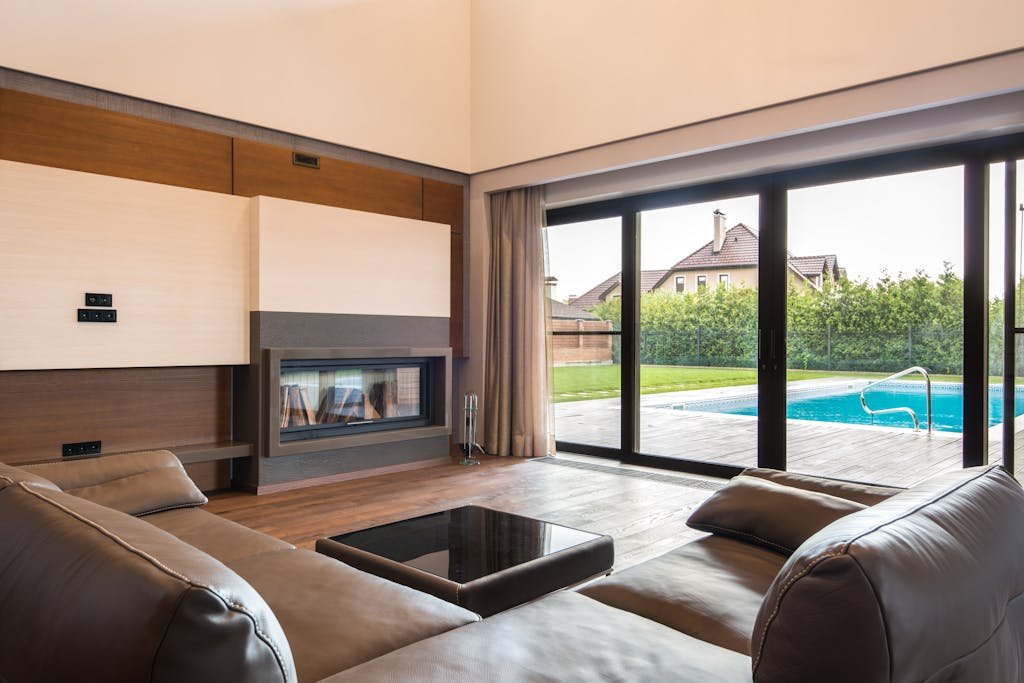
• Large openings, such as balconies or partitions, are needed
• Visual continuity between spaces is important
They are especially effective in apartments, wardrobes, and open-plan layouts.
When Hinged Doors Work Best
Hinged doors are the better choice when
• Full access to the doorway is required
• Better sound insulation and privacy are needed
• Simplicity and durability are priorities
• The layout allows sufficient swing space
They are commonly used for bedrooms, bathrooms, and main entry doors.
Conclusion
Sliding doors and hinged doors each offer distinct advantages depending on the design context. Sliding doors excel in space efficiency and modern aesthetics, making them suitable for compact or contemporary interiors. Hinged doors provide better sealing, durability, and ease of use, making them a reliable and versatile option.
In many projects, a combination of both systems is used. Sliding doors may be applied in tight or flexible spaces, while hinged doors are used where performance and privacy are more critical. This balanced approach allows designers to optimize both function and design within the same project.
Summary
Sliding doors and hinged doors represent two different approaches to space management and functionality in interior design. Sliding doors move horizontally along a track, making them highly space-efficient and ideal for compact areas or modern layouts where saving floor space and maintaining visual continuity are priorities. However, they may require more maintenance and typically provide less sound insulation due to gaps in sealing. Hinged doors, on the other hand, operate with a simple swing mechanism, offering full access, better durability, and stronger acoustic and air sealing. While they require clearance space to open, they remain the more reliable and versatile option for areas where privacy and long-term performance are important. In many designs, combining both systems allows for optimized functionality, balancing space efficiency with durability and comfort.