
Courtyard Houses vs Compact Urban Homes
Housing typologies are deeply influenced by climate, culture, and urban density. Two contrasting models are courtyard houses and compact urban homes. Each represents a different response to environmental conditions and spatial constraints.
Courtyard houses are traditionally found in hot climates and prioritize internal open space for light, air, and privacy. Compact urban homes, on the other hand, emerge in dense cities where land is limited and maximizing built area becomes essential.
Understanding how these two models perform helps in making informed design decisions, especially in regions facing both climate challenges and urban pressure.
What are Courtyard Houses
Courtyard houses are organized around an internal open space. This central courtyard acts as the core of the house, providing light, ventilation, and a private outdoor area.
| Characteristic | Courtyard Houses |
|---|---|
| Spatial organization | Inward facing |
| Open space | Central courtyard |
| Climate strategy | Passive cooling |
| Privacy | High |
| Density suitability | Low to moderate |
This typology is common in traditional architecture across the Middle East, North Africa, and parts of Asia, where climate control is essential.
What are Compact Urban Homes
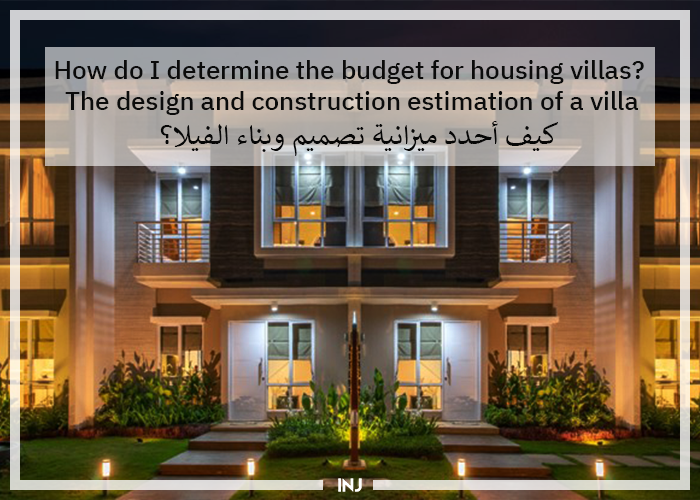
Compact urban homes are designed to fit within tight plots in dense cities. They maximize usable floor area through vertical expansion and efficient planning.
| Characteristic | Compact Urban Homes |
|---|---|
| Spatial organization | Outward and vertical |
| Open space | Minimal or external |
| Climate strategy | Mechanical systems |
| Privacy | Moderate |
| Density suitability | High |
They are commonly found in major cities where land value is high and space is limited.
Climate Response
Climate responsiveness is one of the most critical differences between these two housing types.
| Climate Factor | Courtyard Houses | Compact Urban Homes |
|---|---|---|
| Passive cooling | Strong | |
| Heat gain control | High | |
| Shading strategy | Integrated | |
| Dependence on AC | Low | |
| Adaptability to hot climates | Excellent |
Courtyard houses use shaded internal spaces and airflow to naturally reduce indoor temperatures. Compact urban homes often rely more on mechanical cooling systems due to limited passive design opportunities.
Natural Ventilation
Ventilation plays a key role in indoor comfort and energy efficiency.
| Ventilation Factor | Courtyard Houses | Compact Urban Homes |
|---|---|---|
| Cross ventilation | High | |
| Air circulation | Centralized | |
| Stack effect potential | Strong | |
| Air quality | Better | |
| Reliance on mechanical ventilation | Low |
The courtyard acts as a ventilation engine, allowing air to circulate through surrounding rooms. Compact homes may struggle with airflow, especially in dense urban blocks with limited openings.
Privacy
Privacy is handled differently in each model.
| Privacy Factor | Courtyard Houses | Compact Urban Homes |
|---|---|---|
| Visual privacy | Very high | |
| Street exposure | Low | |
| Internal privacy | High | |
| Overlooking risk | Minimal |
Courtyard houses are inward-facing, which naturally shields living spaces from outside views. Compact urban homes often face streets or neighboring buildings, increasing exposure.

Land Use Efficiency
Land use is where compact urban homes have a clear advantage.
| Land Use Factor | Courtyard Houses | Compact Urban Homes |
|---|---|---|
| Plot efficiency | Moderate | |
| Built-up ratio | Lower | |
| Vertical expansion | Limited | |
| Suitability for dense cities | Low | |
| Infrastructure efficiency | Moderate |
Compact homes maximize land value by building vertically and minimizing unused open space. Courtyard houses require larger plots, making them less suitable for high-density urban environments.
Spatial Experience
The quality of space differs significantly between the two typologies.
| Spatial Factor | Courtyard Houses | Compact Urban Homes |
|---|---|---|
| Connection to outdoors | Internal | |
| Natural light quality | Soft and controlled | |
| Spatial openness | High | |
| Flexibility of use | Moderate |
Courtyard houses provide a calm and private outdoor experience within the home. Compact urban homes often rely on balconies or limited external openings.
Cost and Construction Implications
| Cost Factor | Courtyard Houses | Compact Urban Homes |
|---|---|---|
| Land cost | High | |
| Construction complexity | Moderate | |
| Energy cost over time | Low | |
| Infrastructure efficiency | Moderate |
While courtyard houses may require more land, they can reduce long-term energy costs through passive design. Compact homes are more efficient in land use but may have higher operational energy demands.
When Courtyard Houses Work Best
Courtyard houses are ideal when
- The climate is hot and dry or hot and humid
- Privacy is a major priority
- Land availability is not extremely limited
- Passive cooling strategies are desired
They are particularly effective in regions like the Middle East where environmental conditions favor inward-oriented design.
When Compact Urban Homes Work Best
Compact urban homes are suitable when
- Land is expensive and limited
- High density is required
- Urban infrastructure needs to be optimized
- Vertical expansion is feasible
They are essential in modern cities where accommodating population growth is a key challenge.
Conclusion
Courtyard houses and compact urban homes represent two fundamentally different responses to climate and urban conditions. Courtyard houses prioritize environmental comfort, privacy, and passive design strategies, making them highly efficient in suitable climates. Compact urban homes focus on maximizing land use and accommodating density, often relying more on mechanical systems.
The choice between the two depends largely on context. In many contemporary projects, hybrid approaches are emerging, integrating courtyard principles into compact forms to balance environmental performance with urban efficiency.

Summary
Courtyard houses and compact urban homes represent two contrasting responses to climate, privacy, and urban density. Courtyard houses are inward-facing, organized around a central open space that provides natural light, ventilation, and passive cooling, making them highly effective in hot climates while offering strong privacy and a calm spatial experience, though they require larger plots and are less suitable for dense cities. In contrast, compact urban homes are designed for high-density environments, maximizing land use through vertical planning and efficient layouts, but often relying more on mechanical systems for cooling and ventilation due to limited passive design opportunities. While courtyard houses prioritize environmental performance and privacy, compact homes focus on land efficiency and urban adaptability, and many contemporary designs combine elements of both to balance comfort, sustainability, and density.