
Minimalist Kitchens vs Full Cabinet Kitchens
Kitchen design has evolved significantly over the past two decades. Traditionally, kitchens were designed with maximum storage in mind, often filling every wall with cabinets and overhead units. Today, many homeowners and designers are exploring minimalist kitchens that reduce cabinetry and rely on open space, hidden storage, and streamlined layouts.
Both approaches aim to create functional cooking environments, but they prioritize different aspects of design. Minimalist kitchens focus on simplicity and visual clarity, while full cabinet kitchens emphasize storage capacity and traditional functionality.
Understanding the Minimalist Kitchen Concept
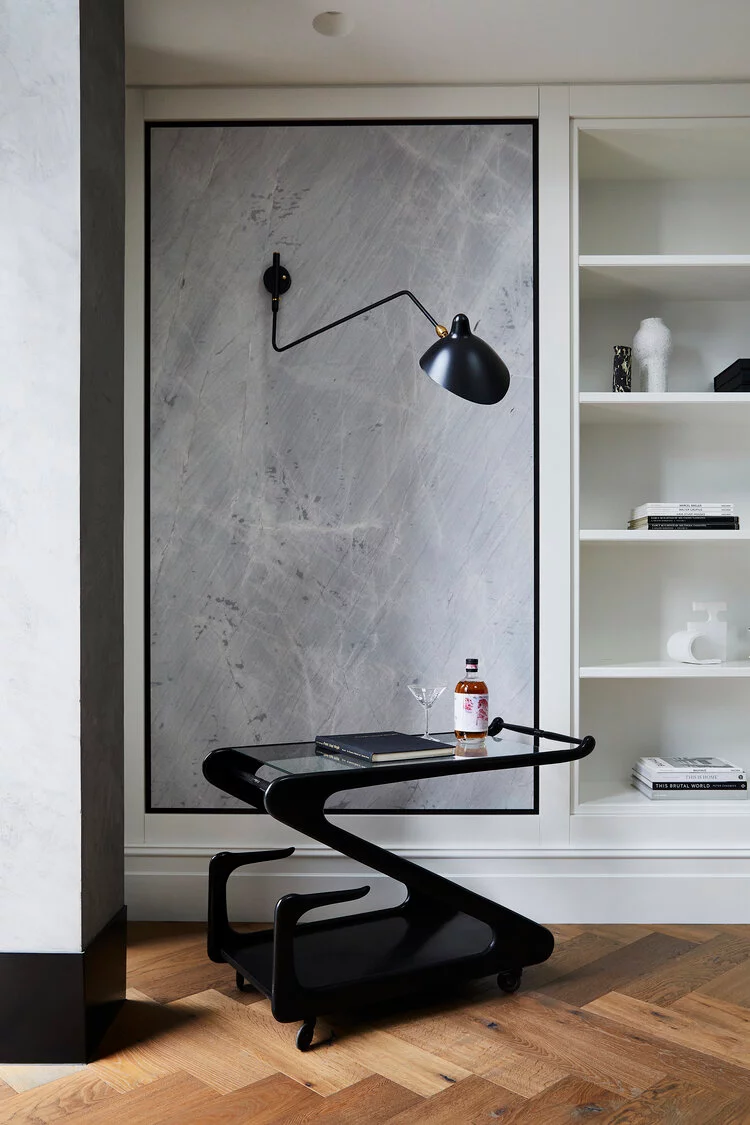
Minimalist kitchens are built around the idea that less physical clutter leads to better spatial experience. Cabinetry is reduced to only essential storage, surfaces are kept clean, and appliances are often integrated or hidden within the design.
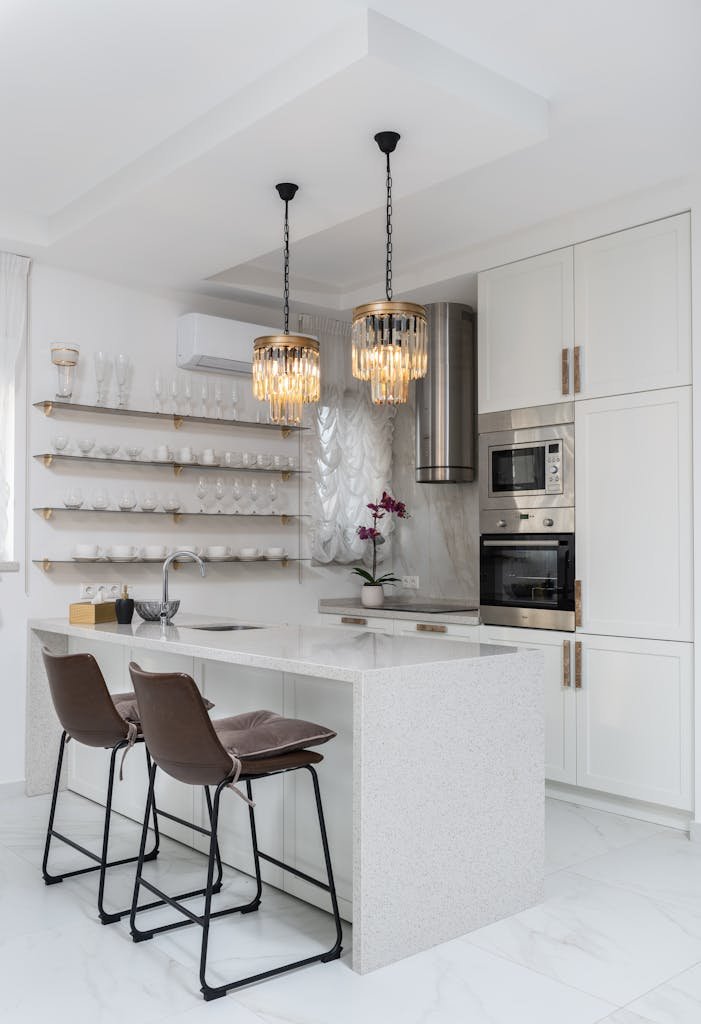
Instead of multiple upper cabinets, minimalist kitchens may rely on a few base cabinets, tall storage units, or concealed pantry walls. The result is a kitchen that feels open, calm, and visually light.
| Characteristic | Minimalist Kitchens |
|---|---|
| Cabinet quantity | Reduced |
| Visual style | Clean and uncluttered |
| Storage strategy | Hidden and selective |
| Appliance integration | Often built in |
| Overall feeling | Open and modern |
Minimalist kitchens work particularly well in modern apartments and contemporary homes where visual simplicity is part of the architectural concept.
Understanding Full Cabinet Kitchens
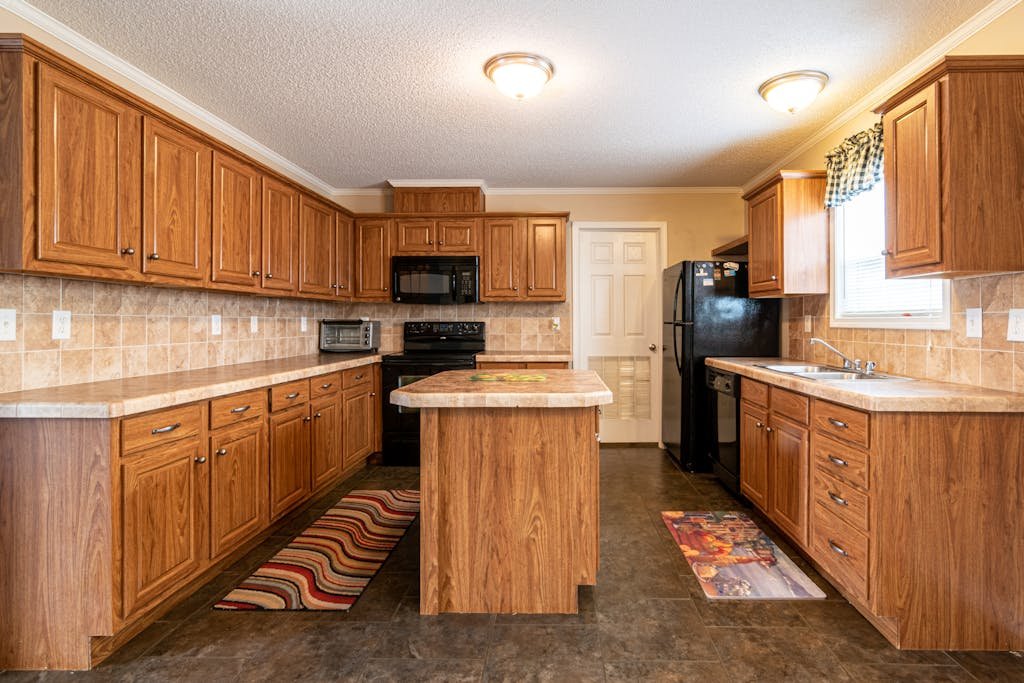
Full cabinet kitchens represent the traditional approach to kitchen storage. Walls are typically filled with upper cabinets, base cabinets, corner units, and pantry systems. The design maximizes storage capacity and ensures that most kitchen tools, appliances, and supplies have dedicated spaces.
This type of kitchen is particularly practical for large households or people who cook frequently and require extensive equipment and ingredient storage.
| Characteristic | Full Cabinet Kitchens |
|---|---|
| Cabinet quantity | Extensive |
| Visual style | Dense but organized |
| Storage strategy | Maximum capacity |
| Appliance integration | Mixed |
| Overall feeling | Functional and traditional |
While visually heavier than minimalist kitchens, full cabinet layouts provide unmatched storage efficiency.
Storage Capacity Comparison
Storage is one of the most important considerations in kitchen planning. The two design strategies differ significantly in how they approach this issue.
| Storage Factor | Minimalist Kitchens | Full Cabinet Kitchens |
|---|---|---|
| Total storage volume | Limited | |
| Visibility of items | Low | |
| Organization needs | High | |
| Pantry capacity | Usually separate | |
| Flexibility | Moderate |
Minimalist kitchens require careful planning to ensure that essential items remain accessible while unnecessary clutter is eliminated. Full cabinet kitchens allow more flexibility because additional cabinets can accommodate a wide range of items.
Cost Implications
The relationship between kitchen style and cost is more complex than it might appear. While minimalist kitchens use fewer cabinets, they often rely on higher quality materials, custom joinery, and integrated appliances.
Full cabinet kitchens may use more cabinetry overall, but individual components can sometimes be less expensive if standard modules are used.
| Cost Factor | Minimalist Kitchens | Full Cabinet Kitchens |
|---|---|---|
| Cabinet quantity | Low | |
| Custom fabrication | Often high | |
| Hardware complexity | Moderate | |
| Installation cost | Moderate | |
| Total cost potential | Moderate to high |
Minimalist kitchens sometimes end up costing more than expected due to the need for precision detailing and concealed storage mechanisms.
Workflow and Kitchen Efficiency
Kitchen workflow is typically evaluated through the concept of the “kitchen work triangle,” which connects the sink, refrigerator, and cooking area. Regardless of style, a well-designed kitchen should support efficient movement between these zones.
| Workflow Factor | Minimalist Kitchens | Full Cabinet Kitchens |
|---|---|---|
| Movement space | More open | |
| Accessibility | Moderate | |
| Cooking efficiency | High if well planned | |
| Storage access | Slightly slower | |
| Visual clarity | Excellent |
Minimalist kitchens can feel more spacious and comfortable to move in, especially in smaller homes. Full cabinet kitchens provide faster access to stored items because everything has a designated compartment nearby.
Visual and Spatial Impact
The visual experience of a kitchen often influences which design approach people choose.
| Visual Factor | Minimalist Kitchens | Full Cabinet Kitchens |
|---|---|---|
| Spatial openness | High | |
| Visual weight | Light | |
| Architectural integration | Excellent | |
| Design complexity | Low | |
| Traditional appearance | Low |
Minimalist kitchens integrate well with open plan living spaces because they appear less like work zones and more like architectural furniture.
Full cabinet kitchens maintain a strong functional identity and are often preferred in homes where the kitchen remains a distinct room.
Maintenance and Cleaning
Maintenance requirements also differ between the two design styles.
| Maintenance Factor | Minimalist Kitchens | Full Cabinet Kitchens |
|---|---|---|
| Surface cleaning | Easier | |
| Dust accumulation | Low | |
| Interior cabinet cleaning | Low | |
| Hardware maintenance | Moderate |
Because minimalist kitchens have fewer surfaces and visible components, they are usually easier to keep visually clean. However, hidden storage areas must remain well organized to prevent clutter from accumulating behind closed panels.
Choosing the Right Kitchen Strategy
The best kitchen design depends on the lifestyle, cooking habits, and spatial conditions of the home.
Minimalist kitchens work best when
• The household prefers a clean visual environment
• Cooking equipment is limited
• Open plan living spaces require visual continuity
• Architectural simplicity is a design priority
Full cabinet kitchens are better suited when
• Large amounts of cookware and appliances must be stored
• The kitchen is used heavily for daily cooking
• Maximum storage efficiency is required
• Traditional functionality is preferred
Conclusion
Minimalist kitchens and full cabinet kitchens represent two distinct design philosophies rather than simple aesthetic choices. Minimalist kitchens prioritize visual clarity, spatial openness, and architectural simplicity. Full cabinet kitchens emphasize storage capacity, accessibility, and practical organization.
In many modern homes, designers combine elements from both approaches. A kitchen may include a minimalist island and open layout while still integrating tall pantry cabinets or hidden storage walls. This hybrid strategy allows designers to balance aesthetics with practicality, ensuring that the kitchen remains both efficient and visually appealing.
Summary
Minimalist kitchens and full cabinet kitchens represent two different approaches to kitchen design. Minimalist kitchens reduce the number of cabinets and emphasize clean surfaces, hidden storage, and open space, creating a calm and visually light environment that fits well in modern homes and open plan interiors. In contrast, full cabinet kitchens maximize storage by using upper and lower cabinets, pantry units, and corner systems, making them highly practical for households that cook frequently and require extensive storage. While minimalist kitchens offer a cleaner appearance and easier surface maintenance, full cabinet kitchens provide greater storage capacity and quicker access to tools and supplies. In many contemporary homes, designers combine elements of both approaches to balance visual simplicity with practical functionality.