Energy-Efficient Home Design: Key Strategies for a Greener Future
Energy-Efficient Home design strategies: glazed windows and insulated doors, Low-E coatings, insulation and systems that cut utility bills and emissions.


Energy-Efficient Home design strategies: glazed windows and insulated doors, Low-E coatings, insulation and systems that cut utility bills and emissions.

Augmented Reality in urban design overlays digital content on public spaces, creating interactive environments that encourage community engagement.
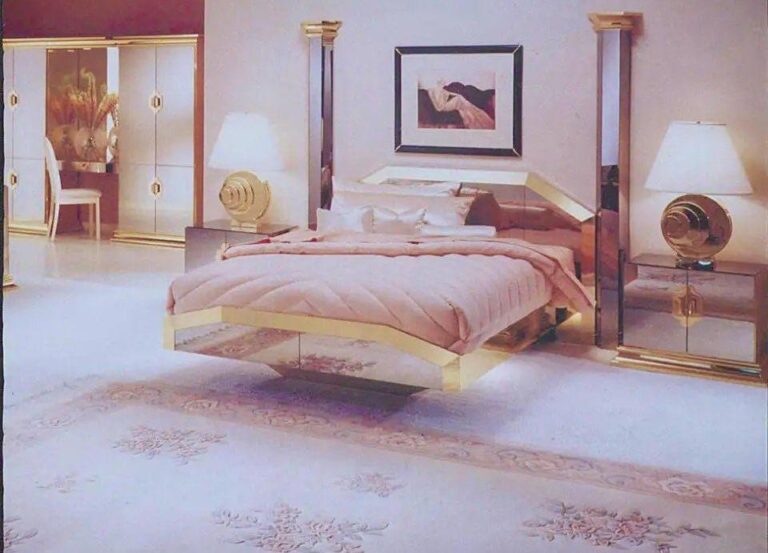
80s Interior Design brought bold colours, geometric patterns, luxurious materials and gold accents; a look at the decade’s glamour and lasting influence.
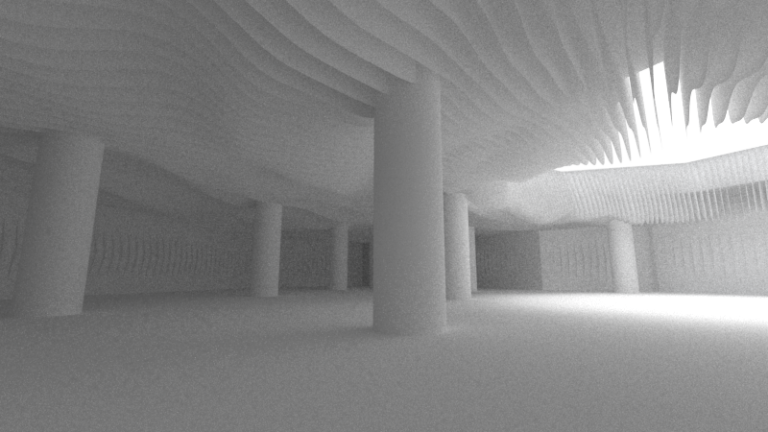
Science Fiction on Architectural innovation: how floating cities, vertical forests and modular habitats moved from the genre into real-world design.

Blockchain in real estate and architecture: how decentralised ledgers and smart contracts bring transparency and security to transactions and records.
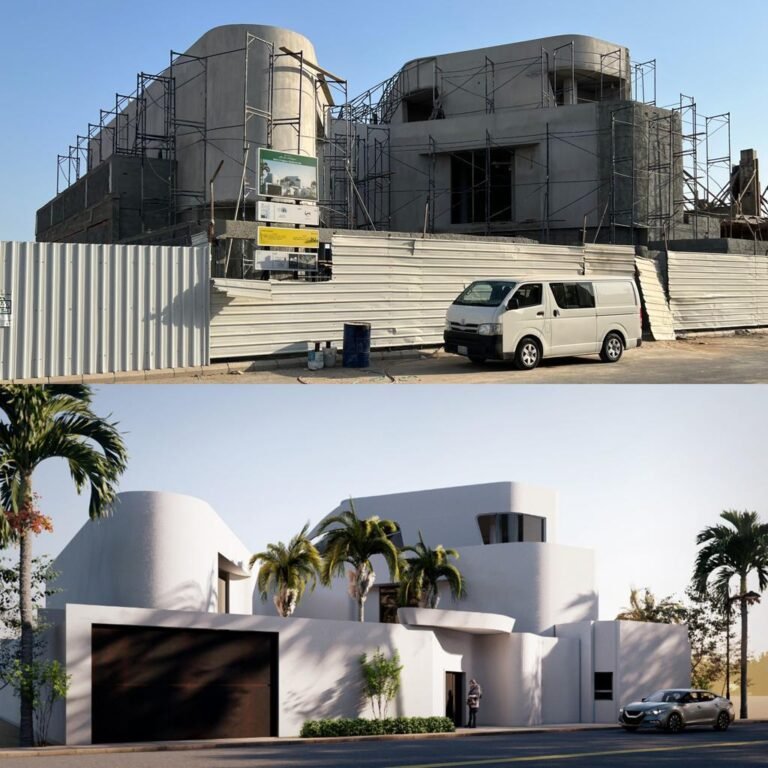
The Impact of Globalization on local architectural styles: how cultural exchange fuses traditions with global trends and challenges regional identity.
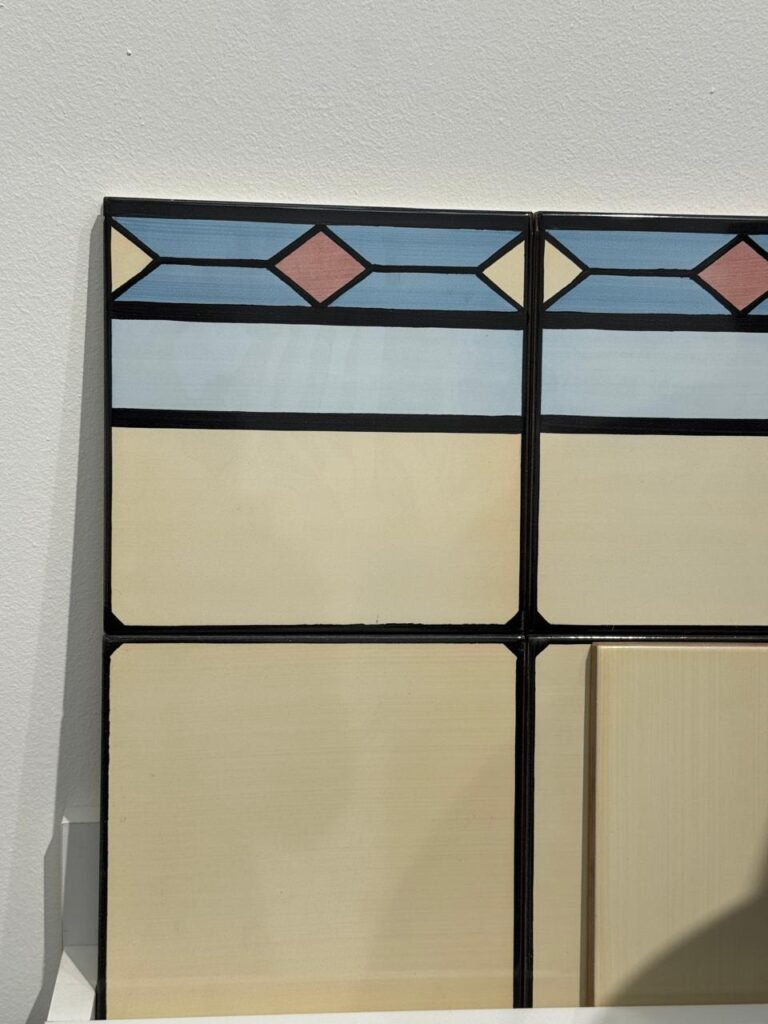
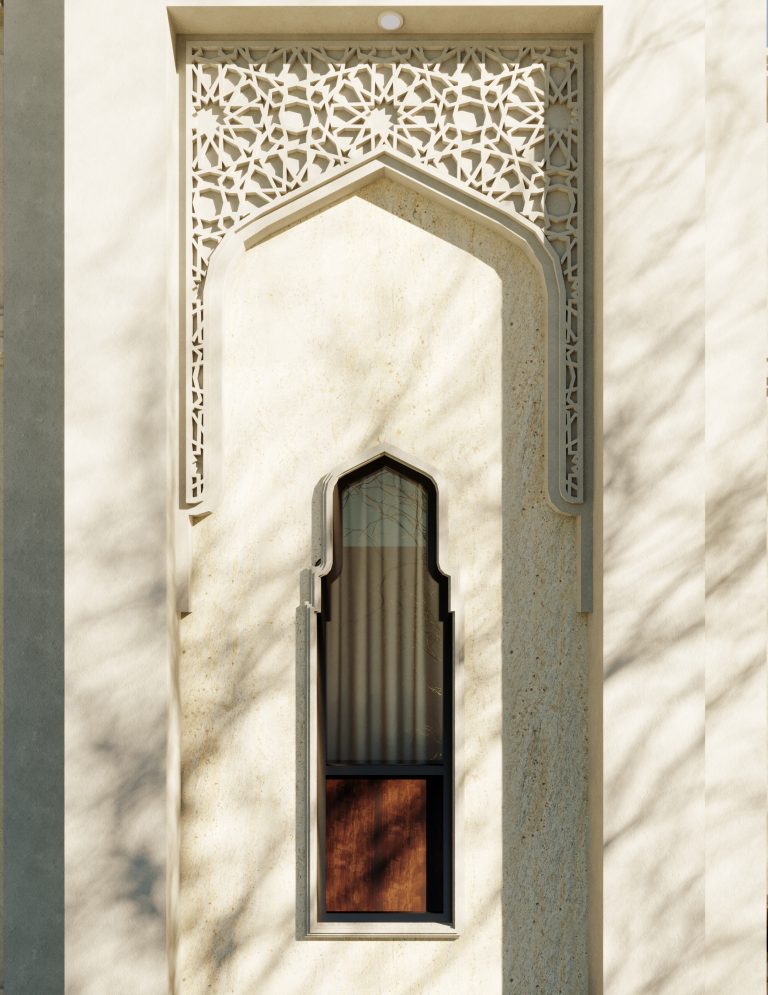
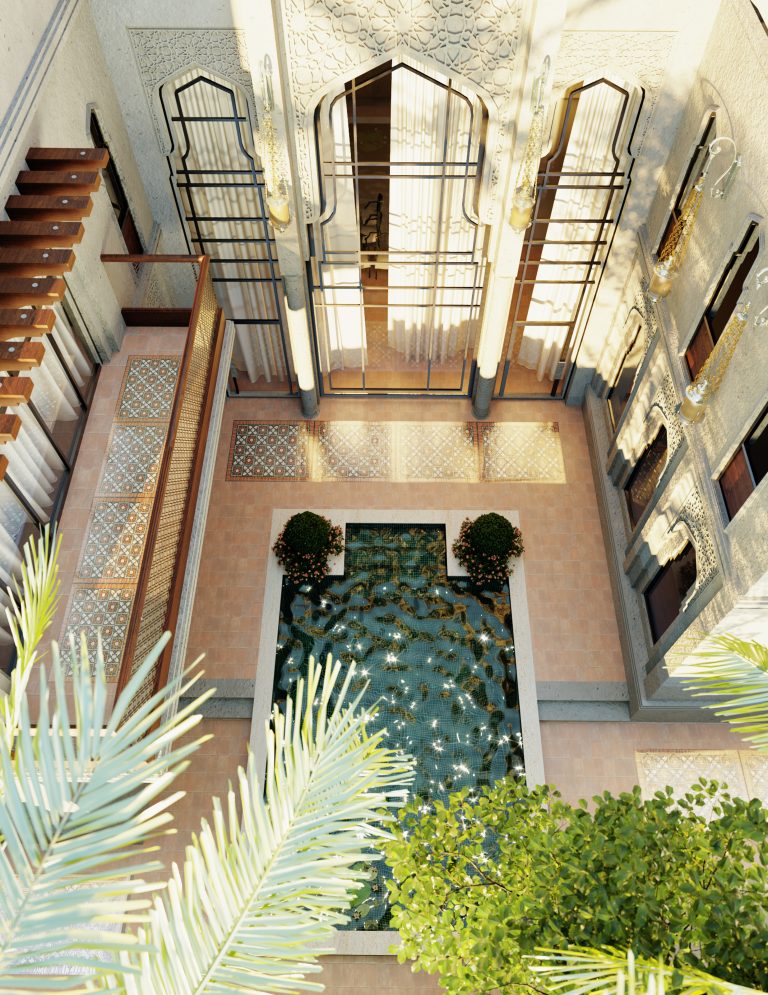
Arabian and Islamic Interior Design and Architecture blend heritage with modern practice: geometric patterns, tile work, courtyards and contemporary spaces.
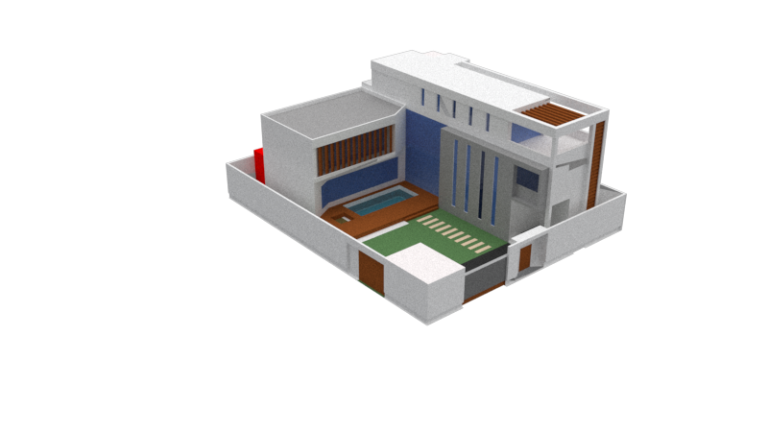
Designing for Flexibility means creating spaces that adapt over time: multi-functional rooms, movable partitions and modular layouts for changing needs.
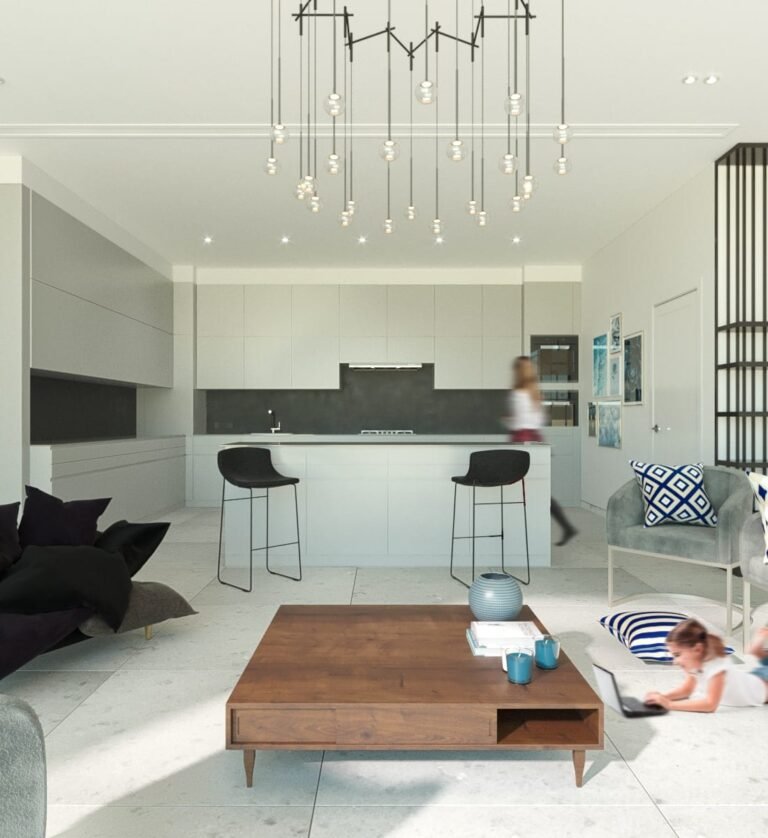
Designing for Mental Health examines how natural light, calming spaces and social connection in buildings reduce stress and support occupant wellbeing.

Architecture Impacts Society well beyond buildings: this article examines how design shapes culture, economic value, public life and individual well-being.

Budget-Friendly Renovations depend on planning: assessing needs versus wants, prioritising upgrades, allocating funds and weighing DIY against professionals.
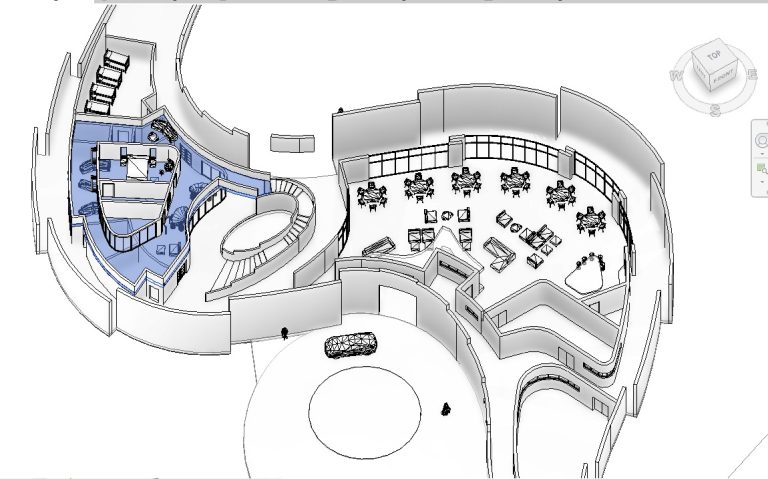
Immersive Interiors use virtual and augmented reality to design and experience interactive spaces; this article explains the concept and its applications.
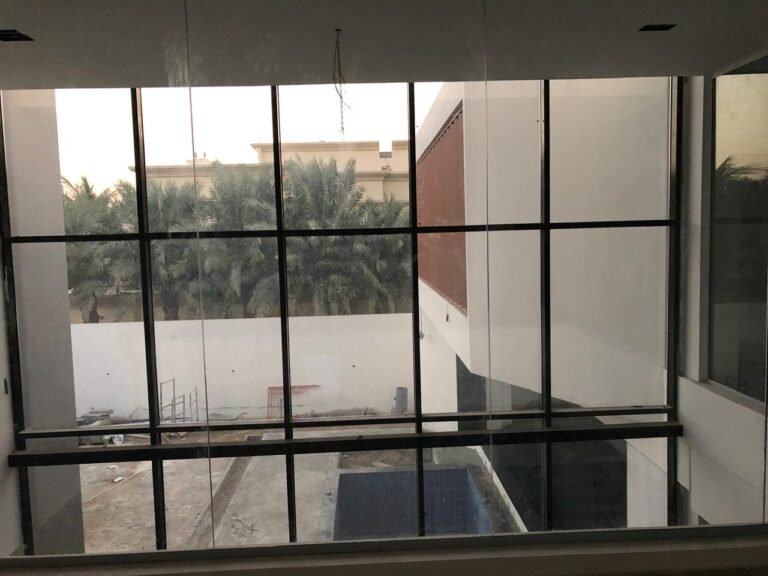
Interior design in Saudi Arabia is balancing traditional textiles, patterns and heritage with modern ideas; this article examines the trends shaping spaces.
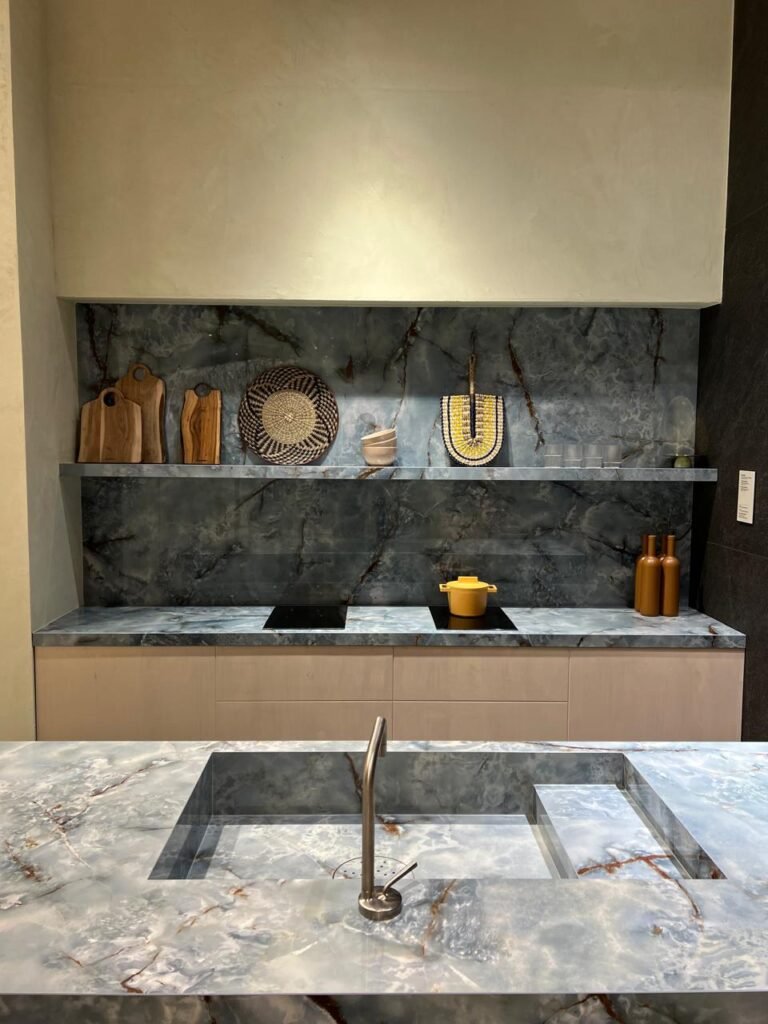
Smart kitchen design in five tips: integrated connectivity, intelligent appliances and well-planned layouts that make the busiest room in the home efficient.

Home improvement hacks from the experts: how to plan and prioritise projects, set a budget and carry out upgrades from simple tweaks to major renovations.

Micro living designs compact urban homes of around 100 to 500 square feet; this article explores the strategies that maximise space and quality of life.
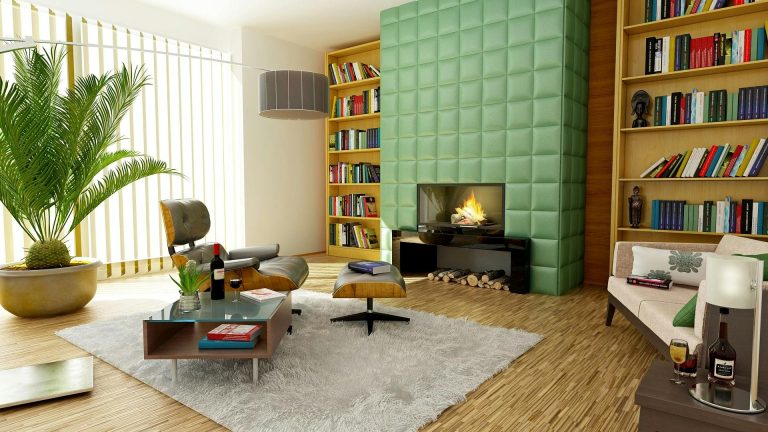
Architecture for wellness: how natural light, air quality, biophilic design and room for movement and social contact shape spaces that support health.
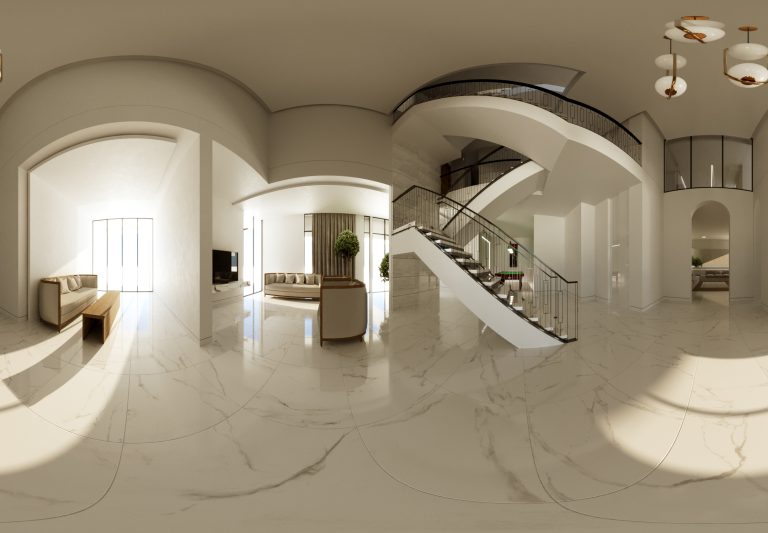
The role of lighting in interior spaces: ambient, task and accent lighting, the psychological effects of light, and practical tips for lighting design.

A practical guide to Islamic interior design through privacy, light, geometry, calligraphy, materials and contemporary detailing.
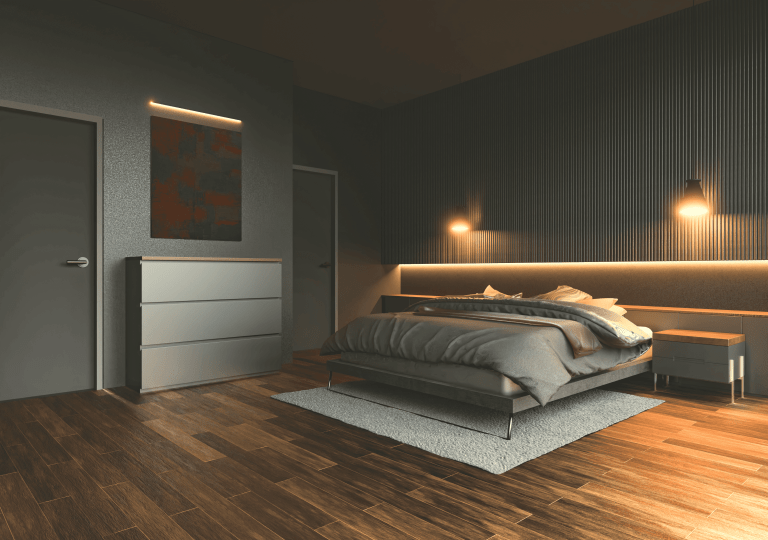
Traditional design elements, refined over centuries, are being reinterpreted in modern architecture and interiors; this article explores how they blend.
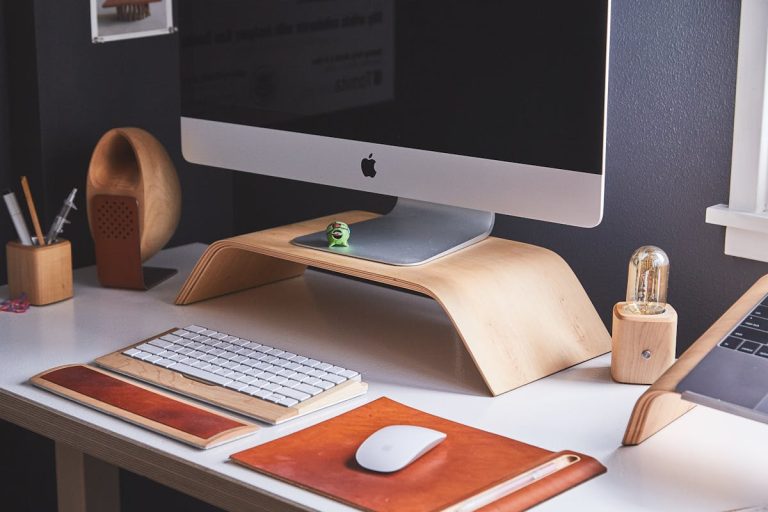
Smart home technology in interior design works best when coordinated with furniture, lighting, acoustics and circulation; this article explains how to plan it.
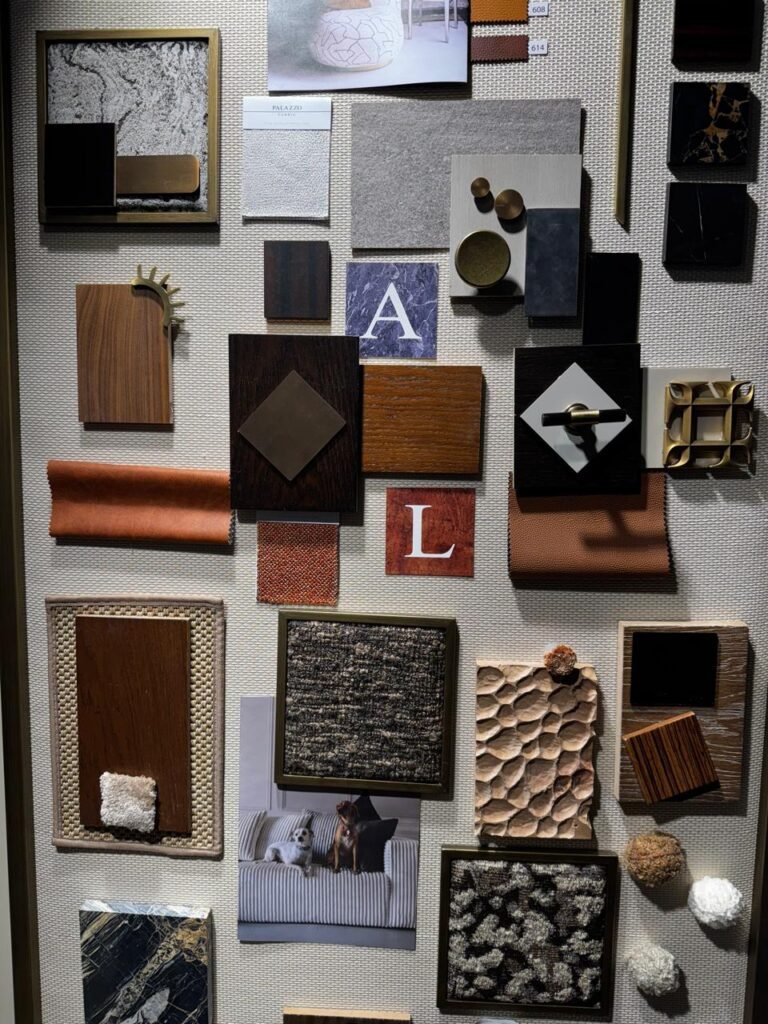
The art of layering in interiors: combining textures, patterns, colours and materials to add depth, dimension and warmth, with tips for applying the technique.
Design principles of the classic tradition, such as symmetry, balance and proportion, and how they can be applied to create timeless, elegant interiors.
Minimalism and luxury can coexist in interior design; this article shows how a restrained palette, quality materials and refined detail create serene opulence.
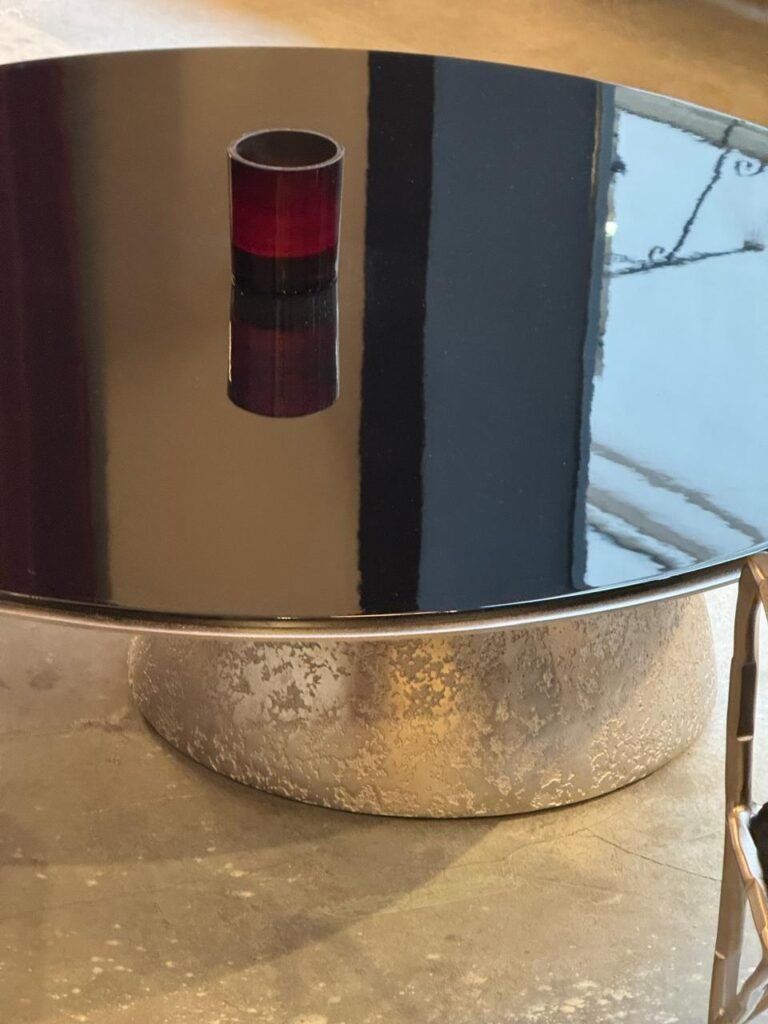
Modern classic interior design blends traditional symmetry, balance and proportion with contemporary elements; this article explains how to apply the style.

Eco-friendly interior design strategies for a sustainable, stylish home: bamboo, reclaimed wood and low-impact practices that reduce your footprint.
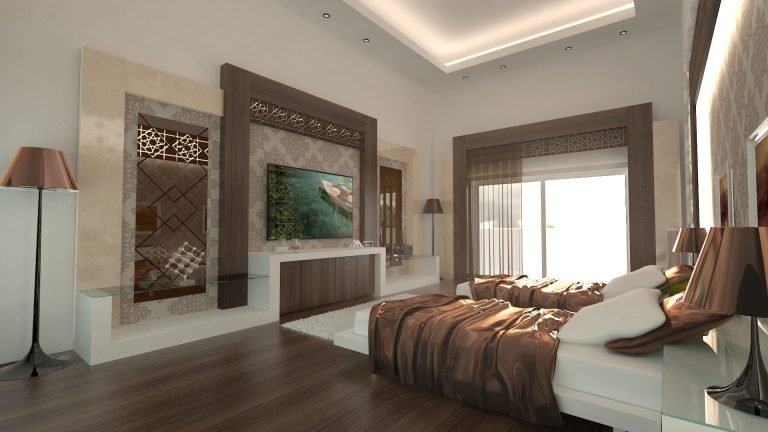
Khaliji interior design from the Arabian Gulf: intricate Islamic-inspired patterns, luxurious materials and a warm palette that create opulent, welcoming homes.
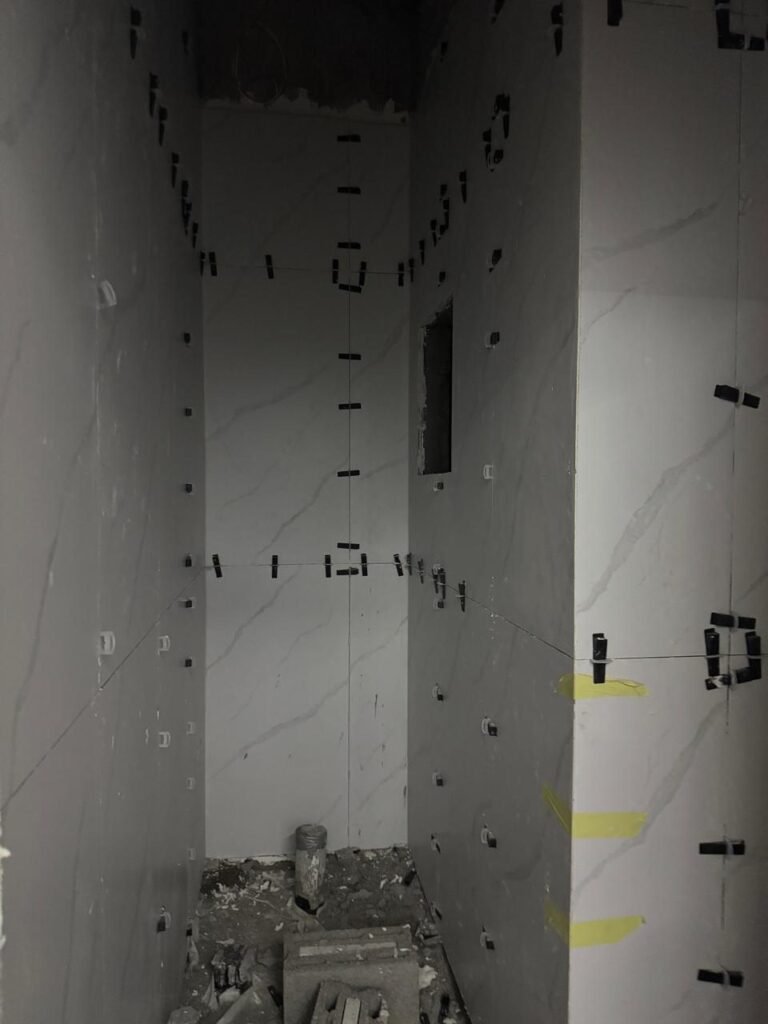
Maximizing small spaces in urban apartments: multi-functional furniture, vertical storage and built-in solutions that make compact homes functional and stylish.
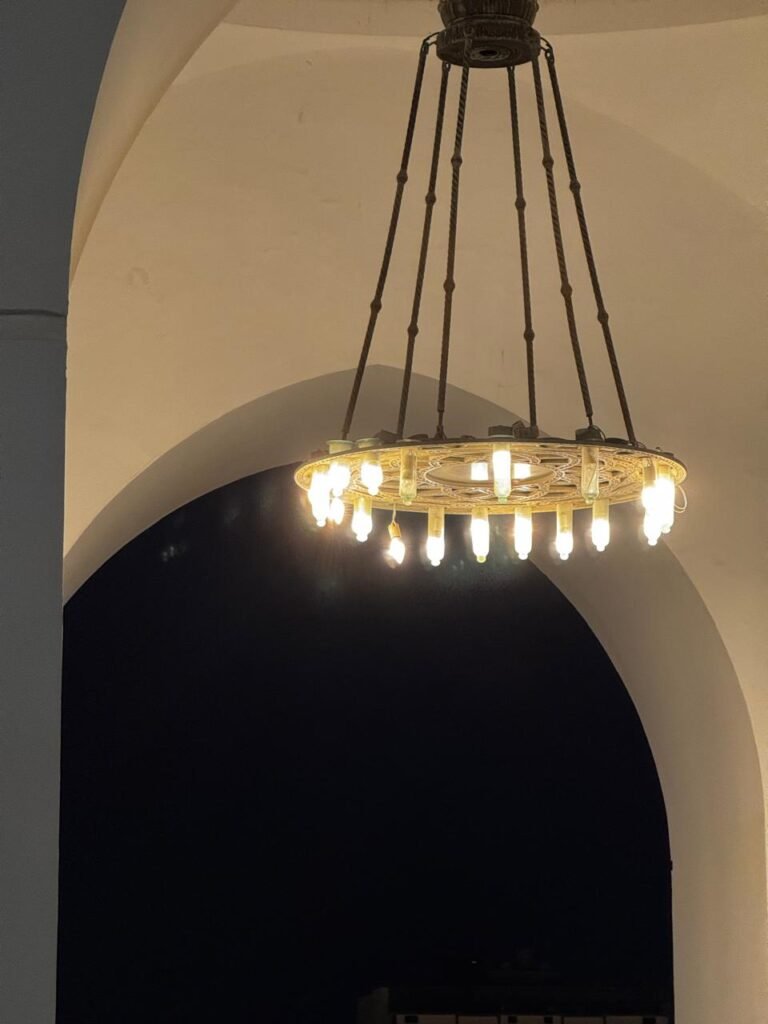
Contemporary Arabian interior design marries traditional patterns, colours and textures with clean modern lines; this article outlines its key elements.
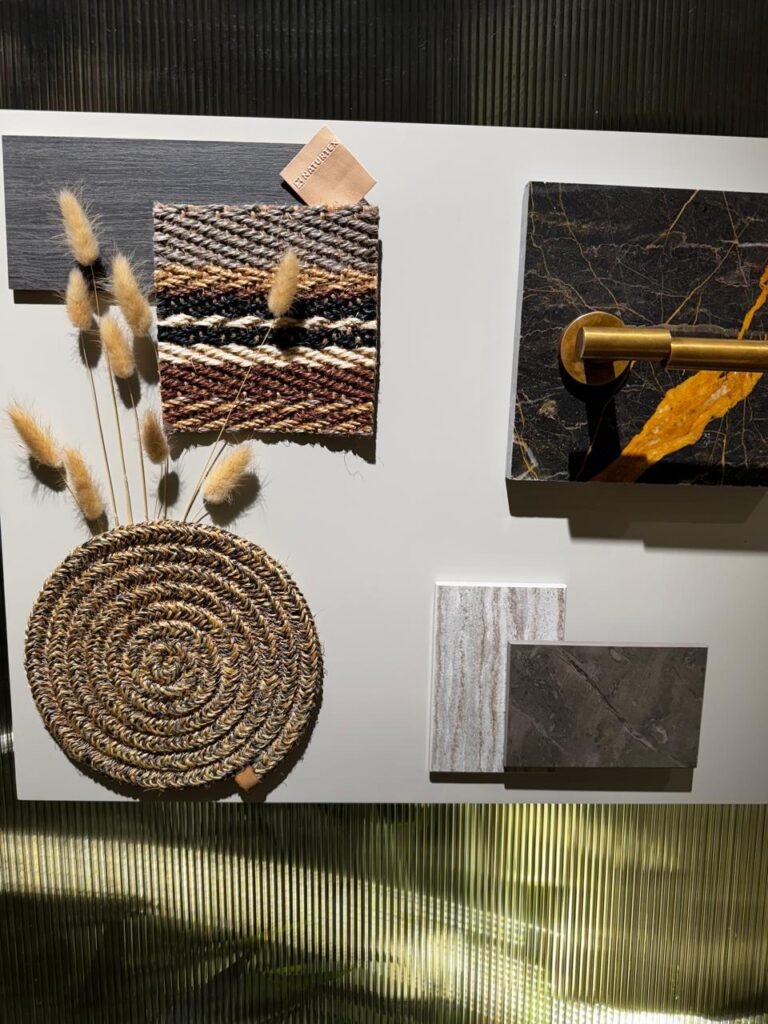
Sustainable materials in interior design, from recycled and upcycled wood, glass and metal to innovative eco-friendly products shaping greener interiors.