During Climate Week, Why Sustainability Must Be Different in Every City
Climate Week raises an architectural question: why must every city define sustainability through its own climate, resources and patterns of life?

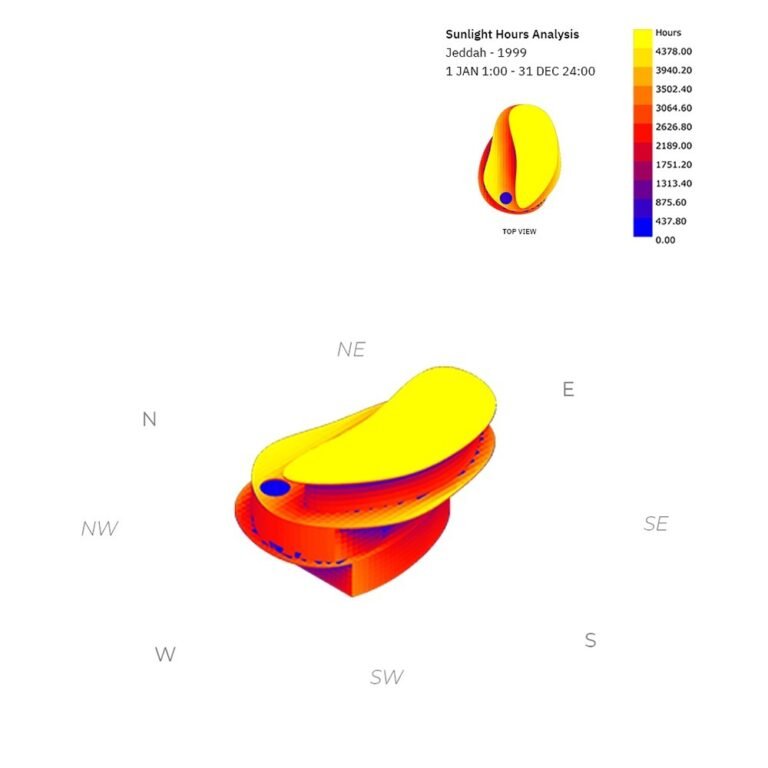
Climate Week raises an architectural question: why must every city define sustainability through its own climate, resources and patterns of life?
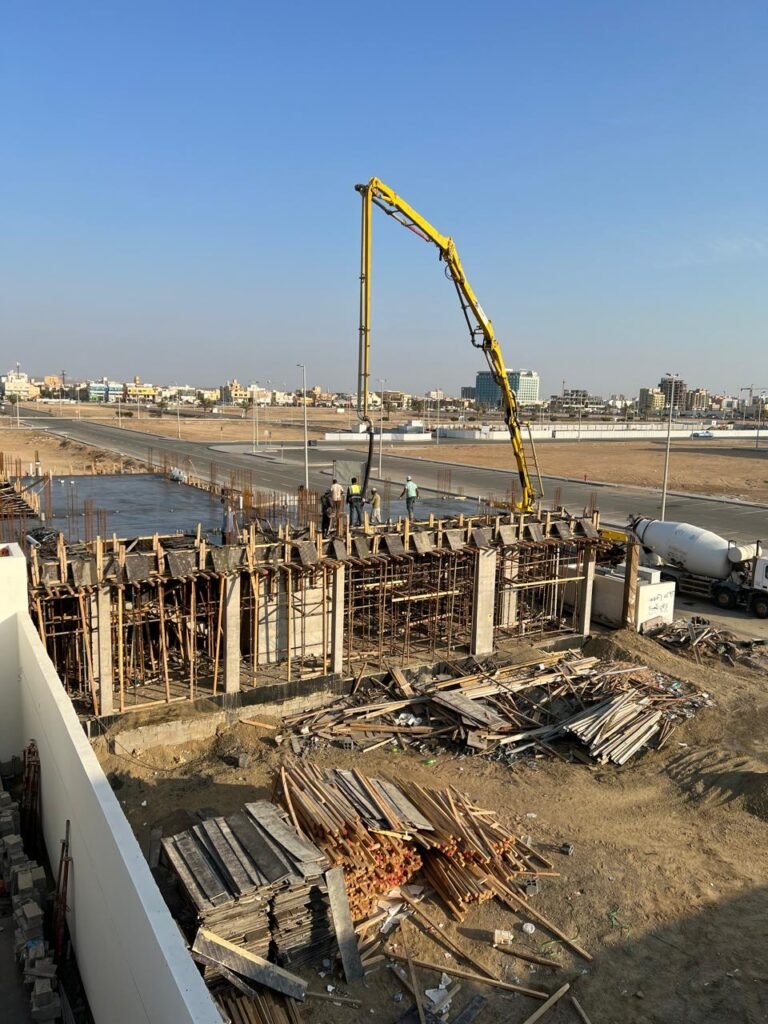
Concrete vs Timber vs Steel: a technical comparison of structural materials by load behaviour, climate response, cost, maintenance and lifecycle value.

Desert Architecture relies on concrete for durability and form. This article examines how INJ Architects treats concrete as structure and design medium.

19th Real Estate Development Summit: INJ Architects joined industry leaders to review sustainable urban planning, construction technology and material sourcing.
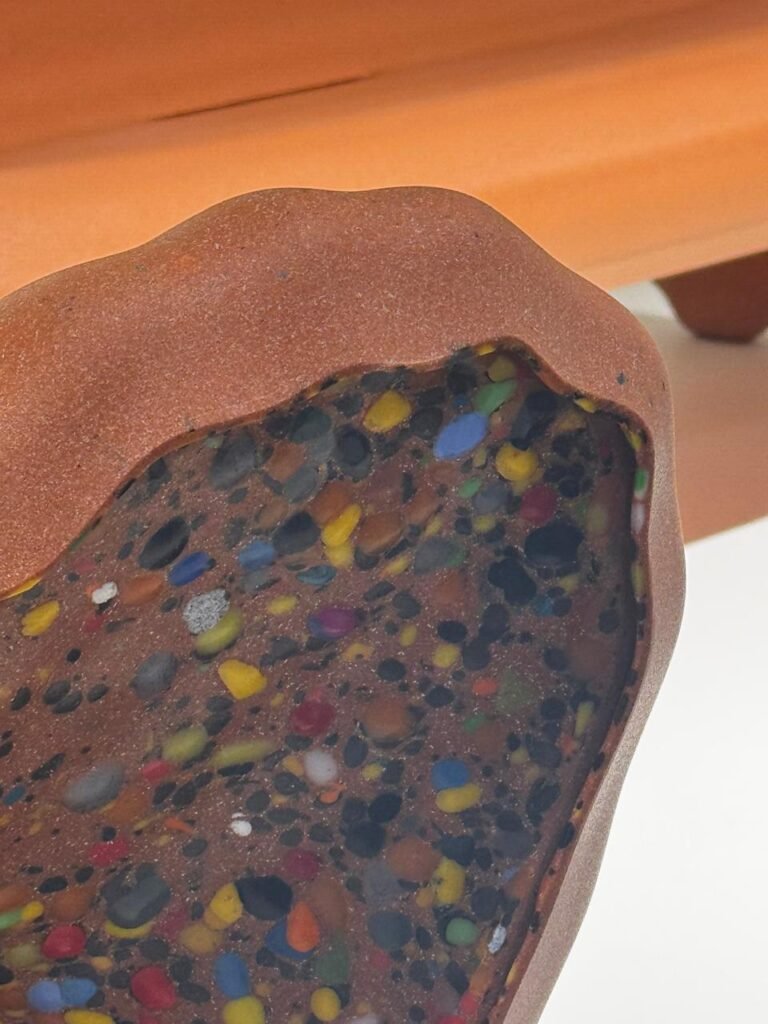
Sustainable diplomacy is expressed through green embassy design. We explore energy, water and material strategies that make consulates environmental statements.
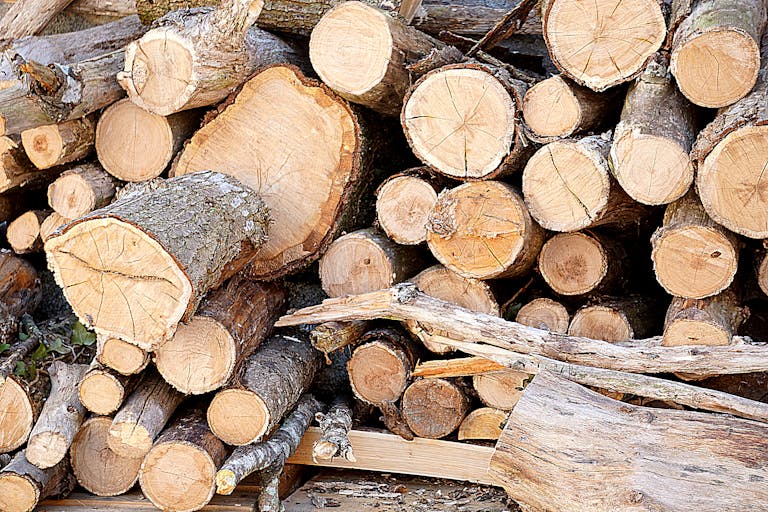
Timber in architecture is examined through its properties, structural and aesthetic uses, and environmental benefits as a renewable, carbon-storing material.
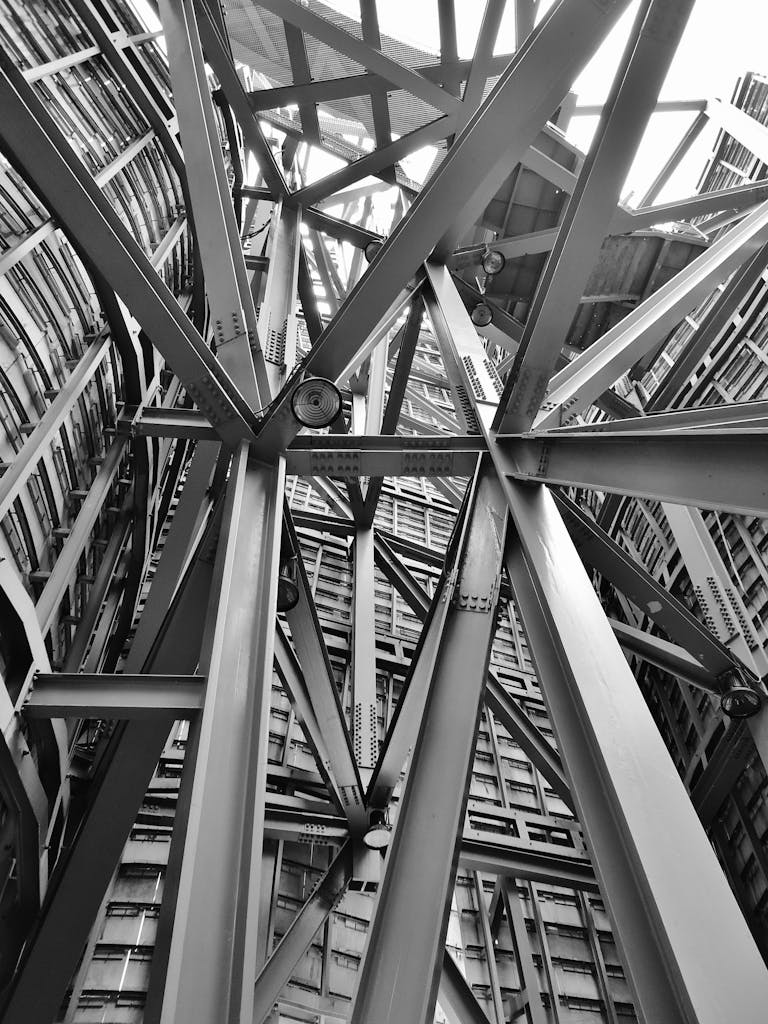
Steel in architecture is explored through its strength, versatility and sustainability, from skyscrapers and bridges to recycling and cleaner manufacturing.
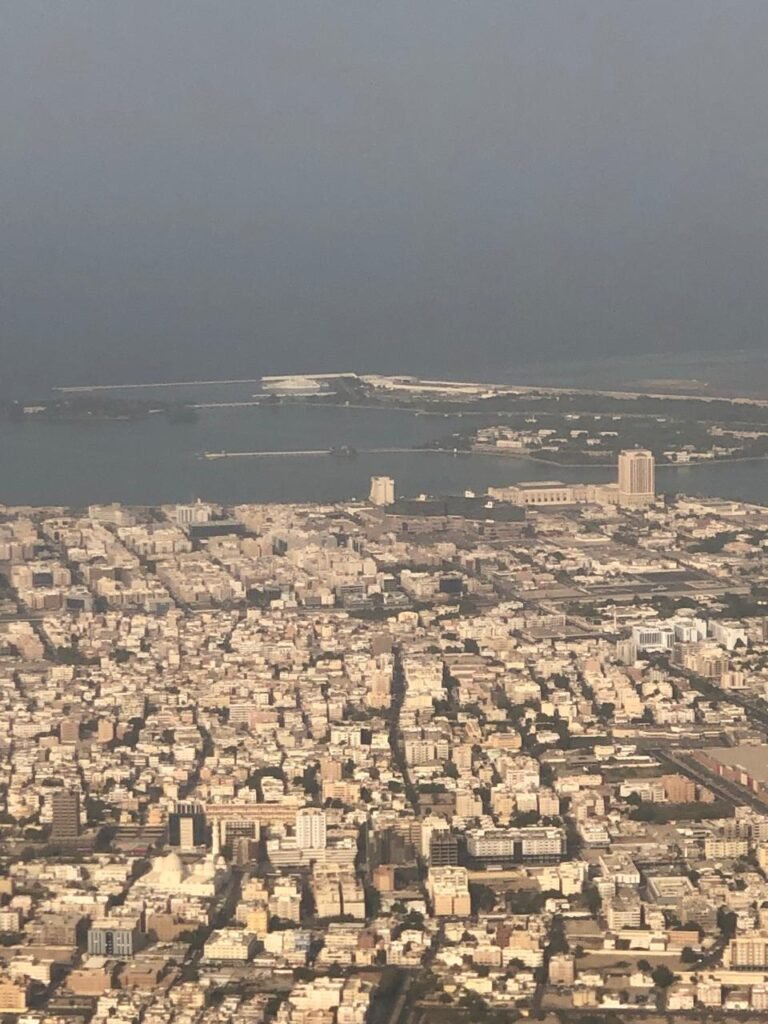
Floating cities offer a resilient, adaptable response to rising sea levels. Why coastal cities from Jakarta to Miami are turning to buoyant urban design.
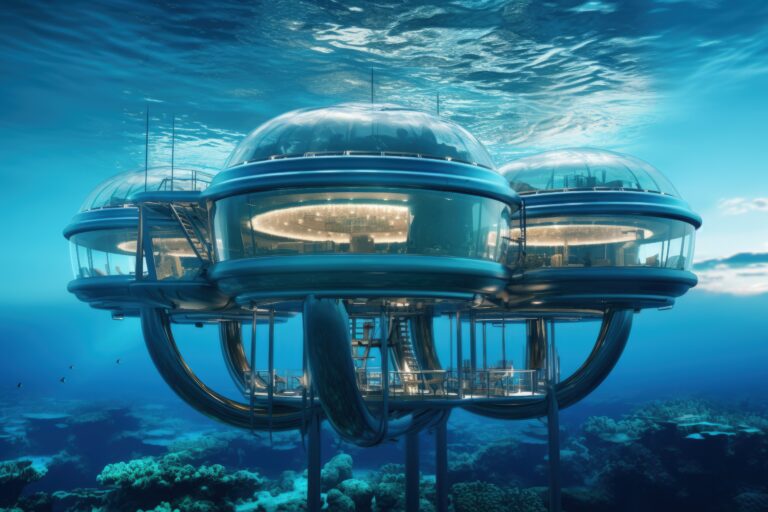
Underwater architecture is moving from science fiction to emerging reality. Why build beneath the sea, and the challenges and possibilities of ocean cities.
Bio-concrete uses alkaliphilic bacteria to heal cracks autonomously with calcium carbonate. How self-healing concrete works and its role in sustainable construction.
Siphon toilet history and engineering: how water-based sanitation reshaped cities and public health, and the sustainable alternatives now replacing it.

Technology in sustainable architecture improves building performance and reduces environmental impact. The innovations shaping energy-efficient design.

Emergency management in architecture: how resilient design prepares buildings and cities for natural disasters and crises, with global strategies and key data.
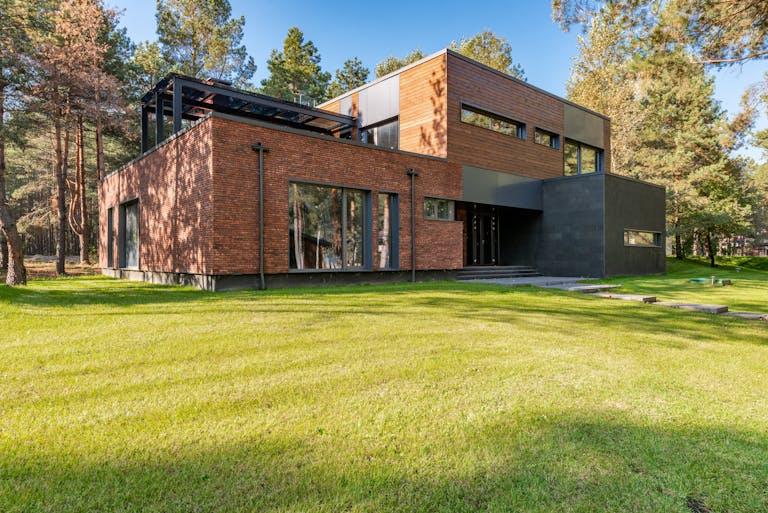
Sustainable architecture minimises environmental impact through energy-efficient materials, passive design and water stewardship. Why it is the future.

Preventive maintenance for infrastructure keeps essential systems efficient and durable. How scheduled inspections support sustainability and cut repair costs.

The future of housing for Generation Beta: smaller urban spaces, adaptable multifunctional interiors and technology shaped by demographic and climate change.
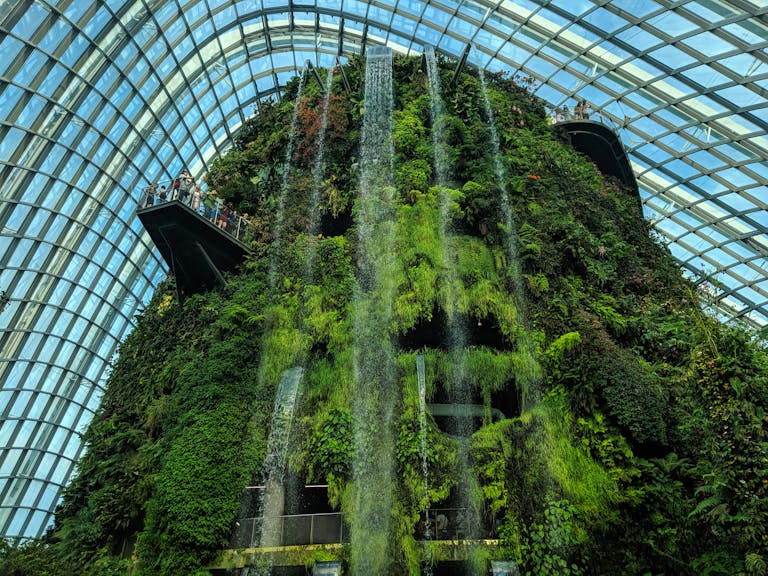
Sustainability certifications in architecture, from LEED to zero carbon standards, benchmark green building practice. How each scheme shapes design worldwide.

Natural Stones in Architecture and Interior Design: how marble, granite and limestone differ in properties, appearance and applications in modern design.

Sustainable Construction using recycled materials: how reclaimed concrete, aggregate and other inputs conserve resources and support a circular economy.

Circular Economy in Construction applies lifecycle thinking to design, minimising waste and maximising resource efficiency from materials to demolition.
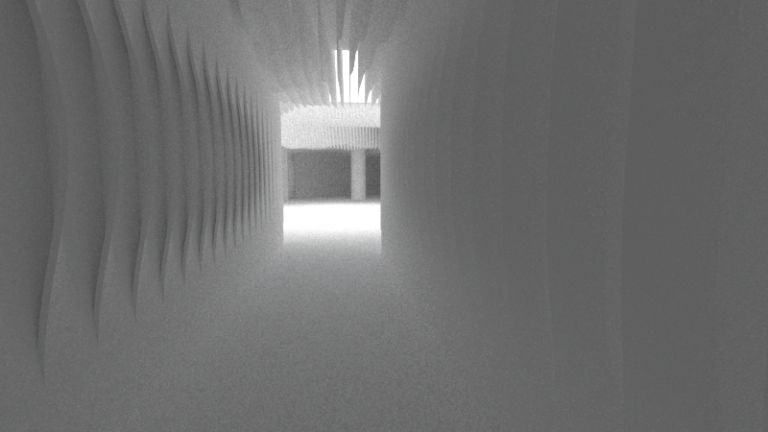
Service Voids house mechanical, electrical and plumbing systems, storage and back corridors; their design improves building efficiency and maintenance.
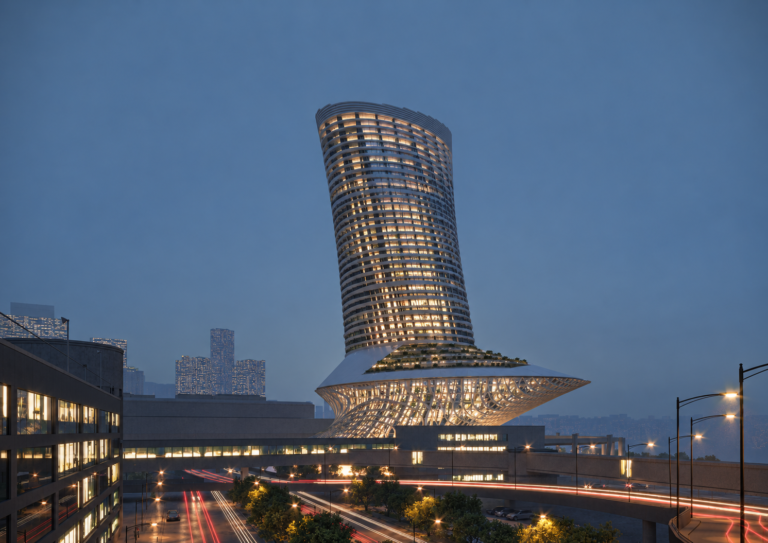
Sustainable Skyscrapers reduce the environmental cost of building tall through recycled steel, low-carbon concrete, green insulation and efficient systems.

Generative Design uses computational algorithms to explore many options and optimise urban spaces for sustainability, energy efficiency and function.
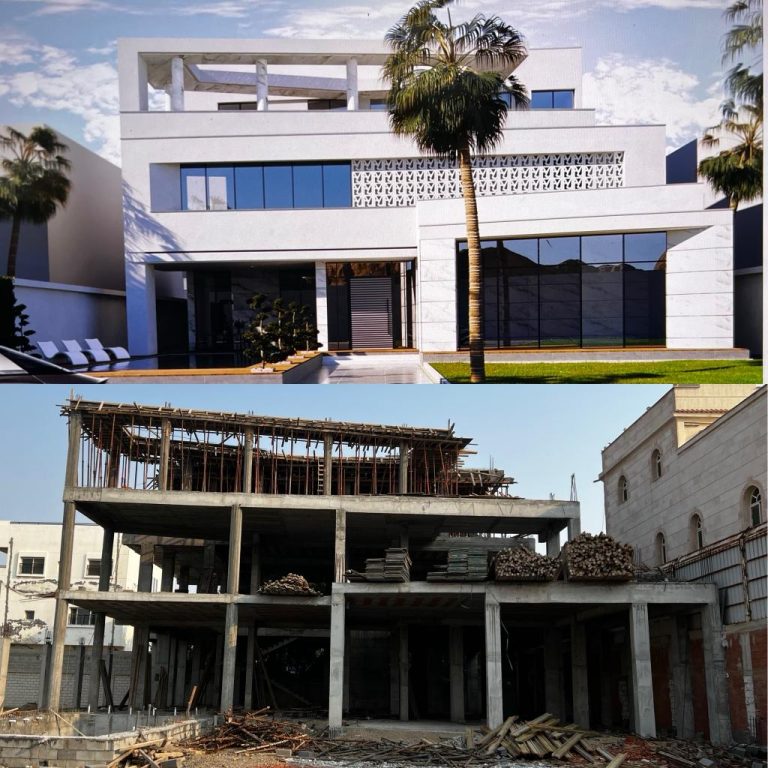
Sustainable Luxury redefines high-end design through quality, craftsmanship and environmental responsibility, blending opulence with eco-conscious choices.
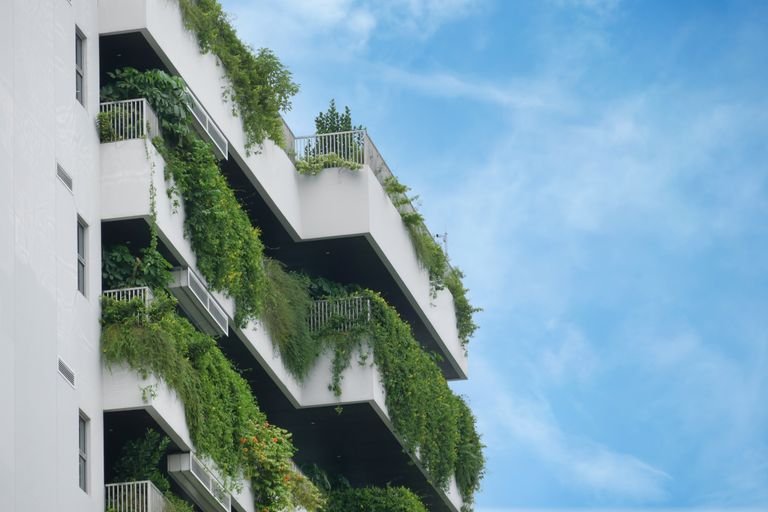
Sustainable Landscaping designs outdoor areas to conserve water, reduce waste and support biodiversity; a guide to eco-friendly planning and plant choices.
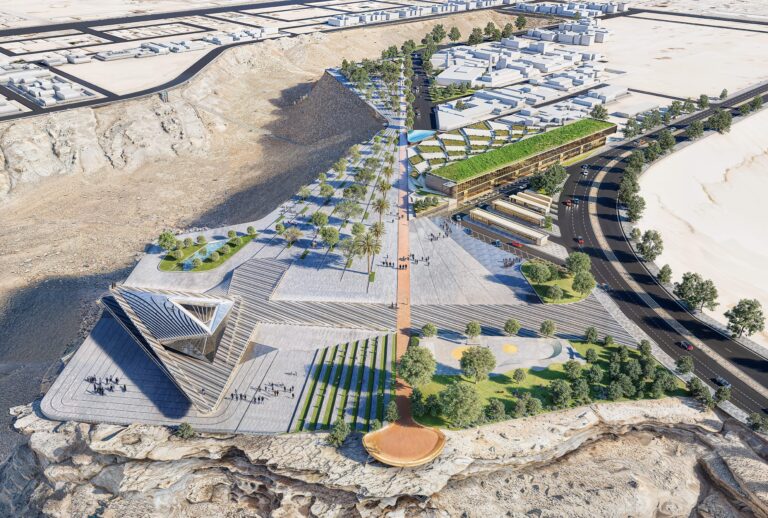
Smart Cities explained through their core elements: connected infrastructure, IoT sensor networks, sustainable systems and data-driven urban efficiency.

Sustainability and high-end design meet in eco-luxury: sustainable materials, energy-efficient technology and eco-conscious practice without sacrificing style.

Eco-friendly interior design strategies for a sustainable, stylish home: bamboo, reclaimed wood and low-impact practices that reduce your footprint.
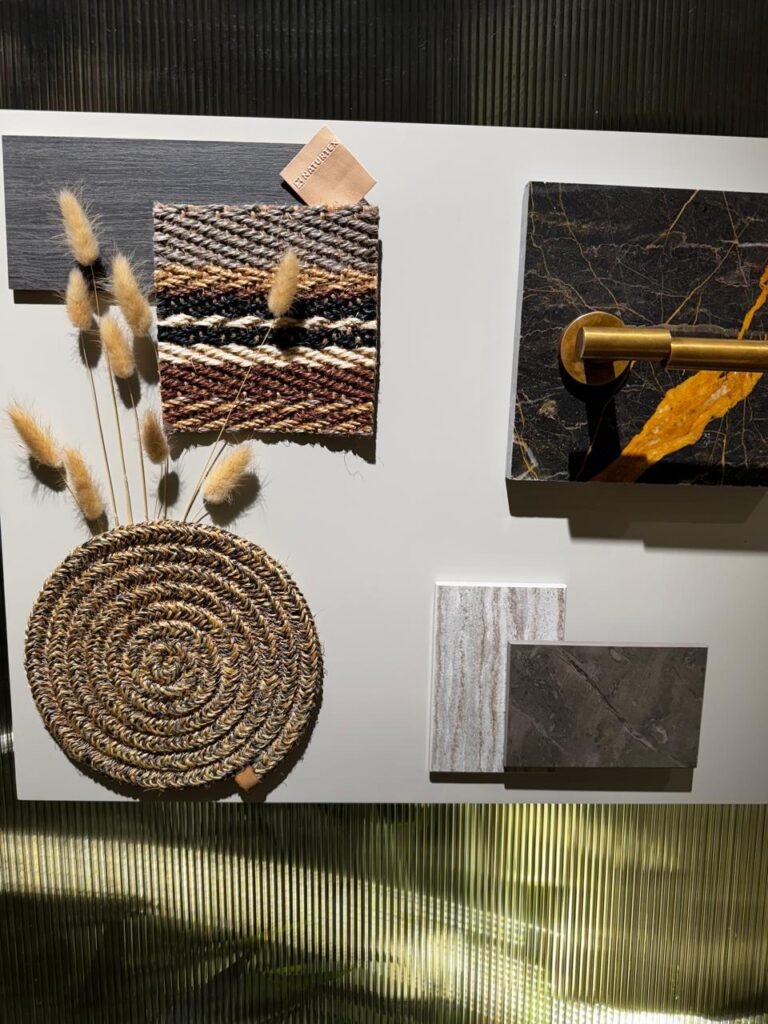
Sustainable materials in interior design, from recycled and upcycled wood, glass and metal to innovative eco-friendly products shaping greener interiors.

Sustainable architecture in the Middle East has evolved from wind towers and courtyard houses to modern green building; this article traces that journey.