Climate Change’s Effect on Building Design
Climate Change and its effect on building design: rising temperatures, structural stability and how architects and builders must adapt their methods.


Climate Change and its effect on building design: rising temperatures, structural stability and how architects and builders must adapt their methods.

Eco-friendly home explained: what makes a house sustainable, from harmonious siting and recyclable materials to low-energy appliances and reduced waste.
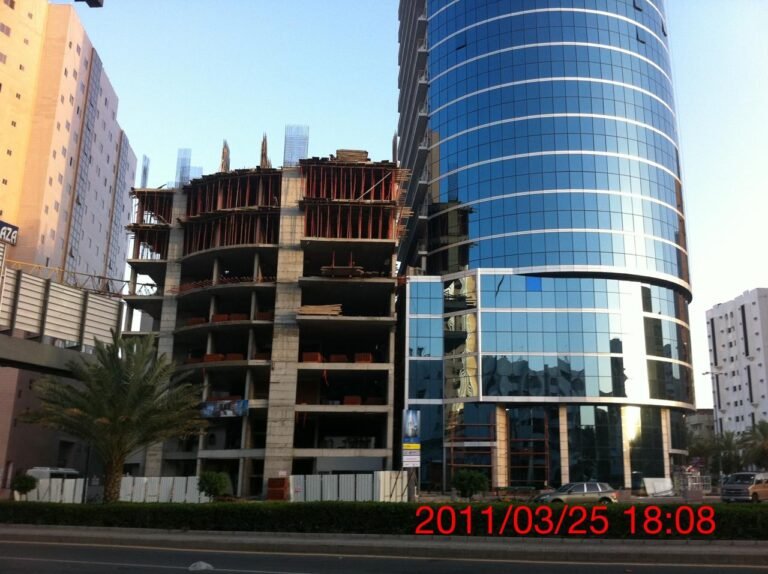
Vertical City living as a response to population growth: why dense upward development protects land and habitats, and how to live sustainably in it.

Renewable energy for heating and cooling buildings: how thermal concrete activation (TCA) stores energy in load-bearing concrete, and the role of ECOPACT concrete.
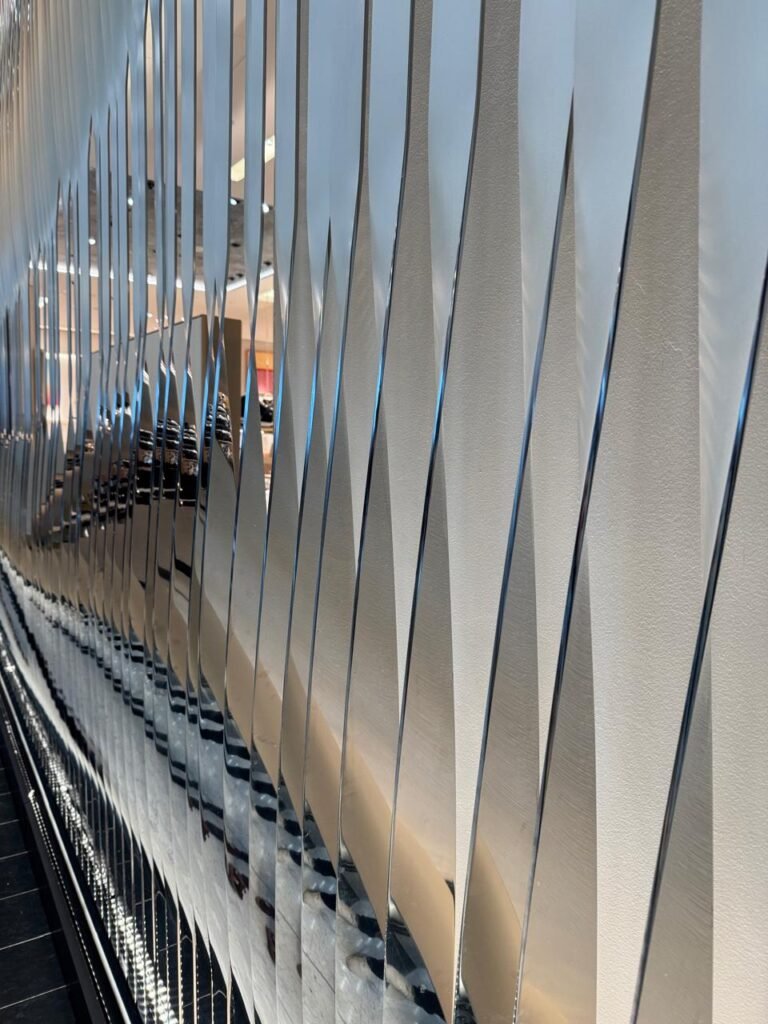
Dynamic architecture and sustainability: an analytical and applied study of two global building models that yields 39 design standards for adaptable buildings.
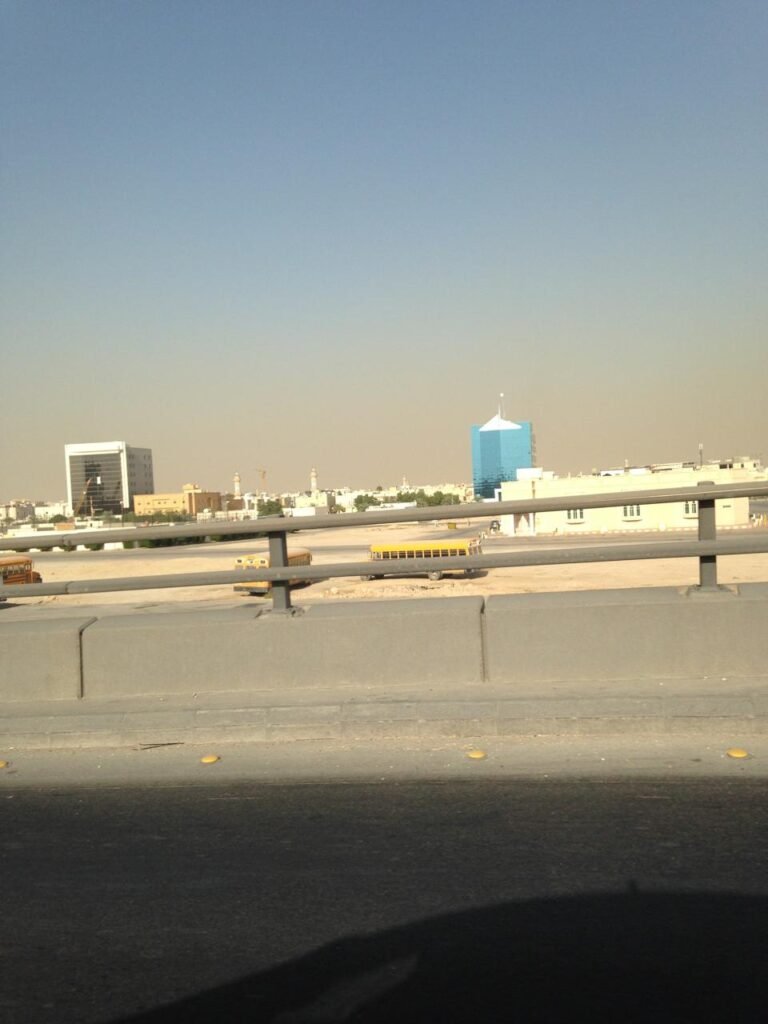
Urban space for moving people: how holistic city design that centres inhabitants improves wellbeing and makes sustainable transport the easier daily choice.
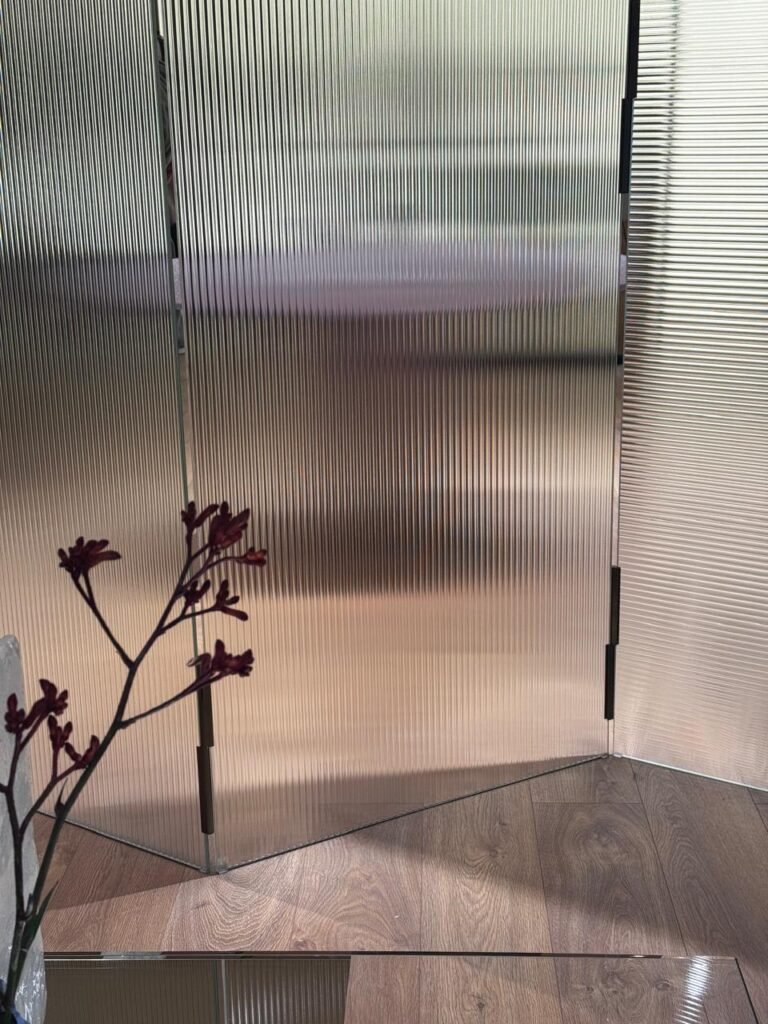
Cladding panels their sizes and installation: what cladding is, how it protects building exteriors, the standard sizes available and how the panels are fitted.
Aluminum sectors used in the facades of Saudi buildings: the most common profiles, such as the Smart section, their sizes and how they suit building height.
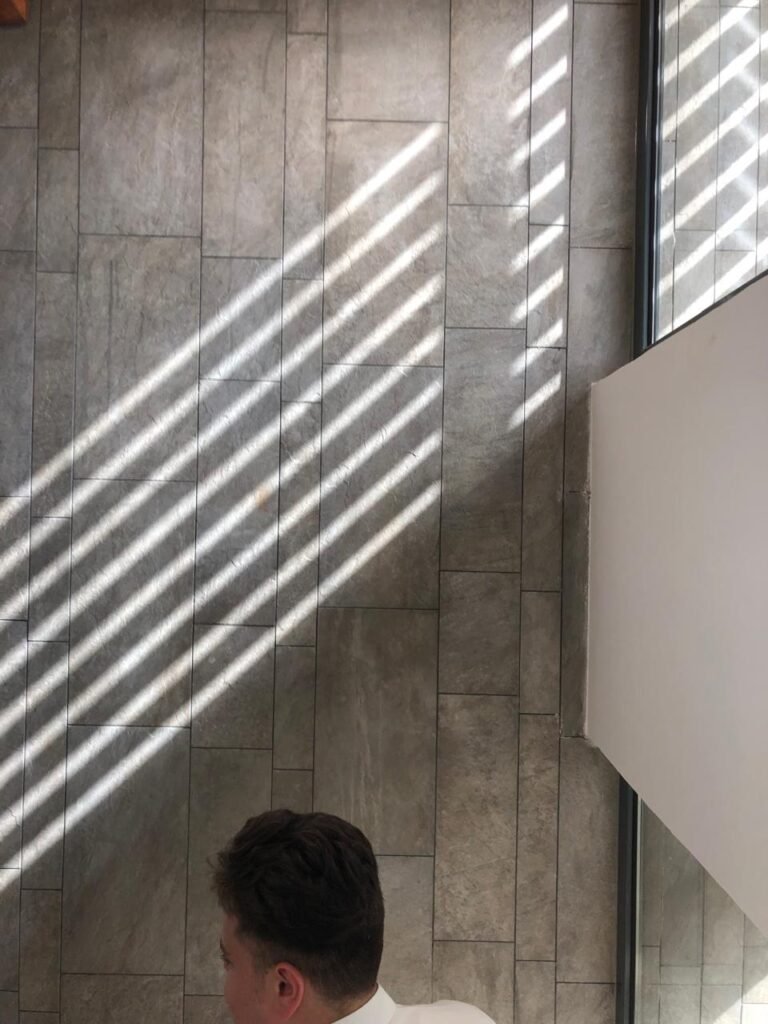
Environmental factors that matter for buildings: wind, sunlight, temperature and rain, and how design and construction methods adapt to each site’s conditions.
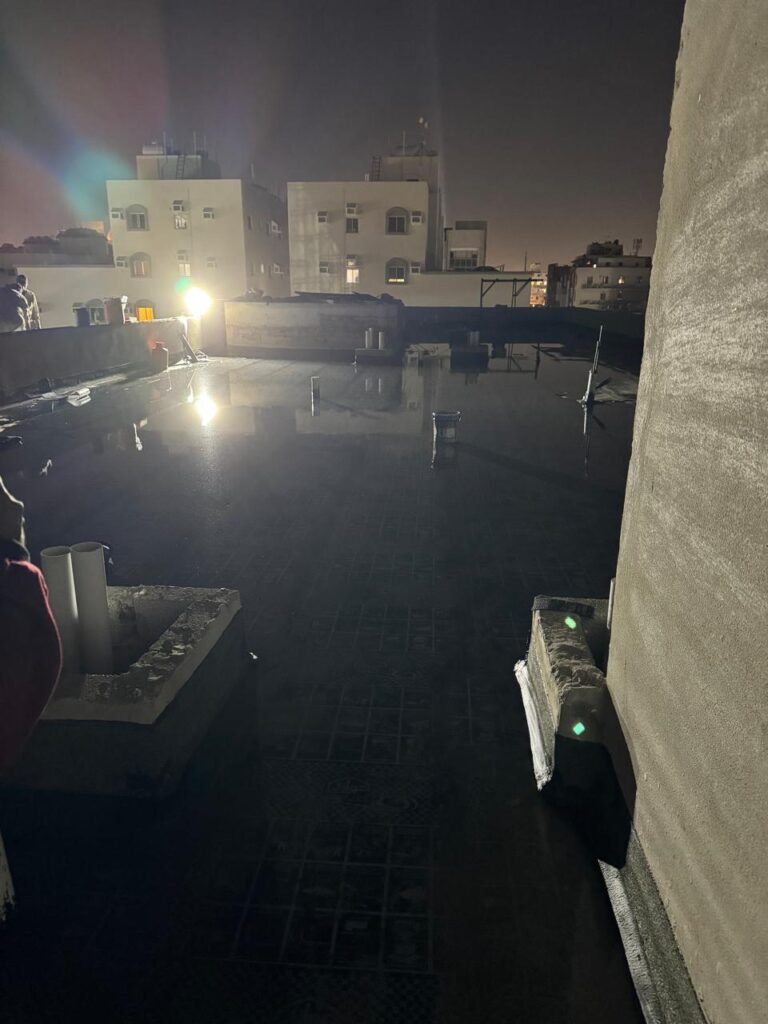
Environmental change sways buildings and structures: wetter winters, hotter summers, higher groundwater and storm floods call for climate-ready design choices.
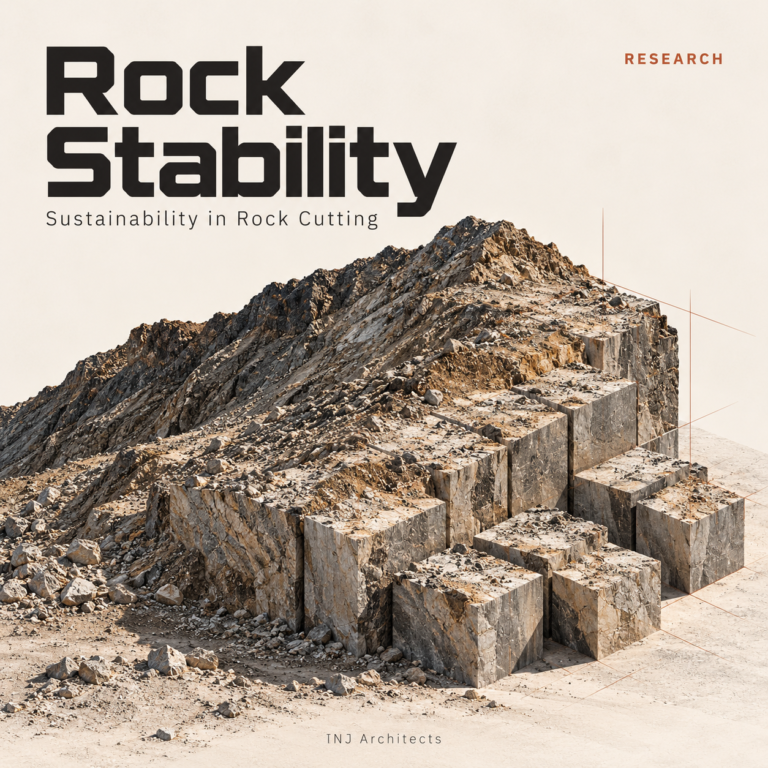
Supportable design in architecture: what sustainability truly means for buildings and cities, and why planners now integrate ecological factors into every plan.
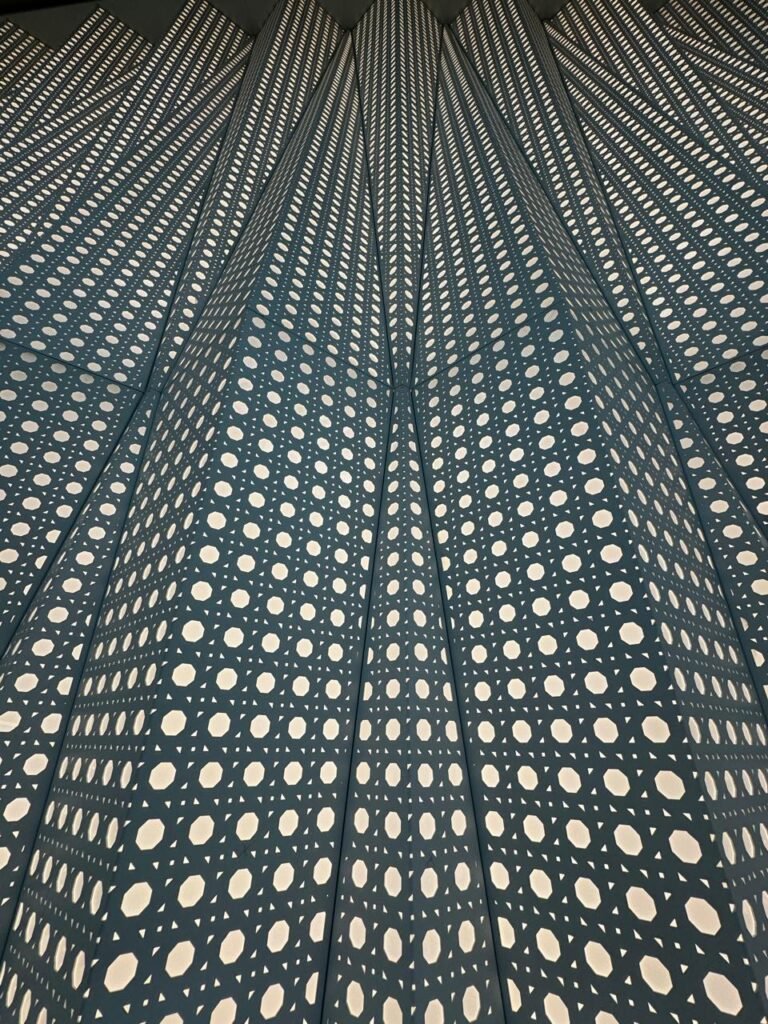
Sustainable architecture is more than solar panels on a tower. It is a logic that weighs operational and embodied carbon, passive design and honest assessment.

Resilient design principles explained: how buildings and communities adapt to disasters, power loss and climate change while maintaining function and vitality.

Climate change is rewriting the assumptions behind buildings and infrastructure, from drainage and flooding to cooling loads, material durability and coastal resilience.

Daylight is a measurable, cost-saving asset, and seven connected strategies, from orientation to interior reflectance, turn it into a tool for health and energy.

More than half of humanity now lives in cities. Sustainable urbanization is the discipline of growing them without exhausting the systems that growth depends on.

Sustainable architecture defined: design that creates healthy environments while reducing environmental impact, energy and resource use over a building’s life.

Green architecture reduces the impact of buildings on their surroundings through energy conservation, recycled materials and biodiversity; a short guide.
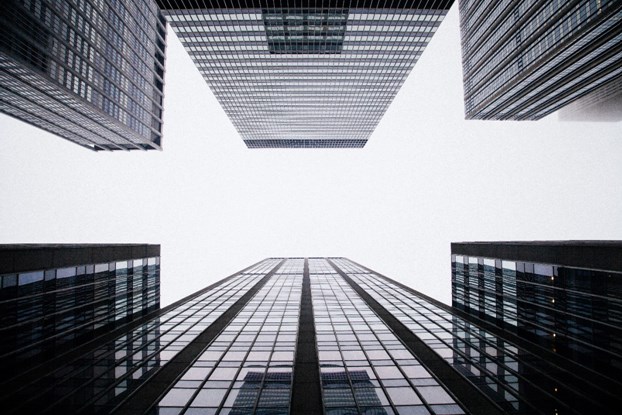
Sustainable architectural design and global warming: how climate change affects buildings, and what a sustainable design intervention can achieve in response.
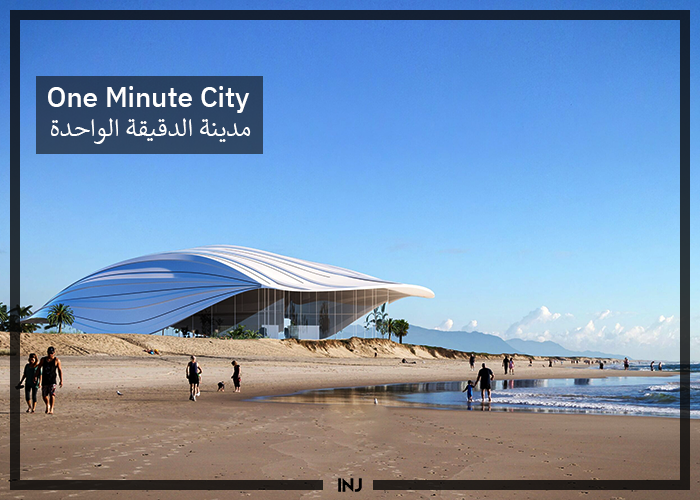
One minute city explained: an experimental civic model born during the pandemic, where residents reshape the street outside their door into shared space.
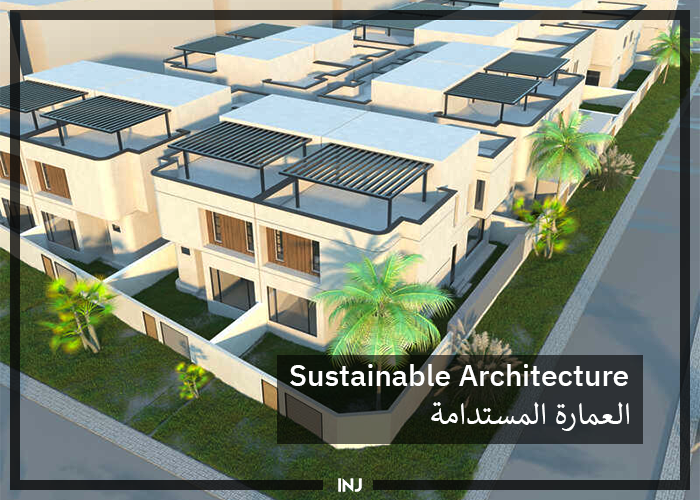
Sustainable architecture reduces the environmental impact of buildings through efficient use of materials, energy and space; this article explains the concept.