The Difference Between Architectural Drawings and Interior Design Drawings
Drawings are the primary language of design and construction. They communicate dimensions, materials, layouts, systems, and technical instructions between designers, engineers, contractors, and clients. However, not all drawings serve the same purpose. Two commonly confused categories are architectural drawings and interior design drawings.
Although both contribute to the same project, they focus on different scales, priorities, and levels of detail. Architectural drawings primarily define the building itself, while interior design drawings focus on the internal environment, finishes, furniture, and user experience.
Understanding the distinction helps clients, students, and professionals coordinate projects more effectively.
What are Architectural Drawings
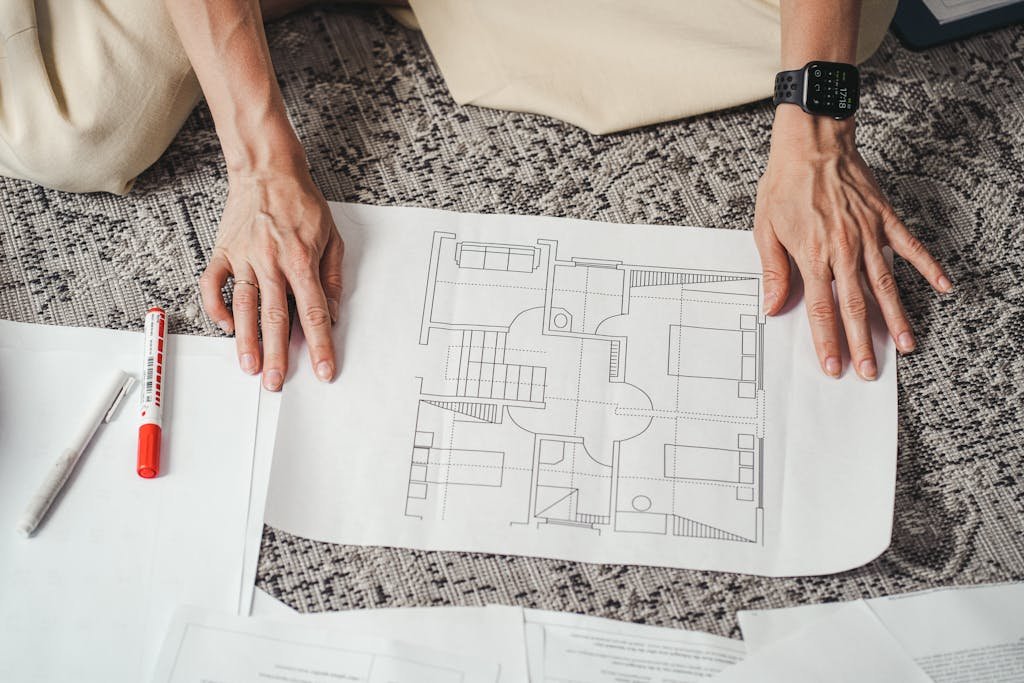
Architectural drawings communicate the building’s structure, layout, dimensions, and relationship to the site.
| Characteristic | Architectural Drawings |
|---|---|
| Main focus | Building design |
| Scale | Building and site level |
| Primary users | Architects, engineers, contractors |
| Technical scope | Structural and spatial |
| Project phase | Early to construction stages |
Architectural drawings establish how the building is organized and constructed.
What are Interior Design Drawings
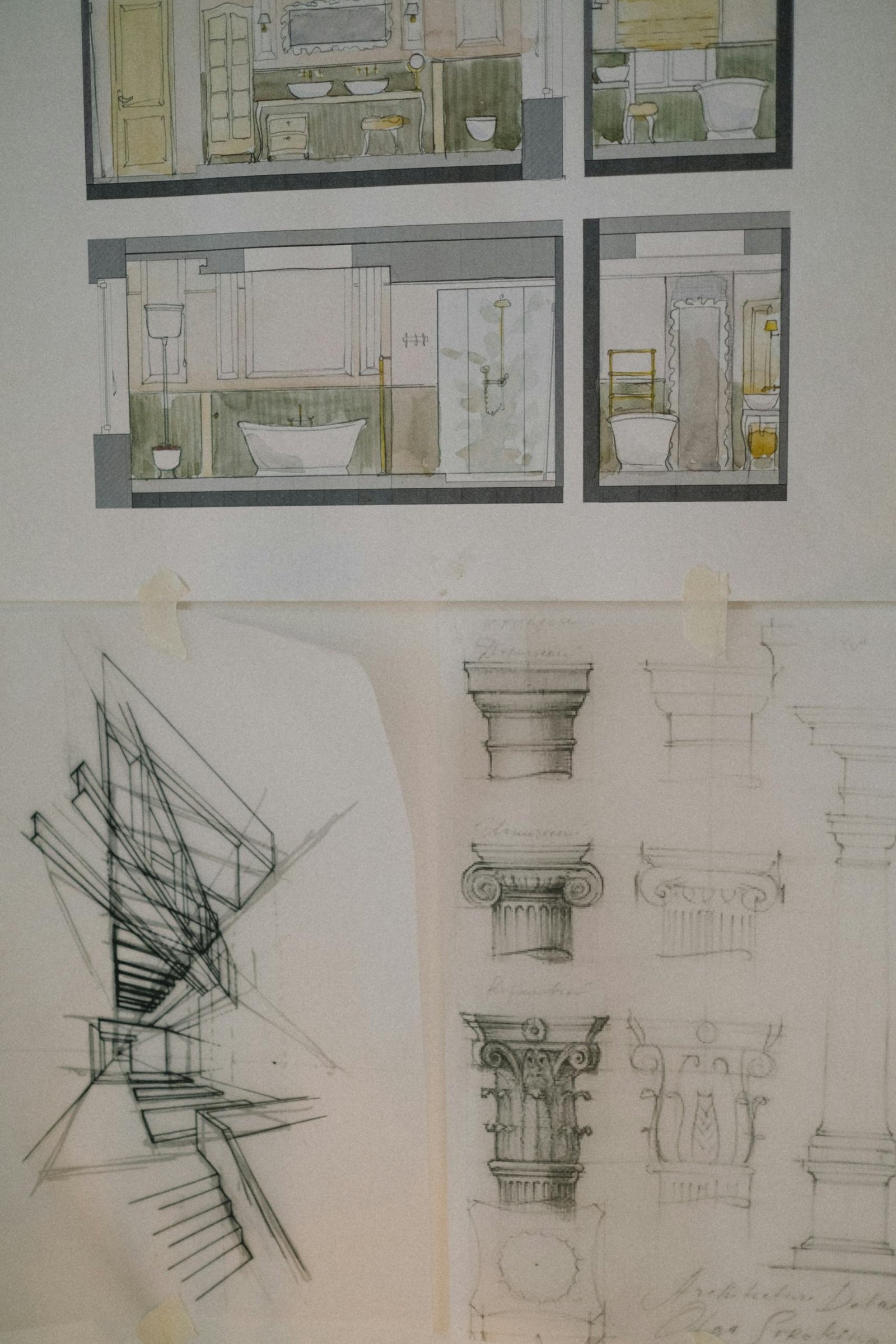
Interior design drawings focus on the interior spaces, finishes, furniture, lighting, and user interaction.
| Characteristic | Interior Design Drawings |
|---|---|
| Main focus | Interior experience |
| Scale | Room and furniture level |
| Primary users | Interior designers, contractors, suppliers |
| Technical scope | Finishes and detailing |
| Project phase | Design development and fit out |
These drawings define how the interior environment looks and functions after construction.
Difference in Scope
The scope of work is one of the biggest distinctions.
| Scope Factor | Architectural Drawings | Interior Design Drawings |
|---|---|---|
| Site planning | Included | |
| Building massing | Included | |
| Structural coordination | Included | |
| Furniture layouts | Limited | |
| Material styling | Limited |
Architectural drawings address the overall building system.
Interior design drawings focus more deeply on atmosphere, furniture, materials, and human interaction.
Difference in Drawing Types
| Drawing Type | Architectural Drawings | Interior Design Drawings |
|---|---|---|
| Site plans | Common | |
| Floor plans | Core element | |
| Elevations | External focus | |
| Sections | Structural emphasis | |
| Reflected ceiling plans | Sometimes basic |
Interior design documentation often includes
| Drawing Type | Interior Design Drawings |
|---|---|
| Furniture plans | Core element |
| Finish plans | Detailed |
| Lighting layouts | Detailed |
| Millwork drawings | Common |
| Material boards | Common |
Difference in Technical Focus
| Technical Factor | Architectural Drawings | Interior Design Drawings |
|---|---|---|
| Structural systems | Major focus | |
| Wall construction | Detailed | |
| Building codes | Major focus | |
| Space aesthetics | Secondary | |
| Furniture detailing | Limited |
Interior design drawings prioritize
| Technical Factor | Interior Design Drawings |
|---|---|
| Furniture placement | Major focus |
| Material finishes | Major focus |
| Lighting atmosphere | Major focus |
| User comfort | Major focus |
| Decorative detailing | Detailed |
Difference in Scale and Detail
Architectural drawings generally operate at larger scales.
| Scale Factor | Architectural Drawings | Interior Design Drawings |
|---|---|---|
| Typical scale | Larger building scale | |
| Furniture detail | Minimal | |
| Construction joints | Moderate | |
| Custom cabinetry | Limited |
Interior drawings often use more detailed scales to show furniture, joinery, and finishes accurately.
Difference in Coordination
| Coordination Factor | Architectural Drawings | Interior Design Drawings |
|---|---|---|
| Structural engineers | Strong coordination | |
| Civil systems | Strong coordination | |
| HVAC integration | Major coordination | |
| Furniture suppliers | Limited |
Interior drawings coordinate more with
| Coordination Factor | Interior Design Drawings |
|---|---|
| Furniture vendors | High |
| Lighting suppliers | High |
| Finish contractors | High |
| Custom fabrication | High |
Difference in Project Timing
Architectural work generally starts earlier.
| Project Stage | Architectural Drawings | Interior Design Drawings |
|---|---|---|
| Concept phase | Major role | |
| Permit phase | Essential | |
| Structural phase | Essential | |
| Fit out phase | Support role |
Interior design drawings become more intensive during later stages focused on interiors and occupancy.
Difference in User Experience Focus
| Experience Factor | Architectural Drawings | Interior Design Drawings |
|---|---|---|
| Building function | Primary | |
| External form | Primary | |
| Interior atmosphere | Secondary | |
| Furniture comfort | Limited | |
| Sensory experience | Limited |
Interior design drawings focus heavily on how users feel inside the space through lighting, textures, materials, and layouts.
Common Overlap Between Both
Despite the differences, the two disciplines overlap constantly.
| Shared Area | Architectural Drawings | Interior Design Drawings |
|---|---|---|
| Space planning | Shared | |
| Lighting coordination | Shared | |
| Material selection | Shared | |
| User circulation | Shared | |
| Technical documentation | Shared |
Successful projects require close collaboration between both teams.
When Architectural Drawings Matter Most
Architectural drawings are critical when
• Designing the building structure
• Coordinating engineering systems
• Obtaining permits
• Planning circulation and massing
• Managing construction systems
When Interior Design Drawings Matter Most
Interior design drawings are essential when
• Planning furniture layouts
• Selecting finishes and materials
• Designing custom cabinetry
• Creating lighting atmosphere
• Improving user comfort and aesthetics
Conclusion
Architectural drawings and interior design drawings serve different but complementary roles in a project. Architectural drawings define the building’s structure, organization, and technical systems. Interior design drawings shape the user experience within that structure through materials, furniture, lighting, and spatial atmosphere.
A successful project depends on coordination between both disciplines. Buildings function best when architectural planning and interior experience are developed together rather than treated as separate processes.
Summary
Architectural drawings focus on the building’s structure, layout, construction systems, and relationship to the site, while interior design drawings focus on the internal environment, including furniture, finishes, lighting, and user experience. Architectural documentation works at the building scale and coordinates technical systems, whereas interior drawings provide detailed information about aesthetics, comfort, and functionality inside the space. Both disciplines are closely connected, and successful projects depend on strong coordination between architectural planning and interior design development.