How to communicate your vision to an architect
One of the most important parts of any architectural project is communication between the client and the architect. Even highly skilled architects cannot accurately design a space if the client’s goals, lifestyle, and expectations are unclear.
Many clients believe they need technical knowledge to explain what they want, but effective communication is usually less about architectural terminology and more about clarity, priorities, and examples. A successful project depends on translating personal needs and abstract ideas into practical design decisions.
Start with Lifestyle Instead of Style
Many people begin by describing a visual style such as modern, industrial, or minimalist. While style references are useful, architects often need deeper information first.
| Focus Area | Helpful Information |
|---|---|
| Daily routines | How spaces are used throughout the day |
| Family structure | Number of users and their needs |
| Work habits | Remote work, study, meetings |
| Social behavior | Hosting guests or private living |
| Long term plans | Future expansion or flexibility |
Explaining how you live is often more valuable than simply naming a design style.
Define Your Priorities Early
Every project involves compromises between budget, space, aesthetics, timeline, and performance.
| Priority Type | Questions to Consider |
|---|---|
| Budget | What is the realistic spending limit |
| Space | Which rooms matter most |
| Comfort | What environmental conditions are important |
| Maintenance | How much upkeep is acceptable |
| Sustainability | Is energy efficiency a major goal |
Clear priorities help architects make better decisions during design development.
Use Reference Images Carefully
Reference images can communicate atmosphere and preferences effectively, but they should support discussion rather than become strict instructions.
| Reference Element | What it Communicates |
|---|---|
| Lighting | Mood and brightness |
| Materials | Texture and warmth |
| Layouts | Spatial relationships |
| Furniture | Scale and lifestyle |
| Exterior forms | Architectural character |
Instead of saying “I want this exact house,” explain what specifically attracts you about the image.
Explain Problems, Not Just Solutions
Clients often describe solutions before explaining the actual issue.
| Common Statement | Underlying Need |
|---|---|
| I want an open kitchen | Better family interaction |
| I need large windows | More daylight or views |
| I want higher ceilings | Greater openness |
| I need more storage | Better organization |
When architects understand the underlying problem, they can propose more effective solutions.
Discuss Budget Honestly
Budget transparency is essential for realistic planning.
| Budget Topic | Why it Matters |
|---|---|
| Construction limit | Guides material and scale decisions |
| Furniture allowance | Affects interior planning |
| Future phases | Helps prioritize spending |
| Contingency reserve | Reduces risk during construction |
Unclear budgets often lead to redesigns and delays later.
Be Clear About What You Dislike
Knowing dislikes can be just as useful as knowing preferences.
| Dislike Category | Example |
|---|---|
| Materials | Dark wood, exposed concrete |
| Layouts | Narrow corridors |
| Lighting | Dim interiors |
| Maintenance | High upkeep finishes |
| Atmosphere | Spaces that feel cold or formal |
This prevents misunderstandings early in the process.
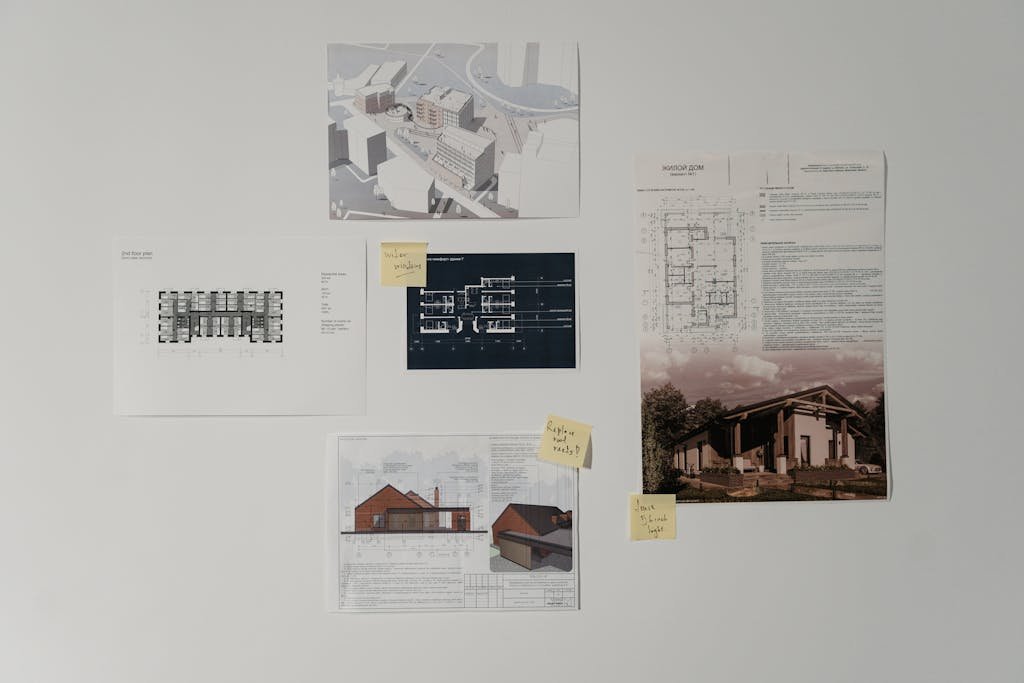
Understand That Design Evolves
Architectural design is iterative. Initial concepts are rarely final solutions.
| Design Stage | Purpose |
|---|---|
| Concept design | Explore general direction |
| Schematic design | Refine layouts and relationships |
| Design development | Coordinate details and systems |
| Construction documents | Prepare technical information |
Feedback should evolve with the project rather than remain fixed on early sketches.
Communicate Function Before Decoration
Architects generally solve spatial and functional issues before decorative details.
| Functional Topic | Why it Matters |
|---|---|
| Circulation | Movement efficiency |
| Storage | Long term usability |
| Daylight | Comfort and energy |
| Privacy | User experience |
| Flexibility | Future adaptability |
A visually attractive project that functions poorly usually becomes frustrating over time.
Ask Questions Throughout the Process
Good communication is collaborative rather than one directional.
| Useful Question | Purpose |
|---|---|
| Why was this layout chosen | Understand design logic |
| What are the trade offs | Evaluate decisions |
| What affects cost most | Control budget |
| How will this age over time | Assess durability |
| Are there alternatives | Explore options |
Open discussion often improves both trust and design quality.
Common Communication Mistakes
| Mistake | Impact |
|---|---|
| Giving vague feedback | Creates confusion |
| Changing priorities constantly | Delays progress |
| Hiding budget limits | Produces unrealistic designs |
| Focusing only on appearance | Weakens functionality |
| Copying reference projects exactly | Ignores site and lifestyle needs |
Avoiding these mistakes improves collaboration significantly.
Digital Tools and Communication
Modern projects often use digital tools to improve understanding.
| Tool Type | Benefit |
|---|---|
| Mood boards | Visual preference alignment |
| 3D models | Better spatial understanding |
| Video calls | Faster discussions |
| Shared documents | Centralized decisions |
| Renderings | Material and lighting visualization |
These tools help reduce misinterpretation.
When Communication Works Well
Strong architect client communication usually leads to
• Better alignment between expectations and outcomes
• Faster decision making
• Reduced redesigns
• More accurate budgeting
• Higher satisfaction after completion
The relationship becomes more collaborative and productive.
Conclusion
Communicating your vision to an architect is not about speaking technical language or controlling every detail. It is about clearly explaining how you live, what you value, and what problems you want the design to solve.
The most successful projects happen when clients provide honest priorities, useful references, and open feedback while allowing architects to translate those ideas into functional and buildable solutions.

Summary
Clear communication with an architect is essential for creating a successful project. Instead of focusing only on style, clients should explain their lifestyle, priorities, budget, and how they want spaces to function. Reference images, honest feedback, and open discussions help architects understand the real needs behind the design. Strong collaboration leads to better decisions, fewer misunderstandings, and spaces that are both practical and visually effective.