
INJ Architects at EquipHotel 2026: French Craftsmanship and Bespoke Interiors
Ibrahim Nawaf Joharji, Founder and Principal Architect of INJ Architects, attended EquipHotel 2026 in Paris as part of the practice’s continuing engagement with hospitality design, interiors, furniture and material production. The exhibition took place at Paris Expo Porte de Versailles from 2 to 5 November 2026.
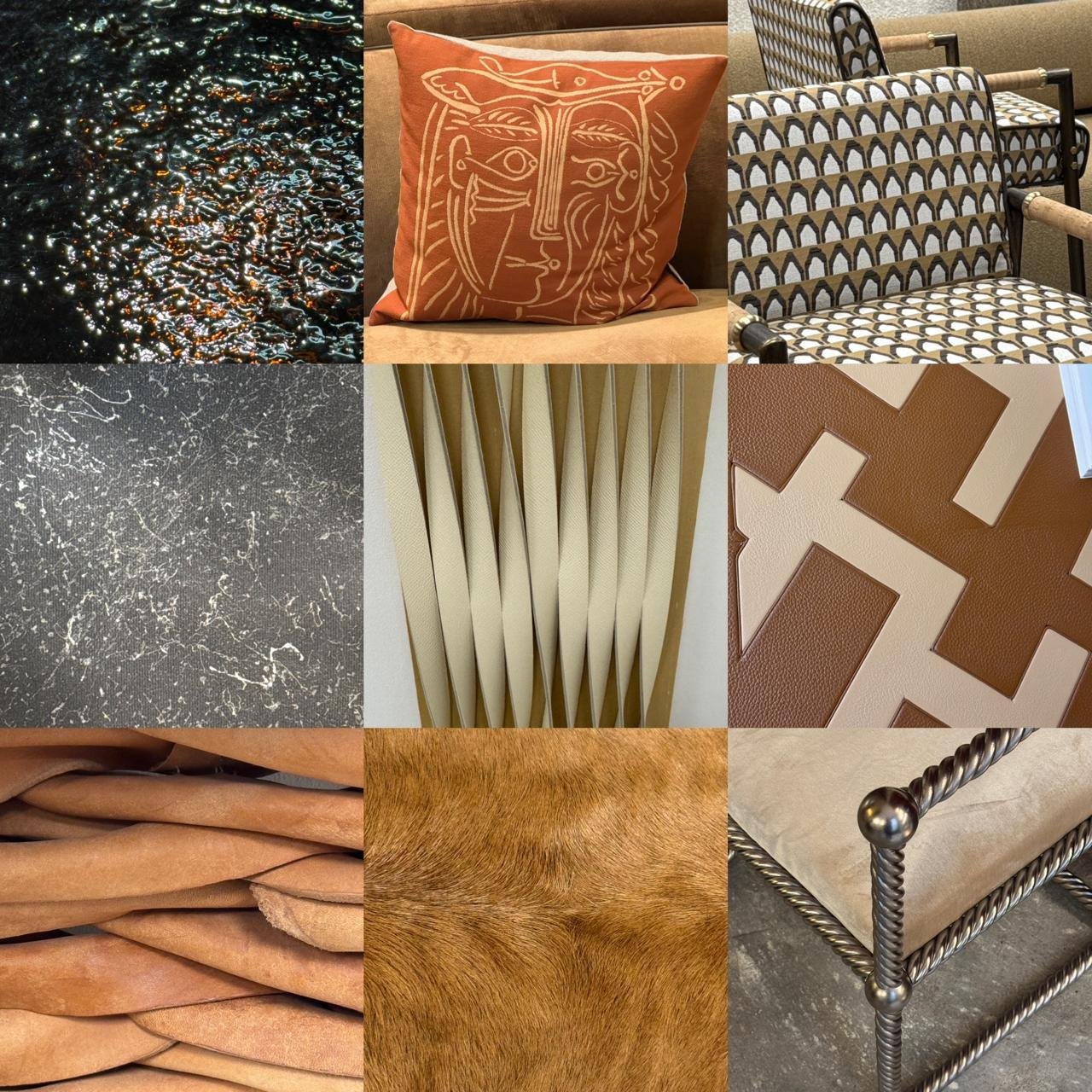
The visit provided an opportunity to explore the work of French suppliers and manufacturers across luxury interiors, furniture, joinery, architectural metalwork, leather and upholstery textiles. Particular attention was given to bespoke production and the relationship between craftsmanship, detailed design and the requirements of an architectural project.
Manufacturer visits: understanding design from the workshop floor
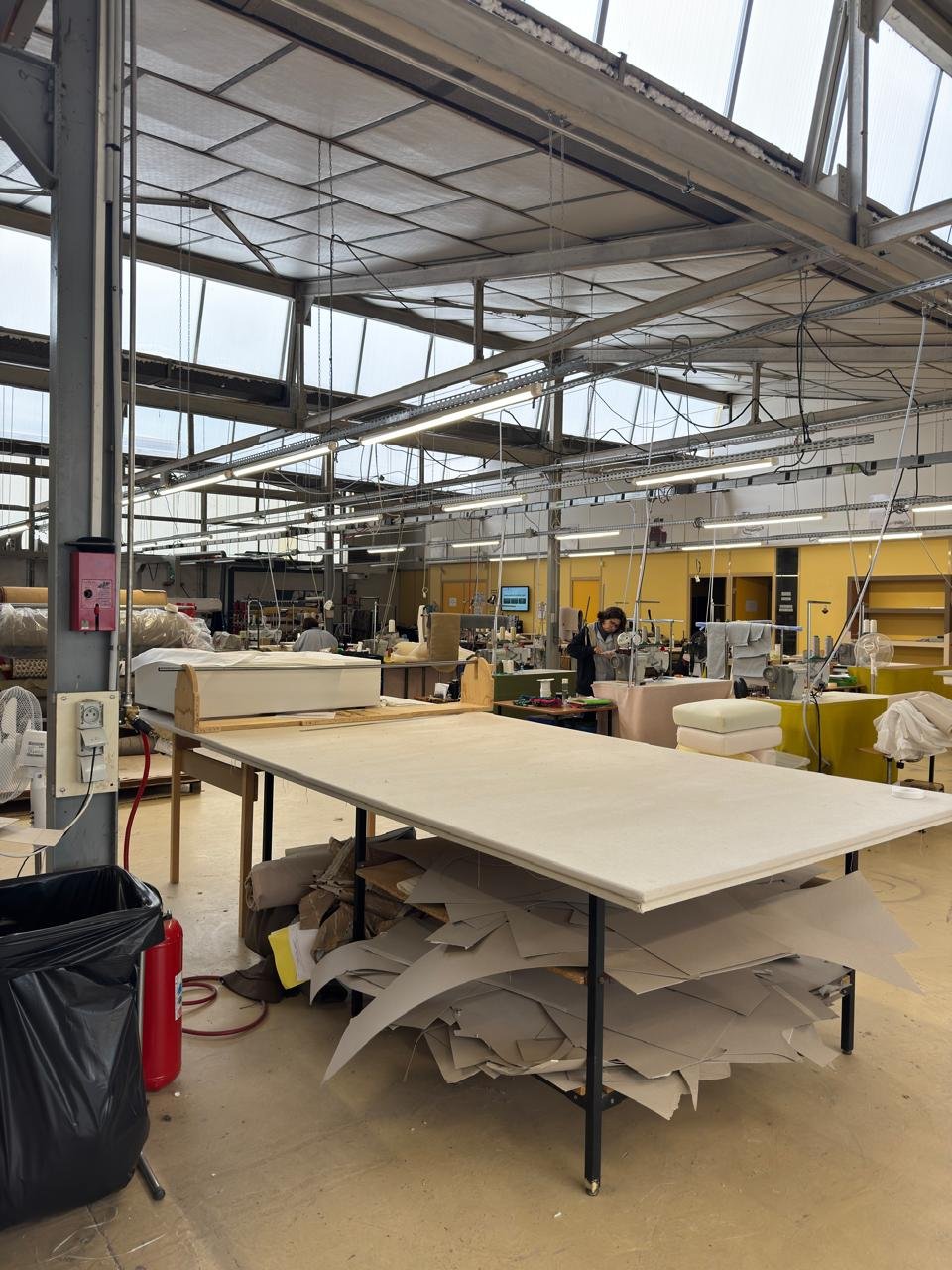
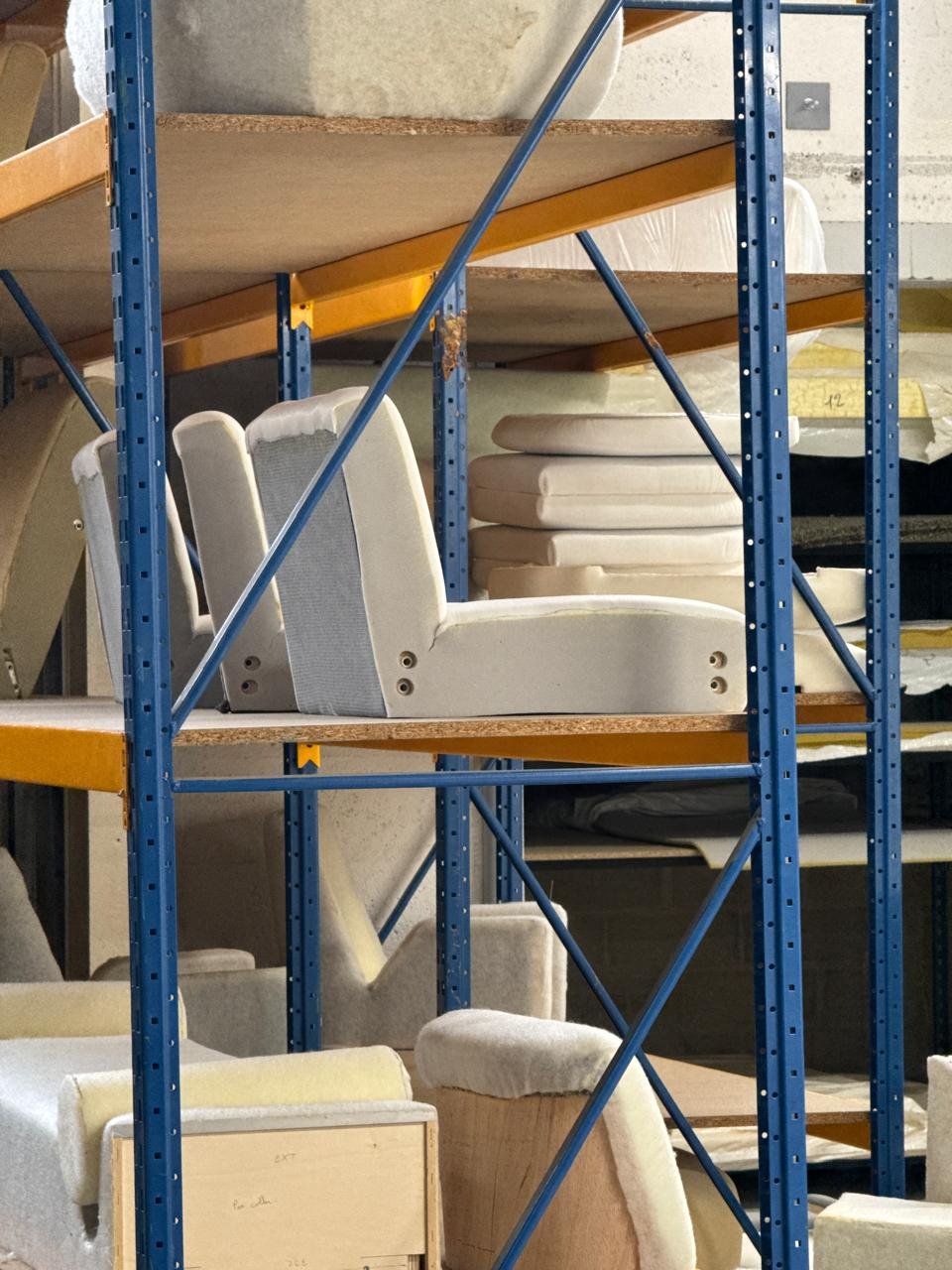
Alongside the exhibition, the trip included professional visits to manufacturers and workshops to examine production environments, finish samples and furniture components in progress. These visits gave Ibrahim Nawaf Joharji a closer view of the stages preceding the finished piece, connecting design choices with practical manufacturing capabilities.
Understanding materials through direct observation
Seeing and handling materials provides information that a photograph or catalogue cannot fully convey. The feel of a textile, the edge of a leather panel, a timber-to-metal junction and the finish of a connection all influence how an interior is perceived and used. Professional exhibitions offer a setting in which to compare those details and understand differences that can disappear on screen.
At INJ Architects, this investigation forms part of a broader design process that considers users, programme and budget alongside material selection. A piece must suit its setting in scale, texture, installation and maintenance as well as appearance.
Bespoke production as an extension of design
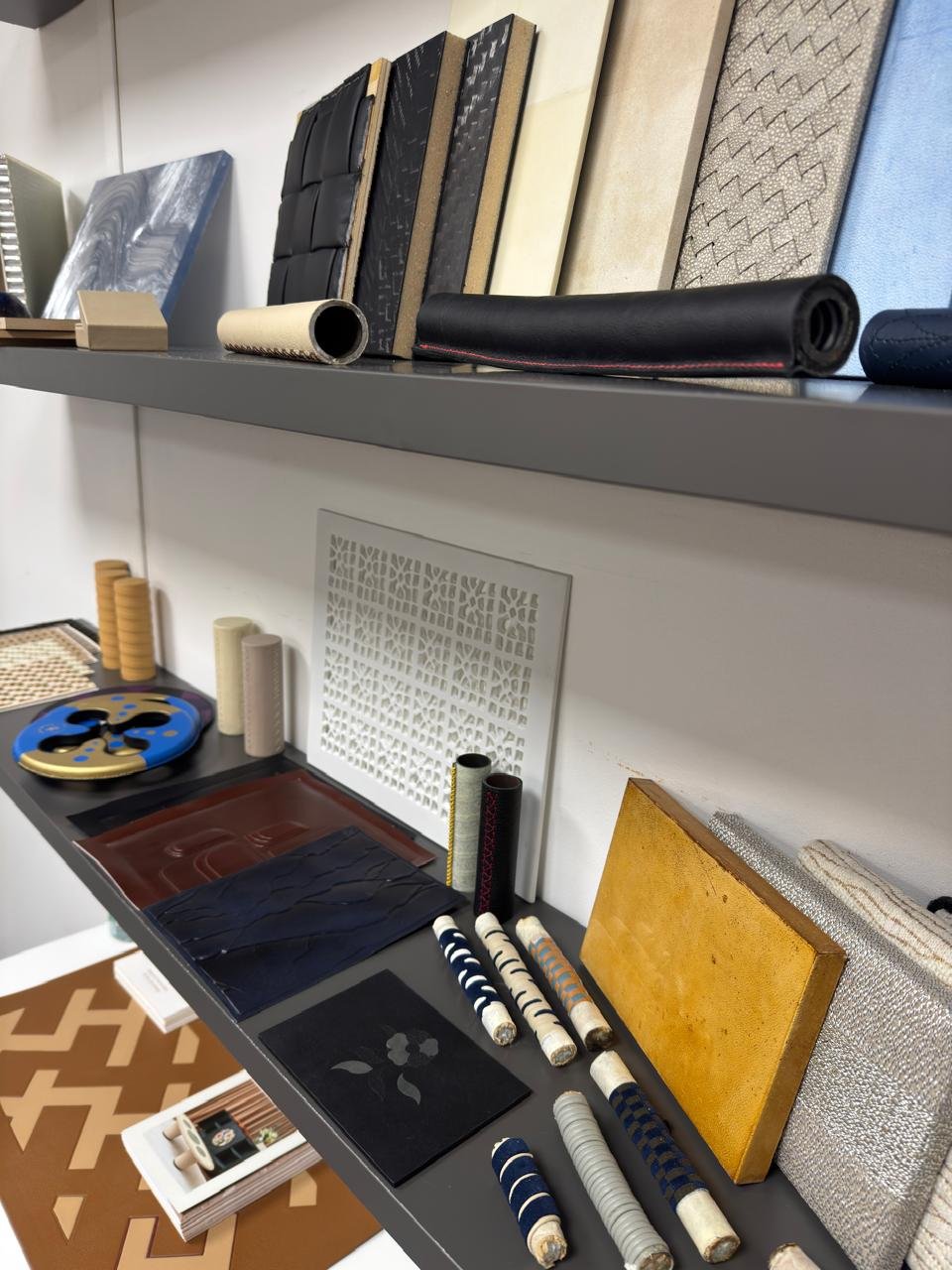
The practice approaches sourcing as part of the consultant’s role in material selection and specification development. This involves identifying manufacturers capable of custom production, reviewing samples and prototypes, and comparing options against the owner’s and operator’s requirements. For furniture, fixtures and equipment, or FF&E, early dialogue with manufacturers helps align design intent with budget, quality and delivery planning.
Made-to-order production was an important focus of the visit, encompassing custom furniture and joinery, metal detailing, upholstery, leatherwork and the coordination of different materials. Its value lies in translating a specific architectural intention into elements that respond to the dimensions and identity of a project.
Moving from an appealing sample to an approved component requires clear fabrication drawings, agreed reference samples, realistic tolerances and an understanding of production, delivery, installation and maintenance. Learning about manufacturers’ capabilities helps bring these questions into the design process before an early preference becomes a difficult commitment to reverse.
Hospitality interiors connect craftsmanship with operation
In hospitality projects, details are tested through repeated use. Materials and furniture need to respond to guest movement, cleaning routines, repair and replacement, alongside the project’s technical requirements. This connects procurement decisions with the hotel’s operating model from the outset.
Care after handover also belongs within material selection. We explore this principle in our discussion of weathering and maintenance in facade materials, while recognising that external exposure differs from interior use. In either setting, assessment needs to extend beyond the opening photograph to the practical demands of sustaining quality.
Continuing the dialogue with French manufacturers
The EquipHotel visit reflects INJ Architects’ interest in developing direct knowledge of material sources and production methods, and in maintaining professional dialogue with specialist manufacturers and suppliers. The practice seeks to continue this dialogue through direct manufacturer meetings, factory and workshop visits, and product programmes for architects and specifiers. These exchanges are particularly valuable when they address customisation, technical samples, supply to projects in Saudi Arabia, installation support and aftercare.
The value of these connections emerges when knowledge gained at an exhibition informs a clearer project decision: an appropriate material, a detail that can be fabricated accurately, or a supply arrangement suited to the brief. Connecting design intent with the realities of production supports interiors that retain their character and quality through everyday use.