Under the Elevated Road: What the City Keeps Beneath Its Infrastructure
The Ground We Agree Not to See
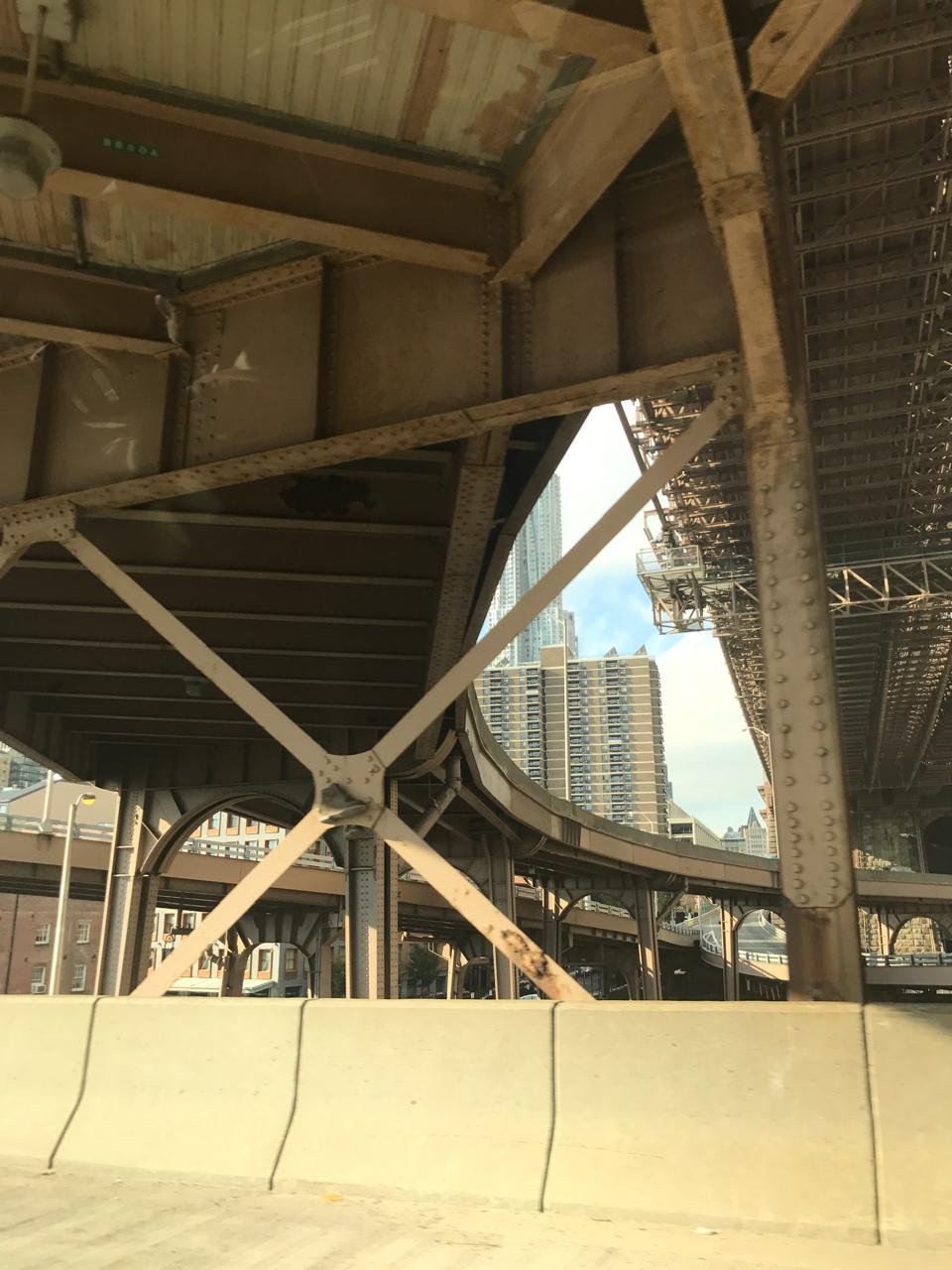
When a road rises onto columns, it solves one problem and quietly creates another. The traffic moves overhead, yet a long ribbon of shaded ground is left underneath, neither building nor street, neither private nor fully public. For most of the twentieth century this leftover was treated as residual, a place for storage, for parked cars, for chain link fences and the slow accumulation of dust. The elevated road became an engineering achievement measured by what passed over it, and almost never by what gathered below.
The underside of infrastructure is where a city reveals its real priorities. Look beneath an elevated road and you can read how a society values ground that produces no rent, whether shade is treated as a resource or a nuisance, whether the space between the columns is programmed or simply abandoned, whether the pedestrian who crosses underneath was considered at all. This belongs to the same family of questions as the hidden infrastructure that keeps a building alive without ever being seen. The question is not structural. It is a question about attention.
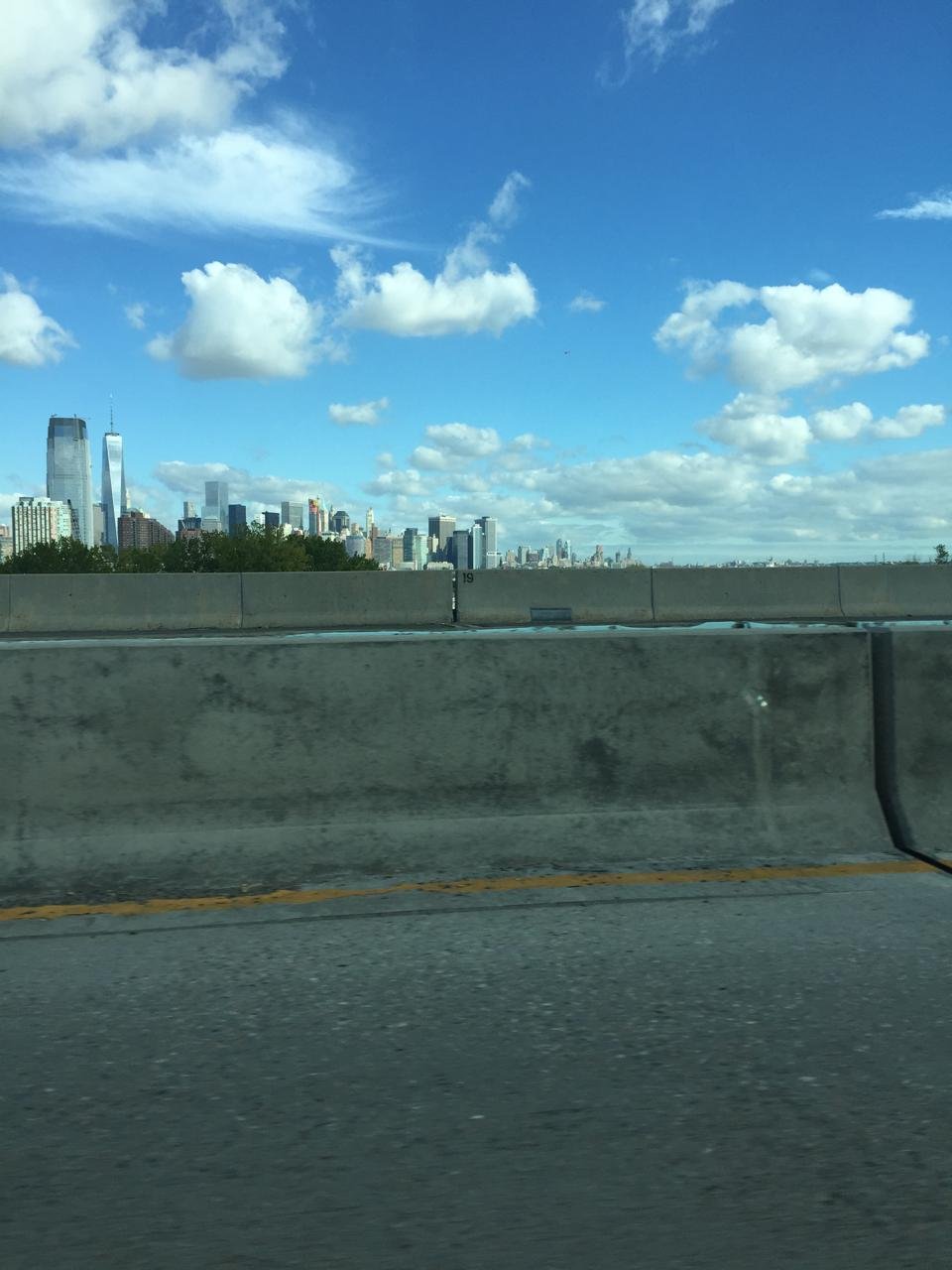
From Residual to Designed
A handful of projects over the past two decades have argued that this ground deserves design rather than resignation. In Zaandam near Amsterdam, the practice NL Architects took the dead zone beneath the A8 motorway and built A8ernA, folding a market, a skate area, a small marina and a place of worship into the shadow of the viaduct. The motorway did not change. What changed was the decision to treat its underside as civic room rather than waste.
Toronto made a similar argument with The Bentway, a public space threaded between the concrete piers of the Gardiner Expressway, where a winter skate trail and summer gatherings now occupy ground once written off as the back of a highway. In Tokyo, the culture known as gado shita, the dense warren of bars and small shops tucked under the elevated rail lines, shows that this condition does not always require a grand gesture. Sometimes it only requires permission. In Paris, artisan workshops were set into the brick arches of a former viaduct at the Viaduc des Arts, keeping the structure and changing its tenants. These are not identical strategies, and they should not be flattened into one formula. What they share is a refusal to accept that the space under infrastructure is automatically lost.
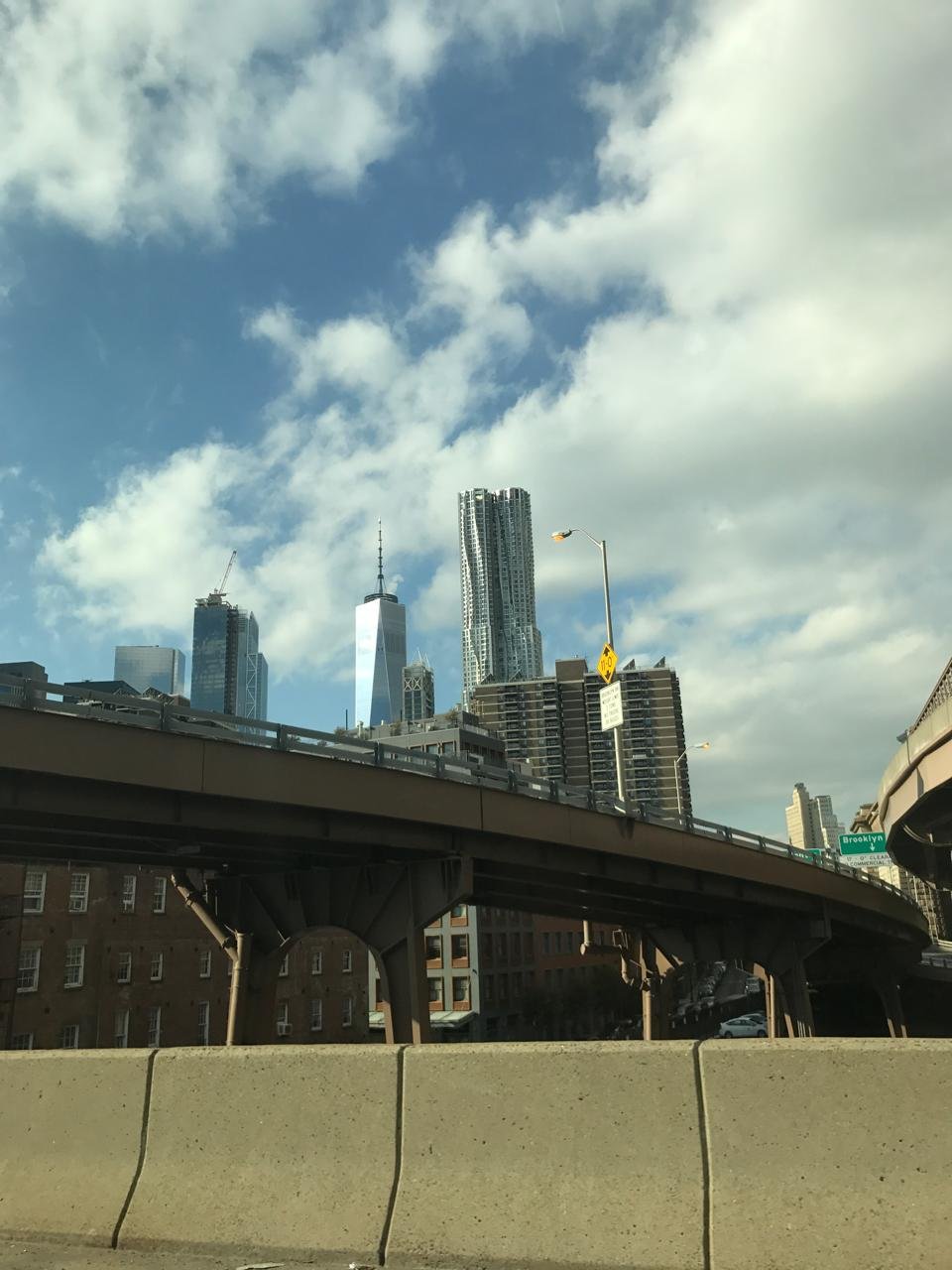
Shade, Climate and the Gulf Reading
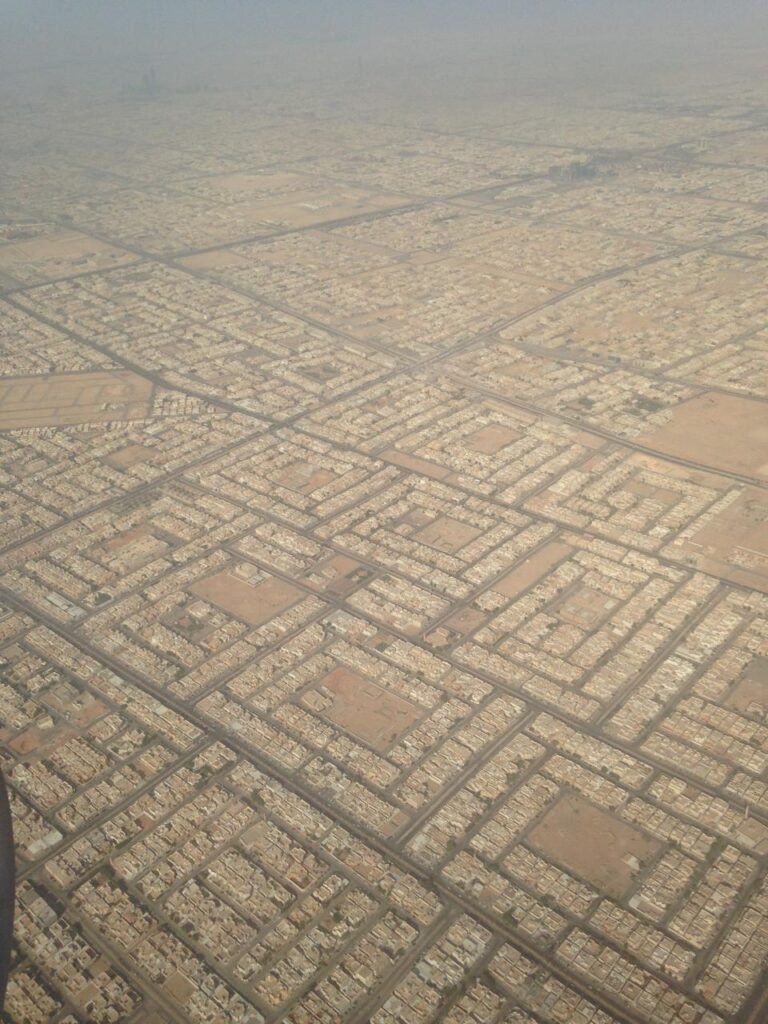
In a hot climate the argument sharpens. Shade is not a byproduct in Riyadh or Jeddah, it is one of the few conditions that makes the outdoor city usable for part of the year. An elevated road casts a continuous band of shadow across the ground, and in a region where the comfort of public space is now a stated ambition, that shadow is an asset waiting to be read correctly rather than fenced off. The same instinct that turns a construction barrier into a temporary facade for the city can turn the underside of a viaduct into usable public ground.
As Saudi cities extend elevated transit and widen their road networks, the quantity of this under structure ground grows with them. The temptation is to let it default to parking and service access, the path of least resistance everywhere. The more demanding path treats the space beneath the line as a continuous public ground floor for the district above it, a place where a pedestrian route, a seam of planting, or a shaded run of small commerce can exist precisely because the sun is already blocked. The infrastructure that divides a neighborhood at street level can, with attention, stitch it back together underneath.
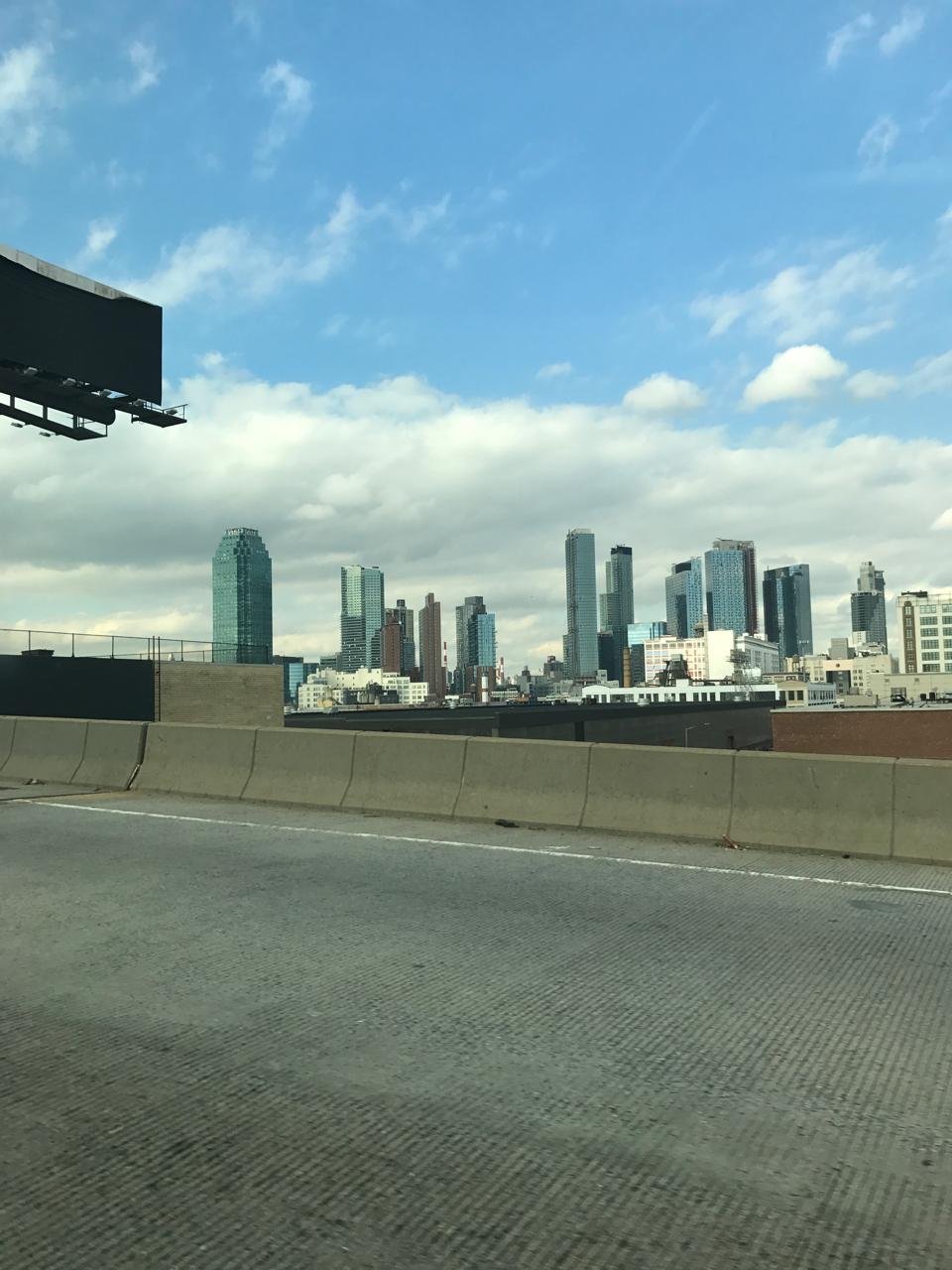
Reading the Underside as a Field Condition
For a studio that photographs the built environment as a way of thinking, the underside of a road is a patient teacher. It is where the honest structure of the city is exposed, the columns without cladding, the drainage, the joints, the way a surface meets its support. Standing beneath an elevated road you are looking at the parts of the city that were never meant to be looked at, and that is exactly why they inform. The finished facade performs. The underside confesses.
There is a discipline in observing this ground without rushing to redeem it. Not every leftover space wants to become a park, and the examples above work because each answered a specific local need rather than importing a template. The lesson is not that every viaduct must be activated. The lesson is that the choice exists, and that treating the space beneath infrastructure as nothing is itself a design decision, made by default and rarely examined.
Infrastructure Has a Second Face
Every elevated road is really two pieces of architecture, the surface that carries movement and the room it leaves behind on the ground. We have become expert at designing the first and negligent about the second. The cities that will feel generous in the coming decades are the ones that learn to see the underside as a place rather than an absence, because the ground a city ignores is the clearest measure of the city it intends to become.