Exposed Brick vs Plastered Walls
Wall finishes significantly influence the appearance, durability, and long-term performance of a building. Two of the most common approaches are leaving brick exposed or covering it with plaster. While both methods protect and define a building, they create very different architectural expressions and require different levels of maintenance.
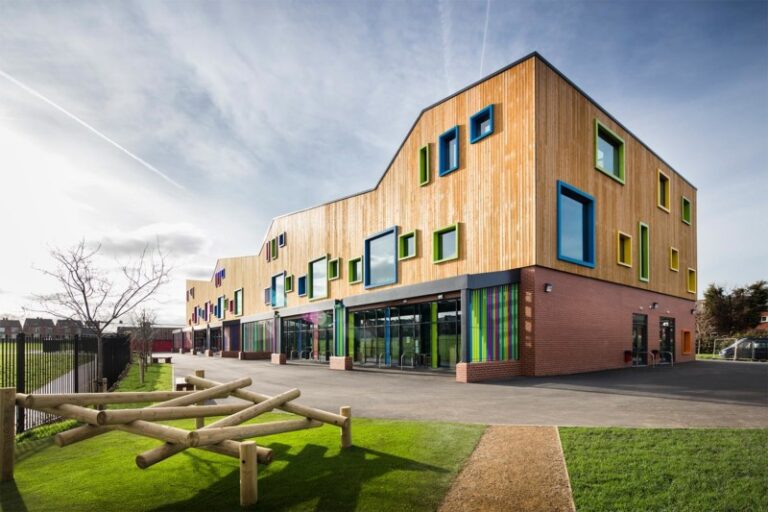
Exposed brick celebrates the construction material itself, adding texture and character. Plastered walls create a smooth, continuous surface that offers greater flexibility for finishes and color changes. The best option depends on climate, building style, maintenance expectations, and whether the wall is located inside or outside the building.
What are Exposed Brick Walls
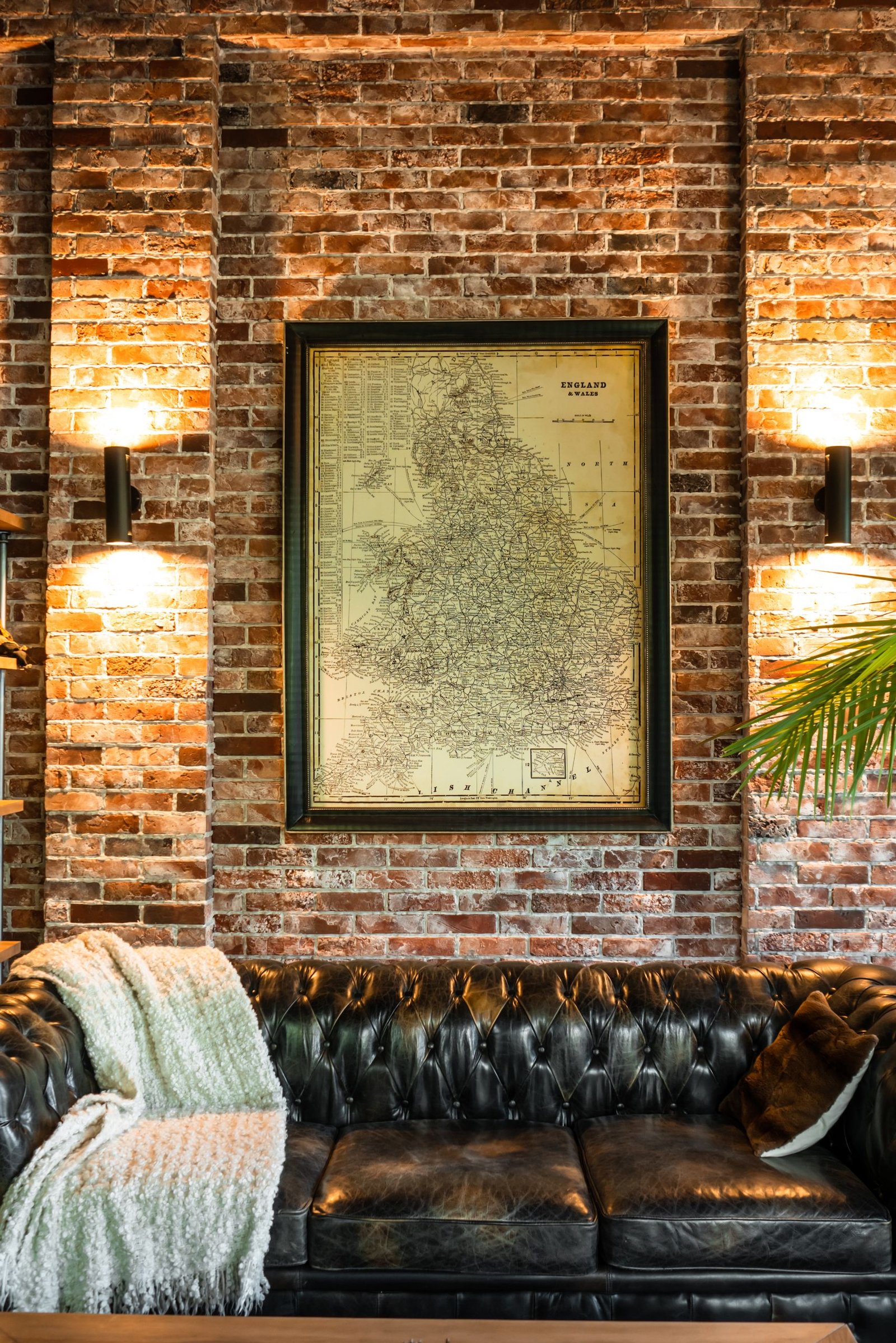
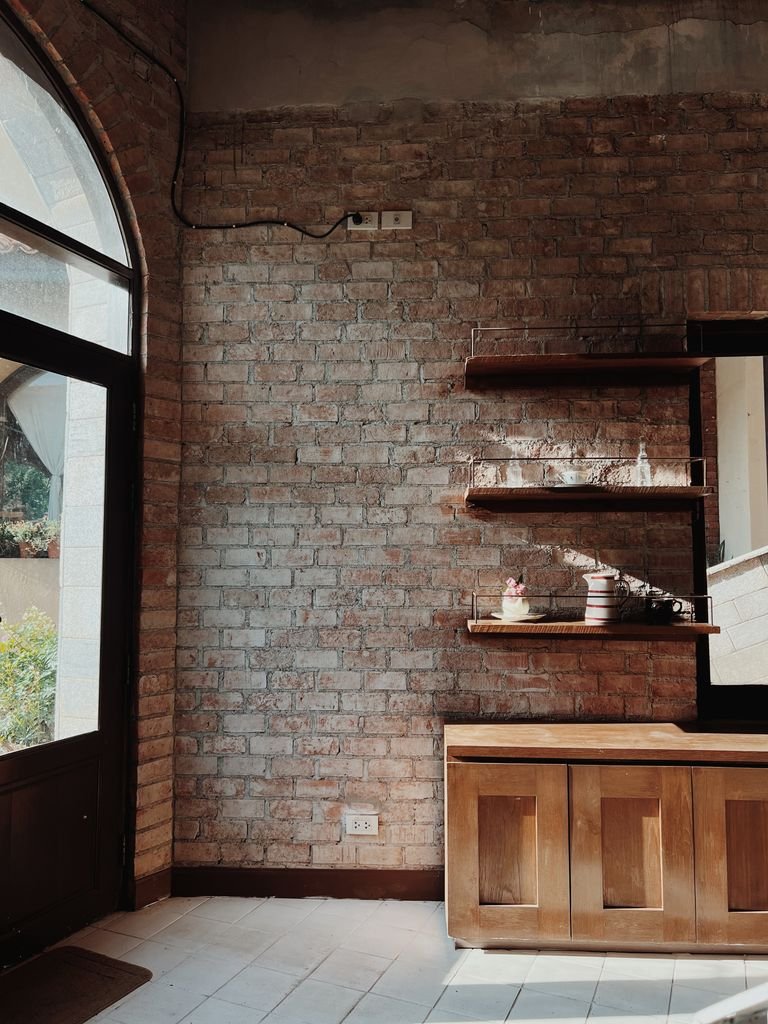
Exposed brick walls leave the brickwork visible without being covered by plaster or other wall finishes.
| Characteristic | Exposed Brick Walls |
|---|---|
| Surface finish | Visible brick |
| Appearance | Textured and natural |
| Material exposure | Direct |
| Maintenance style | Periodic cleaning and joint inspection |
| Typical architectural style | Industrial, traditional, contemporary |
Exposed brick can be structural or decorative depending on the construction system.
What are Plastered Walls
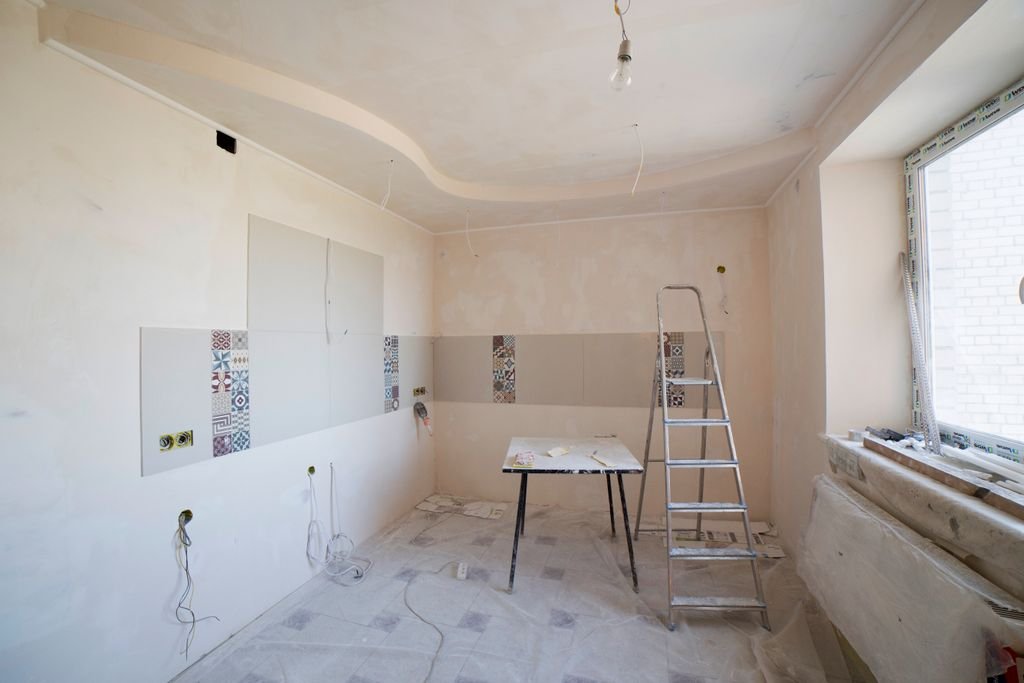
Plastered walls are covered with a layer of plaster or render to create a smooth or textured finish before painting or applying other coatings.
| Characteristic | Plastered Walls |
|---|---|
| Surface finish | Smooth or textured plaster |
| Appearance | Clean and uniform |
| Material exposure | Hidden |
| Maintenance style | Repainting and crack repair |
| Typical architectural style | Universal |
Plastered walls are suitable for almost every architectural style.
Appearance and Architectural Character
| Design Factor | Exposed Brick | Plastered Walls |
|---|---|---|
| Visual texture | High | |
| Material authenticity | Very high | |
| Design flexibility | Moderate | |
| Contemporary appearance | High | |
| Minimalist appearance | Moderate |
Exposed brick creates warmth and depth through natural variation.
Plastered walls provide a clean background that allows furniture, artwork, and lighting to become visual focal points.
Interior Applications
Both finishes create different interior environments.
| Interior Factor | Exposed Brick | Plastered Walls |
|---|---|---|
| Decorative impact | Strong | |
| Ease of painting | Limited | |
| Furniture compatibility | Moderate | |
| Surface smoothness | Low | |
| Interior flexibility | Moderate |
Exposed brick often becomes a feature wall, while plaster is commonly used throughout entire interiors.
Exterior Applications
Exterior walls must resist weather while maintaining appearance.
| Exterior Factor | Exposed Brick | Plastered Walls |
|---|---|---|
| Weather resistance | High when properly built | |
| UV resistance | Excellent | |
| Color fading | Minimal | |
| Finish renewal | Rare | |
| Appearance consistency | Moderate |
Exterior plaster provides more freedom for color changes but may require periodic repainting and repairs.
Durability
| Durability Factor | Exposed Brick | Plastered Walls |
|---|---|---|
| Impact resistance | High | |
| Surface wear | Low | |
| Crack visibility | Lower | |
| Long-term lifespan | Very long | |
| Structural protection | Excellent |
Properly constructed brick walls can remain visually attractive for decades.
Plaster protects masonry but may crack due to movement or weather exposure.
Maintenance Requirements
| Maintenance Factor | Exposed Brick | Plastered Walls |
|---|---|---|
| Cleaning frequency | Low | |
| Repainting | Usually unnecessary | |
| Crack repair | Mortar joints only | |
| Surface repairs | Moderate | |
| Maintenance cost | Lower over time |
Plastered walls generally require more frequent cosmetic maintenance.
Moisture Performance
| Moisture Factor | Exposed Brick | Plastered Walls |
|---|---|---|
| Breathability | High | |
| Moisture trapping | Lower | |
| Waterproof finish | Depends on brick quality | |
| Surface staining | Possible |
Exterior plaster systems require proper detailing to prevent trapped moisture.
Brick walls also require quality mortar joints and water management systems.
Thermal Performance
| Thermal Factor | Exposed Brick | Plastered Walls |
|---|---|---|
| Thermal mass | High | |
| Insulation value | Moderate | |
| Heat storage | Excellent | |
| Interior temperature stability | Good |
The wall’s insulation system has a greater influence on thermal performance than the finish itself.
Construction Cost
| Cost Factor | Exposed Brick | Plastered Walls |
|---|---|---|
| Initial construction cost | Higher | |
| Labor precision | Higher | |
| Material finishing cost | Lower | |
| Long-term maintenance cost | Lower |
Exposed brick requires careful bricklaying because the finished wall remains visible.
Plastered walls allow minor masonry imperfections to be concealed.
Design Flexibility
| Flexibility Factor | Exposed Brick | Plastered Walls |
|---|---|---|
| Future color changes | Difficult | |
| Finish replacement | Limited | |
| Decorative modifications | Moderate | |
| Renovation flexibility | High |
Plastered walls are easier to repaint and redesign over time.
When Exposed Brick Works Best
Exposed brick walls are ideal when
• A natural architectural character is desired
• Low long-term maintenance is important
• The brickwork is constructed to a high standard
• Industrial, rustic, or contemporary aesthetics are preferred
• The climate is suitable for exposed masonry
They work particularly well as feature walls, façades, loft interiors, and heritage-inspired buildings.
When Plastered Walls Work Best
Plastered walls are preferable when
• A smooth, clean appearance is desired
• Frequent color changes are expected
• Design flexibility is important
• Minor construction imperfections need to be concealed
• A wide variety of decorative finishes will be applied
They are suitable for nearly all residential, commercial, and institutional projects.
Hybrid Design Approach
Many architects combine both finishes within the same project. Exterior façades may feature exposed brick for character and durability, while interior spaces use plastered walls to provide flexibility for decoration. Another common strategy is using exposed brick only as an accent wall while keeping the remaining walls plastered.
This balanced approach combines material authenticity with practical maintenance and design flexibility.
Conclusion
Exposed brick and plastered walls each offer distinct advantages for both interior and exterior applications. Exposed brick provides long-lasting durability, natural texture, and architectural character with relatively low maintenance. Plastered walls offer a refined appearance, greater design flexibility, and easier future renovations.
The best choice depends on the project’s architectural style, environmental conditions, maintenance expectations, and desired visual identity. In many contemporary buildings, combining both finishes creates the most balanced and versatile solution.
Summary
Exposed brick and plastered walls each provide distinct architectural and practical benefits. Exposed brick emphasizes natural texture, durability, and material authenticity while requiring relatively low long-term maintenance, making it ideal for feature walls and character-rich designs. Plastered walls offer a smooth, versatile surface that is easier to paint, renovate, and adapt to different interior styles, though they typically require more frequent maintenance. The best choice depends on the desired aesthetic, climate, maintenance expectations, and future design flexibility, with many modern projects combining both finishes to achieve a balance between visual character and practicality.