What to Expect in Each Phase of an Architectural Project
Starting an architectural project, whether it’s a private villa, a commercial building, or a renovation, can feel overwhelming if you don’t know what’s coming next. Clients often arrive with a vision but little understanding of the journey between that vision and a finished building. Knowing what happens at each stage doesn’t just ease anxiety, it helps you make better decisions, ask the right questions, and avoid costly delays.
At INJ Architects, we’ve guided countless projects from a first sketch to a finished handover. Here’s what you can realistically expect at each phase.
Phase 1: Discovery and Briefing
Every project begins with conversation, not drawings. This is where the architect listens more than they speak. Expect to be asked about your lifestyle, your daily routines, your budget range, your site, and your long-term goals for the space. A good architect will probe beyond the obvious: not just “how many bedrooms” but “how do you actually use a living room” or “do you entertain often.”
This phase also includes a site visit, where the architect studies orientation, views, soil conditions, surrounding structures, and any regulatory constraints. Expect this stage to take anywhere from one to three weeks, depending on project complexity. The deliverable here isn’t a drawing, it’s a clear brief that both you and the architect agree on.
Phase 2: Concept Design
This is where your ideas start to take visual shape. The architect translates the brief into early massing studies, rough floor plans, and a general spatial concept. Expect sketches, simple 3D volumes, and mood references rather than finished renderings. The goal isn’t precision, it’s direction.
Clients should expect to see two or three alternative concepts at this stage, each with a different spatial logic or massing strategy. This is also the point where major decisions get made: the overall footprint, the relationship between indoor and outdoor space, and how the building responds to its site. Revisions are normal and expected here, this is the cheapest and easiest phase in which to make changes.
Phase 3: Schematic Design
Once a concept is approved, it gets refined into something closer to a real building. Floor plans become more accurate, room sizes solidify, and the design starts to reflect actual structural and mechanical logic. Expect to see more detailed plans, elevations, and possibly an early 3D model or walkthrough.
This is the stage where the architect engages with structural and MEP (mechanical, electrical, plumbing) considerations, even if those disciplines aren’t fully designed yet. Clients are typically asked to confirm key decisions: window placements, ceiling heights, general material direction. Changes are still possible but start to come with more cost and time implications than in the concept phase.

Phase 4: Design Development
This is where the project moves from “what it looks like” to “how it actually works.” Material selections become specific, structural systems get defined, and the architect coordinates with engineers and specialist consultants. Expect detailed floor plans, sections, elevations, and a much clearer picture of finishes, fixtures, and technical systems.
Design development is often the longest phase, since it requires resolving the interface between architecture, structure, and building systems. Clients should expect to review and approve material samples, lighting plans, and detailed layouts. This is also when budget estimates become significantly more reliable.
Phase 5: Construction Documentation
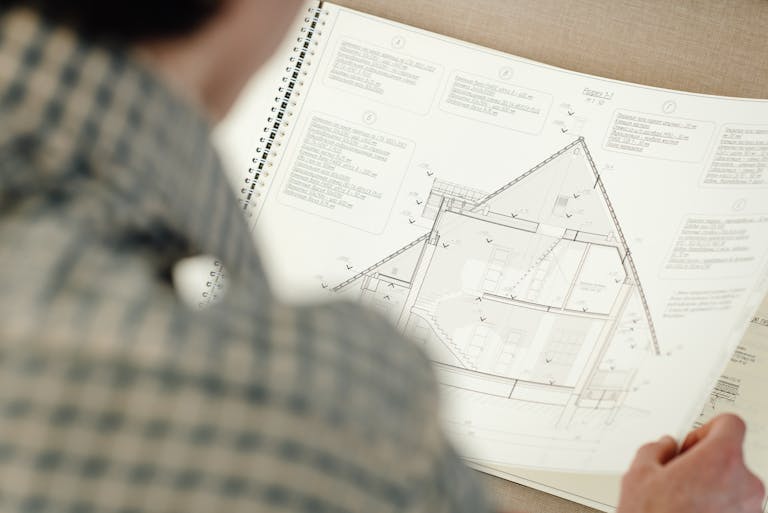
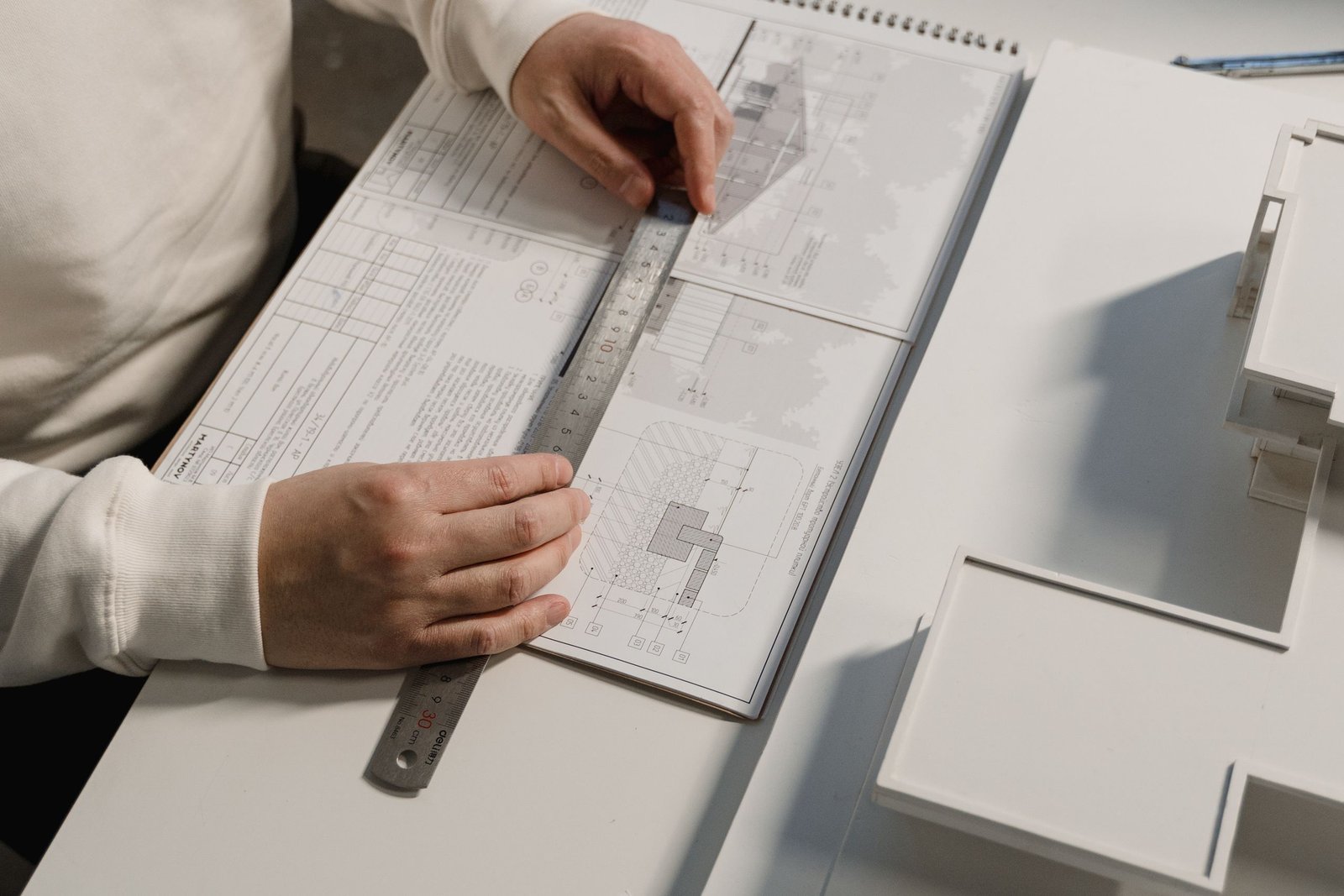
Once the design is locked, the architect produces the full set of technical drawings needed to actually build the project: structural drawings, MEP layouts, detailed sections, and specifications. These documents are dense and technical, intended primarily for contractors and engineers rather than for client review.
Expect limited design changes at this stage. Altering anything now means revising multiple coordinated drawings, which is time-consuming and costly. This phase culminates in a complete drawing package used to obtain permits and solicit contractor bids.
Phase 6: Permitting
With construction documents complete, the project moves into the regulatory approval process. Timelines here vary enormously depending on jurisdiction, ranging from a few weeks to several months. Expect this phase to be largely out of your architect’s direct control, even though they’ll manage submissions and respond to authority comments on your behalf.
This is often the most unpredictable phase in terms of timing. Clients should build buffer time into their overall schedule expectations here rather than assuming a fixed duration.
Phase 7: Bidding and Contractor Selection
Before construction starts, contractors are invited to bid on the project based on the construction documents. The architect typically helps evaluate bids, not just on price but on the contractor’s understanding of the project, proposed timeline, and track record.
Expect to be involved in final contractor selection, since this decision affects budget, quality, and schedule for the rest of the project. A good architect will flag red flags in unusually low bids rather than simply recommending the cheapest option.

Phase 8: Construction Administration
This is the longest phase of the project, often spanning many months to a few years depending on scale. The architect’s role shifts from designer to overseer, conducting site visits, reviewing contractor submittals, approving material samples, and resolving unforeseen issues that inevitably arise once construction begins.
Expect regular site visits and progress reports. Some deviation from the original drawings is normal during this phase, real-world conditions sometimes require adjustments that weren’t visible on paper. A responsive architect will manage these changes without compromising the design intent.
Phase 9: Pre-Delivery and Handover
As construction nears completion, the architect conducts detailed walkthroughs to document quality and identify any items that need correction before handover, often called a “punch list.” Expect a thorough inspection covering finishes, fixtures, and systems, followed by a period where the contractor addresses any outstanding issues.
Once everything is resolved, you receive the keys, along with documentation such as warranties, maintenance guides, and as-built drawings.
Why Understanding This Process Matters
Architectural projects fail less often because of bad design and more often because of mismatched expectations. Knowing what each phase actually involves, what decisions you’ll be asked to make, and when changes become costly, puts you in a much stronger position as a client. It also helps you evaluate whether your architect is moving the project forward methodically or skipping steps that will cause problems later.
A well-managed project isn’t necessarily a fast one. It’s one where every phase builds logically on the last, and where you, as the client, always know what’s coming next.
Summary
Architectural projects start by defining client needs and site conditions, then move into concept design and schematic design where ideas are developed and refined. Design development resolves materials, structure, and systems, followed by construction documentation for permits and building. The process continues through approvals, contractor selection, construction, and ends with final handover of the completed project.