
Skylights vs Clerestory Windows
Natural daylight is one of the most valuable elements in architectural design. It improves visual comfort, reduces dependence on artificial lighting, enhances well-being, and can lower energy consumption when properly integrated. Among the most effective daylighting strategies are skylights and clerestory windows. While both bring natural light into buildings, they do so in different ways and serve different architectural purposes.
Skylights introduce daylight directly through the roof, while clerestory windows bring light through high-level wall openings. Choosing between them depends on building orientation, roof design, climate, privacy requirements, and the desired quality of light.
What are Skylights
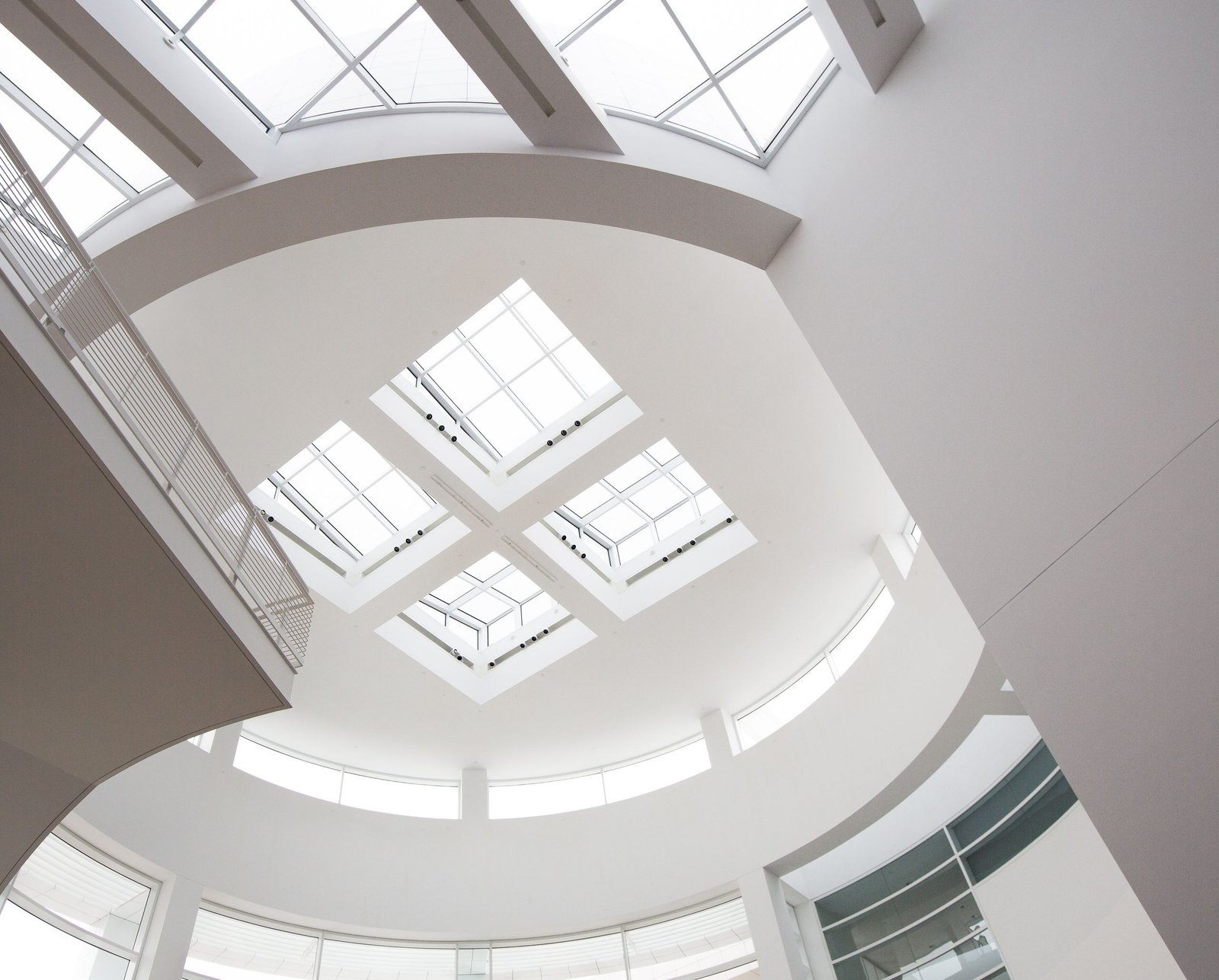
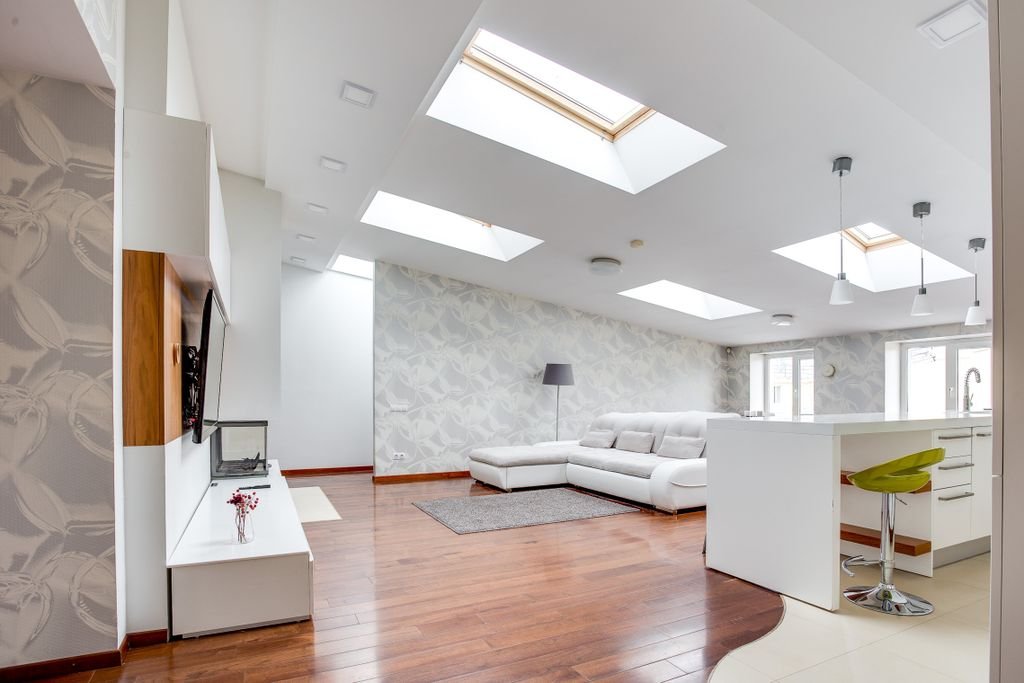
Skylights are glazed openings installed in the roof that allow daylight to enter from above.
| Characteristic | Skylights |
|---|---|
| Location | Roof |
| Light direction | From above |
| View | Sky |
| Privacy | Very high |
| Best suited for | Deep interior spaces |
Skylights are common in kitchens, bathrooms, corridors, stairwells, and rooms with limited exterior wall access.
What are Clerestory Windows
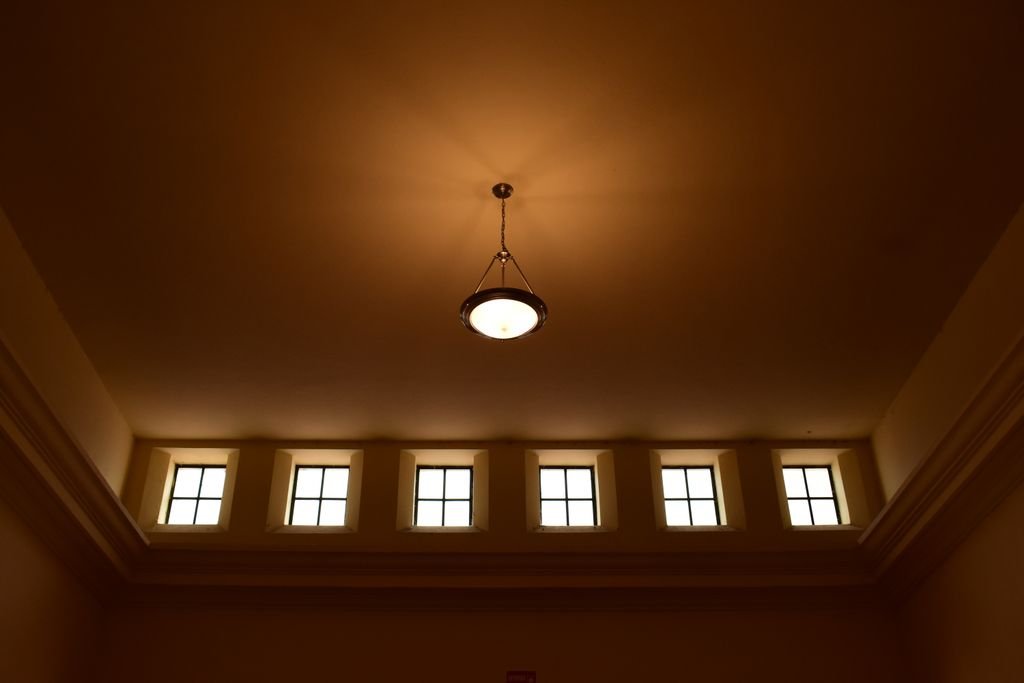
Clerestory windows are horizontal windows placed high on vertical walls, usually near the roofline.
| Characteristic | Clerestory Windows |
|---|---|
| Location | Upper wall |
| Light direction | High side lighting |
| View | Limited or elevated |
| Privacy | High |
| Best suited for | Living areas and large rooms |
They are frequently used in contemporary homes, museums, schools, and commercial buildings.
Natural Daylight Performance
Both systems increase daylight but create different lighting conditions.
| Daylighting Factor | Skylights | Clerestory Windows |
|---|---|---|
| Overall daylight level | Very high | High |
| Light penetration | Deep into the room | Broad across the space |
| Uniformity | Moderate | High |
| Risk of glare | Higher | Lower |
| Sky visibility | Direct | Limited |
Skylights deliver stronger illumination because sunlight enters directly from above.
Clerestory windows create softer, more evenly distributed daylight that is generally more comfortable for long periods.
Energy Efficiency
Proper placement significantly affects thermal performance.
| Energy Factor | Skylights | Clerestory Windows |
|---|---|---|
| Solar heat gain | Higher | |
| Heat loss potential | Higher | |
| Daylight efficiency | Excellent | |
| Shading flexibility | Moderate | |
| Thermal performance | Depends on glazing |
Because skylights receive direct sunlight for much of the day, they may increase cooling loads in hot climates unless high-performance glazing is used.
Clerestory windows are generally easier to shade using roof overhangs or orientation.
Ventilation
Both systems can contribute to passive cooling when operable.
| Ventilation Factor | Skylights | Clerestory Windows |
|---|---|---|
| Natural ventilation | Excellent when operable | |
| Stack effect performance | Excellent | |
| Hot air exhaust | Very effective | |
| Cross ventilation support | Limited |
Operable skylights are particularly effective because hot air naturally rises toward the ceiling.
Operable clerestory windows also improve ventilation and work well when paired with lower windows.
Privacy
Privacy is one of the strengths of both daylighting systems.
| Privacy Factor | Skylights | Clerestory Windows |
|---|---|---|
| Street privacy | Excellent | |
| Neighbor privacy | Excellent | |
| Curtain requirement | Rare | |
| Exterior visibility | Minimal |
Since both are positioned above eye level, they allow daylight without sacrificing privacy.
Architectural Impact
Each system influences the character of a building differently.
| Design Factor | Skylights | Clerestory Windows |
|---|---|---|
| Dramatic daylight | Strong | |
| Visual connection to the sky | Excellent | |
| Wall space preservation | Excellent | |
| Exterior architectural expression | Moderate |
Clerestory windows also create distinctive rooflines and emphasize horizontal architectural forms.
Installation and Maintenance
Maintenance requirements differ because of their locations.
| Maintenance Factor | Skylights | Clerestory Windows |
|---|---|---|
| Installation complexity | Higher | |
| Waterproofing importance | Very high | |
| Cleaning accessibility | More difficult | |
| Maintenance frequency | Moderate |
Roof penetrations require careful detailing to prevent leaks.
Clerestory windows are generally simpler to maintain because they are integrated into the wall system.
Cost Comparison
| Cost Factor | Skylights | Clerestory Windows |
|---|---|---|
| Installation cost | Higher | |
| Structural modifications | Often required | |
| Waterproof detailing | More extensive | |
| Long term maintenance | Higher |
Clerestory windows may increase wall height or roof complexity but usually avoid many of the waterproofing challenges associated with roof glazing.
When Skylights Work Best
Skylights are ideal when
• Interior rooms have no exterior walls
• Maximum daylight is required
• A view of the sky enhances the space
• Passive ventilation is desired
• Roof access is available for installation
They perform especially well in bathrooms, kitchens, hallways, and staircases.
When Clerestory Windows Work Best
Clerestory windows are suitable when
• Soft, even daylight is preferred
• Privacy is important
• Wall space is needed for furniture or artwork
• Cross ventilation is part of the design strategy
• Solar heat gain needs better control
They are commonly used in living rooms, studios, classrooms, and galleries.
Hybrid Design Approach
Many contemporary buildings successfully combine both systems. Skylights provide focused daylight to interior zones, while clerestory windows illuminate larger living spaces and improve ventilation.
Using both strategies together often produces brighter interiors with better daylight distribution and improved energy performance.
Conclusion
Skylights and clerestory windows are both effective daylighting solutions, but they achieve different architectural goals. Skylights deliver dramatic overhead light and excellent illumination for deep interior spaces, while clerestory windows provide balanced daylight, improved privacy, and greater control over heat gain.
The best choice depends on the building’s orientation, climate, roof design, and the function of each space. In many projects, combining both systems creates the most comfortable, energy-efficient, and visually appealing interior environment.
Summary
Skylights and clerestory windows are both effective ways to bring natural daylight into buildings, but they serve different purposes. Skylights provide strong overhead light, making them ideal for deep interior spaces and areas without exterior walls, while clerestory windows deliver softer, more evenly distributed daylight with better control over glare and solar heat gain. Both systems offer excellent privacy and can improve natural ventilation when operable, but skylights typically require more complex installation and waterproofing. The best choice depends on the building’s layout, climate, and lighting goals, and many modern designs combine both solutions to maximize daylight, comfort, and energy efficiency.





One Comment
Comments are closed.