
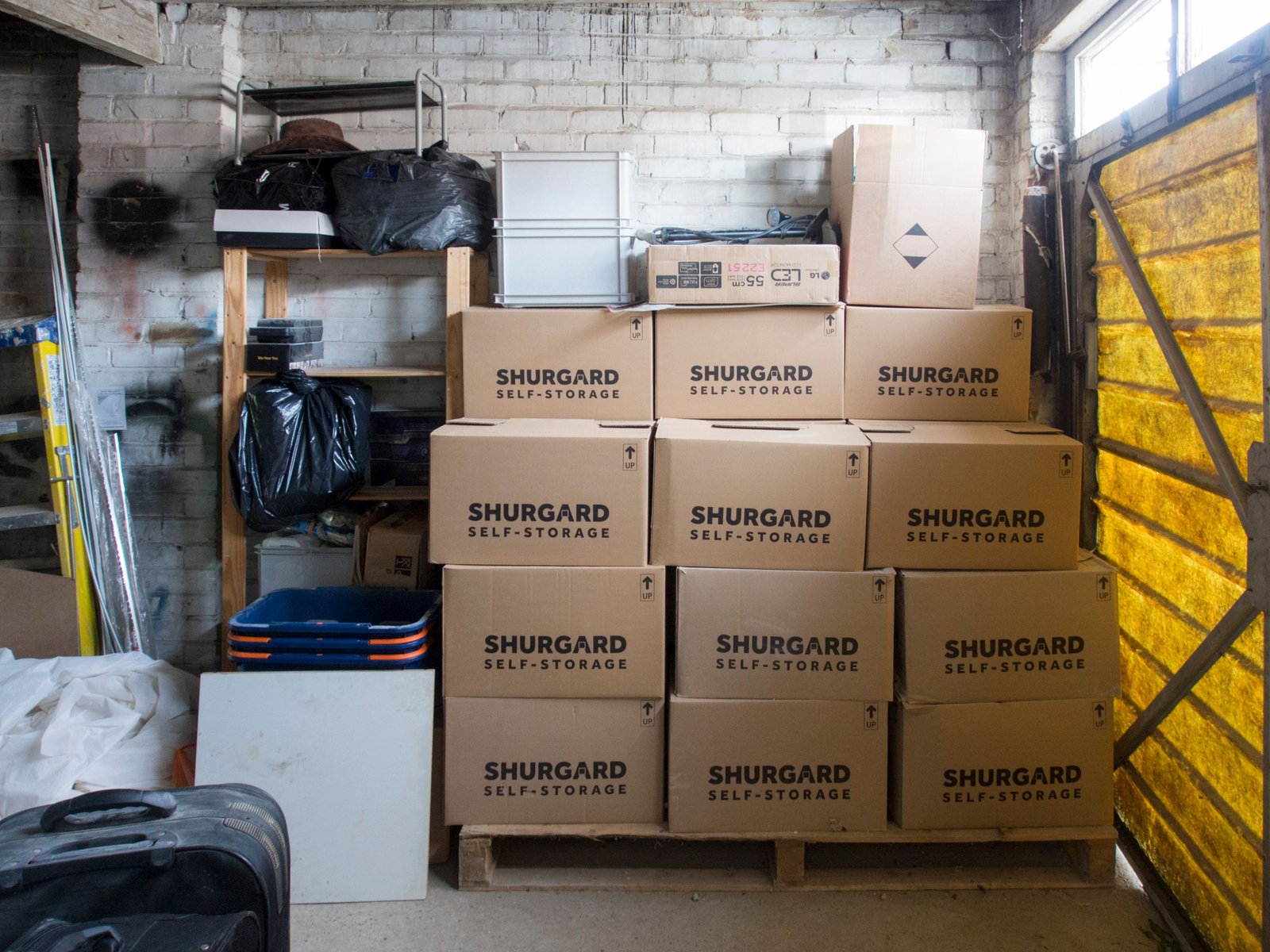
Basement vs Ground Floor Storage
Storage design is often overlooked in early planning, yet it has a major impact on how efficiently a building functions over time. One of the most common spatial decisions in residential and commercial projects is whether to place storage in the basement or on the ground floor. Both options serve the same purpose, but their performance differs significantly in terms of environmental conditions, accessibility, cost, and long-term usability.
Basement storage typically offers larger capacity and better space efficiency, while ground floor storage provides easier access and lower environmental risk. The right choice depends on building type, climate, and usage frequency.
What is Basement Storage
Basement storage refers to storage areas located below ground level, often fully or partially underground.
| Characteristic | Basement Storage |
|---|---|
| Location | Below ground |
| Space efficiency | High |
| Accessibility | Lower |
| Temperature stability | Moderate to stable |
| Common use | Bulk storage, seasonal items |
Basements are often used for long-term storage and items that do not require frequent access.
What is Ground Floor Storage
Ground floor storage is located at the same level as the main entrance or living/working spaces.
| Characteristic | Ground Floor Storage |
|---|---|
| Location | Above ground |
| Space efficiency | Moderate |
| Accessibility | High |
| Temperature stability | Depends on envelope |
| Common use | Daily-use storage |
This type of storage is ideal for frequently accessed items.
Accessibility and Daily Use
| Factor | Basement Storage | Ground Floor Storage |
|---|---|---|
| Ease of access | Low | High |
| Time efficiency | Lower | Higher |
| Suitability for daily items | Poor | Excellent |
| Transport effort | Higher | Lower |
Ground floor storage is significantly more practical for everyday use, especially in homes without elevators.
Basements require more effort, making them better suited for occasional access.
Moisture, Humidity, and Environmental Risks
| Environmental Factor | Basement Storage | Ground Floor Storage |
|---|---|---|
| Moisture risk | Higher | |
| Flood risk | Higher (depending on site) | |
| Ventilation challenges | More difficult | |
| Mold potential | Higher | |
| Environmental stability | Lower |
Basements naturally sit below grade, making them more vulnerable to moisture infiltration and humidity issues unless properly waterproofed and ventilated.
Ground floor storage is generally safer from groundwater and dampness.
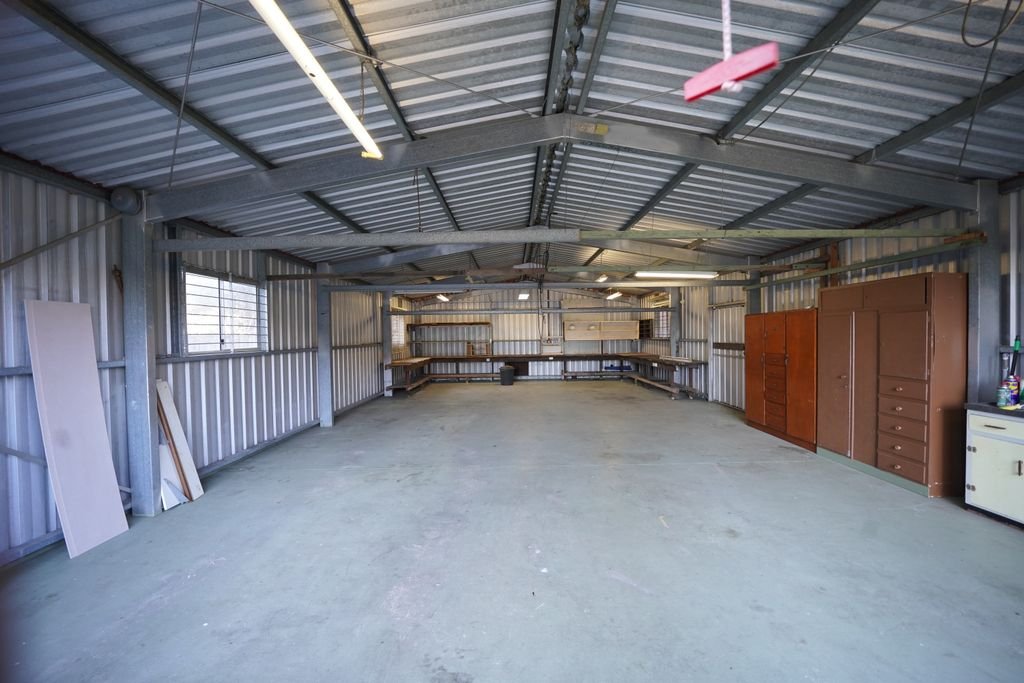
Temperature Stability
| Factor | Basement Storage | Ground Floor Storage |
|---|---|---|
| Thermal stability | More stable | |
| Heat exposure | Lower | |
| Seasonal fluctuation | Reduced | |
| Passive cooling benefit | Yes |
Basements benefit from being insulated by surrounding soil, which helps maintain stable temperatures throughout the year.
Ground floors are more exposed to external temperature changes.
Space Efficiency and Capacity
| Factor | Basement Storage | Ground Floor Storage |
|---|---|---|
| Storage volume | High | |
| Structural constraints | Moderate | |
| Usable footprint | Efficient | |
| Expansion potential | High |
Basements often allow large uninterrupted storage zones, making them ideal for bulk storage, archives, or utility rooms.
Ground floors usually compete with living or functional spaces, limiting storage size.
Construction and Cost Considerations
| Factor | Basement Storage | Ground Floor Storage |
|---|---|---|
| Construction cost | High | |
| Structural complexity | High | |
| Waterproofing requirements | Essential | |
| Excavation needs | Required | |
| Cost efficiency | Lower |
Basement construction is significantly more expensive due to excavation, structural reinforcement, and waterproofing systems.
Ground floor storage is simpler and cheaper to implement.
Safety and Risk Management
| Risk Factor | Basement Storage | Ground Floor Storage |
|---|---|---|
| Fire evacuation | Slower | |
| Water damage risk | Higher | |
| Theft risk | Lower (depends on access) | |
| Structural vulnerability | Higher in extreme conditions |
Basements can present evacuation and flooding risks if not properly designed.
Ground floor storage is generally safer and easier to access in emergencies.
Functional Use Cases
Basement storage is best for
• Seasonal items
• Archive storage
• Mechanical systems
• Bulk household storage
• Long-term rarely used items
Ground floor storage is best for
• Daily essentials
• Kitchen supplies
• Cleaning equipment
• Entryway storage
• Frequently accessed items

When Basement Storage Works Best
Basement storage is ideal when
• The project requires large storage capacity
• Climate control is well managed
• Waterproofing is properly designed
• Access frequency is low
• Space above ground is limited
When Ground Floor Storage Works Best
Ground floor storage is preferable when
• Frequent access is required
• Ease of use is a priority
• The climate is humid or flood-prone
• Construction budget is limited
• Safety and simplicity are priorities
Hybrid Storage Strategy
Many well-designed buildings combine both systems. Basements are used for bulk and long-term storage, while ground floors handle daily-use items.
This approach balances capacity with accessibility and improves overall spatial efficiency.
Conclusion
Basement and ground floor storage serve different roles within a building. Basement storage offers high capacity and stable temperatures but comes with higher construction cost, moisture risk, and lower accessibility. Ground floor storage provides convenience, safety, and ease of use, but is limited in capacity and spatial efficiency.
The best solution depends on how frequently items are accessed, the environmental conditions of the site, and the overall spatial strategy of the building. In most cases, a combined approach provides the most practical and efficient storage system.