Privacy-Focused Home Design for Gulf Families
Privacy has always been one of the defining principles of residential architecture in the Gulf region. While modern lifestyles have introduced open layouts, larger windows, and stronger connections between indoor and outdoor spaces, the need to preserve family privacy remains a fundamental design priority. As a result, successful Gulf homes carefully balance openness, comfort, hospitality, and privacy without compromising functionality or aesthetics.
Privacy-focused design is not simply about adding walls or fences. It is achieved through thoughtful planning, controlled views, circulation, landscaping, and architectural elements that respond to both cultural traditions and the regional climate.
Understanding Privacy in Gulf Homes
Privacy extends beyond visual screening. It influences how family members move through the home, receive guests, and use outdoor spaces.
| Privacy Aspect | Design Objective |
|---|---|
| Visual privacy | Prevent direct views into private areas |
| Family privacy | Separate public and private zones |
| Guest privacy | Provide dedicated reception spaces |
| Outdoor privacy | Allow comfortable use of gardens and courtyards |
| Acoustic privacy | Reduce sound transmission between spaces |
A successful design considers all of these aspects together rather than treating privacy as a single feature.
Zoning Public and Private Spaces
Organizing the house into clear functional zones is one of the most effective privacy strategies.
| Zone | Typical Spaces |
|---|---|
| Public | Entrance, guest majlis, guest bathroom |
| Semi-private | Family living room, dining room |
| Private | Bedrooms, family lounge |
| Service | Kitchen, laundry, storage, staff areas |
This hierarchy allows guests to be welcomed without disturbing everyday family life.
Entrance Design
The entrance plays a major role in protecting interior privacy.
| Design Feature | Benefit |
|---|---|
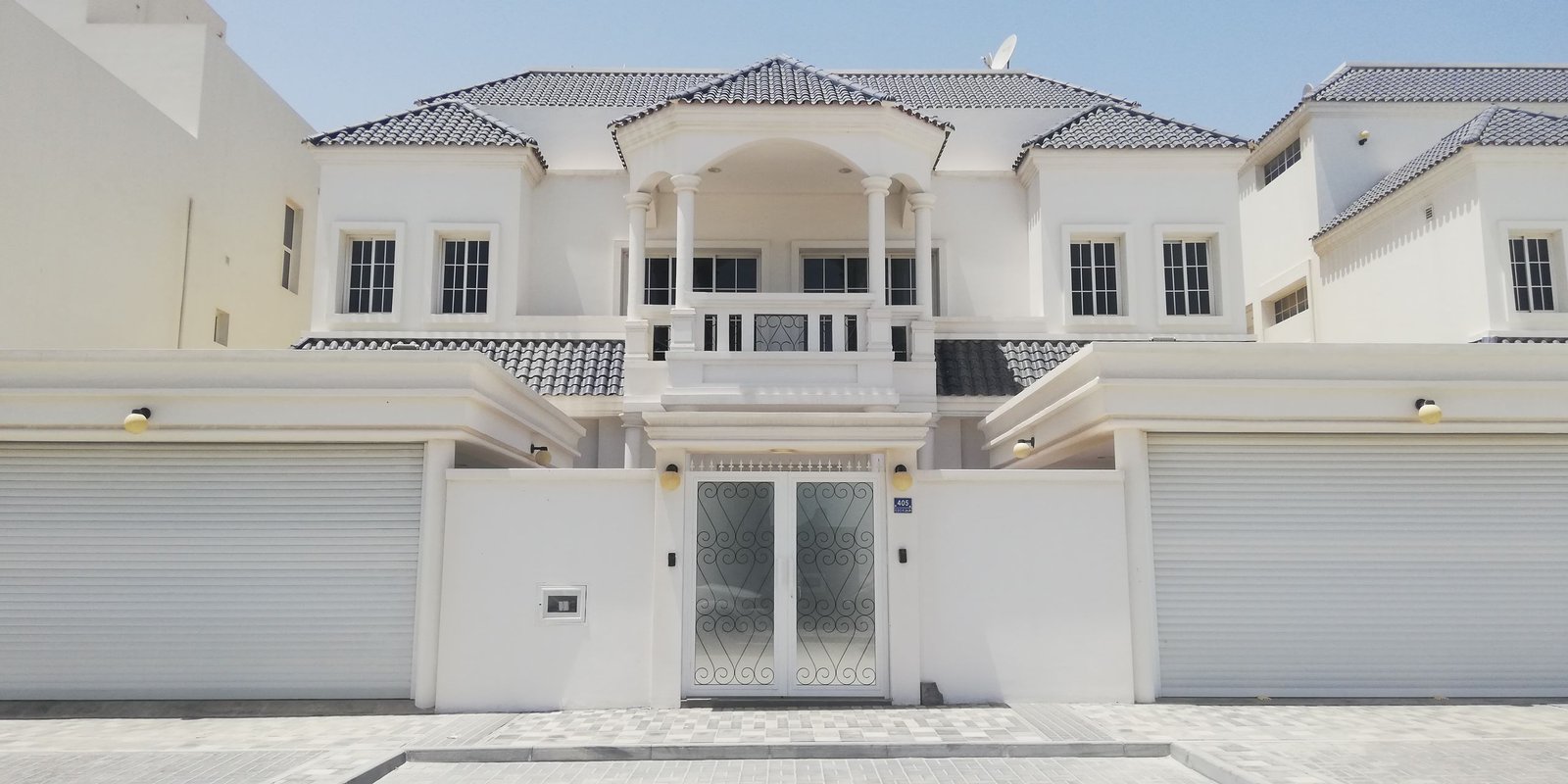
| Recessed entrance | Limits direct visibility |
| Entrance vestibule | Creates a visual buffer |
| Screen walls | Block direct views |
| Offset front door | Prevents visual access into the home |
| Covered entrance | Improves comfort and privacy |
A carefully designed entrance prevents outsiders from seeing directly into family spaces when the door is opened.
Guest and Family Separation
Many Gulf homes separate guest areas from daily family spaces.
| Space | Privacy Function |
|---|---|
| Guest majlis | Independent reception area |
| Family living room | Reserved for household members |
| Guest dining | Separate entertaining space |
| Private circulation | Allows family movement away from guests |
This arrangement supports hospitality while maintaining privacy.
Window Placement and Orientation
Windows should maximize daylight while minimizing unwanted views.
| Window Strategy | Purpose |
|---|---|
| High-level windows | Admit daylight while preserving privacy |
| Courtyard-facing windows | Improve privacy |
| Limited street-facing glazing | Reduce overlooking |
| Vertical screens | Filter direct views |
| Deep window recesses | Improve shading and privacy |
Proper orientation reduces both visual exposure and solar heat gain.
Courtyards as Private Outdoor Spaces
Courtyards remain one of the most effective design solutions in Gulf architecture.
| Courtyard Benefit | Result |
|---|---|
| Natural ventilation | Improved airflow |
| Daylight | Bright interior spaces |
| Privacy | Protected outdoor living |
| Family gathering | Comfortable shared space |
| Landscape integration | Better environmental quality |
A courtyard allows outdoor activities without sacrificing privacy.
Architectural Screening Elements
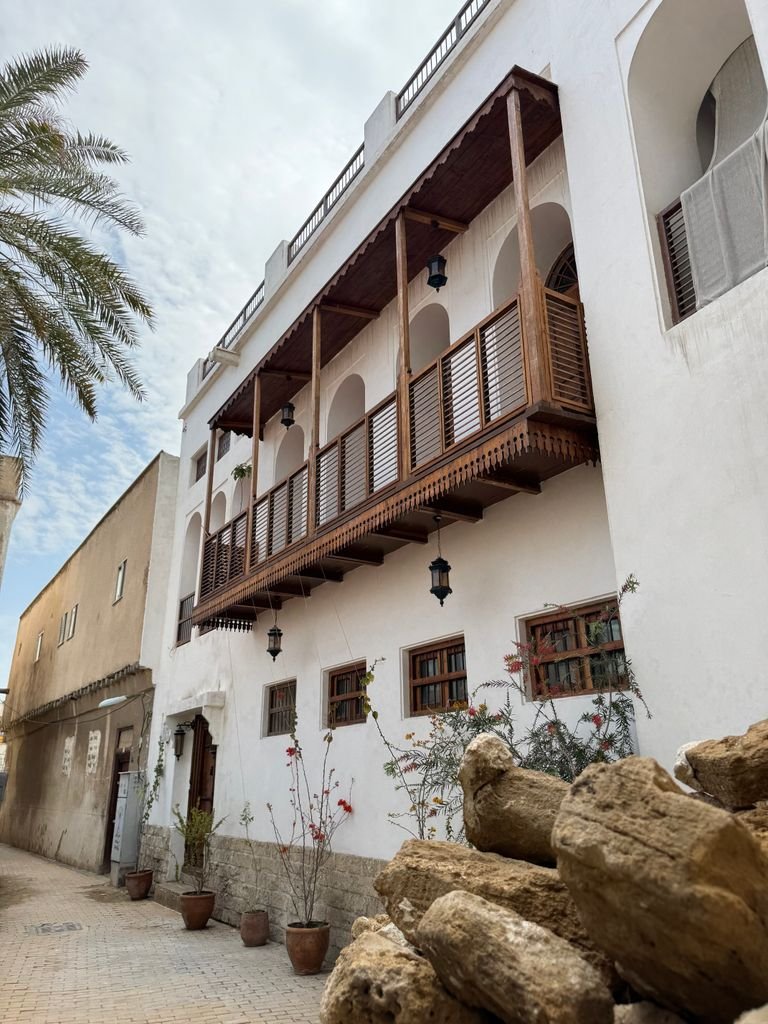
Traditional and contemporary screening devices help balance openness and privacy.
| Screening Element | Function |
|---|---|
| Mashrabiya-inspired screens | Filter light and views |
| Pergolas | Shade outdoor areas |
| Privacy walls | Shield gardens and terraces |
| Louvers | Control visibility and airflow |
| Landscape planting | Create natural visual barriers |
These elements also reduce solar exposure while improving the building’s appearance.
Interior Layout Strategies
| Interior Feature | Privacy Benefit |
|---|---|
| Central family hall | Connects private spaces |
| Bedroom separation | Reduces disturbance |
| Hidden service corridors | Improves circulation |
| Limited direct sightlines | Enhances privacy |
| Flexible partitions | Adaptable spaces |
Careful planning minimizes unnecessary visual connections between rooms.
Climate and Privacy
Many privacy solutions also improve environmental performance.
| Climate Strategy | Privacy Benefit | Environmental Benefit |
|---|---|---|
| Courtyards | High | Better ventilation |
| Deep overhangs | High | Reduced heat gain |
| Shaded terraces | High | Improved outdoor comfort |
| Screen façades | High | Lower solar exposure |
| Vegetation | Moderate | Cooling through shading |
Combining privacy with passive environmental design creates more comfortable homes.
Smart Home Technology and Privacy
Modern technology can support privacy without changing the building structure.
| Technology | Purpose |
|---|---|
| Smart blinds | Automated privacy control |
| Switchable glass | Adjustable transparency |
| Motion sensors | Secure circulation |
| Smart lighting | Enhanced exterior security |
| Video intercom systems | Controlled visitor access |
These systems improve convenience while respecting household privacy.
Common Design Mistakes
| Mistake | Impact |
|---|---|
| Large street-facing windows | Reduced privacy |
| Direct entrance views | Exposes family spaces |
| Poor zoning | Guest and family circulation overlap |
| Inadequate screening | Limited outdoor usability |
| Ignoring neighboring buildings | Increased overlooking |
Avoiding these issues greatly improves long-term comfort.
When Privacy-Focused Design Works Best
Privacy-centered planning is especially valuable when
• Multi-generational families share one home
• Frequent guest visits are expected
• Outdoor living is important
• Homes are built close to neighboring properties
• Cultural traditions strongly influence daily life
These design principles improve both functionality and quality of life.
Conclusion
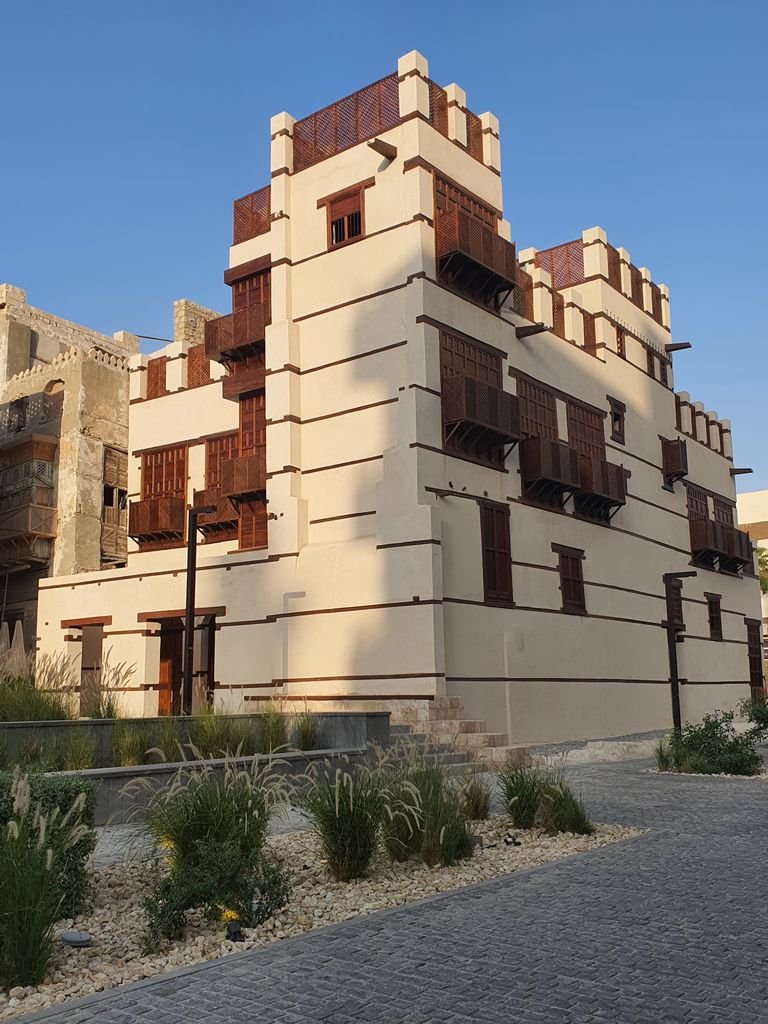
Privacy-focused home design for Gulf families is about much more than enclosing spaces. It combines thoughtful zoning, entrance planning, courtyard design, carefully positioned windows, and architectural screening to create homes that respect cultural values while embracing contemporary living.
The most successful Gulf homes achieve a balance between openness and privacy, allowing natural light, ventilation, and comfortable family life without compromising security or personal space.
Summary
Privacy-focused home design in the Gulf balances cultural expectations, family life, and modern architectural trends. It is achieved through spatial zoning, separated guest and family areas, controlled entrance design, and carefully placed windows that limit direct visibility into private spaces. Courtyards, screens, and landscaping enhance outdoor privacy while supporting ventilation and daylight. Overall, effective Gulf residential design integrates traditional privacy principles with contemporary layouts and technologies to create homes that are open, comfortable, and culturally respectful without compromising family privacy.