Eight tips to make small homes look bigger
Tip #1: Combine the spaces but mark them.
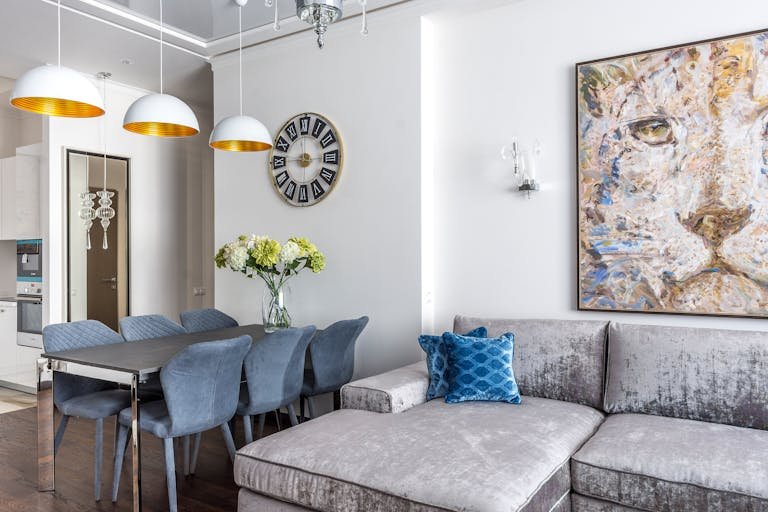
The trend towards cool rooms connecting the kitchen to the living room and/or dining room has remained for some time. To continue this spacious and open feeling but define each space, incorporate subtle room separation with columns, by changing the floor height with a sunken seating area, or simply by changing the floor. Excel Homes incorporates “visually connected room dividers,” a more elegant twist on the passing half wall. These include double-sided fireplaces between the kitchen and the living room or built-in bookcases with clear glass backs.
Tip #2: Find a happy medium for ceiling heights.
The desire for energy efficiency is beginning to outpace consumers’ need for high ceilings. To maintain the dramatic effect of a soaring ceiling, combine surfaces or trim to create shadow lines; The coffered ceilings are interesting and draw the eye upward, Saville says.
Tip #3: Connect with the outdoors.
Well-thought-out outdoor spaces increasingly expand the livable space outside the home. Connect it indoors with larger or multiple patio doors.
Tip #4: Be organized.
Clutter can make small spaces feel cramped and uncomfortable. Use the “shipbuilding” theory of “a place for everything” by thinking about where everyday items, such as vacuum cleaners, will go. Upgrade cabinets with built-in organizational systems instead of just bars. “They organized their lives and so did their clothes,” Savile says.
Tip #5: Let the light go.
Daylighting goes beyond installing additional traditional windows with typical views. Something as simple as installing a strip of windows above or below your kitchen cabinets can help brighten up a space and make it appear larger. In bathrooms, high, narrow windows let in light while maintaining privacy; Beams on the interior walls of the bedroom are another option.
Tip #6: Keep the air moving.
Stagnant air can make a home feel cramped. Air movement design, including dividing windows and interior beams.
Tip #7: Unused space in the future.
Equip unfinished basements and walk attics with wiring and plumbing in anticipation of future rebuilding.
Tip #8: Leave the master suite alone.
Although the square footage of the master bedrooms may drop a bit, the desire for escape makes the comfortable and well-appointed master suite high on homeowners’ lists.