
Al Gaza Markets
Location          Makkah, Saudi Arabia
Client            Makkah Municipality
Type              Commercial / Urban Planning / Research
Status            Research & Planning
Year              2019
Principal         Ibrahim Nawaf Joharji
Design System     Urban flow optimization, commercial integration
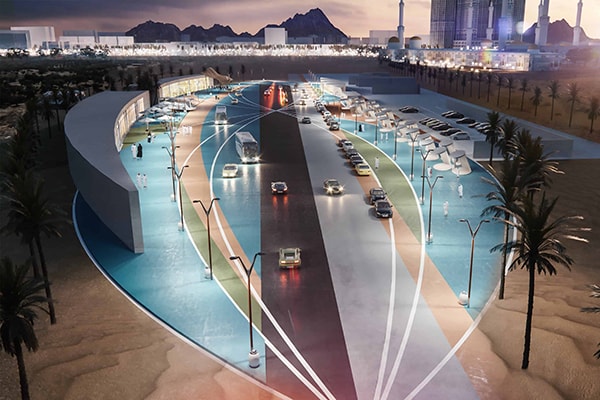
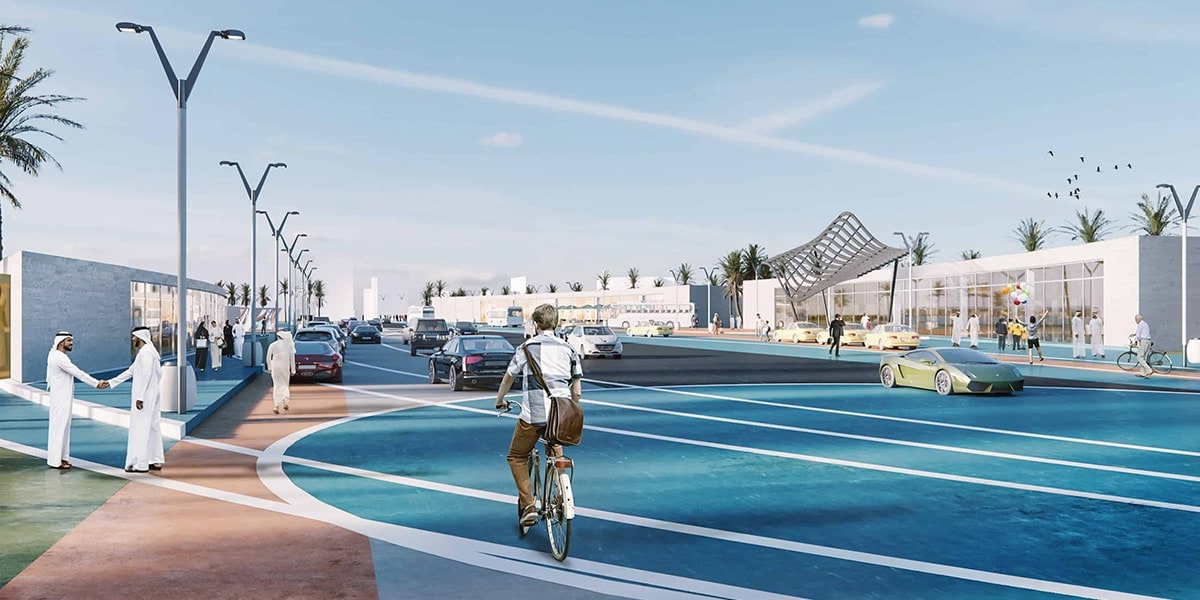
The Al Gaza district historically functioned as the primary northern commercial vein feeding the Grand Mosque in Makkah. The erasure of its traditional, centuries-old urban fabric presented a critical planning dilemma: how to replace an organic, historic market without resorting to superficial pastiche or sterile commercialization. The intervention required a rigorous urban strategy to handle the sheer density of pilgrim movement while restoring the area’s economic vitality.
Commissioned by the Makkah Municipality, INJ Architects approached the redevelopment not merely as a retail project, but as a comprehensive urban research and planning initiative. Initial municipal proposals risked establishing a generic “popular market” that failed to address the complex logistical realities of the site. Our team conducted an exhaustive spatial study to propose architectural alternatives that reject artificial heritage replication in favor of structured, high-efficiency commercial operations.
By integrating advanced spatial technologies and leveraging expertise with international retail standards, the proposal seeks to elevate the urban quality of life for millions of visiting pilgrims and Umrah performers. The design transforms the pedestrian experience from a congested transit corridor into a calibrated, breathable commercial threshold that respects the dignity of the adjacent Holy Site.


This methodology—where historic urban crises are resolved through rigorous research and spatial engineering—is a core component of the office’s analytical approach, detailed in how-we-work. For municipalities and institutions managing high-density urban developments, the engagement protocol is outlined in bespoke-architecture.