FIA Villa
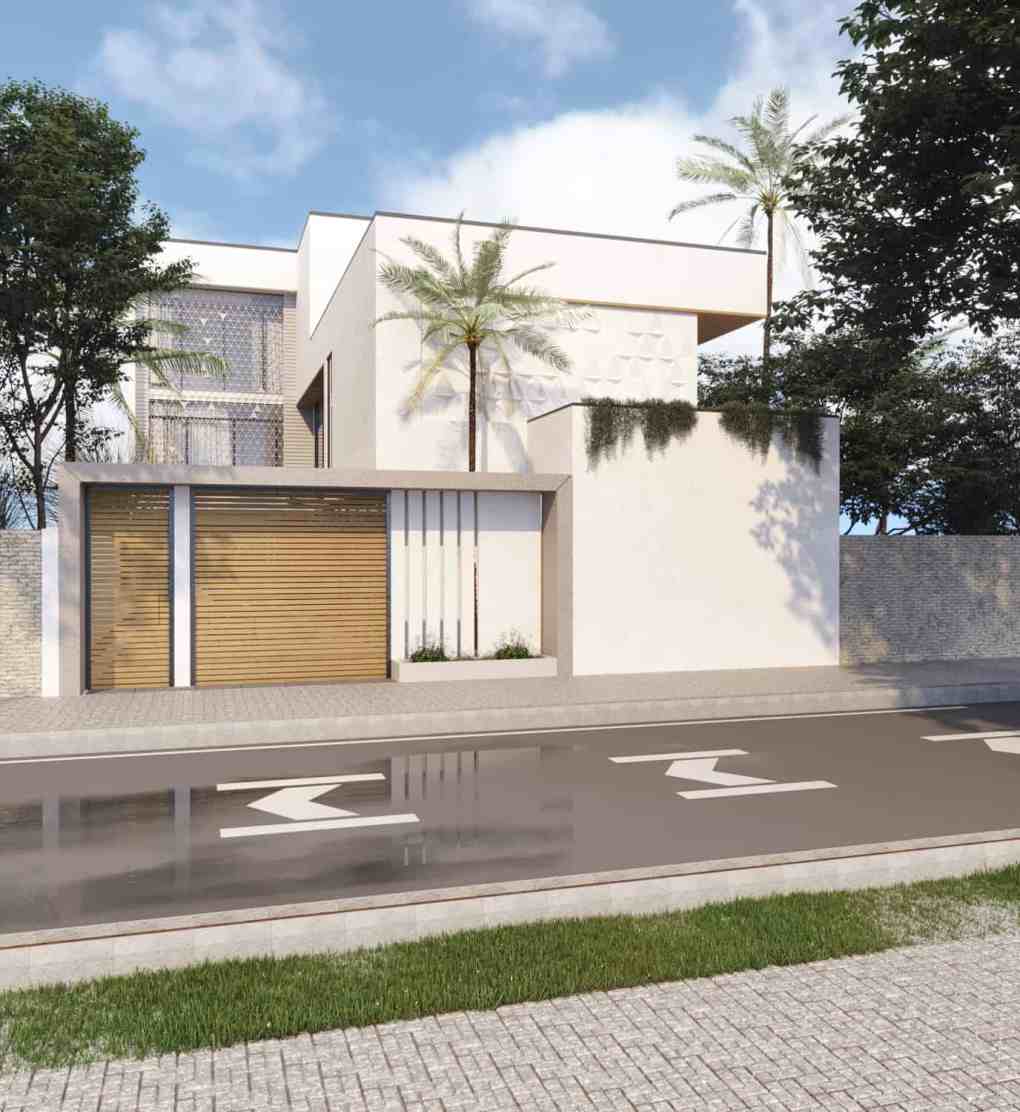
Located in the semi-mountainous terrain of the Al-Awali district in Makkah, the site presents a challenging intersection of severe climate and complex topography. The commission required a residential intervention that could negotiate these environmental constraints while establishing a secure, self-sufficient perimeter for family life. The objective was to prioritize domestic tranquility and privacy without resorting to total isolation from the natural context.
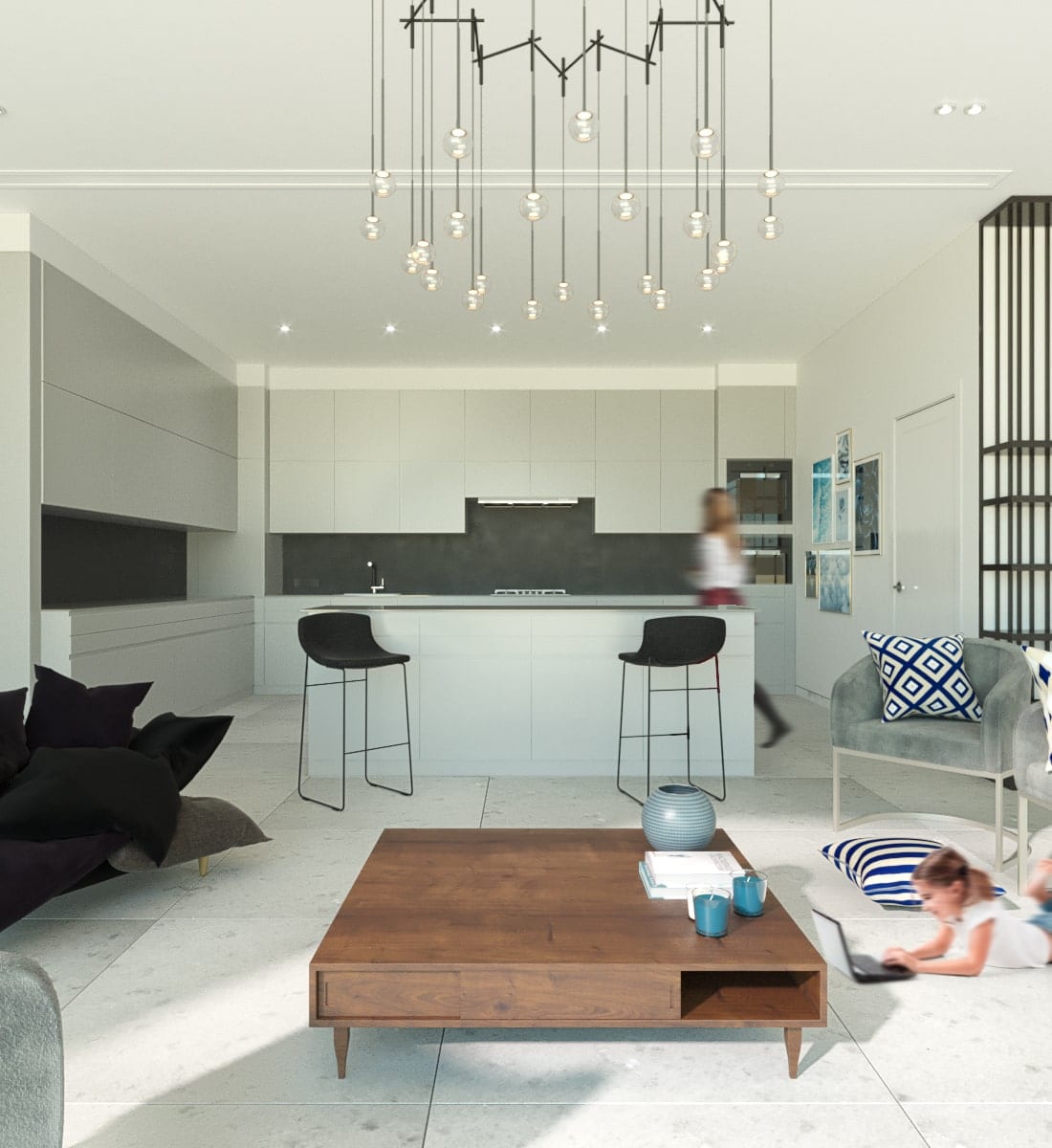
The governing principle of the interior and exterior architecture is material integrity. The design rejects the assumption that spatial value correlates with material expense. Instead, it relies on a highly curated palette of high-performance natural elements arranged to nourish the inhabitants’ spatial experience. This approach treats the house as an active participant in family dynamics, where precise architectural boundaries prevent privacy conflicts while maintaining open visual corridors between shared spaces.
Location          Al-Awali, Makkah, Saudi Arabia
Type              Private Residence
Status            Completed
Year              2017
Principal         Ibrahim Nawaf Joharji
Scope             Architectural Design, Interior Design, Local Consultant
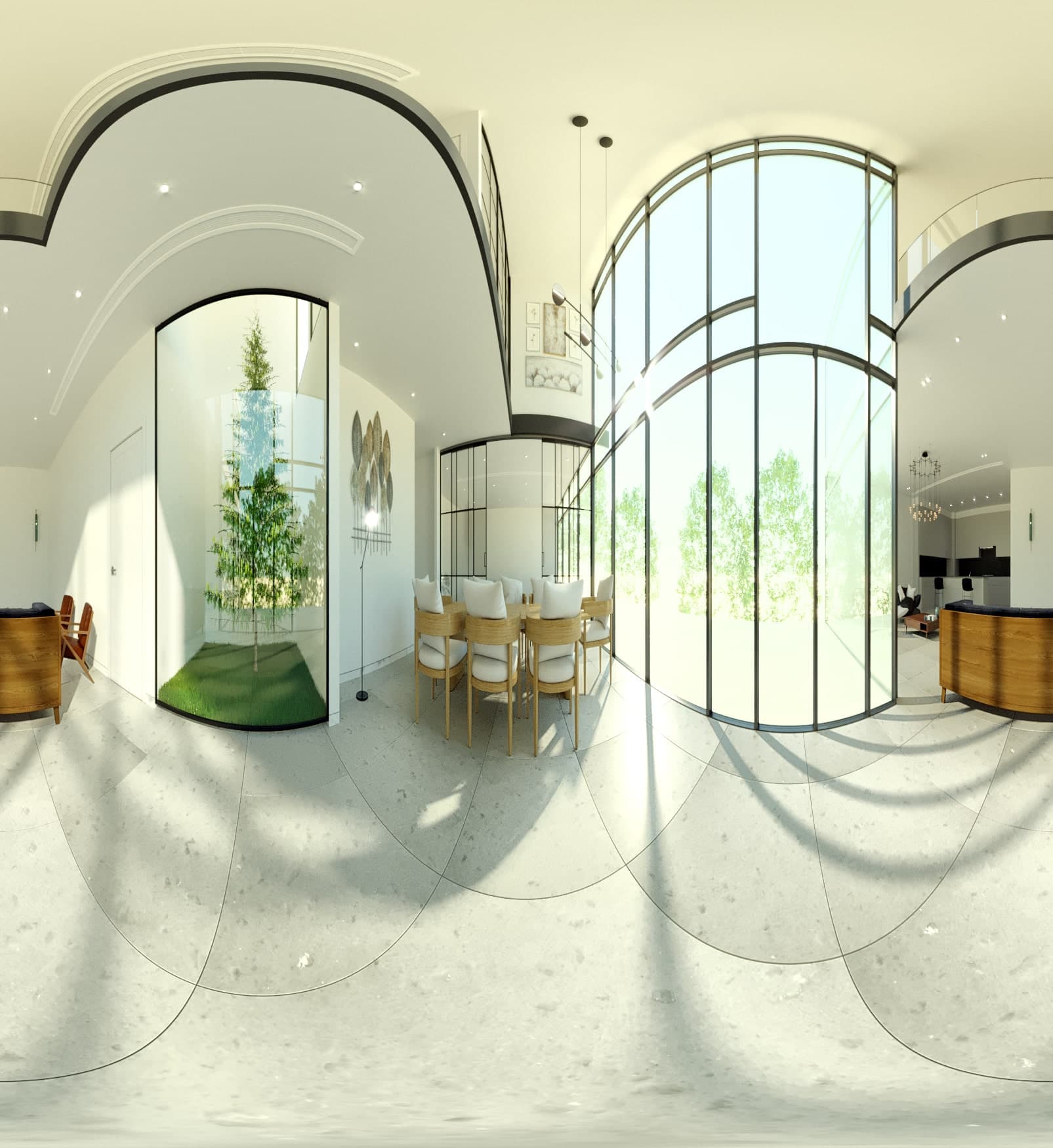
The spatial layout is structured to balance communal gathering and individual retreat. By integrating natural daylight and passive airflow strategies into the primary circulation axes, the architecture reduces mechanical dependency while maintaining thermal comfort in a harsh desert environment. The transition between the refined interior and the rugged exterior is mediated through careful material transitions, extending the domestic logic outward while drawing the landscape inward. This integration anchors the structure to its mountainous context, proving that environmental adaptation is the foundation of enduring residential architecture.

FIA Villa functions as a critique of conventional residential development in Makkah, which frequently prioritizes stylistic application over spatial logic. By treating the climatic and topographical challenges of the region as generative design tools rather than operational obstacles, the architecture establishes a model for self-sufficient domesticity. The insistence on material harmony and psychological comfort demonstrates that poor design actively disrupts tranquility, whereas rigorous spatial organization fosters productivity and cohesion.
This methodology—where environmental constraints dictate interior performance—is a core tenet explored further in How We Work. The integration of site-specific data to shape domestic behavior represents the office’s broader commitment to creating responsive human environments. For clients navigating similar topographical challenges or demanding a highly specific domestic framework, the initial step is outlined in Start a Project.