Opera House and Music School in San Francisco
Sound is not heard — it is experienced spatially. The question that generated this proposal was whether a building dedicated to music could be shaped by the same physical laws that produce music: oscillation, frequency, wave propagation, and the geometry of resonance. If architecture is the organization of space, and music is the organization of time through acoustic phenomena, then a building that houses both should be structured by the logic they share.
Location          San Francisco, California, USA
Type              Opera House and Music School
Status            Competition Entry
Year              2017
Principal         Ibrahim Nawaf Joharji
Focus             Acoustic geometry, wave-derived form, dual programme integration
The competition brief called for a building that could hold two distinct programmes — a performance opera house and a music school — within a single coherent architectural identity. These are not naturally compatible institutions. One is oriented toward the public, toward ceremony and spectacle. The other is oriented inward, toward practice, repetition, and the sustained concentration that learning demands. The challenge was not to separate them but to find the formal logic that could make their coexistence legible.
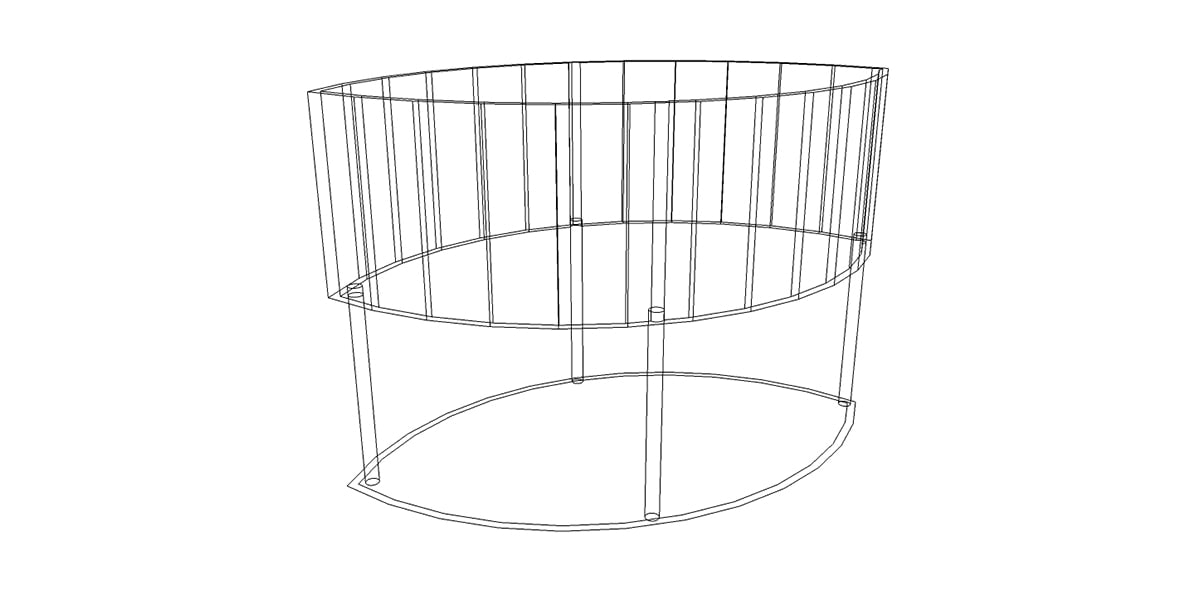
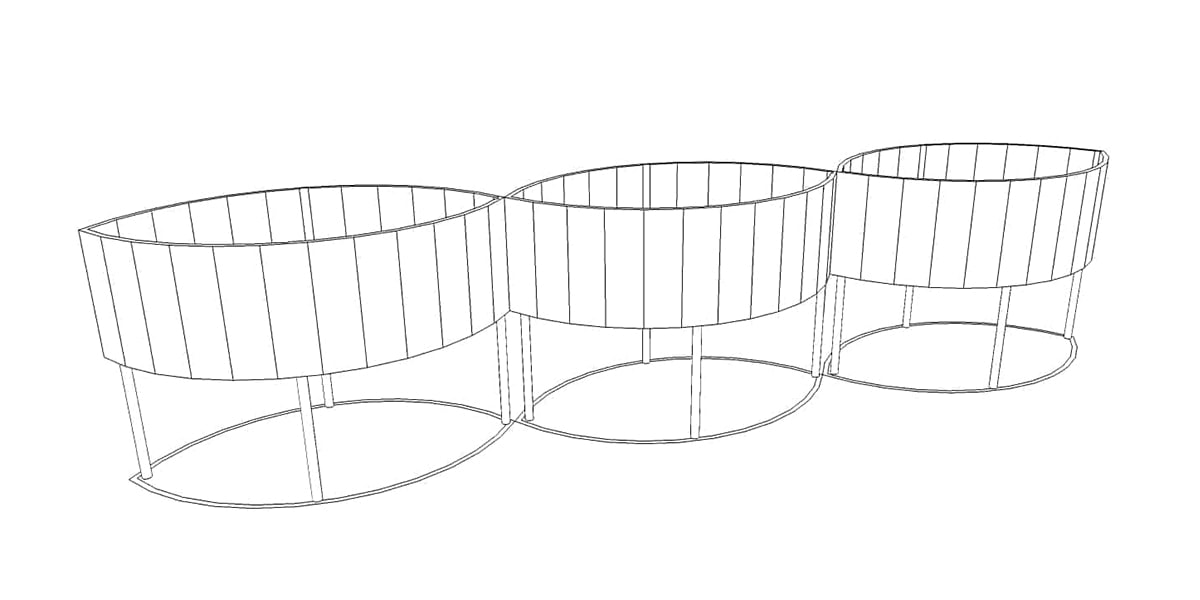
The generative principle of the design is the acoustic waveform. Sound, when measured and plotted, produces a geometry of oscillation — peaks, troughs, and the intervals between them that define rhythm and melody. This geometry was applied directly to the building’s massing: the primary envelope rises and falls according to the mathematical proportions of a musical wave, with the length-to-width relationships of the form calibrated to the same ratios that govern acoustic performance within the interior volumes. The building does not illustrate music. It is structured by the same mathematics that produces it.
The opera house occupies the primary volume, its auditorium positioned at the geometric center of the wave form where the acoustic envelope achieves its maximum curvature. The music school is embedded within the flanking volumes, its practice rooms and teaching spaces distributed along the descending portions of the wave. This arrangement ensures that both institutions share a continuous envelope while maintaining the acoustic separation that each requires. Circulation between the two programmes follows the natural slope of the form, moving students and performers along paths that reinforce the spatial hierarchy without imposing artificial barriers.
The facade responds to San Francisco’s specific climatic and urban conditions. The city’s characteristic fog diffuses direct sunlight, producing a soft, even light that the building’s curved surfaces distribute across the interior without glare. The material specification was developed to engage with this quality of light — surfaces that read differently under morning fog than under afternoon sun, producing a building whose appearance shifts with the atmospheric conditions of the Bay. The relationship between the building’s form and its acoustic logic is documented in the office’s broader design methodology in How We Work.
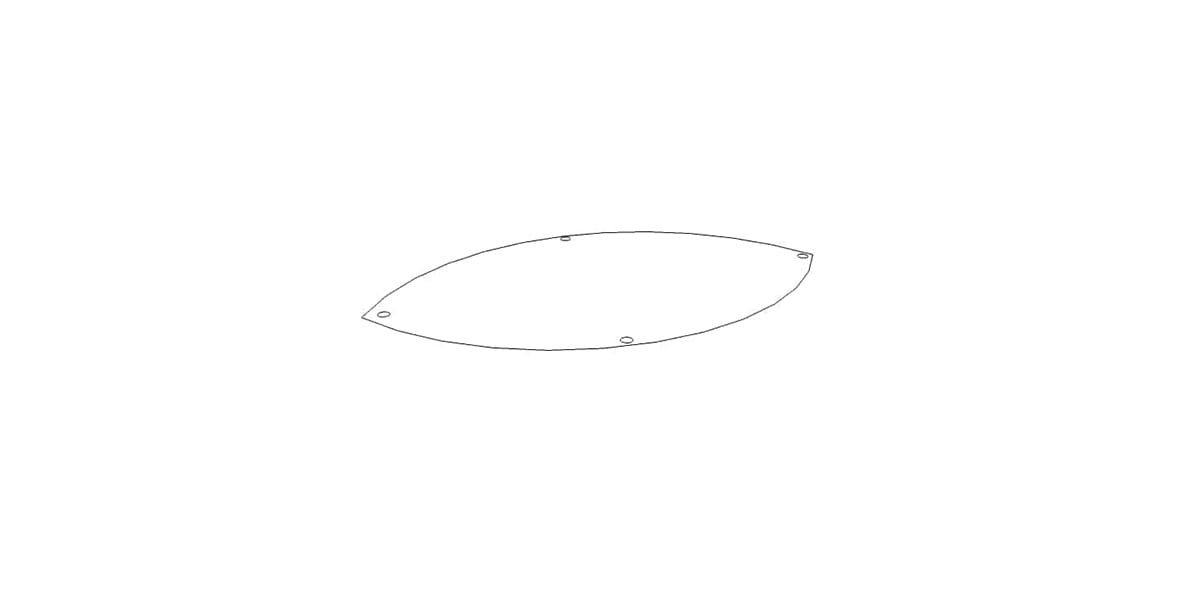


The Opera House and Music School proposal operates on a principle rarely applied to cultural architecture: that the functional logic of the programme — in this case, acoustic performance — should generate the building’s geometry rather than be accommodated within a pre-determined form. Most concert halls are boxes with acoustic treatment applied afterward. This proposal reverses the sequence, using the mathematics of wave propagation as the primary formal system from which all spatial decisions follow. The result is a building whose exterior profile is not a stylistic choice but a direct legibility of the acoustic physics operating within it.
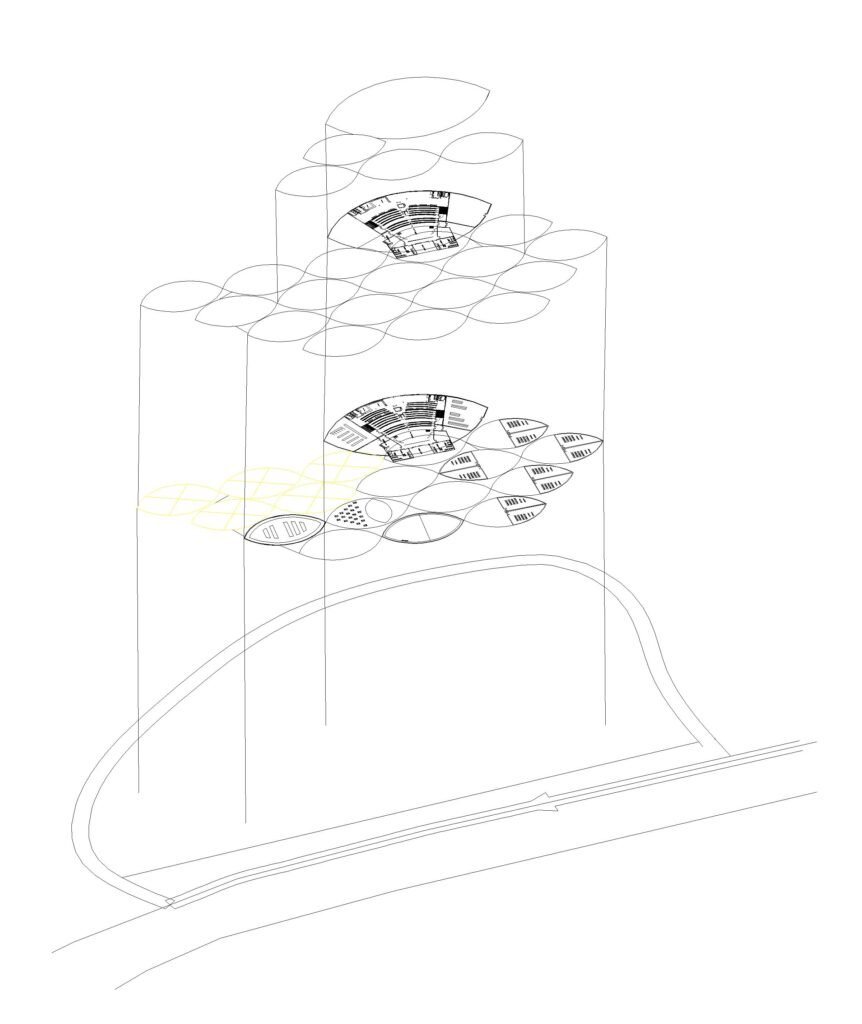
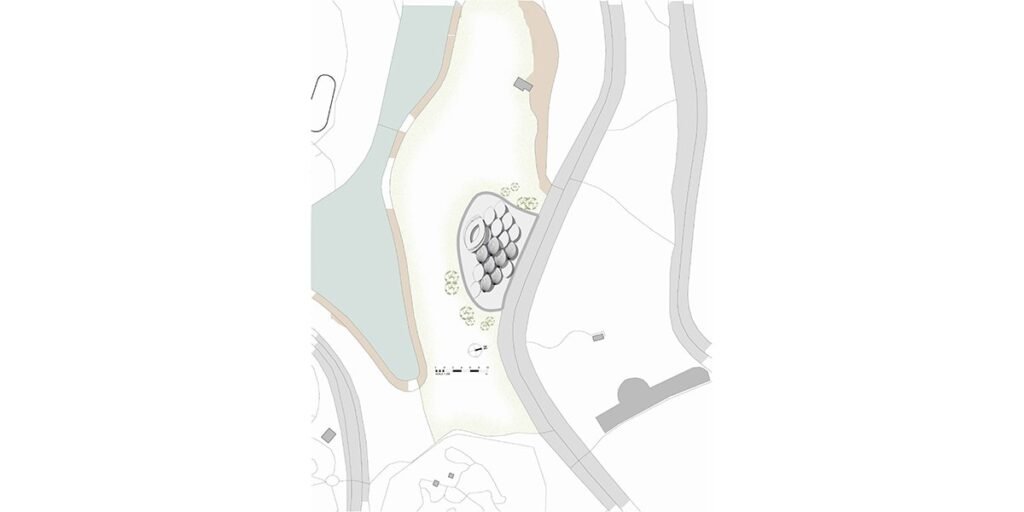
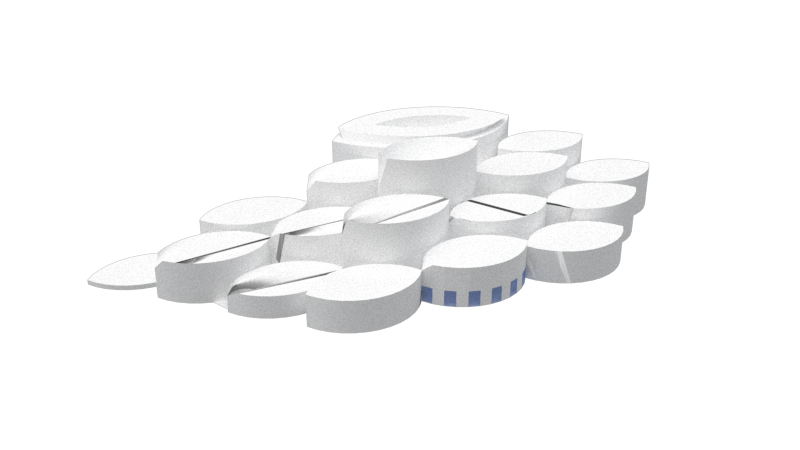
The integration of the opera house and music school within a single continuous envelope — rather than as separate linked buildings — is a structural argument about the relationship between performance and pedagogy. A student who learns inside the same spatial system that a performer inhabits acquires an understanding of professional space that no conventional school building can provide. The shared envelope is not a cost-saving measure. It is a pedagogical position. For commissions that operate at this level of conceptual and programmatic specificity, the first step is outlined in Start a Project. Related work exploring acoustic and cultural typologies is documented in the project portfolio.