ZTM desert chalet
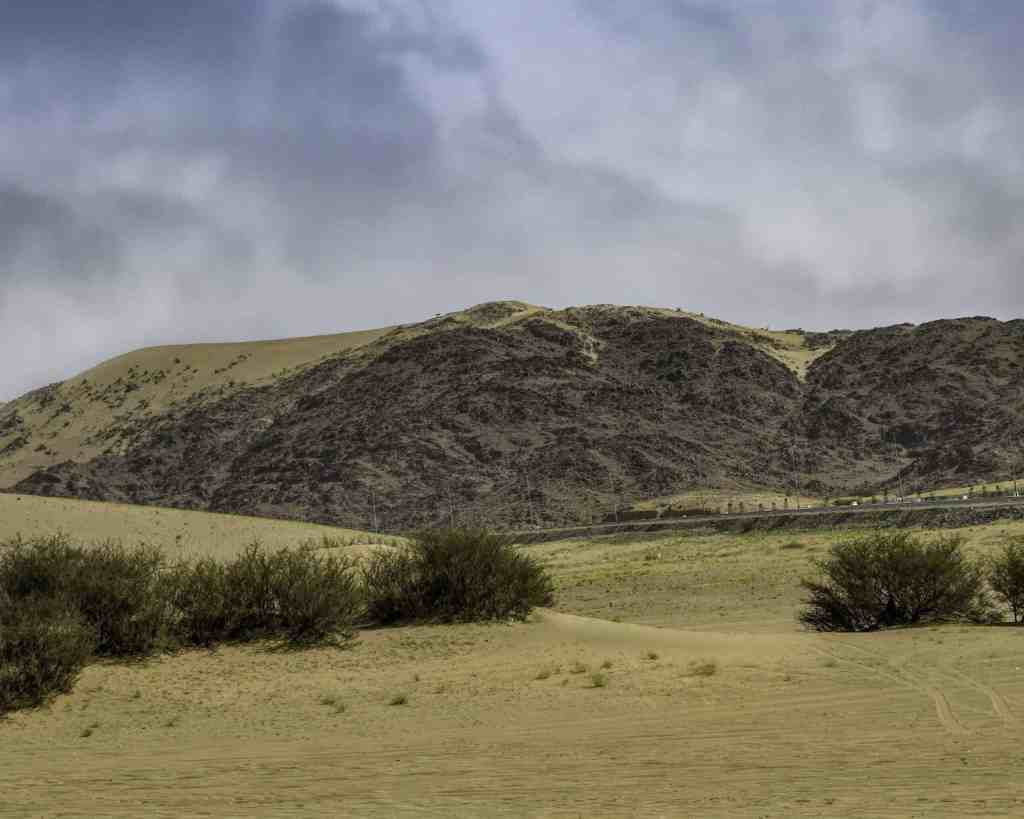
To build in the Riyadh desert is to accept a condition of absolute exposure. The design of a private retreat in this environment cannot rely on passive containment; it requires a structural geometry capable of actively negotiating extreme solar radiation while preserving the cultural intimacy of the Saudi domestic gathering.
The culture of the desert lounge is deeply embedded in Saudi social structures, serving as an essential threshold between urban density and the open landscape. However, conventional chalet typologies often impose rigid, imported forms onto the sand. This project discards orthogonal conventions in favor of a parametric surface. The architecture functions as a grounded landform, generating a sweeping canopy that mimics the fluid dynamics of the dunes while providing engineered resistance to the harsh climate.
Location          Riyadh, Saudi Arabia
Type              Private Desert Retreat
Status            Design
Year              2020
Principal         Ibrahim Nawaf Joharji
Design System     Parametric surface geometry, climatic adaptation
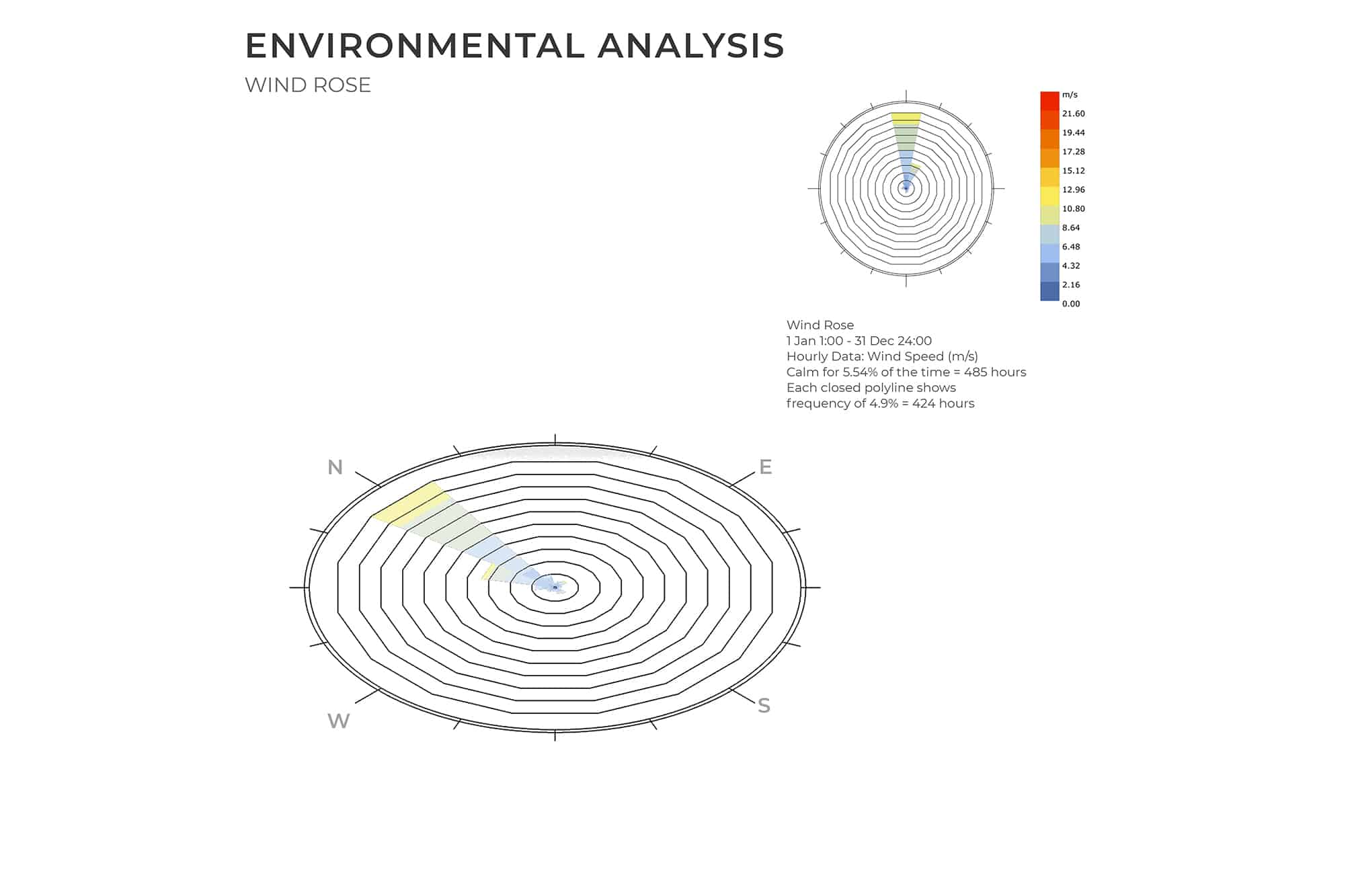
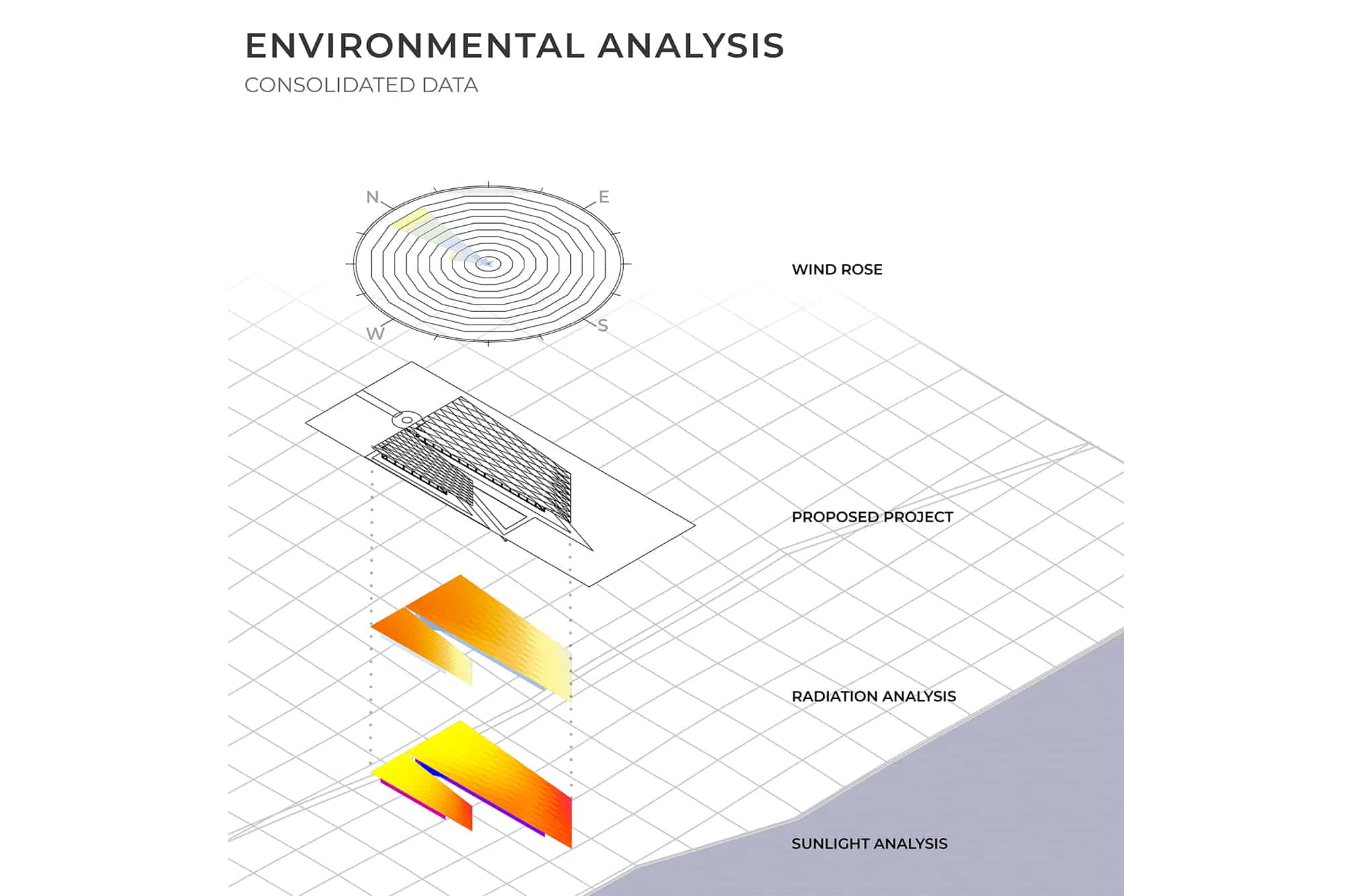
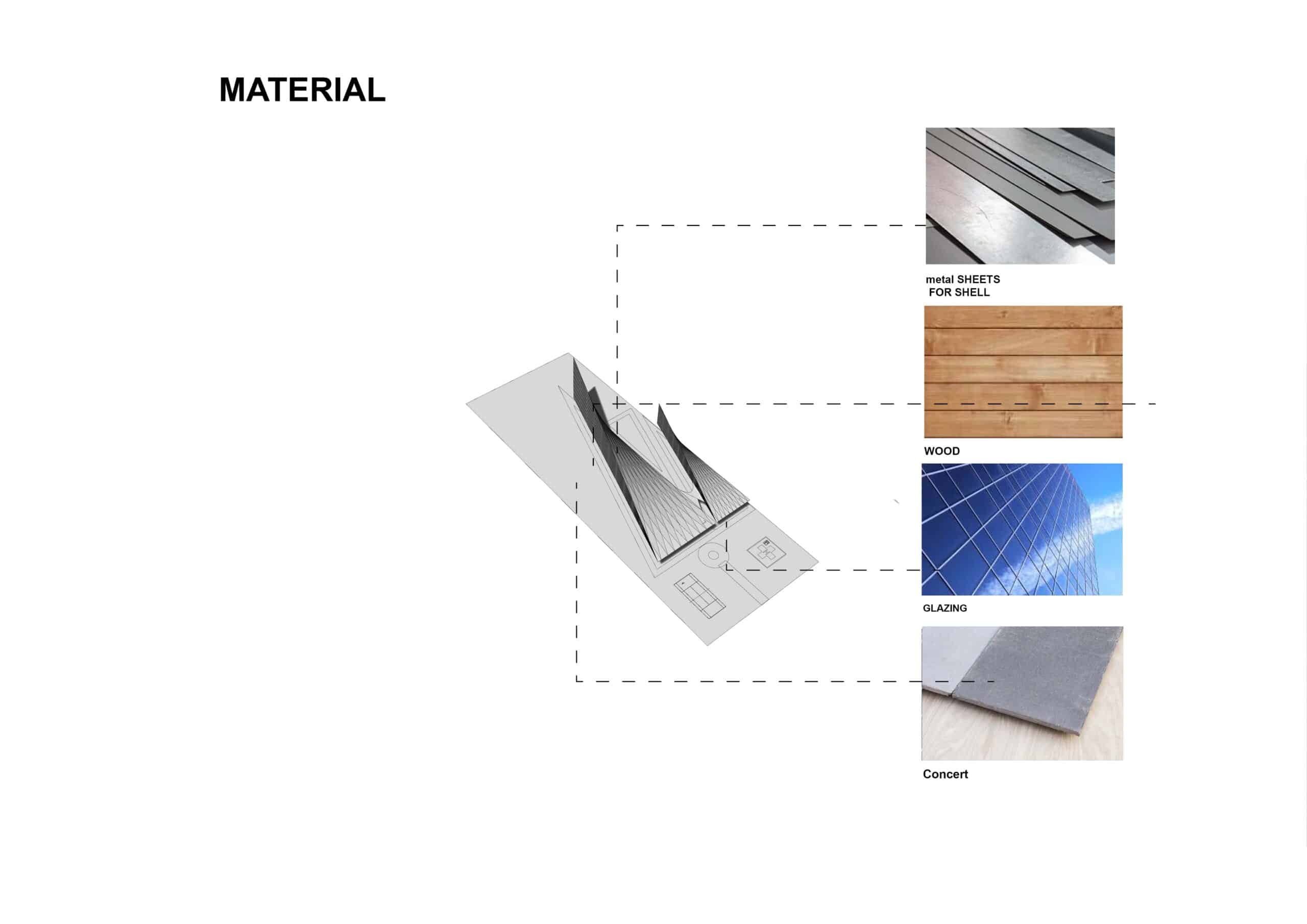
The primary envelope is entirely computer-generated, utilizing polygonal geometries to distribute heat loads and optimize shaded perimeters. The roof structure reads as a suspended sail, yet it is firmly anchored to manage wind shear and solar intensity. The complex surface articulation is not a formal indulgence but a calculated environmental filter, casting deep shadows over the outdoor terraces and reducing the thermal burden on the interior volumes.
Beneath this expansive canopy, the spatial programming organizes family gathering zones and private quarters. The visual permeability of the ground-floor glazing is strictly calibrated. It ensures panoramic exposure to the desert horizon, drawing the landscape into the living spaces, without compromising the internal privacy required by the family. The transition from the hostile exterior to the sheltered interior is managed through layered thresholds, allowing the building to breathe within its arid context.
ZTM Desert Chalet demonstrates that computational architecture in extreme environments must prioritize climatic performance over mere formal expression. The aggressive articulation of the polygonal roof serves as a primary defense mechanism against solar radiation, effectively acting as an independent micro-climate generator for the spaces below. By synthesizing advanced engineering with the traditional ritual of the desert retreat, the structure elevates the typology from a temporary shelter to a permanent architectural statement.
The computational methodologies applied to this environmental modeling and surface generation are detailed in the office’s structural processes in how-we-work. For commissions requiring localized architectural responses to extreme landscapes and demanding climates, the engagement framework is outlined in bespoke-architecture.