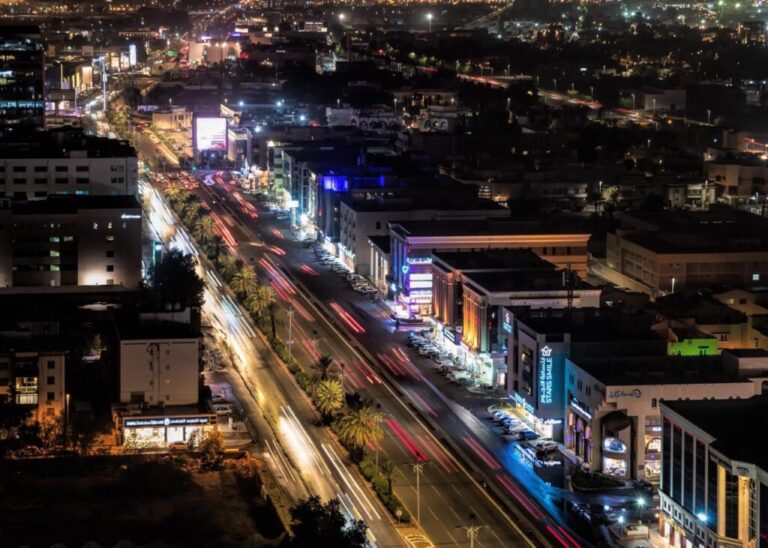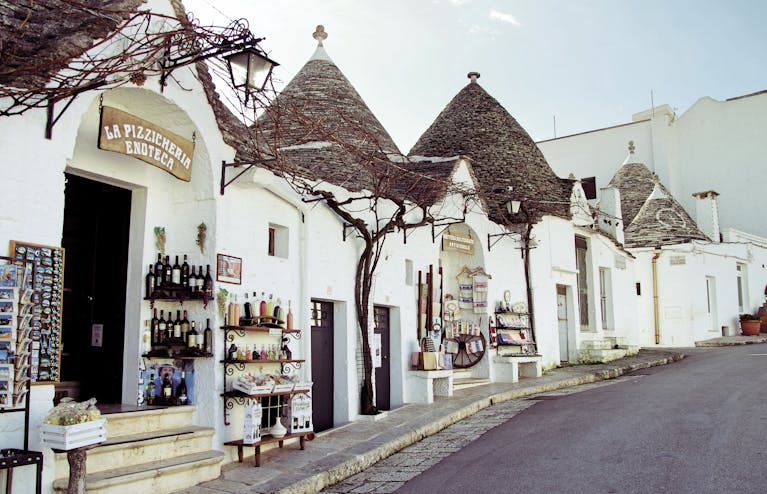

Modern architecture in Saudi Arabia
Modern architecture in Saudi Arabia,
Modern architecture is an architectural period with a special direction that includes a range of architectural schools and styles.
These schools and styles share some characteristics,
which are primarily related to the simplification of forms and the rejection of ornamentation.
This contradicts the original Islamic architectural styles and made it subject to harsh criticism in the Kingdom of Saudi Arabia.
But its importance lies in being a way of communicating with the outside world,
as modern architecture is a common architecture among all the developed countries of the world.
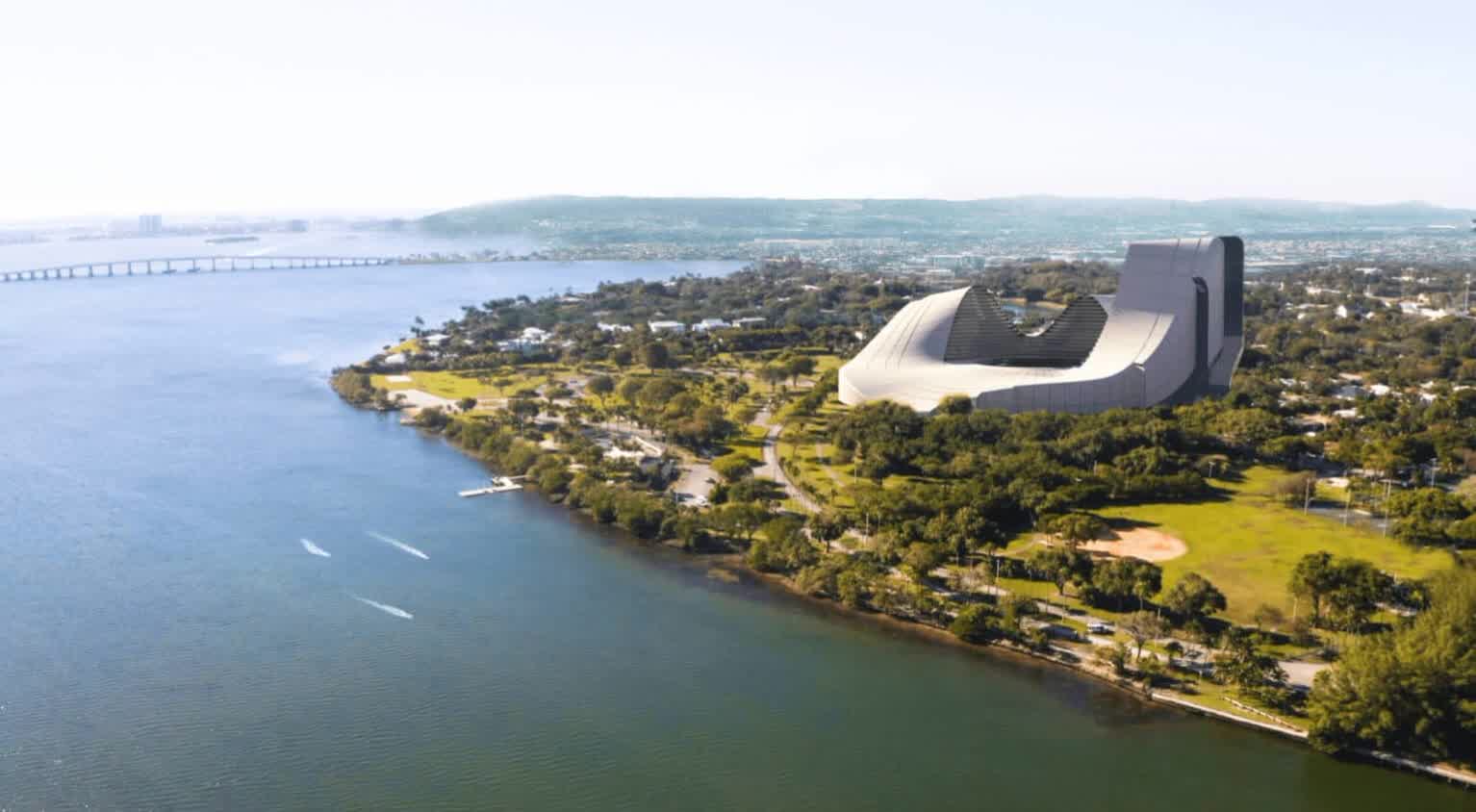
Modern Islamic architecture in the Kingdom of Saudi Arabia
At the beginning of the second half of the nineteenth century,
Western architects began to flock to the various major Islamic capitals.
Such as Istanbul, Cairo, Delhi and Tehran, and a little later in smaller capitals such as Rabat, Damascus and Bukhara.
These architects worked for local rulers or the rising international merchant class,
who in turn worked under the auspices of the colonial powers.
Some of them presented the new styles prevalent in Europe, such as neoclassical, neo-baroque,
Art Nouveau, Art Deco, and even modernist designs.
Perhaps this was to confirm their modernity, and even more importantly to confirm the modernity of their masters and their catching up with what was new.
Modern architecture in Saudi Arabia
Others have attempted to turn the case into historical architecture,
in their designs as a means of communicating with the culture and history of the places in which they found themselves working.
In order to realize this end, they borrowed architectural and decorative elements from a number of historical architectural traditions.
Some of them were Islamic and some were pre-existing, and they incorporated them into a set of new styles (neo-styles).
The Neo-Mamluk, the Neo-Maghreb, the Neo-Islamic (or Hindu-Saracenic),
as well as the Neo-Pharaonic, the Neo-Sasanian, and the Neo-Hittite (relative to the Hittites).
But the architects, like the researchers with whom they were in contact, considered these architectural traditions,
including Islamic architecture, to be outdated, as they were not destined to leapfrog in one way or another into the modern era.
Thus, it had to be documented, analyzed and categorized before any of its formal or spatial elements could be incorporated into the references to the designs of the new styles.
The process of architectural analysis followed those established Western standards,
especially the Beaux-Arts architecture coming from Rome and Greece.
The resulting ‘revivalist’ styles were practically similar to the work of western revivalist architects,
with perhaps the only difference being their reference to Islamic references.
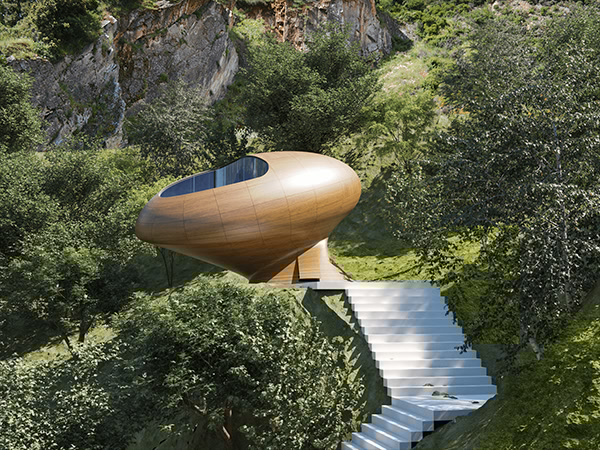
Postmodern architecture in Saudi Arabia
The historical transformation in the field of Islamic architecture is the expression of the ideology that Islam is an identity.
This has prompted a misunderstanding of the process, which is still developing,
two different phenomena economically, historically, and politically, though opposite to each other.
The first phenomenon is the emergence of various Islamic political movements in the seventies of the last century in most Islamic countries.
This was after a clear silence that lasted for about thirty years before it,
as the Islamic political movements sought to return, in the wake of the victorious Iranian Islamic Revolution of 1979. ,
It was a return to more authentic foundations of governance in the Islamic nation,
while these movements were seen as a reaction to the failures of nation-states in the face of foreign interventions and moral corruption.
However, these political movements strangely ignored the conceptual features of architecture,
despite their violent and ferocious attacks on all Western cultural imports.
This is in addition to the religious architecture that was built in the name of Islamic architecture.
But the most varied work is that of these architects,
who fused in the exuberance of postmodernism to produce tumultuous formal installations.
A trend that was crowned by the massive structures produced by the major international companies operating in the Gulf.
You may like: Modern architecture and its various styles