
Sustainability
Sustainability at INJ Architects is not a certification target or a marketing position. It is a working condition — one that shapes every decision made in the design process, from the orientation of a building on its site to the specification of a door handle. Since the office’s founding in 2009, Ibrahim Nawaf Joharji has held to the principle that a building which damages its environment or exhausts its resources has failed, regardless of how it looks. This conviction is embedded in how the office works and is visible across the full range of completed projects.
Environmental Conservation Policies
The office’s environmental policies are grounded in a straightforward belief: that the well-being of the built environment and the natural environment are inseparable. Every project is executed in strict compliance with the office’s ISO-certified environmental management standards. Green building principles are not applied as a finishing layer to designs conceived without them; they are integrated from the earliest stages of site analysis and concept development. The efficient use of water, energy, and raw materials is treated as a design discipline rather than an afterthought, and the office’s team undergoes regular training to maintain fluency with the latest conservation techniques and the evolving standards of sustainable construction in Saudi Arabia and internationally.
Design Strategies
Every project begins with a reading of the site’s environmental conditions — its solar exposure, prevailing wind direction, topography, and relationship to surrounding vegetation. These conditions are not obstacles to be engineered around; they are the primary material of the design. Passive cooling and heating strategies are integrated from the earliest stage of concept development, reducing the building’s dependence on mechanical systems and lowering its operational energy load over the full course of its life. Where active systems are necessary, they are selected for efficiency and monitored through IoT-enabled building management platforms that allow performance to be tracked and adjusted in real time.
Material selection follows the same logic. The office prioritizes locally sourced, low-carbon materials not as a gesture toward sustainability but because they perform better in the regional climate, support the local economy, and reduce the emissions associated with long-distance transportation. LED lighting, solar panels, and advanced HVAC systems are integrated where they offer a measurable reduction in energy consumption and carbon output. Modular construction techniques are employed where appropriate to minimize on-site waste. Water management is addressed through greywater recycling systems and water-efficient landscaping that draws on native species adapted to the conditions of the site rather than requiring artificial irrigation. Green landscaping methods support local biodiversity while further reducing the building’s environmental footprint.
Certifications and Accreditations
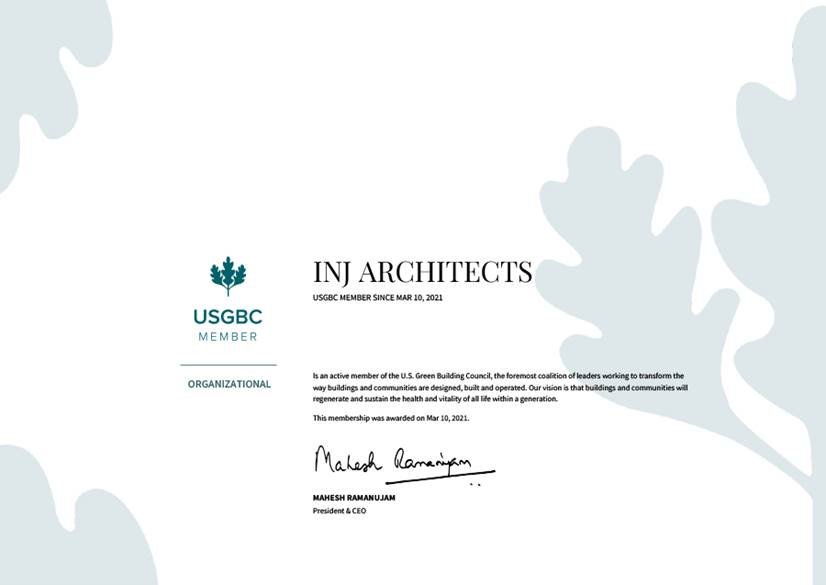
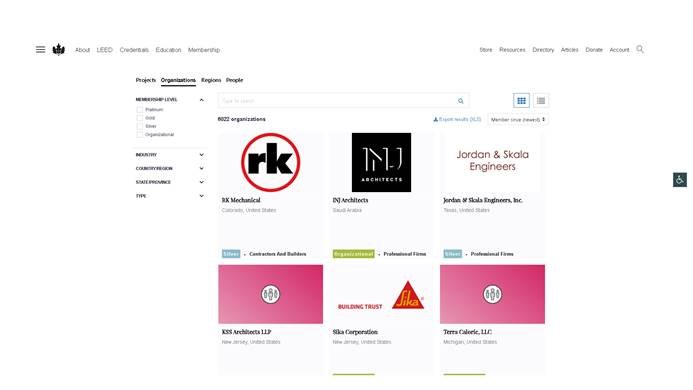
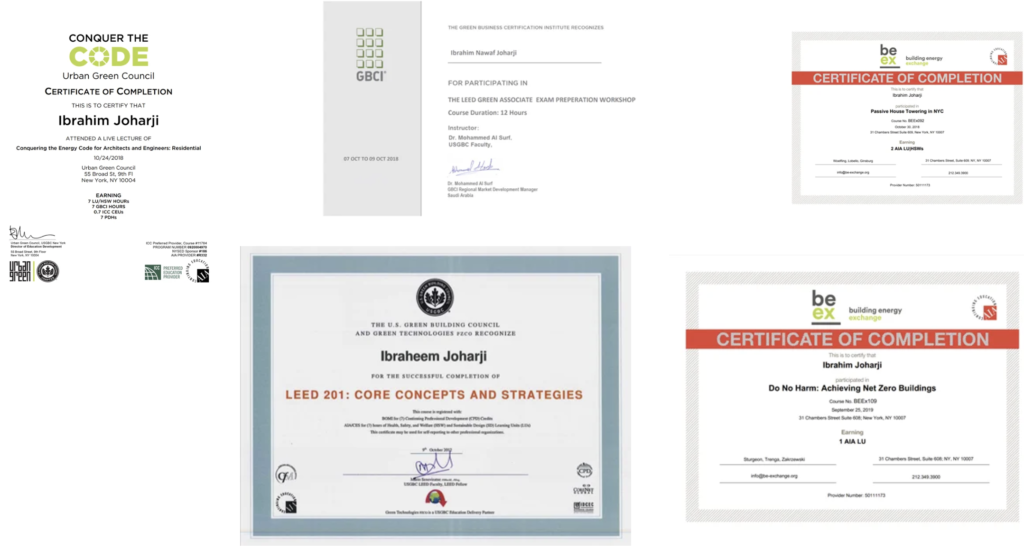
The office holds ISO 9001, ISO 45001, and ISO 14001 certifications, reflecting a documented commitment to quality management, occupational health and safety, and environmental management respectively. Ibrahim Nawaf Joharji is a LEED Green Associate, and the office aligns its projects with LEED and BREEAM standards where the brief calls for formal green building certification. The office is also a member of the US Green Building Council and the Urban Green Council, maintaining active engagement with the international community working to raise the environmental performance of the built environment. These accreditations are not the point — they are the evidence of a practice that has been conducted responsibly over time.
Environmental Management System
The office operates a formal Environmental Management System aligned with ISO 14001, which governs the environmental conduct of every project from commission through completion. Advanced monitoring technologies are used to assess the environmental impact of projects on an ongoing basis, with proactive risk assessments integrated into the project management process to identify and address potential environmental harm before it occurs. The EMS is not a static document; it is reviewed and improved continuously, with findings from completed projects informing the approach taken on new ones. Employees are trained regularly on environmental best practices and ISO standards, and awareness campaigns within the office ensure that environmental responsibility is understood as a shared commitment rather than the concern of a single department.
Waste Management and Recycling
Waste management is treated as a design discipline rather than a site management afterthought. The office conducts regular waste audits to identify sources of waste across its projects, and architectural designs are developed with an explicit emphasis on material efficiency to reduce construction waste at source. Projects feature on-site sorting stations that ensure the effective segregation of recyclable materials, and the office has established working relationships with local recycling facilities to ensure that glass, metal, and plastic recovered from construction sites are repurposed rather than disposed of. The office champions a circular economy approach in its material specifications, consistently promoting the use of recycled and sustainably sourced materials. Construction sites adhere to strict waste management protocols, and employees across the office are trained through regular workshops on waste reduction, separation, and recycling practices.
Environmental and Sustainability Commitment
The office’s commitment to the environment extends beyond individual projects to the way it conducts its own operations. Paper use is minimized and printing is reserved for situations where a physical document is genuinely necessary. Digital infrastructure is hosted on servers powered by renewable energy, and Content Delivery Networks are employed to reduce the energy consumption of the website. Procurement decisions — for materials, products, and services — are made with reference to the environmental and ethical credentials of the supply chain, with a consistent preference for low-carbon and locally available solutions. The office also encourages employees to use public transportation and other low-emission means of travel, recognizing that the commitment to reducing carbon output applies to every dimension of the practice, not only to what it builds.
Sustainability Research and Case Studies
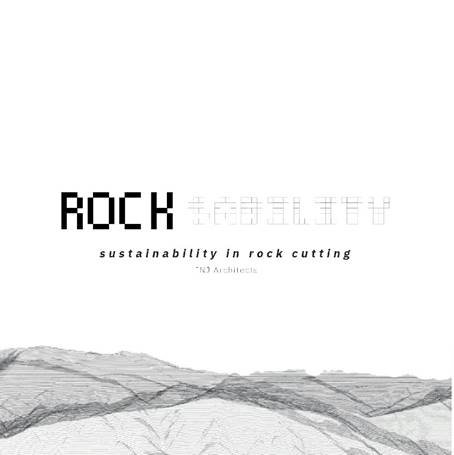
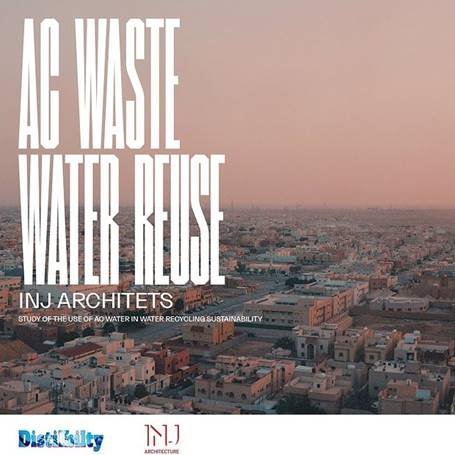
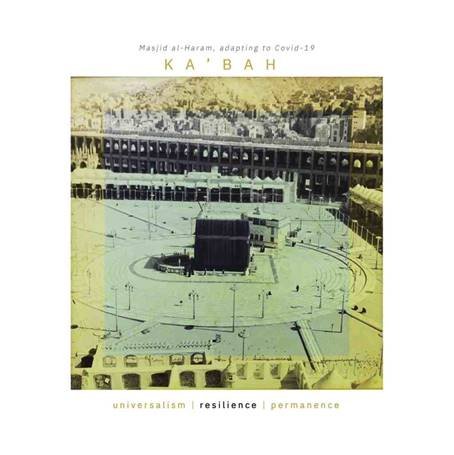
The office contributes actively to the body of knowledge around sustainable architecture in Saudi Arabia and the Gulf region. Published research by Ibrahim Nawaf Joharji covers subjects including the reuse of air conditioning condensate water as an irrigation resource, the environmental implications of rock-cutting practices in construction, and strategies for preserving the architectural heritage of Jeddah’s historic Al-Balad district while accommodating sustainable modern development. These studies reflect a broader conviction that architecture’s responsibility to the environment is not confined to the performance of individual buildings but extends to the health of the urban fabric, the cultural landscape, and the ecosystems within which buildings are situated.
Sustainability and Vision 2030
The office’s approach to sustainability aligns naturally with the environmental objectives of Saudi Vision 2030. The Kingdom’s commitment to reducing its carbon footprint, expanding renewable energy, and building resilient communities is reflected in the priorities that have guided INJ Architects’ practice since its earliest projects. The office supports local content not as a compliance requirement but as a genuine belief that architecture rooted in its place — in its materials, its climate, and its culture — produces better buildings and stronger communities. Those wishing to understand how these principles are applied in practice are encouraged to review the office’s project portfolio and to read the detailed account of the design process in How We Work. For inquiries about sustainable design on a specific project, the first step is outlined in Start a Project.
At INJ Architects, sustainability is an operational principle, not just a design feature. It dictates every aspect of the practice, from site-specified materials to the renewable energy powering our digital infrastructure and carbon-efficient Content Delivery Networks. This alignment between our projects and our internal conduct reflects a core conviction: environmental responsibility is a fundamental obligation. Detailed commitments and strategies are documented on our Sustainability page.