
Relationship of ERG Theory with Motivation in Architectural Design and Project Development
Architectural design is a multidimensional field where aesthetics, functionality, and human motivation intertwine. The ERG Theory (Existence, Relatedness, Growth), proposed by Clayton Alderfer, highlights the fundamental human needs related to existence, relationships, and growth. This theory can be applied effectively in the fields of architectural design and project development, enabling architects and developers to create designs and projects that meet individual and community needs at various levels.
1. Existence Needs in Architectural Design:
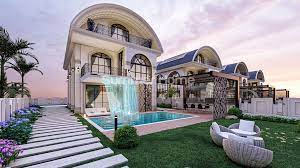
The existence needs in ERG Theory are associated with the physical and basic survival requirements, such as protection from environmental factors, safety, and comfort. In architectural terms, design plays a vital role in meeting these needs through several elements:
Safety and Comfort in Designs:
Architectural designs must focus on offering protection from natural elements like weather, rain, and heat, while ensuring safety against potential hazards such as fires or earthquakes.
Adequate Living Spaces:
Providing comfortable living spaces with good lighting, proper ventilation, and temperature control is essential to meet the basic existence needs of individuals.
Environmental Sustainability:
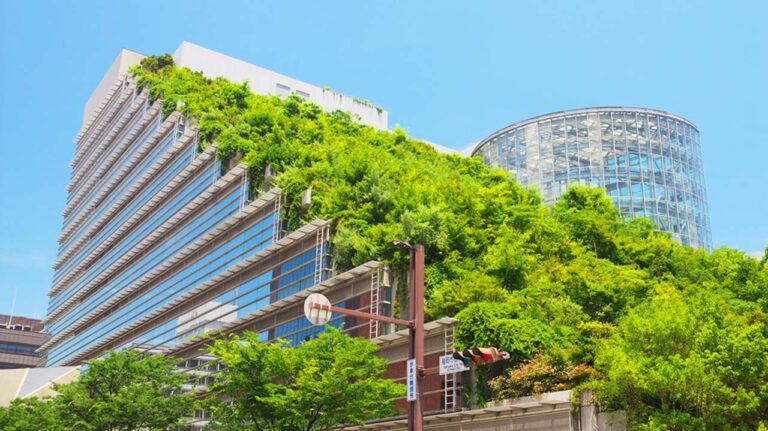
Sustainable design has become one of the key ways to meet existence needs in the modern era. Environmentally friendly designs help conserve natural resources and protect the environment from harmful impacts.
2. Relatedness Needs in Architectural Design:
Relatedness needs revolve around social relationships and a sense of belonging. Architectural design can enhance these needs in various ways:
Collaborative Design:
Office spaces and residential projects that allow for social interaction and collaboration, such as communal areas in residential buildings or open spaces in offices, foster a sense of belonging among individuals.
Community-Oriented Design:
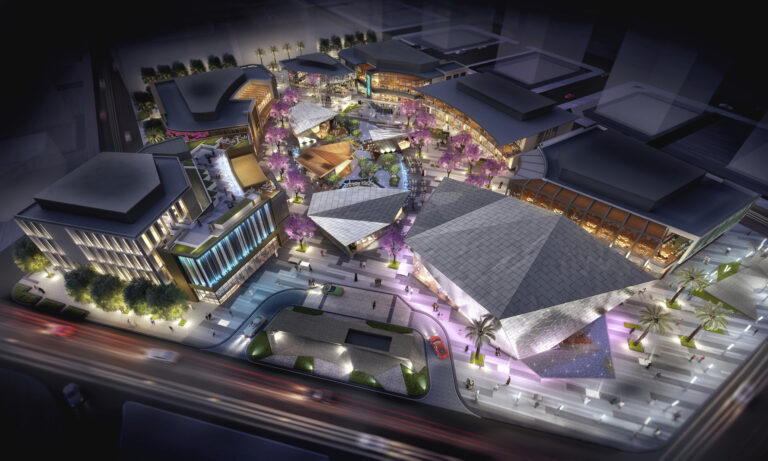
In large-scale projects like residential neighborhoods or new urban developments, it is essential to design spaces that promote community interaction, such as parks, schools, and cultural centers. These spaces create environments that encourage social connectivity and interaction among residents.
Architectural Identity:
Architects can respond to relatedness needs by designing structures that reflect the identity and culture of a community. Architecture that embodies local heritage or addresses specific social needs fosters a sense of belonging for individuals within their communities.
3. Growth Needs in Architectural Design:
Growth needs in architecture refer to the development and self-actualization of individuals and communities. Design can contribute significantly to these needs:
Creative Designs:
Architecture is not just about constructing buildings but is an artistic process that fosters cultural and intellectual growth. Designing buildings and institutions that inspire creativity, such as theaters, museums, or art centers, helps meet growth-related needs.
Flexible Design:
Architectural designs should be adaptable to the changing needs of growth. Designing buildings that can easily be modified and developed to keep up with technological advancements or societal shifts fosters sustainable growth.
Educational and Training Spaces:
Architects can design educational spaces aimed at professional growth and development, such as universities and training centers. These designs contribute to the ability of individuals to achieve personal and professional growth.
Applying ERG Theory in Project Management:
Throughout the development of architectural projects, ERG Theory can be utilized to manage and motivate work teams to achieve exceptional results.
Meeting Basic Needs:
Project management should ensure that the existence needs of the team are met, such as providing a safe and healthy work environment, and ensuring comfort that enhances productivity.
Fostering Belonging in the Team:
Management can create a work culture that enhances social relationships among team members by promoting collaboration and offering a supportive work environment. Regular meetings and social events help foster a sense of belonging and cooperation.
Encouraging Professional Growth:
By offering development and learning opportunities, such as training courses or chances for innovation within the project, teams can be motivated to achieve professional and personal growth, leading to better outcomes and faster achievement of goals.
Conclusion:
The ERG Theory provides a comprehensive framework for understanding human needs in various contexts, including architectural design and project development. By meeting existence needs, fostering social relationships, and encouraging personal growth, architects and developers can create designs and projects that meet the expectations of individuals and communities, contributing to improving the quality of life and achieving sustainable development.
Finally, for more on INJ Architects: