
Fandelier
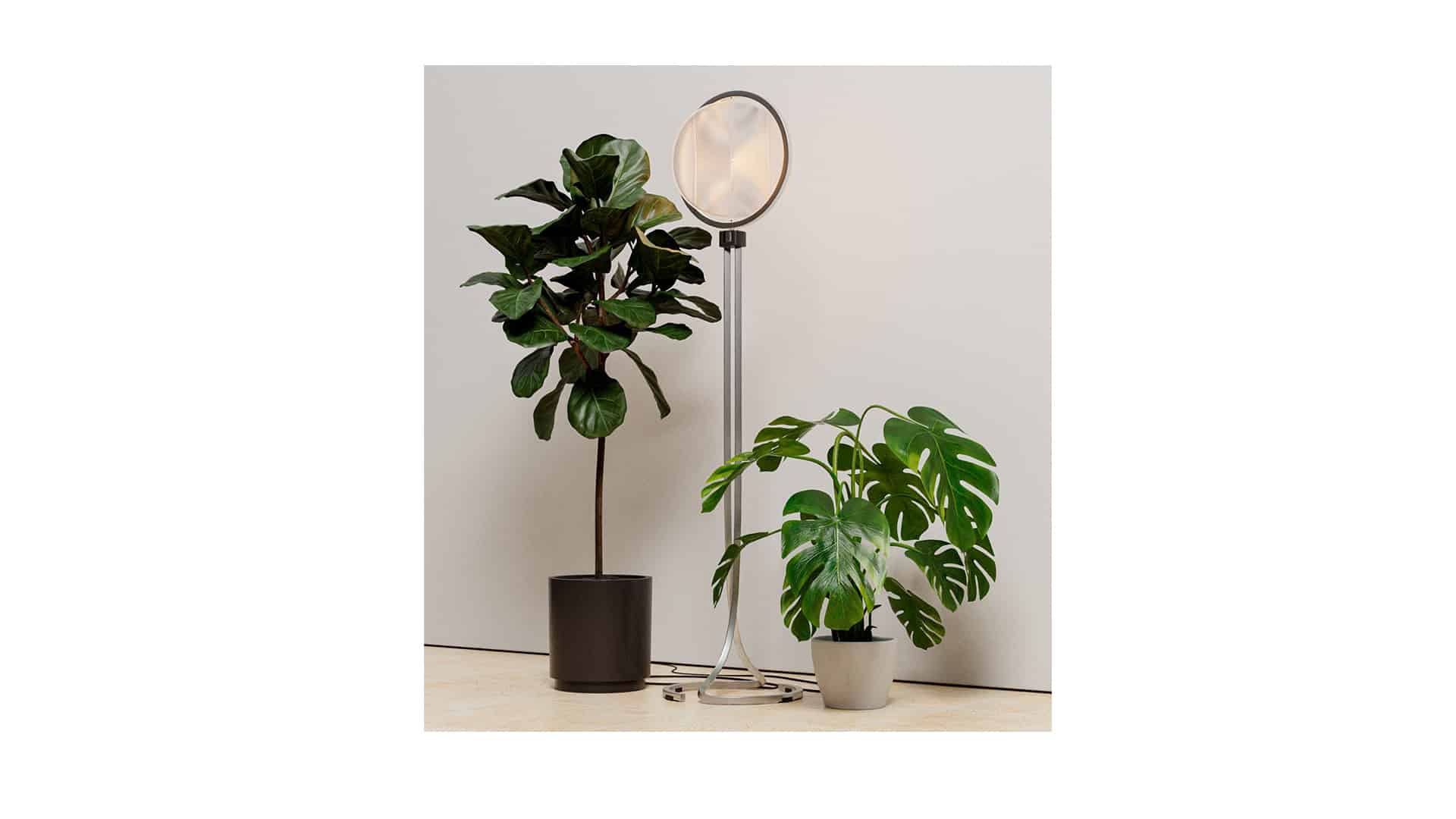
Most objects placed in a room make a single demand on the space: look at me, or use me. The Fandelier was designed to refuse that choice. It is a ceiling-mounted industrial object that moves air, produces light, and holds its visual presence in a room simultaneously three performances from one body, registered as a distinct design object under INJ Architects.
The climate of the Arabian Peninsula is not a backdrop it is a design constraint with a specific temperature. Interior spaces in this region operate under sustained heat loads that mechanical cooling alone cannot resolve at the level of perceived comfort. Air movement at the occupant level is a separate requirement from temperature reduction, and most interior objects address one or the other. The Fandelier addresses both, while adding the third function of ambient lighting. The name compounds the two source objects fan and chandelier and the design refuses to let either one subordinate the other.
Type              Industrial Design — Interior Object
Status            Completed
Year              2020
Principal         Ibrahim Nawaf Joharji
Registration      INJ Architects Proprietary Design
Scope Product Design, Interior Environment, Climate ResponseThe industrial character of the object is deliberate. The blades, the armature, and the lamp body are not concealed within a decorative shell they are the design. The mechanical logic of the fan is expressed directly in the form, and the lighting elements are integrated into the same structural framework rather than added as ornament. What the eye reads as style is in fact the honest exposure of the object’s working parts. This is the same economy of means that governs well-resolved industrial design: the form that performs the function is also the form that the room sees.
The ceiling position was chosen for environmental rather than conventional reasons. Hot air accumulates at the highest point of a room. A ceiling-mounted object that moves that air downward and outward disrupts the thermal stratification that makes interior spaces uncomfortable even when mechanically cooled. The Fandelier intervenes at precisely the right altitude, drawing heat away from the occupied zone and replacing it with the perceived cooling effect of air movement across skin. The light it produces at that same height fills the room evenly from above, without the harsh directionality of floor lamps or the visual clutter of multiple freestanding fixtures.
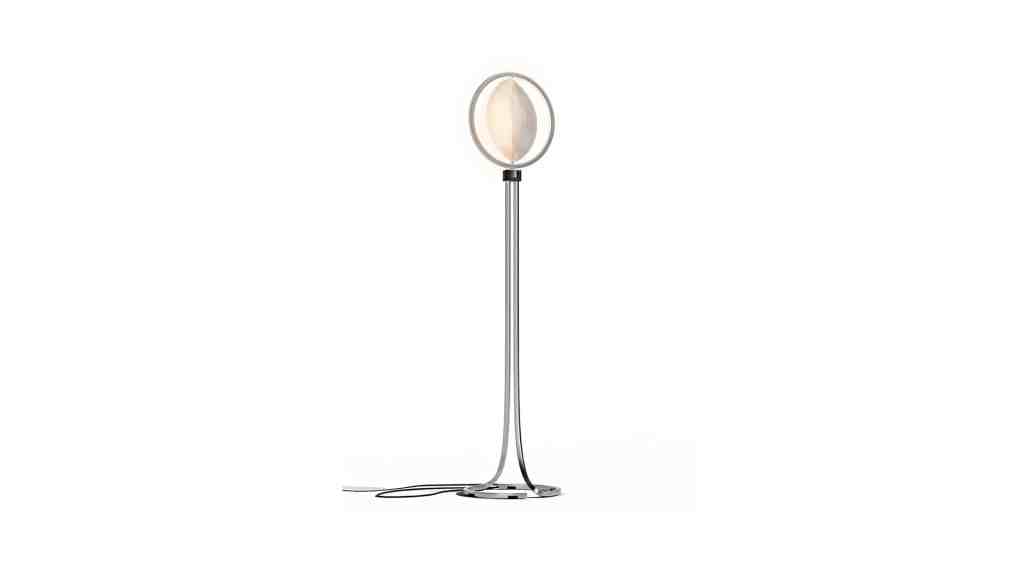
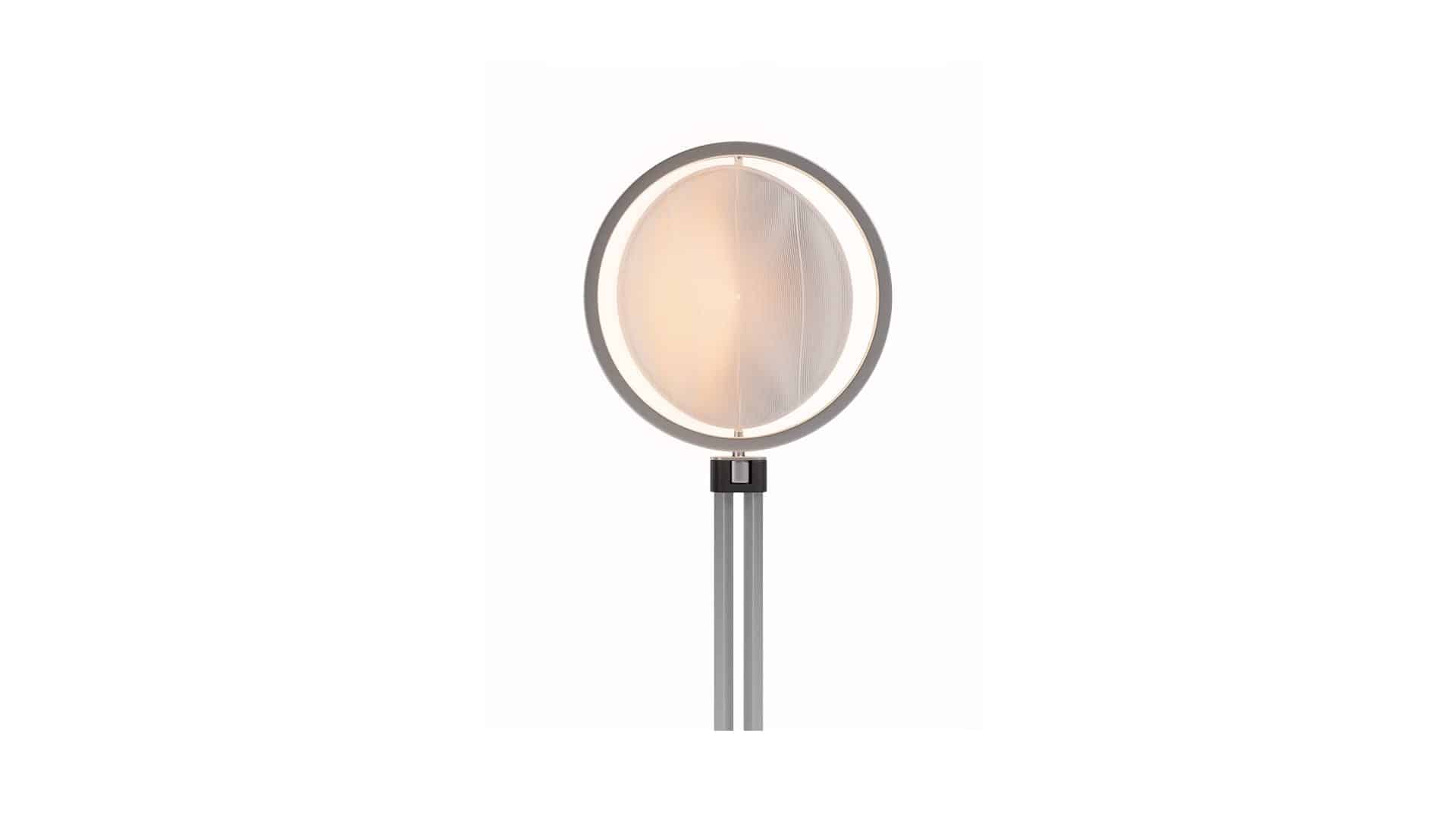
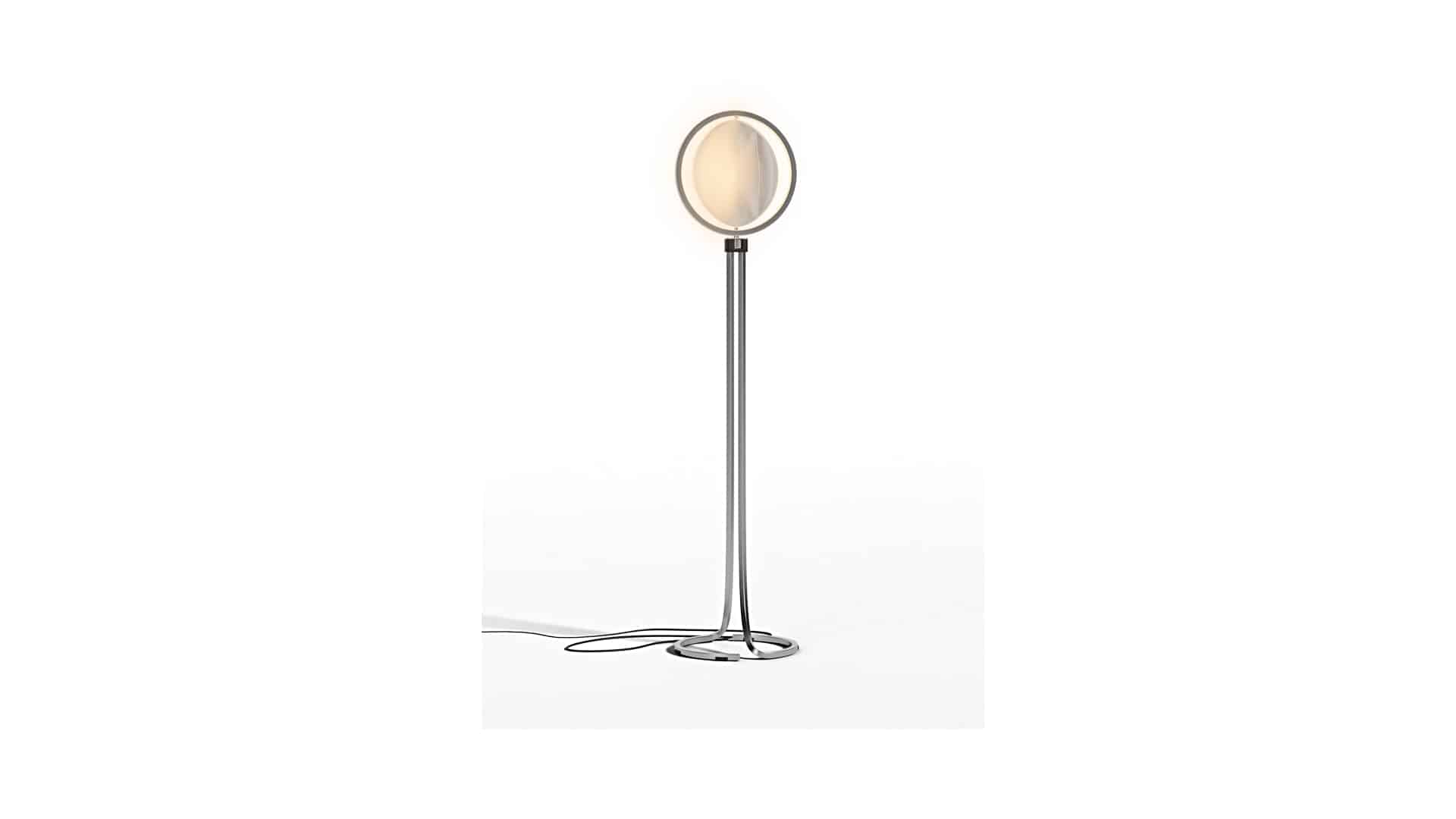
The object was also designed with material longevity as a condition of the brief. Interior objects that depend entirely on their mechanical function become obsolete the moment that function fails. The Fandelier was conceived so that its visual and spatial presence sustains the room even if the fan motor or the lighting elements reach the end of their service life. The armature and blade form hold their character as a sculptural ceiling object independent of whether they are in operation. This is not a concession to sentimentality it is a practical argument for the long-term value of objects whose form is resolved independently of their function, even when the two are inseparable in normal use.
The dual-function logic of this design shares its essential argument with the broader approach to object-making at INJ Architects: that a resolved design never performs a single role. The form that moves air is the same form that produces light, and both are contained within an object whose presence in the room is earned by what it does rather than by what it resembles. Space economy follows from this naturally one object occupies one ceiling position and eliminates the need for the two separate fixtures that would otherwise compete for the same room.

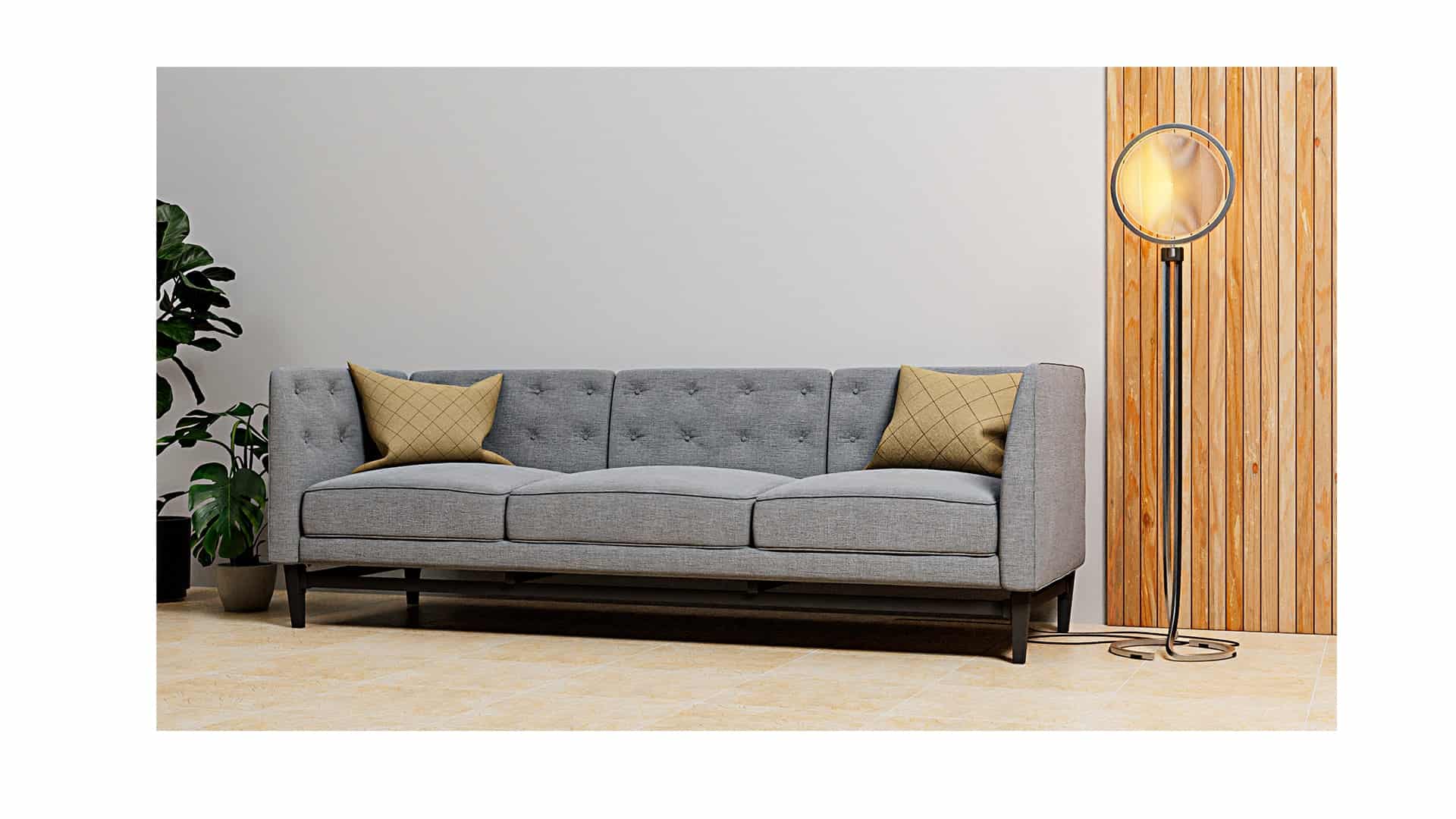
The Fandelier is part of a continuing inquiry at INJ Architects into objects that earn their place in a room through performance rather than appearance alone — work that sits within the broader design philosophy detailed in how-we-work. For clients and collectors interested in proprietary interior objects developed under the same principles, the framework for that engagement is outlined in bespoke-architecture.