Plastic Arc
Location: International
Client: National Geographic
Type: Conceptual Monument (Competition Entry)
Status: Design
Year: 2019
Principal: Ibrahim Nawaf Joharji
Focus: Ecological endurance, organic geometry, synthetic permanence
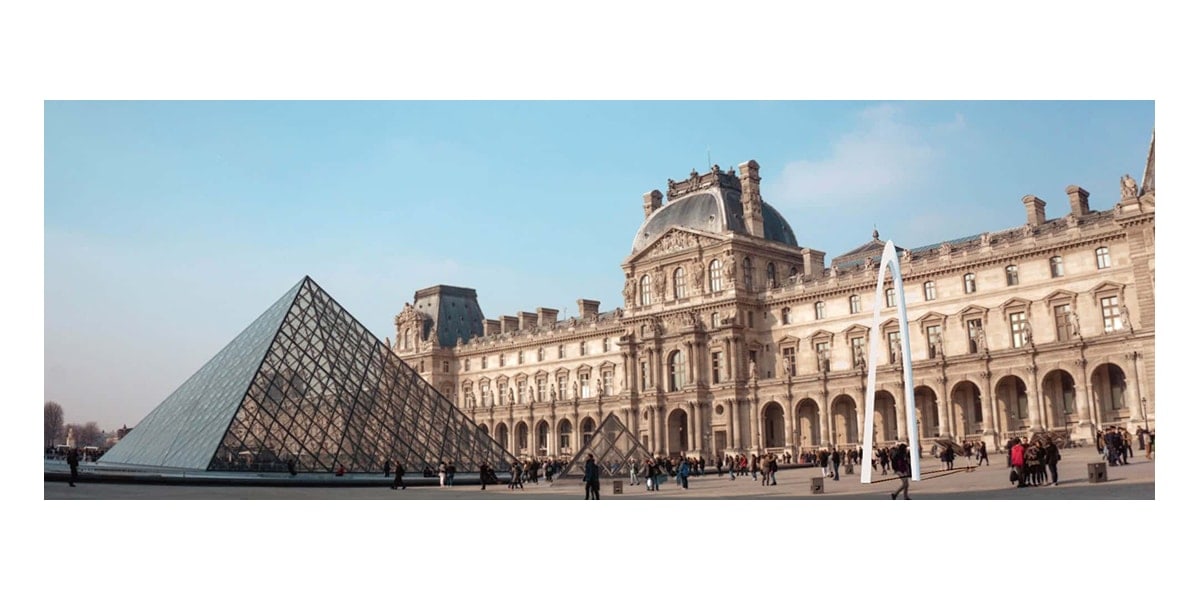
Architecture traditionally serves to monument human achievement. The Plastic Arc was conceived to monument our ecological negligence. It was commissioned as a conceptual proposition for National Geographic. The project addresses the asymmetrical devastation caused by single use plastics. In doing so it translates an invisible crisis into an unavoidable physical threshold.
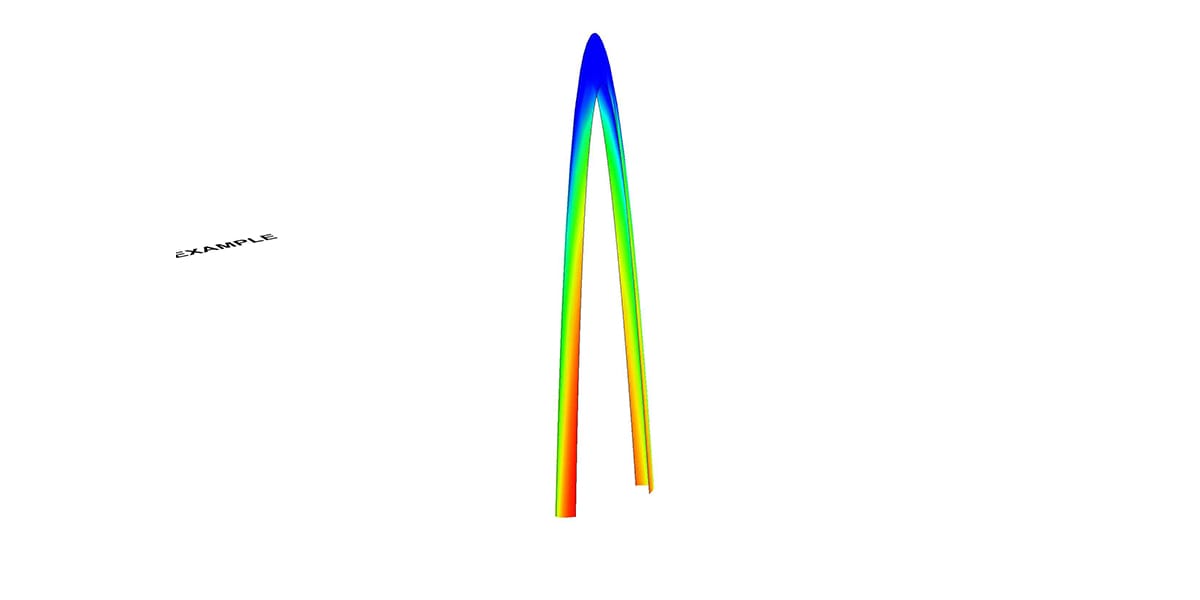
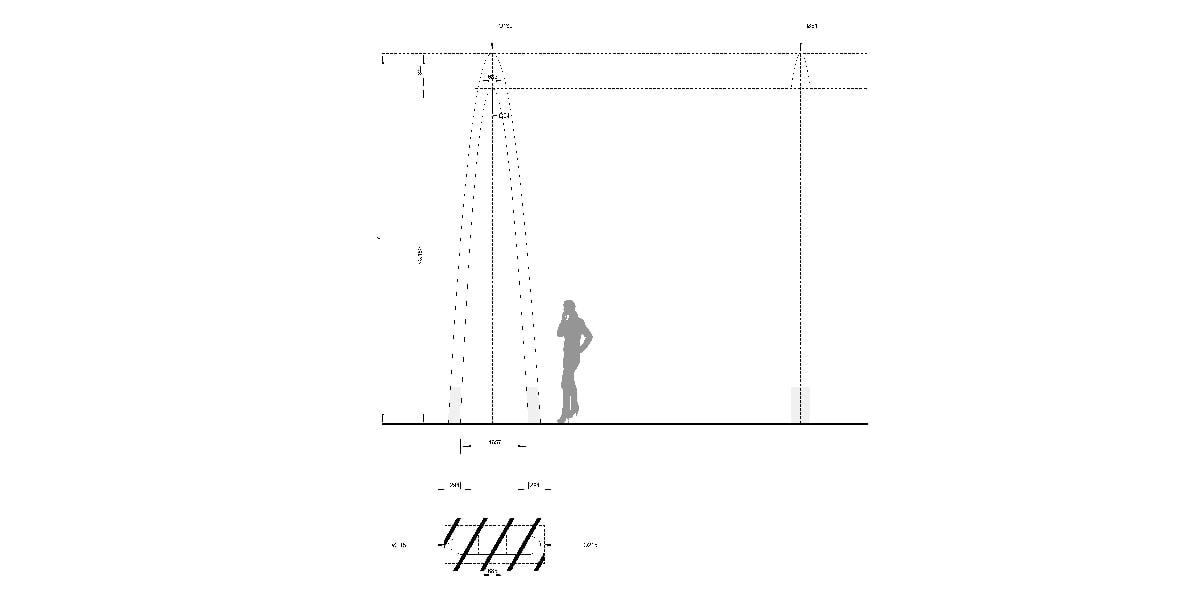
The global environment is currently collapsing under the weight of micro waste. Items weighing a mere five grams and measuring no more than twenty centimeters, specifically single use plastic straws, are systematically dismantling aquatic ecosystems. The design intervention extracts this micro scale geometry and scales it up into a macro structural proposition. As a result, rising to a height of seven meters, the arc utilizes the fluid continuous lines of organic architecture not to celebrate nature. Instead it emphasizes the unnatural permanence of synthetic materials.
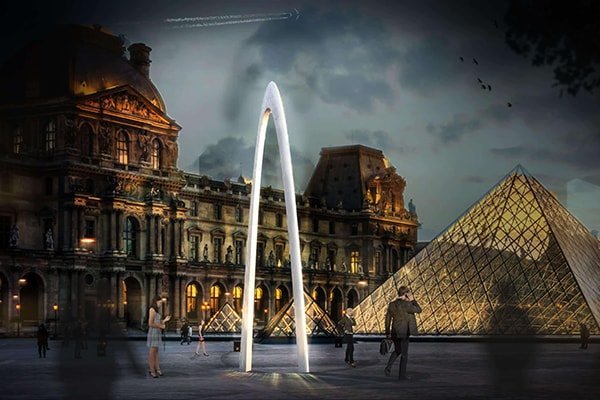
The monument operates as a stark temporal indicator. By confronting the pedestrian with this immense scale the structure reinforces a grim architectural truth. Synthetic waste remains physically more steadfast than the biological species that produced it. The arc is deliberately imposing. Therefore it forces an immediate psychological reckoning with the longevity of our daily consumption.
The Plastic Arc demonstrates how architectural form can be weaponized as a tool for ecological awareness. Instead of attempting to blend into the landscape the intervention stands as a deliberate disruption. Furthermore it shifts the discourse of sustainability from passive reduction to active spatial confrontation. By using structural scale it makes abstract environmental data physically tangible.

This approach to conceptual and narrative driven design is central to the office methodology. Architecture functions as a critical medium for addressing broader global challenges. The analytical processes driving these conceptual geometries are detailed in how we work. For institutions, NGOs, and cultural bodies seeking monumental interventions or pavilions that carry precise ideological weight, the engagement framework is outlined in bespoke architecture.