
Renovations That Add Value: What Lasts, and Why
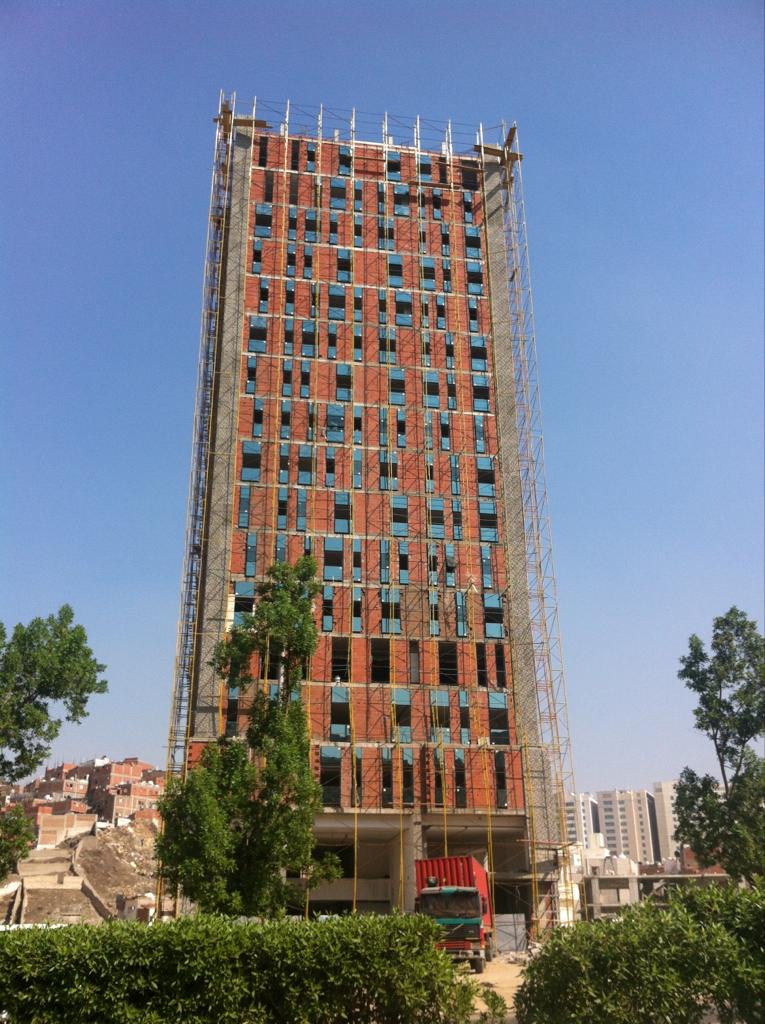
Ceiling and wall finishing in a room under construction. Photography: INJ Architects.
Renovation seasons arrive with a familiar promise, that a weekend of work and a modest budget can be turned straight into resale profit. The reality is more disciplined and more interesting. Some renovations that add value do so reliably, year after year and across very different markets, while others flatter the owner’s taste and quietly destroy capital. Understanding the difference calls for the mindset of asset stewardship rather than home flipping, which means asking not merely what looks improved today, but what a future buyer, surveyor or valuer will actually recognise and pay for. Seen that way, the question is less about fashion than about protecting and strengthening the long-term worth of a building rather than its momentary appeal. The distinction matters because the money spent on a house is rarely recovered pound for pound, and the renovations that come closest are those a buyer would have judged essential in any case.
What Value Actually Means in a Renovation
It helps to separate two things that casual conversation runs together. Preserving value is the work that keeps a property from losing worth, the repairs and renewals that stop decay and reassure a buyer that nothing is wrong. Adding value is the narrower set of changes that lift a property above its peers in the same street or district. Most spending does the first, and only a little does the second, which is why the honest aim of a renovation is usually to arrest decline and remove doubt rather than to engineer a windfall. A buyer rarely pays a premium for work they expect to find in good order; they discount heavily for work they fear has been neglected. The surest renovations are therefore the ones that answer a buyer’s anxieties before they are even voiced.
The Envelope Comes First
The parts of a house a visitor never consciously notices are the parts that most govern its value. A sound roof, a dry and weathertight envelope, functioning drainage and intact external walls are the foundation on which every cosmetic improvement rests, and their absence is the first thing a careful survey exposes. Replacing a failing roof or correcting water ingress rarely excites anyone, yet it protects the entire value of the structure and prevents the compounding damage that turns a cosmetic job into a structural one. The external face of the building matters too, both for protection and for the first impression that frames every later judgement, which is why considered exterior renovations tend to repay their cost more dependably than interior indulgences. Spend on the envelope first, because nothing inside a house is worth more than the shell that keeps it standing and dry.
Systems, Energy and the Cost of Running a House
After the envelope come the systems that make a house comfortable and cheap to live in, and here the market has shifted decisively. Buyers increasingly price in the cost of running a home, so improvements to insulation, glazing, air-tightness and efficient heating or cooling now register as value rather than invisible background. Upgrading insulation to a genuinely effective standard, and replacing ageing equipment with efficient modern systems, lowers running costs while making the interior quieter and more stable in temperature. In a hot climate such as the Gulf, the same logic points toward shading, thermal mass and a well-sealed envelope, measures that reduce the cooling load a buyer will otherwise inherit. Daylight belongs in this category of quiet, durable value as well, since a well-lit interior reads as larger and more pleasant at no running cost, a benefit we set out in our note on the advantages of natural light.
Renovations That Add Value Without Dating
Kitchens and bathrooms are the rooms most often credited with adding value, and they can, provided the work is measured rather than extravagant. A clean, well-built, neutral kitchen reassures a buyer that a major expense has been handled; a highly personal, luxury installation rarely returns its full cost, because the next owner seldom shares the first owner’s taste and often plans to change it. The principle holds across the house. The renovations that add value most durably are those that improve layout, light and the general sense of order without imposing a strong style that will date, since a timeless, legible interior appeals to the widest pool of buyers. Reconfiguring space so that rooms work harder, improving flow, and resisting the urge to over-personalise usually outperform expensive finishes, and for most owners a restrained, budget conscious renovation is the shrewder path to lasting worth.
A further category of value is easy to overlook because it produces nothing visible at all, and that is compliance. Work carried out without proper permission, or alterations that quietly breach regulations, become a liability the moment a buyer’s advisers examine the title, and they can stall or collapse a sale regardless of how handsome the result looks. Regularising past alterations, keeping the paperwork for major works, and ensuring that structural, electrical and drainage changes are properly certified all protect value by removing the doubt that discounts a price. The same holds for the temptation to over-improve through reversible fashion; a buyer confronted with a bold, dated scheme mentally prices in the cost of undoing it, so the renovation that reassures is almost always worth more than the one that merely impresses.
Spending Where the Market Reads It
Finally, value is always relative to context, and the most expensive mistake is to improve a property beyond the ceiling of its location. A house can be renovated to a standard its street will never reward, and a design that ignores how people in a particular place actually want to live will struggle however well it is built. The enduring appeal of locally rooted forms, from the courtyard plan to the compact urban home discussed in our comparison of courtyard houses and compact urban homes, is a reminder that value follows fitness for place and climate, not novelty. The renovations worth making are the ones a future owner would have chosen anyway, because the truest measure of a good renovation is not what it cost to install but what it would cost the next owner to undo.