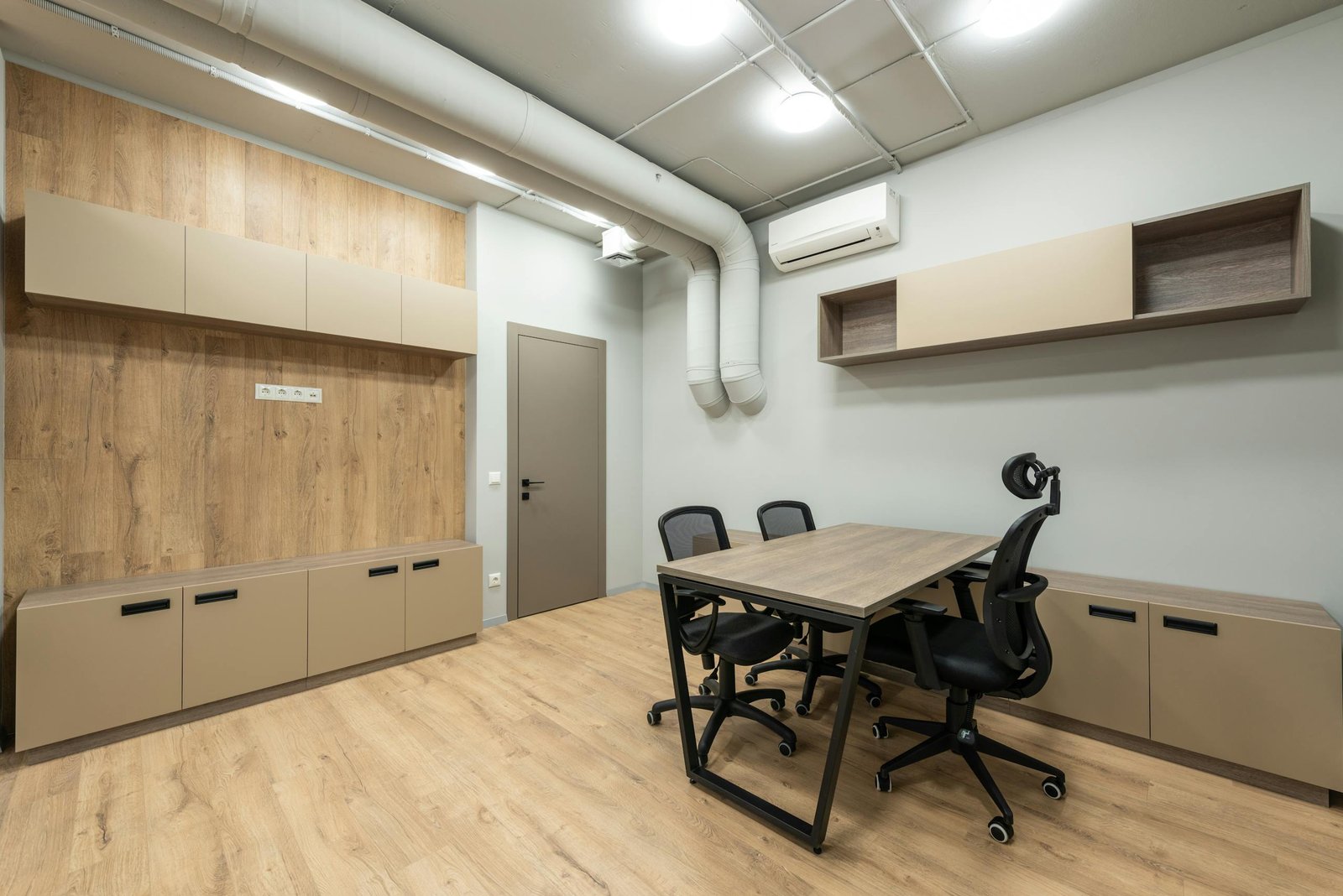
Acoustic comfort is a critical yet often overlooked aspect of interior design in homes and offices. Excessive noise can cause stress, reduce concentration, interrupt sleep, and negatively impact productivity. Achieving effective sound control does not always require heavy construction or specialized rooms. Using materials, spatial planning, and design strategies, spaces can achieve quieter and more comfortable environments. This article explores panels, curtains, carpets, and design techniques to reduce noise while maintaining functional and aesthetic quality.
Understanding Sound in Interiors
Sound travels as waves and interacts with surfaces through reflection, absorption, and diffusion. Hard, flat surfaces reflect sound, creating echoes and reverberation, while soft, porous materials absorb it, reducing noise levels. Noise can originate from external sources like traffic or neighbors, as well as internal sources like HVAC systems, office equipment, or conversations. Identifying dominant noise sources is essential for targeting interventions effectively.
Acoustic Panels
Panels are designed to absorb or diffuse sound. Absorptive panels are made from fibrous materials such as mineral wool, fiberglass, or acoustic foam. They reduce echo and reverberation by capturing sound waves and converting them into heat. Diffusive panels scatter sound waves to minimize concentrated reflections without removing all sound energy.
Placement is critical. Panels are most effective on walls facing sources of noise or on ceilings in rooms with high ceilings or reflective surfaces. Panels can also serve dual functions as decorative elements or partitions.
Curtains and Drapes
Heavy curtains or acoustic drapes reduce sound transmission from windows and reflectivity within rooms. Multi-layered fabrics with high density fibers are most effective. Curtains also create localized absorption near sound sources, such as windows or balcony doors.
Proper curtain placement requires extending coverage beyond the window frame and ensuring minimal gaps. Layering curtains over blinds or shades can enhance effectiveness without blocking light entirely.
Carpets and Rugs
Floor coverings absorb sound and reduce footstep impact noise. Dense pile carpets and underlays increase absorption of high-frequency noise. Rugs placed in strategic areas, such as hallways or open-plan offices, reduce noise propagation and improve acoustic comfort.
Furniture and Soft Furnishings
Soft furnishings contribute to noise reduction. Upholstered seating, cushions, and wall hangings absorb sound and reduce reverberation. Even open shelving with books or textiles provides partial absorption and diffusion, breaking up reflective surfaces.
Design Tricks for Noise Control
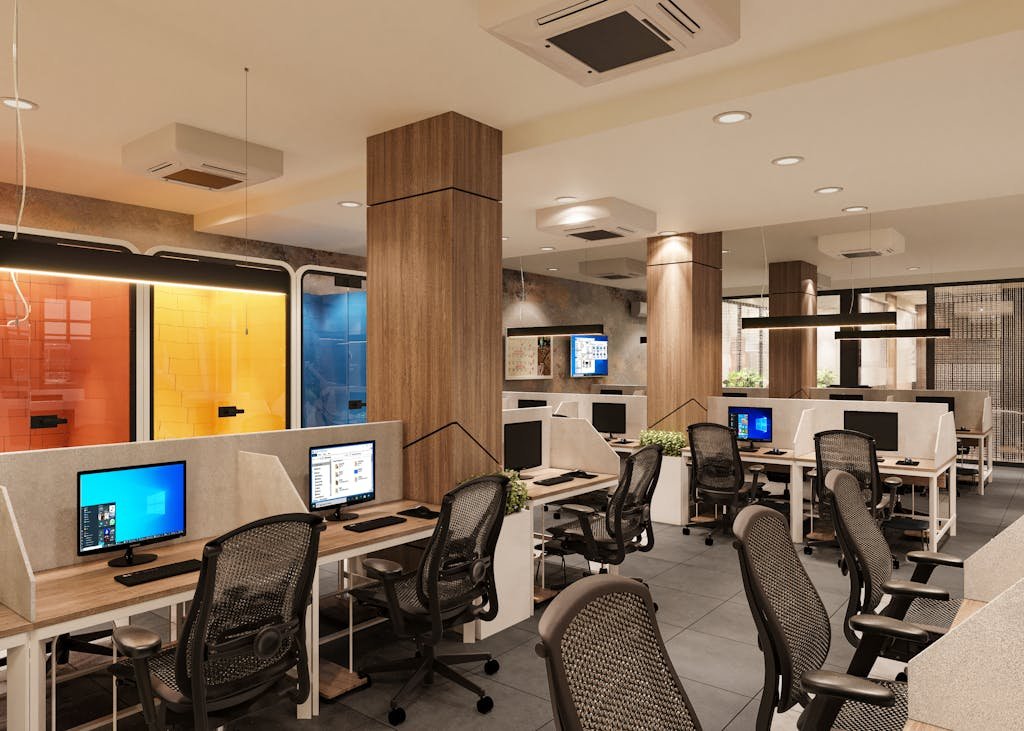
Spatial layout affects acoustic performance. Locating noisy equipment away from quiet zones, creating buffer zones, and using partitions can reduce noise exposure. Ceiling clouds or suspended baffles diffuse sound in open areas. Green walls with plants also contribute to absorption and visual comfort.
Minimizing reflective surfaces by selecting matte finishes or textured materials can reduce unwanted echoes. Sound masking through low-level background noise or white noise can complement physical interventions, especially in offices.
Materials Comparison Table
| Acoustic Solution | Material Type | Noise Reduction Effect | Best Use Case | Notes |
|---|---|---|---|---|
| Acoustic Panels | Fiberglass, foam, mineral wool | High absorption and echo reduction | Offices, home theaters, conference rooms | Placement critical; can be decorative |
| Curtains / Drapes | Dense woven fabric, multilayered | Medium absorption, reduces external noise | Bedrooms, living rooms, offices near windows | Extend coverage beyond window frame |
| Carpets / Rugs | Wool, synthetic, with underlay | Medium absorption, reduces impact noise | Hallways, open plan offices, living rooms | Pile density affects performance |
| Soft Furnishings | Upholstery, cushions, textiles | Low to medium absorption | Seating areas, lounge spaces | Works best when combined with other solutions |
| Ceiling Clouds / Baffles | Acoustic foam, wood, perforated panels | High absorption and diffusion | Open plan offices, large halls | Suspended elements improve sound scattering |
Common Mistakes in Acoustic Design
Ignoring primary noise sources leads to ineffective interventions. Using thin curtains or low-density rugs provides minimal benefit. Placing panels randomly without targeting reflective surfaces reduces effectiveness. Over-reliance on soft furnishings without architectural considerations cannot fully control noise. Failing to integrate aesthetics can result in visually cluttered spaces.
Tips for Effective Noise Reduction
Identify dominant noise frequencies and sources before selecting materials. Combine multiple strategies for better performance, e.g., panels plus rugs plus curtains. Maintain flexibility for rearrangement or seasonal adjustments. Balance acoustic performance with lighting, ventilation, and circulation requirements to avoid compromising other aspects of design.
Benefits Beyond Noise Control
Acoustic interventions improve concentration, reduce stress, and enhance speech intelligibility in offices. In homes, better acoustics enhance relaxation, privacy, and media experience. Thoughtful acoustic design can also contribute to visual aesthetics and comfort, making spaces appear more organized and welcoming.
Conclusion
Effective acoustic solutions rely on a combination of materials, layout, and targeted interventions rather than heavy construction. Panels, curtains, carpets, furniture, and design tricks each contribute to reducing noise and improving comfort. Integrating these elements strategically allows homes and offices to achieve functional, quiet, and visually harmonious environments.
Summary
Acoustic comfort in interior design directly affects concentration, stress levels, and overall well‑being in homes and offices. Effective noise control does not always require heavy construction; it can be achieved through acoustic panels, dense curtains, carpets, soft furnishings, and strategic spatial layout. Identifying primary noise sources ensures targeted interventions, while combining multiple solutions enhances effectiveness. Poor planning or relying solely on soft furnishings reduces performance. Thoughtful acoustic design improves focus, reduces fatigue, enhances speech clarity in offices, and increases relaxation and privacy at home, making it a functional necessity rather than a purely decorative choice.