Surface finish decisions influence safety, maintenance demands, durability patterns, and spatial perception. Choosing between anti-slip and polished surfaces is not simply aesthetic. It affects how people move, how light behaves in the space, how often cleaning is required, and how the floor ages over time.
Technical Surface Characteristics
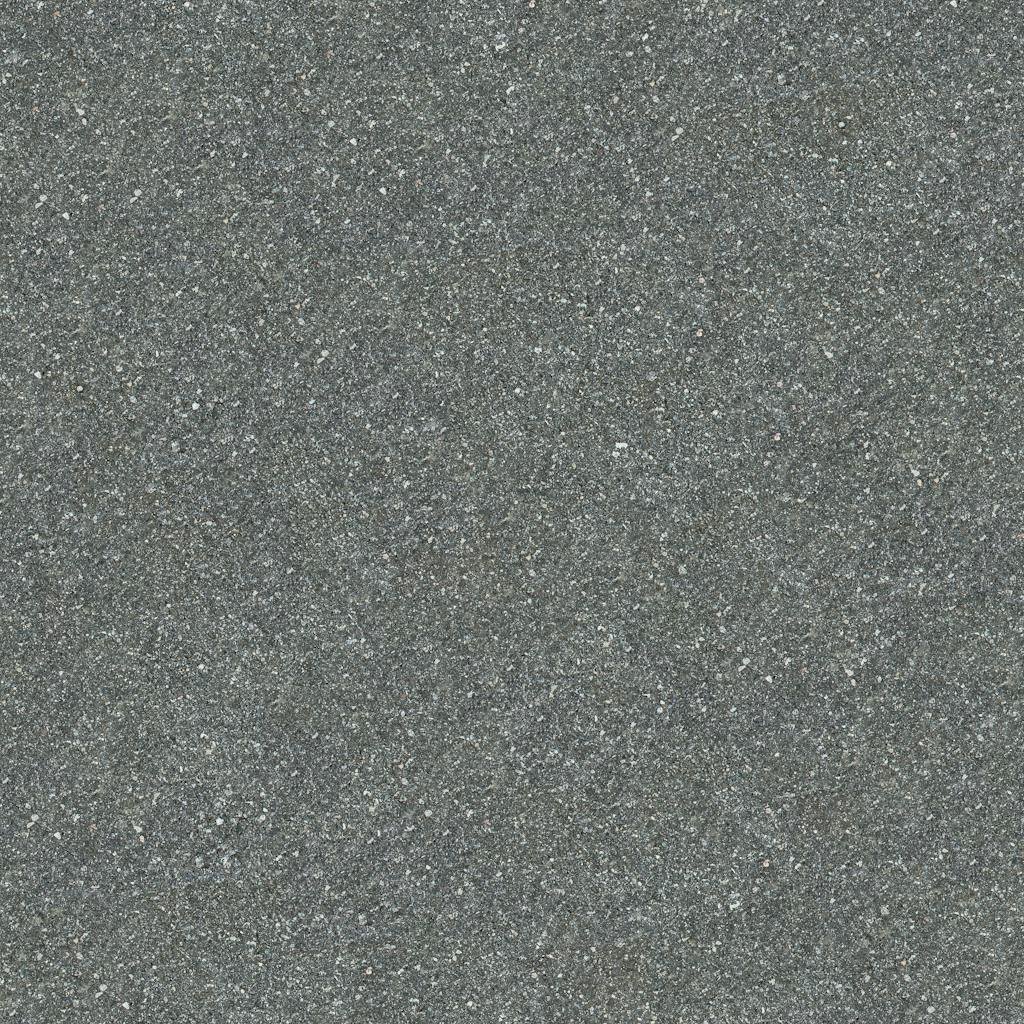
Anti-slip surfaces are manufactured with micro-texture, matte finishes, or embedded aggregates that increase friction. The microscopic irregularities create mechanical resistance between footwear and the floor. This resistance remains more stable even when moisture is present.
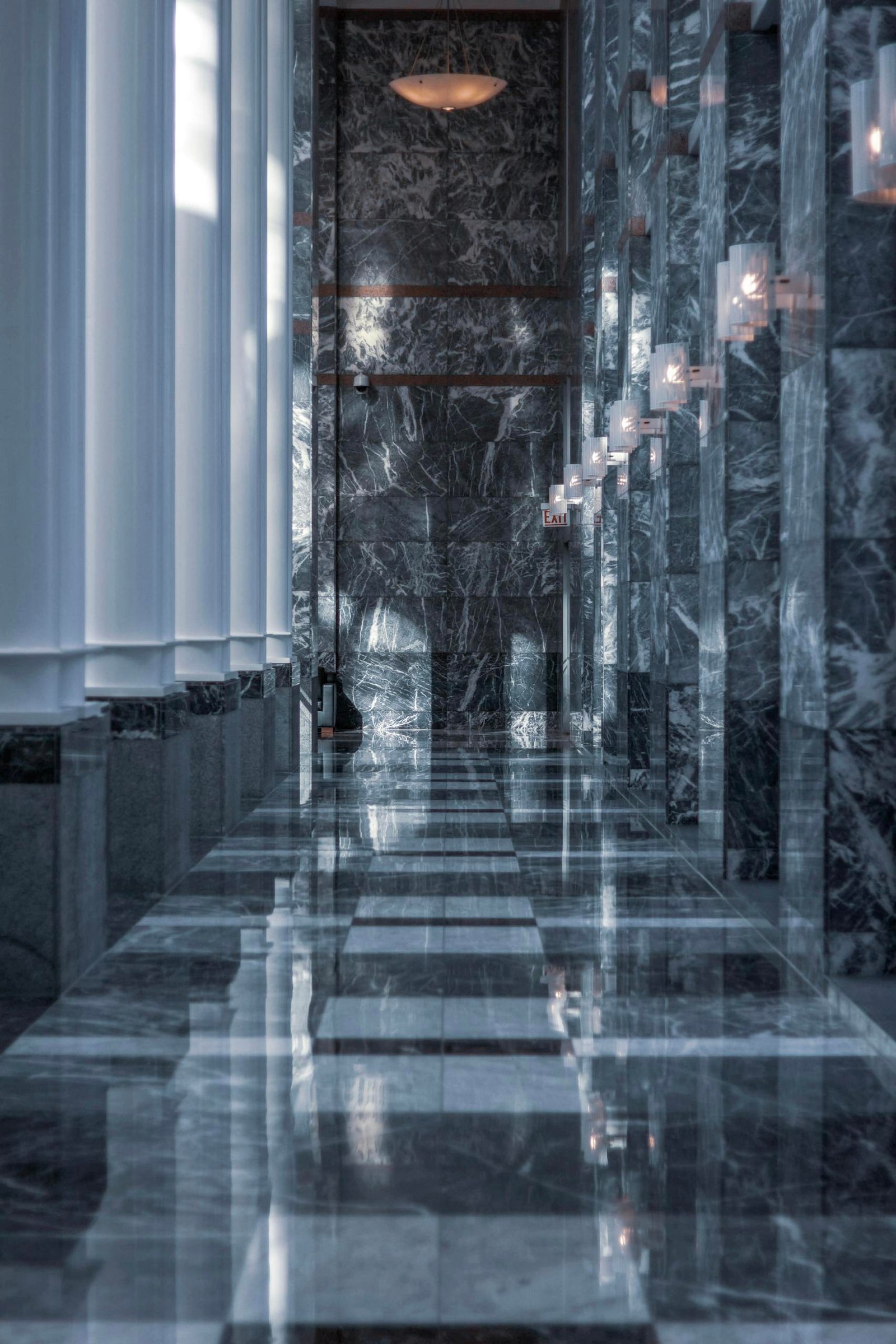
Polished surfaces are mechanically smoothed through grinding, glazing, or coating processes. The goal is minimal surface resistance and high reflectivity. The smoother the surface, the more light it reflects and the more visually expansive it appears. However, reduced texture means reduced grip when water or oil is present.
| Property | Anti-Slip Finish | Polished Finish |
|---|---|---|
| Surface texture | Micro-rough | Smooth |
| Friction level | High | Moderate to low |
| Reflectivity | Low to moderate | High |
| Glare risk | Minimal | Noticeable in bright light |
| Tactile feel | Slightly textured | Slick and smooth |
The difference is physical, not just visual.
Safety Performance in Real Conditions
Slip resistance becomes critical in transitional spaces such as kitchens, bathrooms, pool decks, commercial entrances, and outdoor terraces. When liquids create a thin film over polished surfaces, friction drops significantly because the smooth finish allows sliding. Anti-slip surfaces disrupt that film, maintaining surface contact.
| Safety Factor | Anti-Slip | Polished |
|---|---|---|
| Performance when dry | Excellent | Good |
| Performance when wet | Strong | Reduced |
| Suitable for bathrooms | Yes | Not recommended |
| Suitable for pool areas | Yes | No |
| Risk level for elderly users | Lower | Higher when wet |
In residential environments with children or elderly occupants, anti-slip finishes reduce fall probability. In commercial spaces, slip resistance directly affects liability exposure.
Cleaning Dynamics and Maintenance Load
Surface texture directly influences cleaning behavior. Smooth polished finishes allow debris to remain on the surface, making daily mopping straightforward. However, because they reflect light strongly, they reveal dust, footprints, streaks, and water marks immediately.
Textured anti-slip finishes conceal small debris visually but may trap fine particles within surface micro-texture. This means routine cleaning may require slightly more agitation or specialized brushes during deep cleaning.
| Maintenance Factor | Anti-Slip | Polished |
|---|---|---|
| Ease of quick mop | Moderate | Easy |
| Visibility of dust | Low | High |
| Visibility of water stains | Low | High |
| Scratch visibility | Low | High |
| Deep cleaning effort | Higher | Lower |
Polished surfaces appear dirty faster even if they are technically clean. Anti-slip surfaces may look clean longer but require more effort to maintain peak hygiene.
Light Interaction and Spatial Perception
Polished surfaces reflect both natural and artificial light, amplifying brightness and making rooms feel larger. This is particularly beneficial in compact urban apartments or commercial showrooms where spatial illusion enhances value perception.
Anti-slip finishes absorb more light due to their texture, creating a softer and more grounded visual atmosphere. This reduces glare and improves visual comfort in bright climates.
| Visual Factor | Anti-Slip | Polished |
|---|---|---|
| Light reflection | Low | High |
| Space expansion effect | Minimal | Strong |
| Warmth perception | Often warmer | Can feel cooler |
| Visual texture | Noticeable | Minimal |
| Glare level | Low | Higher |
The decision often depends on whether the priority is brightness and elegance or visual comfort and practicality.
Durability and Aging Patterns
Polished finishes can show scratches, scuffs, and dull paths in high-traffic areas because surface damage contrasts against gloss. Some materials, such as marble or concrete, may require periodic re-polishing to restore shine.
Anti-slip surfaces distribute wear less visibly because texture masks minor abrasions. However, in extremely high-traffic environments, surface texture may gradually smooth out over time, slightly reducing slip resistance.
From a lifecycle perspective, textured finishes often hide aging better, while polished finishes require more visible upkeep to maintain their original appearance.
Environmental and Functional Suitability
Anti-slip surfaces are best suited for bathrooms, kitchens, laundry areas, terraces, entryways exposed to rain, pool decks, and commercial corridors.
Polished surfaces are ideal for living rooms, bedrooms, offices, conference spaces, hotel lobbies, and luxury retail environments where moisture exposure is minimal.
Investment and Value Considerations
| Investment Factor | Anti-Slip | Polished |
|---|---|---|
| Initial material cost | Comparable | Comparable |
| Maintenance cost | Moderate | Moderate to high |
| Safety liability | Lower | Higher in wet zones |
| Visual resale appeal | Practical buyers prefer | Luxury appeal |
| Long-term reliability in family homes | Strong | Moderate |
In family-oriented housing, anti-slip surfaces often provide stronger long-term practicality. In high-end real estate or commercial branding environments, polished surfaces elevate perceived value and luxury.
Strategic Hybrid Approach
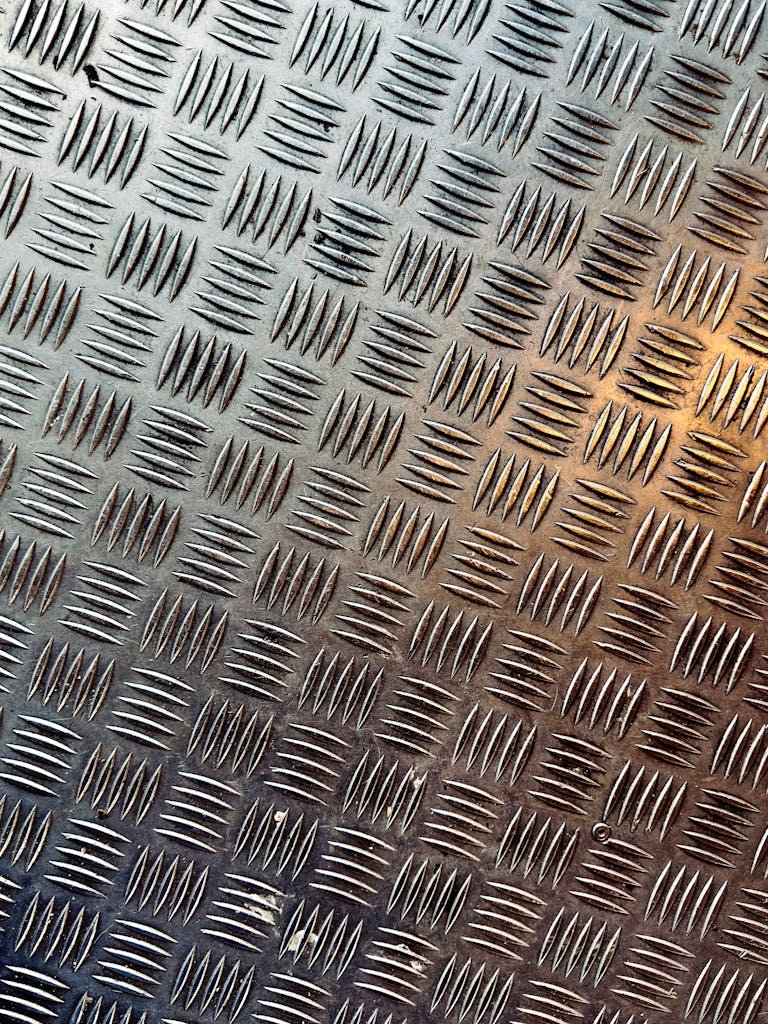
The most effective design strategy is rarely exclusive. Many well-planned spaces combine finishes strategically. Anti-slip materials are used in moisture-prone zones, while polished finishes enhance visual impact in social or formal areas. This layered approach balances safety, cleaning efficiency, and aesthetic appeal without compromise.
The final decision should align with actual user behavior, not just visual preference. A beautiful floor should never compromise safety, and a safe floor does not need to sacrifice elegance.
Summary
Anti-slip and polished surface finishes influence safety, maintenance, durability, and spatial perception. Anti-slip surfaces provide high friction, reduce fall risk, and mask wear, making them ideal for wet or high-traffic areas, though they require more effort for deep cleaning. Polished surfaces enhance brightness and spatial perception, are easy to wipe clean, but show dust, streaks, scratches, and lose grip when wet, limiting their use in moisture-prone zones. A strategic combination of both finishes balances practicality, safety, and aesthetic appeal across interior spaces.