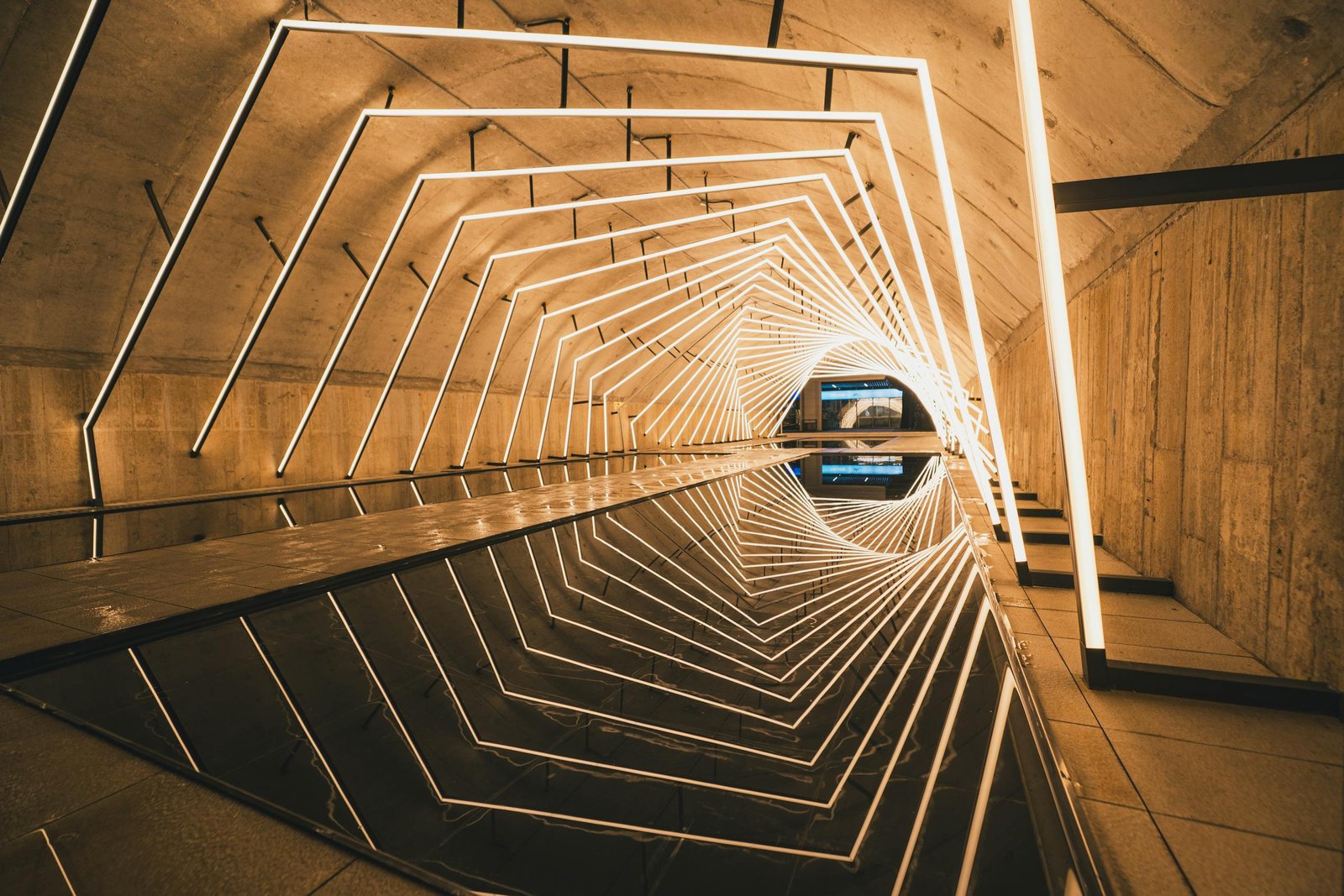
Repetition and variation are fundamental principles in architecture, extending beyond decoration to shape movement, perception, and cognitive engagement. By organizing space through repeated elements with subtle differences, architects can create rhythm, guide attention, and orchestrate human experience. This approach emphasizes the interplay between predictability and surprise, continuity and disruption, producing spaces that are both legible and engaging.
Rhythm and Spatial Experience
Rhythm in architecture emerges from the repetition of structural or visual elements, such as columns, windows, or panels. This repetition establishes a temporal and spatial cadence, influencing how occupants move through a space. The eye anticipates patterns, and the body adjusts pace accordingly. When rhythm is combined with variation, these expectations are gently disrupted, creating moments of heightened attention and perception.
| Element Type | Repetition Strategy | Effect on Movement and Perception |
|---|---|---|
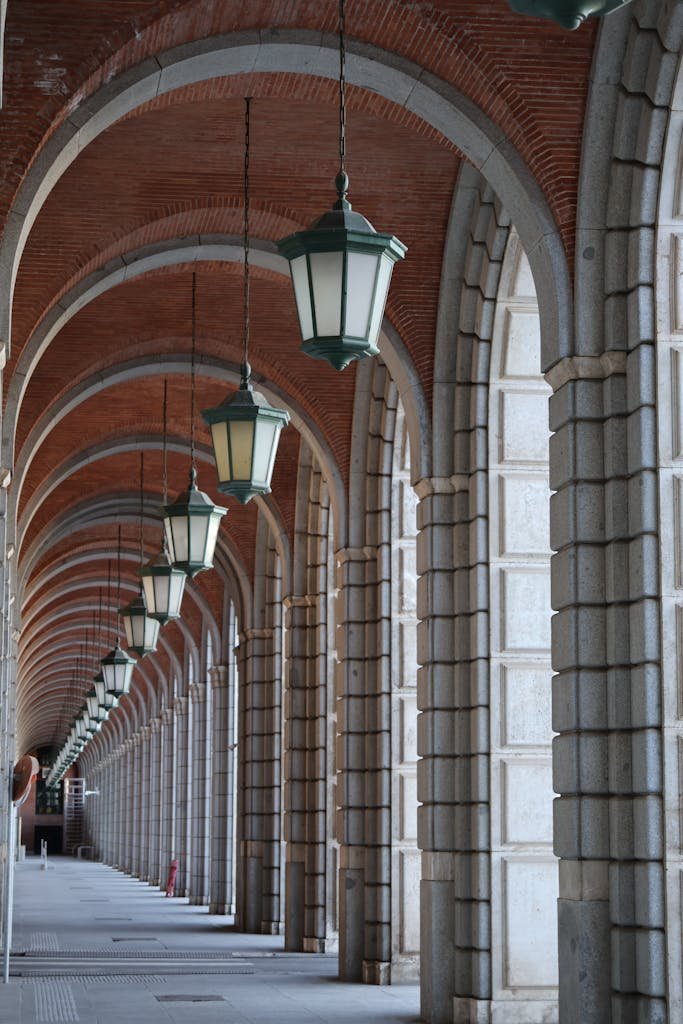
| Columns | Equal spacing along a corridor | Creates a predictable cadence that guides walking speed |
| Windows | Regular fenestration with subtle size differences | Engages visual attention, creating a sense of unfolding |
| Panels/Walls | Alternating materials or textures | Introduces visual complexity without breaking continuity |
| Ceilings | Repeated beams or forms with incremental offsets | Modulates perception of height and depth |
Variation as a Tool of Engagement
Variation prevents monotony and introduces complexity within repeated systems. Incremental changes in proportion, scale, texture, or material create subtle cues that activate awareness. Variation can signal transitions, define hierarchies, or highlight focal points without requiring abrupt breaks in continuity. It allows a space to feel cohesive while remaining dynamic and stimulating.
| Variation Type | Spatial Implementation | Perceptual Outcome |
|---|---|---|
| Size variation | Gradual enlargement or reduction of repeated modules | Suggests direction or hierarchy |
| Material change | Alternating finishes within repeated elements | Enhances tactile and visual interest |
| Alignment offset | Slight shifts in alignment or spacing | Creates moments of pause or curiosity |
| Color modulation | Gradual tonal changes across elements | Guides attention and rhythm |
Guiding Movement Through Patterns
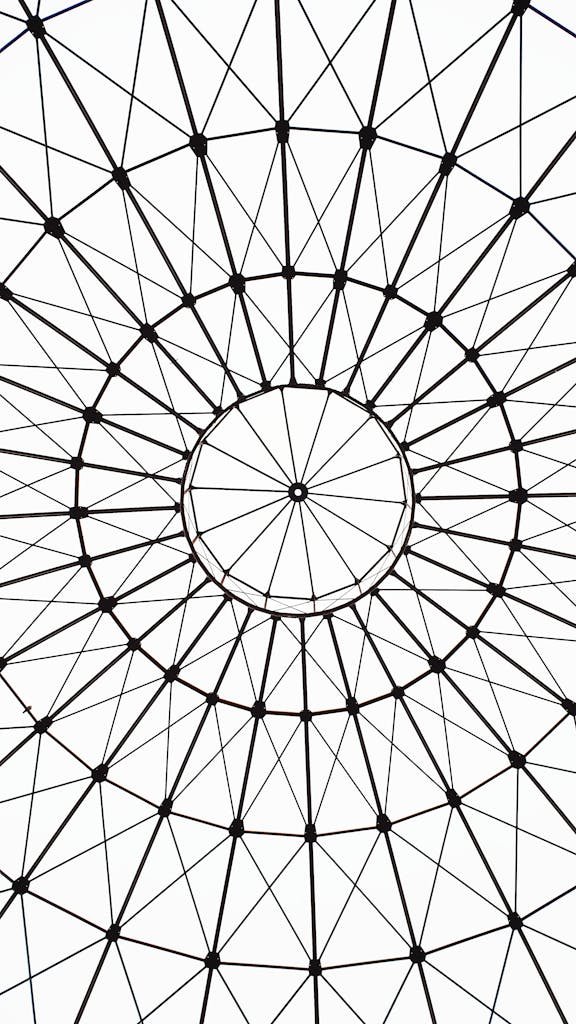
Repetition and variation can shape movement subtly. Predictable sequences encourage flow, while variations create moments to slow down, observe, or change direction. Patterns can also indicate function, circulation, or spatial hierarchy. Occupants may move faster in highly regular sequences, whereas interruptions in rhythm invite observation and engagement.
The human brain processes repetition as a framework for expectation. Variation acts as a signal for cognitive and sensory alertness, making architecture both navigable and memorable.
Cognitive and Emotional Impacts
The balance of repetition and variation affects not only movement but also emotional experience. Highly repetitive environments may feel monotonous or calming, depending on scale and context. Carefully applied variation introduces tension, surprise, or delight, enhancing engagement and memory of space. Architecture becomes a medium for controlling attention, perception, and emotional response without relying on ornamentation or narrative.
Practical Applications
Architects can apply these principles in multiple scales and contexts:
- Urban planning: Repeated streetscapes with varied building heights create legible yet dynamic city fabric.
- Interior design: Modular furnishings, lighting sequences, and paneling guide circulation and frame activities.
- Facade design: Alternating openings, materials, and projections create rhythm while responding to environmental factors.
- Landscape architecture: Planting patterns and paving sequences influence walking pace and visual focus.
Repetition and variation transform architecture from a static arrangement of elements into a temporal and perceptual system. By guiding movement, shaping perception, and modulating emotional response, this approach creates spaces that are simultaneously ordered, dynamic, and intellectually engaging.
Summary
This article explores how repetition and variation in architecture go beyond decoration to structure movement, perception, and cognitive engagement. By repeating elements such as columns, windows, and panels while introducing subtle variations in size, material, alignment, or color, architects create rhythm that guides movement, captures attention, and encourages exploration. This interplay of predictability and surprise shapes spatial experience, influences pace, enhances memory, and evokes emotional responses. Applied across scales from interiors to urban planning, repetition and variation transform architecture into a dynamic, legible, and intellectually engaging system that orchestrates human behavior and perception.