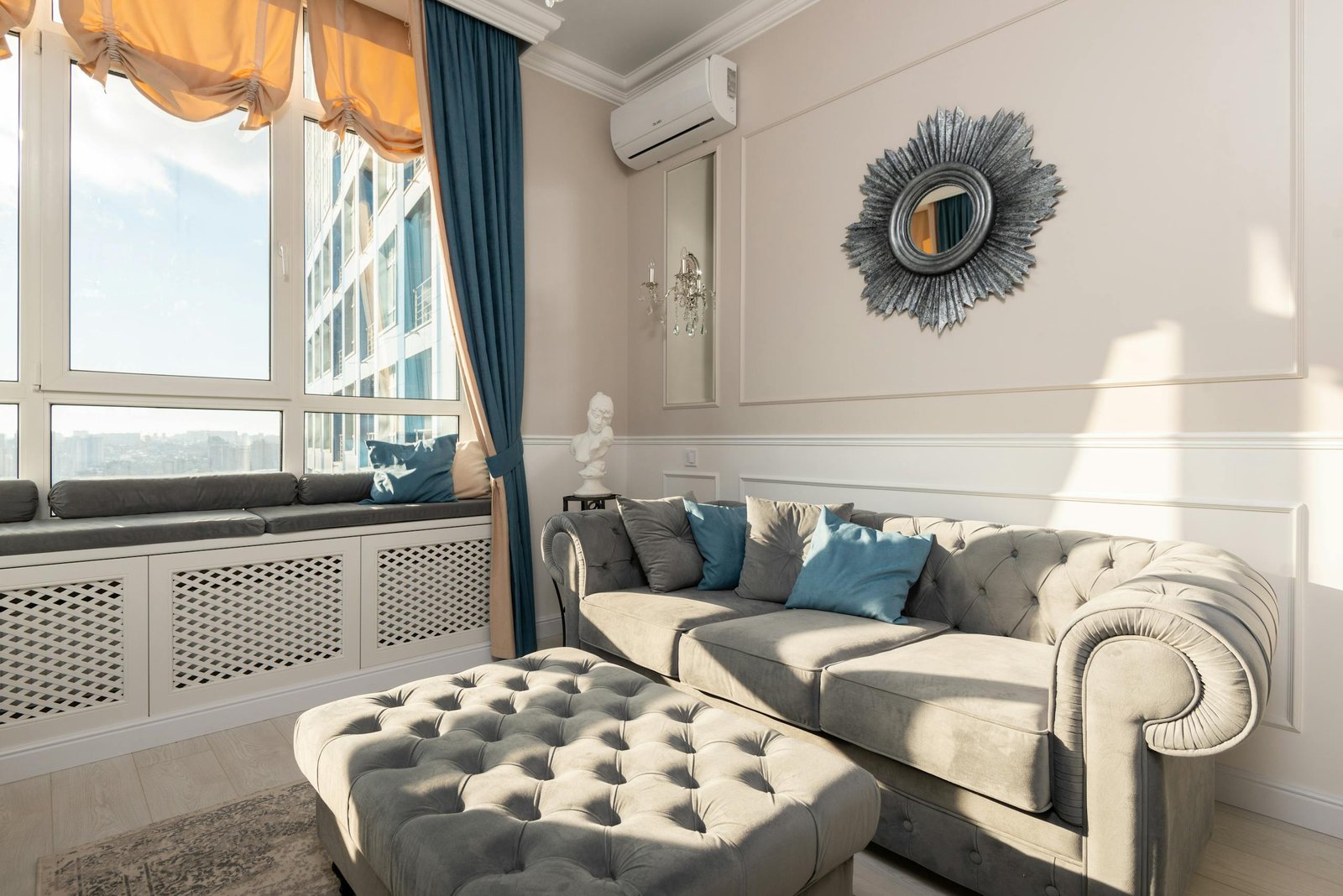
Lighting is one of the most impactful elements in architecture and interior design. The choice between natural and artificial lighting affects human mood, productivity, energy consumption, and even health. Understanding the benefits, limitations, and proper application of each type is essential for architects, interior designers, and anyone designing functional spaces.
Natural Lighting
Natural light comes directly from the sun and can dramatically enhance the quality of a space. It changes throughout the day, providing dynamic visual interest and supporting circadian rhythms, which regulate sleep, alertness, and overall well-being.
Advantages of Natural Light
- Supports human health and mood through exposure to daylight.
- Reduces electricity consumption and energy costs.
- Enhances perception of colors, textures, and materials.
- Can create dynamic and visually engaging spaces.
Limitations of Natural Light
- Variability due to weather and seasonal changes.
- Can cause glare or overheating if not properly controlled.
- Requires careful orientation, window design, and shading strategies.
Artificial Lighting
Artificial lighting includes LEDs, fluorescent, halogen, and incandescent lights. It allows for complete control over intensity, color temperature, and direction, making it indispensable in spaces where natural light is insufficient or unavailable.
Advantages of Artificial Light
- Consistent illumination regardless of time or weather.
- Can be tuned for specific tasks or atmospheres.
- Supports creative and decorative lighting strategies.
- Essential for safety, navigation, and nighttime activity.
Limitations of Artificial Light
- Energy consumption and operational costs if not efficient.
- Poor quality lighting can cause eye strain, fatigue, or discomfort.
- Can feel static or artificial if not integrated thoughtfully with the space.
Comparison Table
| Feature | Natural Lighting | Artificial Lighting |
|---|---|---|
| Source | Sunlight | Electrical lamps and fixtures |
| Mood & Well-being | Supports circadian rhythm, improves mood | Can be adjusted but less natural influence |
| Productivity | Enhances alertness and focus | Can support tasks but may strain eyes if poorly designed |
| Energy Use | Free, renewable | Requires electricity, may increase energy costs |
| Control | Limited by time, weather, and orientation | Full control over intensity, color, and direction |
| Design Considerations | Window placement, shading, glazing | Fixture selection, bulb type, placement, dimmers |
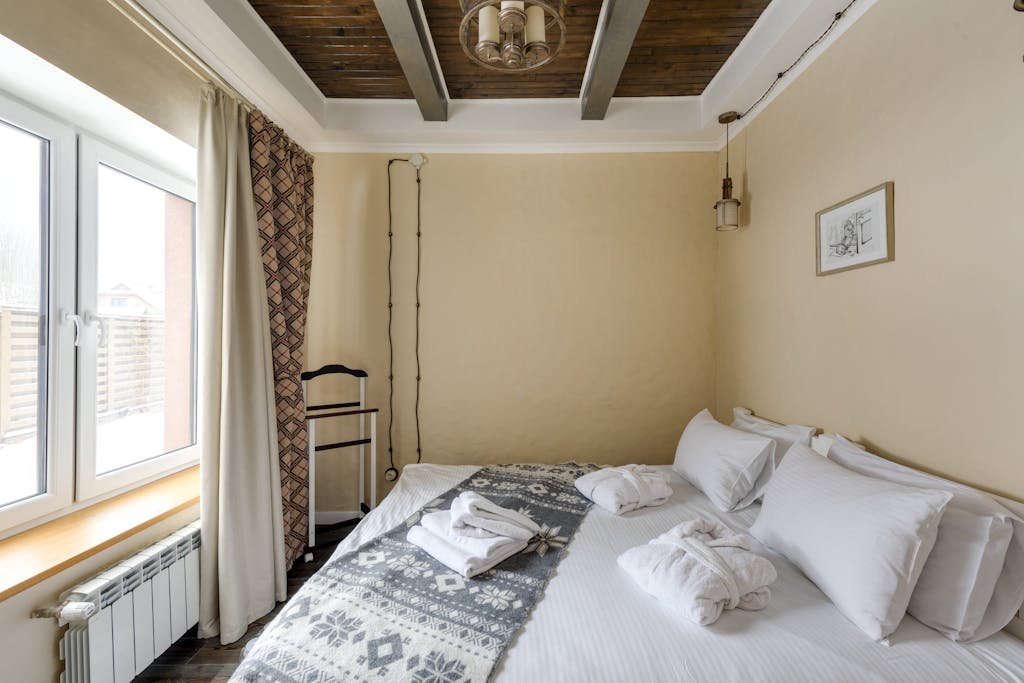
Tips for Applying Lighting in Different Spaces
Home Spaces
- Use natural light for living rooms, kitchens, and bedrooms whenever possible.
- Incorporate adjustable artificial lighting for reading, cooking, and nighttime use.
- Use curtains, blinds, or louvers to control glare.
Office Spaces
- Combine natural daylight with adjustable task lighting at workstations.
- Use cool white light for focus-intensive areas, warm tones for relaxation zones.
- Avoid direct sunlight on screens to reduce glare.
Public Spaces
- Optimize natural light for lobbies, corridors, and atriums to reduce energy consumption.
- Use artificial lighting to maintain visibility and safety at night.
- Consider dynamic lighting systems that adjust intensity and color based on time or occupancy.
Integrating Both for Maximum Benefit
The most effective spaces combine natural and artificial lighting. A well-designed environment uses daylight for health and energy efficiency while supplementing with artificial light for control and consistency. Smart lighting systems, daylight sensors, and dimmers can create dynamic, comfortable, and productive environments.
Conclusion
Choosing between natural and artificial lighting is not a strict either/or decision. Understanding their characteristics, advantages, and limitations allows designers to create spaces that enhance mood, support productivity, and reduce energy use. Proper integration of both lighting types produces environments that are functional, comfortable, and visually stimulating for all users.
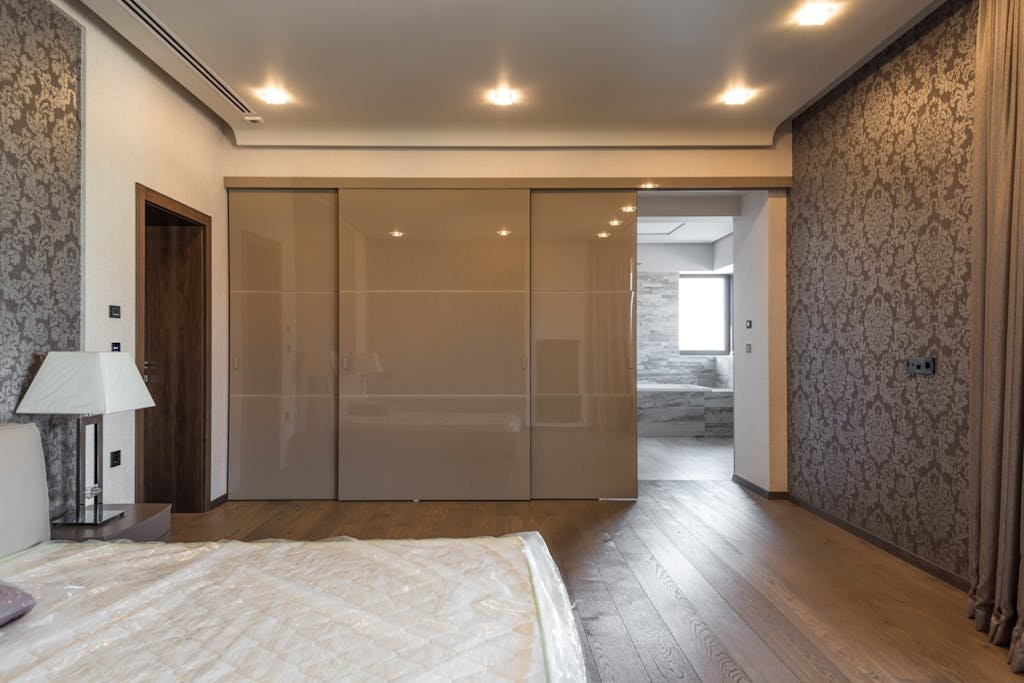
Summary
This article examines the impact of natural and artificial lighting on architecture, interior design, and human experience. Natural light enhances mood, supports circadian rhythms, reduces energy use, and highlights materials, but its variability and potential glare require careful planning. Artificial lighting offers consistent, controllable illumination suitable for specific tasks, atmospheres, and safety, though it can consume energy and feel artificial if poorly integrated. Effective design combines both types, using daylight for health and energy efficiency while supplementing with artificial light for precision and consistency, creating spaces that are visually engaging, comfortable, and productive.