
Indonesian Consulate Jeddah
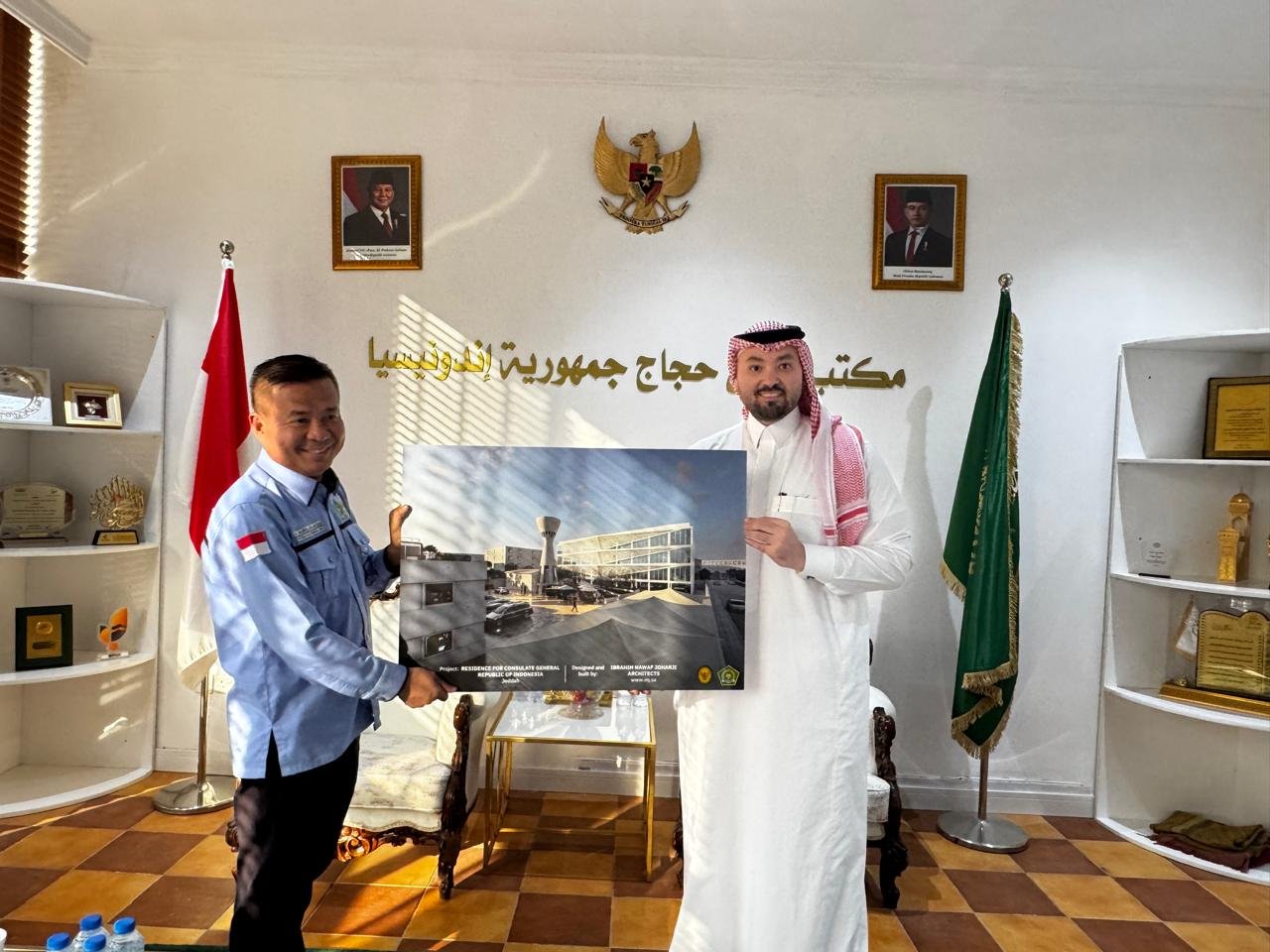
Diplomatic architecture begins with trust. Before appointing INJ Architects, the Consulate General of the Republic of Indonesia in Jeddah reviewed the proposals and capabilities of several practices. The final appointment was therefore not a conventional private commission, but a formal commission from the Government of Indonesia to a Saudi architectural office. The Consul General explained the decision directly to Ibrahim Nawaf Joharji: the proposal offered a clear architectural philosophy rather than a building image alone.
Client            Consulate General of the Republic of Indonesia, Jeddah
Location          Jeddah, Saudi Arabia
Built-up Area     ~5,800 m²
Contract          Design and Build
Status            Completed
Year              2025
Principal         Ibrahim Nawaf Joharji
Materials         Saudi-sourced throughout
Focus             Diplomatic protocol, dual cultural identity, sovereign representation
“We chose you because we wanted this building to carry your legacy and to hold a piece of your soul.”
Consul General of the Republic of Indonesia, to Ibrahim Nawaf Joharji
Diplomatic commissions occupy a category of architectural practice that most offices never encounter. The regulatory path for a consulate building does not follow the standard municipal approval sequence. It operates through a parallel framework of bilateral protocols, sovereign jurisdiction, and institutional clearances that require engagement at the level of the Saudi Ministry of Foreign Affairs. That ministry alone holds the authority to correspond with and formally authorize the relevant governmental and legislative bodies on behalf of the foreign mission. The office navigated this framework in full, receiving the formal delegation required to proceed with design development and construction. This process is neither expedited by reputation nor simplified by experience. It demands a level of institutional literacy that is separate from architectural competence. Few practices have the opportunity to acquire it.
The site occupies a four-street plot in Jeddah. The building is designed to serve the full operational hierarchy of a diplomatic mission, including consular officers, administrative staff, and residential quarters, with the spatial distribution and circulation logic that each tier of diplomatic classification requires. The sequence of spaces is not merely functional. In diplomatic architecture, the arrangement of rooms is itself a form of protocol, encoding the relationships between sovereign representation, institutional operation, and daily habitation into the physical organization of the building.
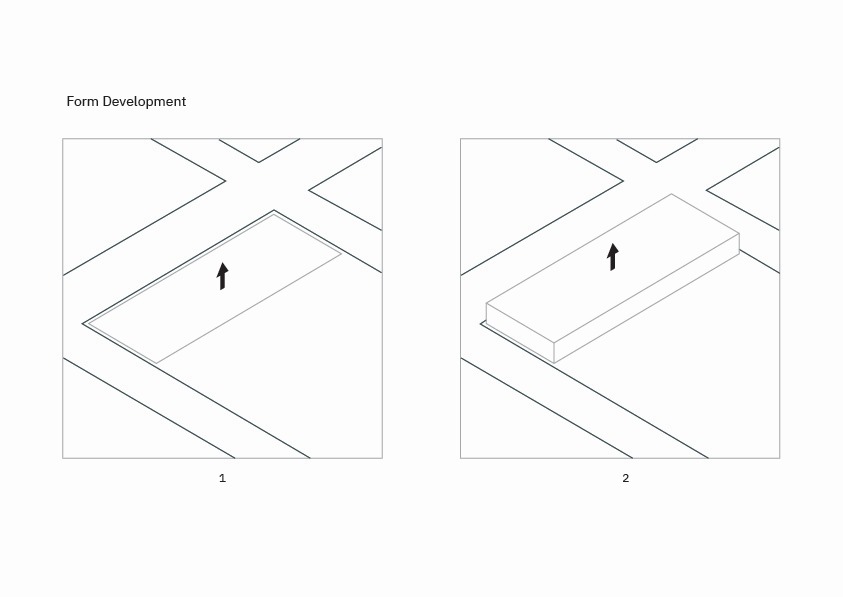
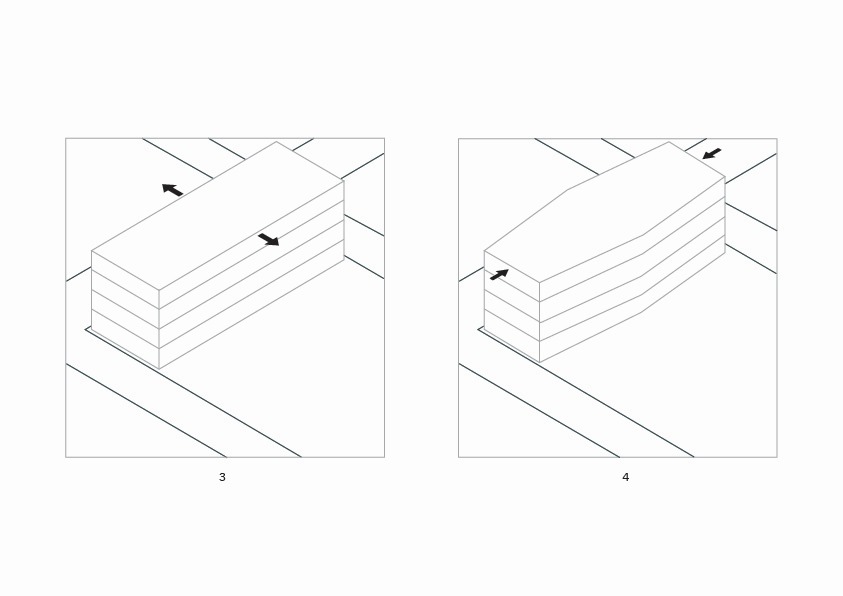
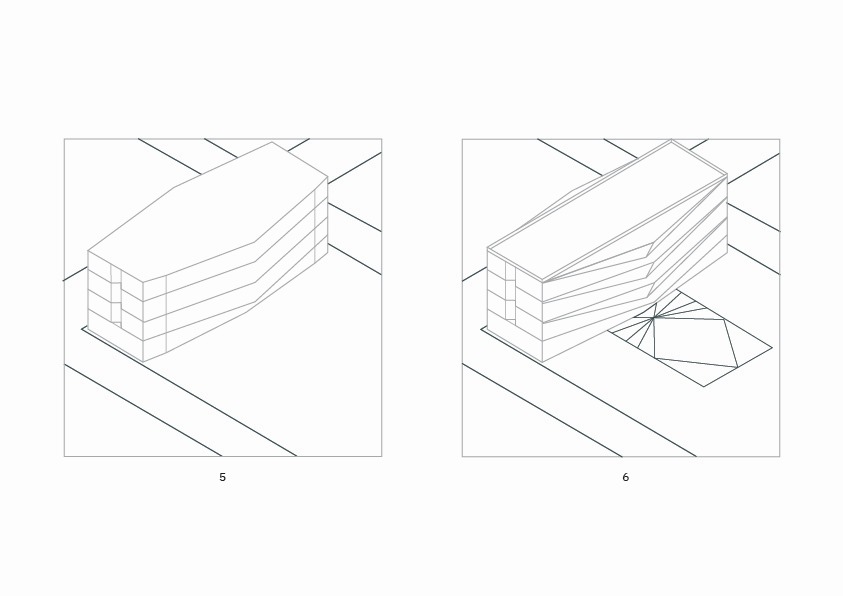
The design navigates two distinct architectural codifications. The Saudi Building Code encompasses nearly nineteen approval categories applicable to this typology. Indonesian architectural heritage, recognized across twenty-eight documented regional styles, provides the cultural source material from which the building’s formal identity is drawn. The primary formal reference is the Rumah Gadang, the traditional communal longhouse of West Sumatra, whose characteristic roof curvature carries both structural ingenuity and cultural weight. This curvature was reinterpreted, not replicated, into a contemporary diplomatic form that reads legibly within the Jeddah urban context while remaining unmistakably Indonesian in its spatial gesture.
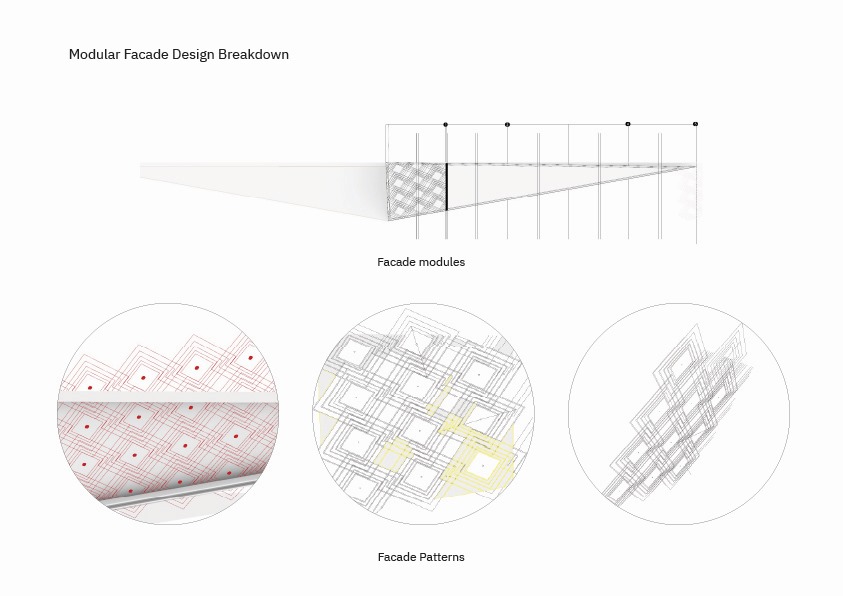
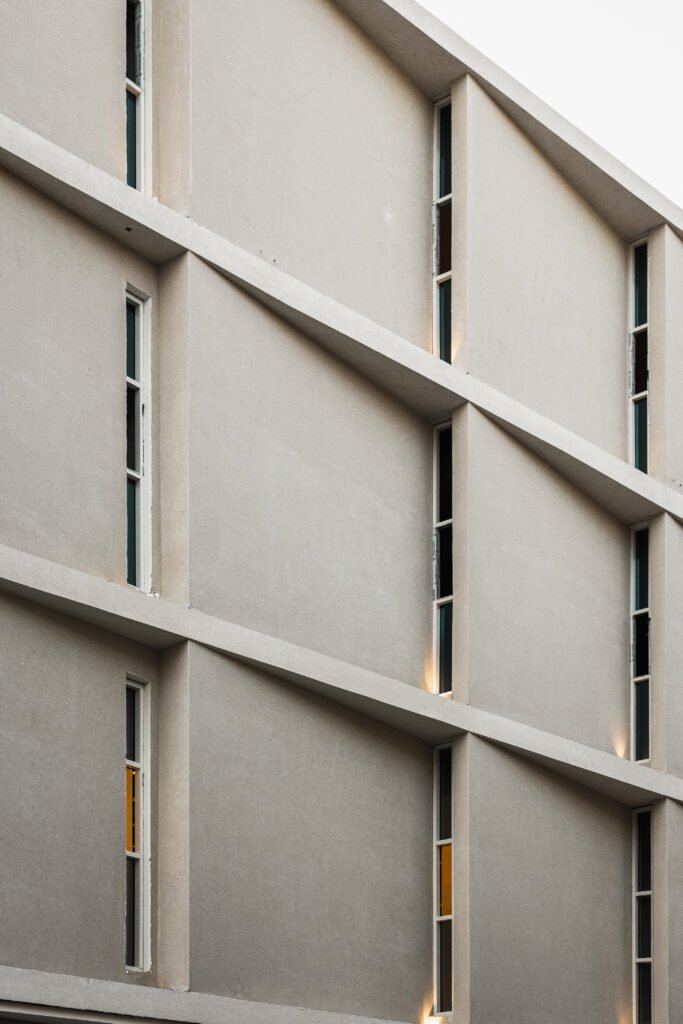
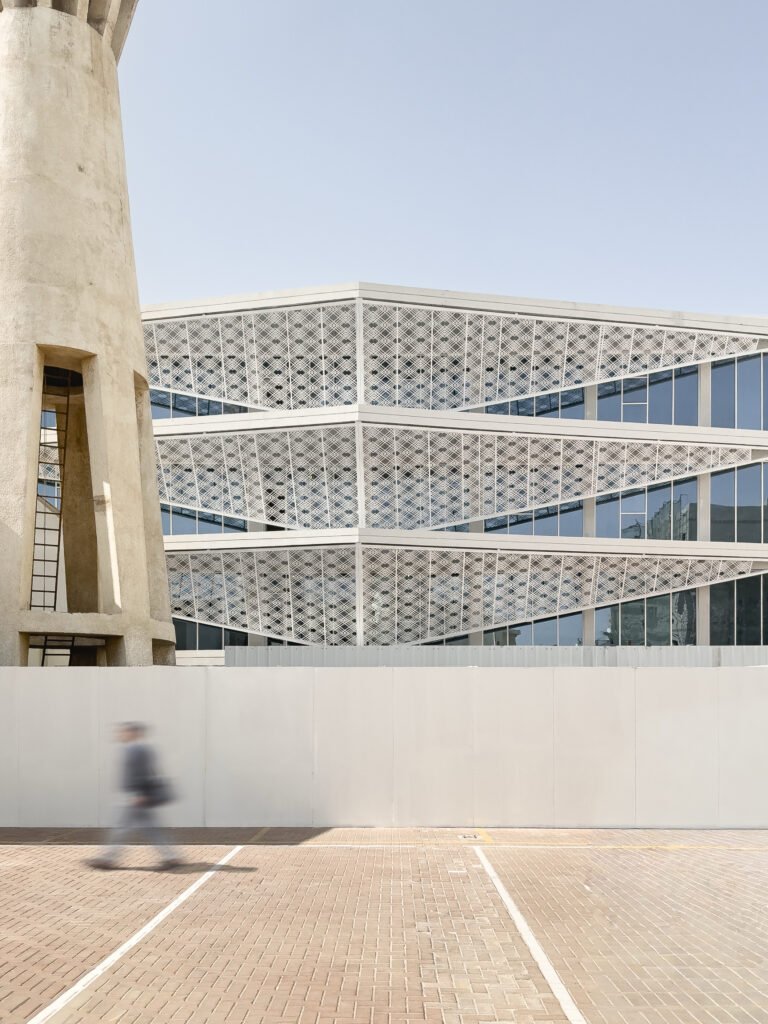
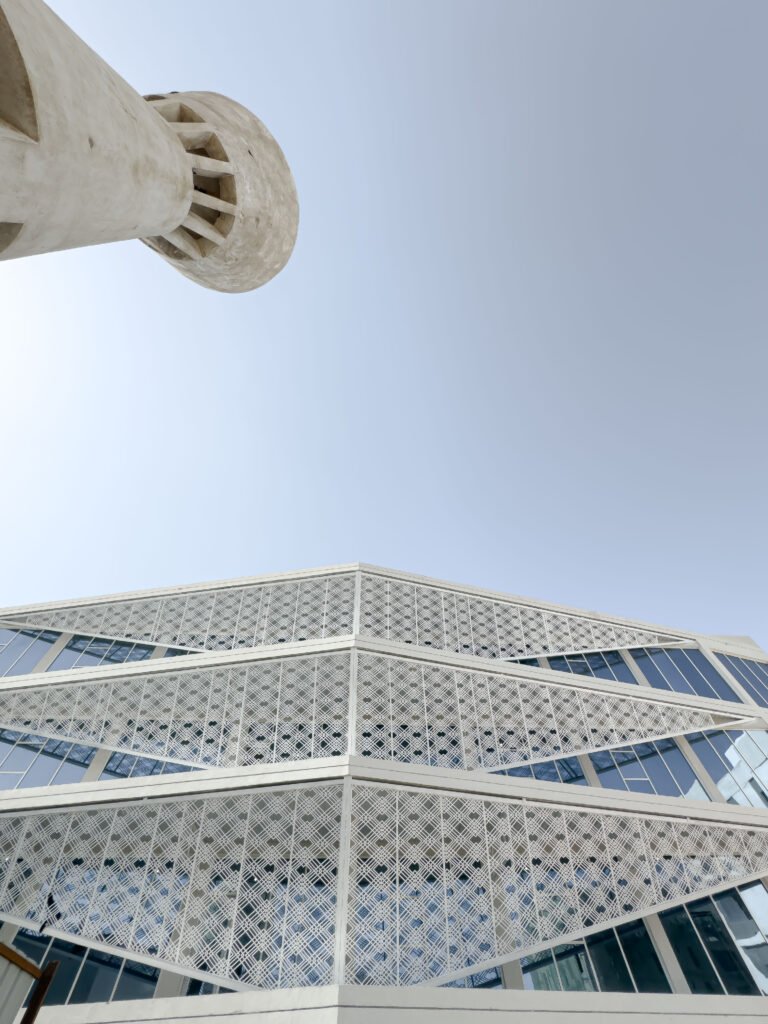
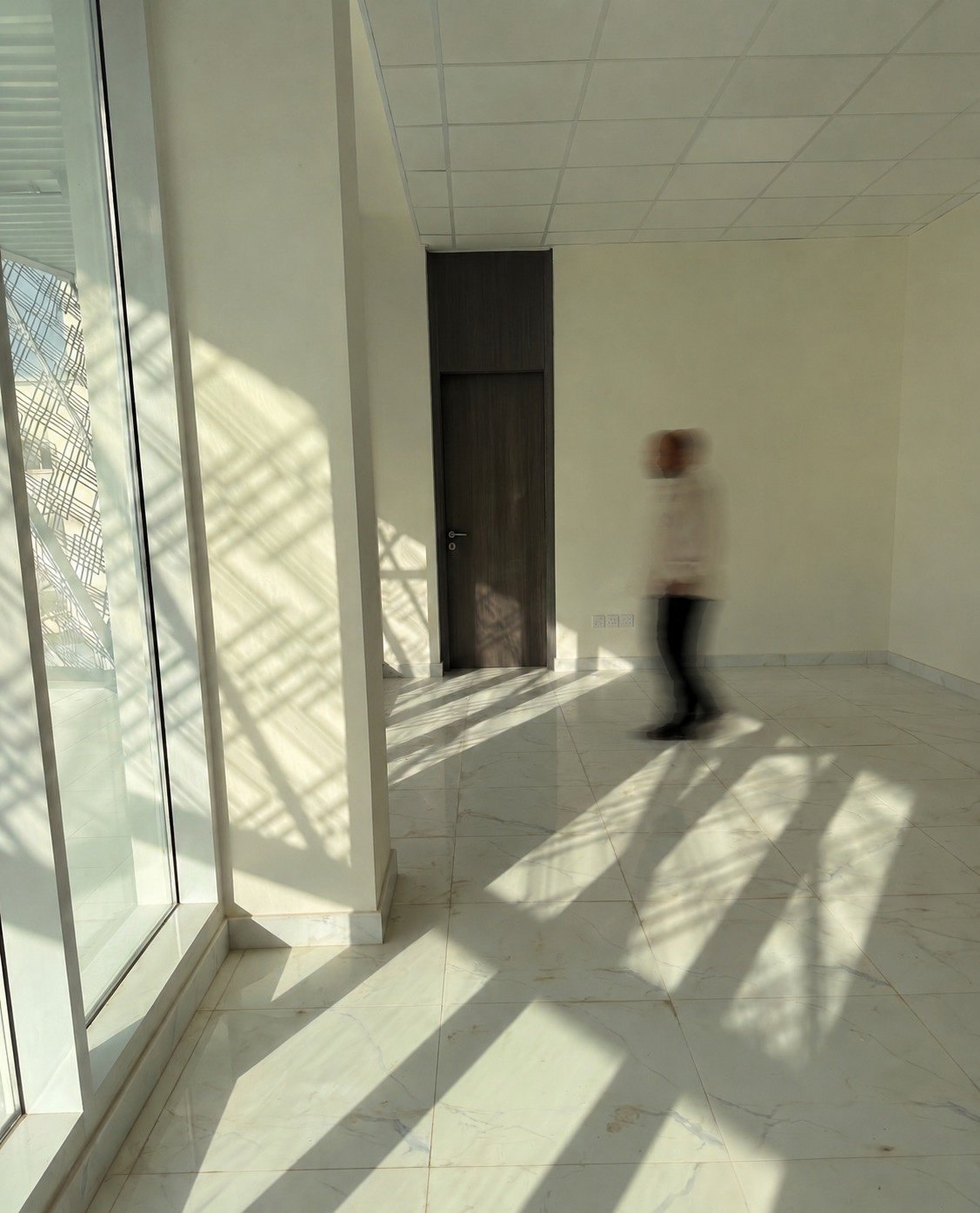
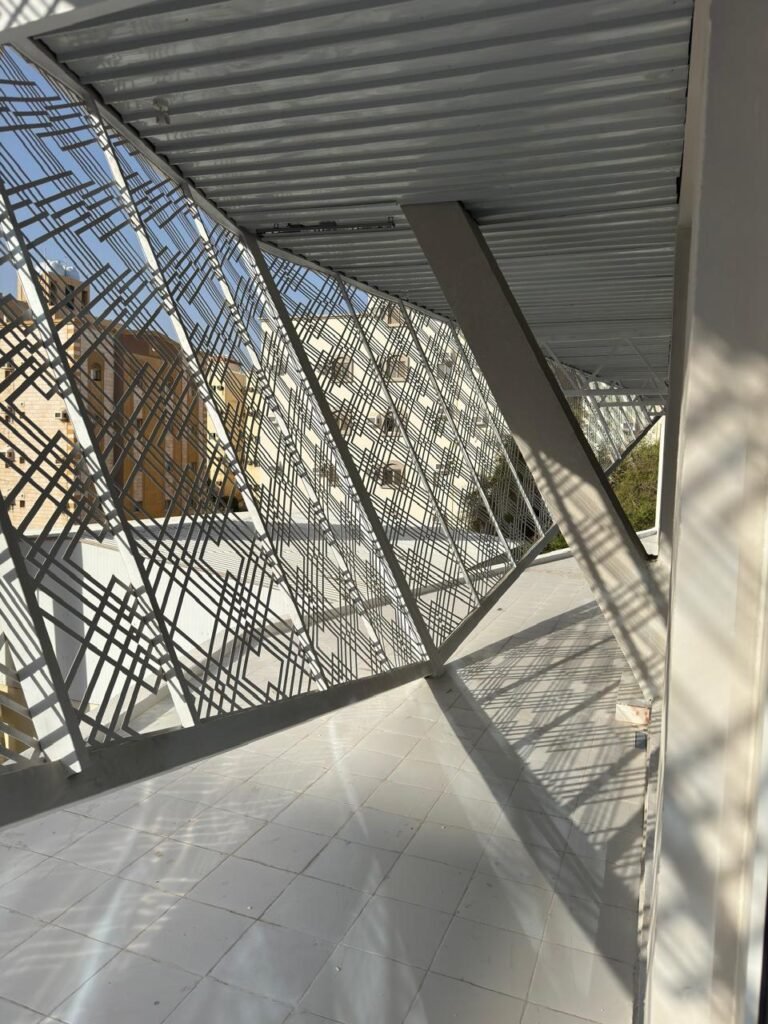
The facade is generated from a second cultural source: Batik, Indonesia’s geometric and botanical textile art, recognized by UNESCO as intangible cultural heritage. A parametric algorithm was developed to extract the underlying geometric logic of Batik motifs and translate them into an architectural surface system. This system was then calibrated against the geometric principles of Islamic architectural ornament drawn from Saudi heritage, producing a facade that operates simultaneously as a cultural declaration and a climatic device. It filters Jeddah’s intense solar radiation through a perforated skin whose pattern carries the visual language of both nations.
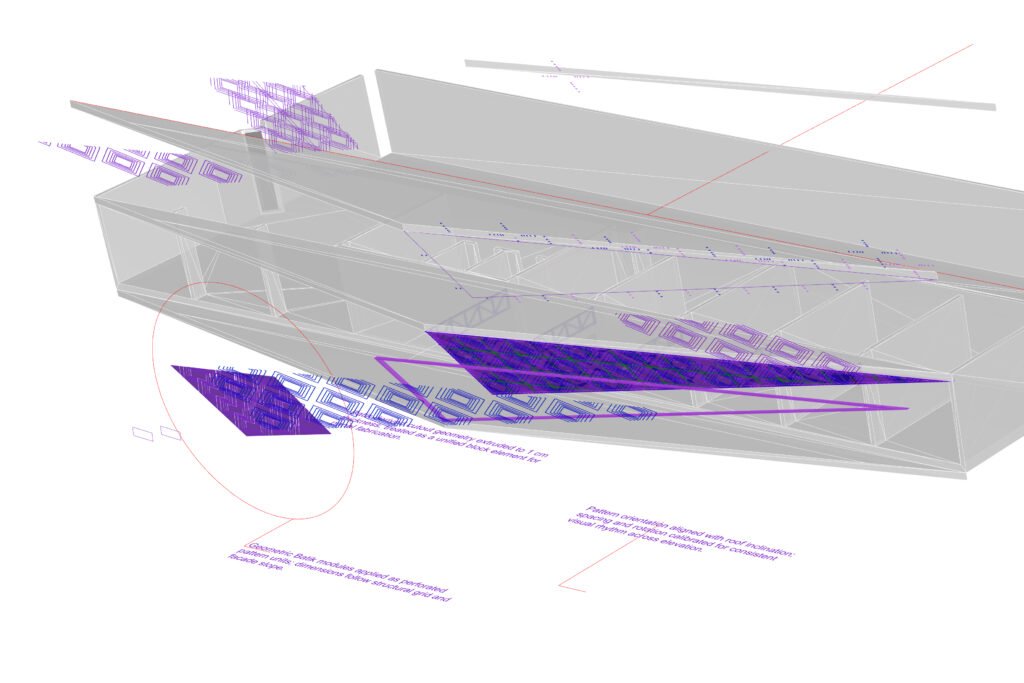
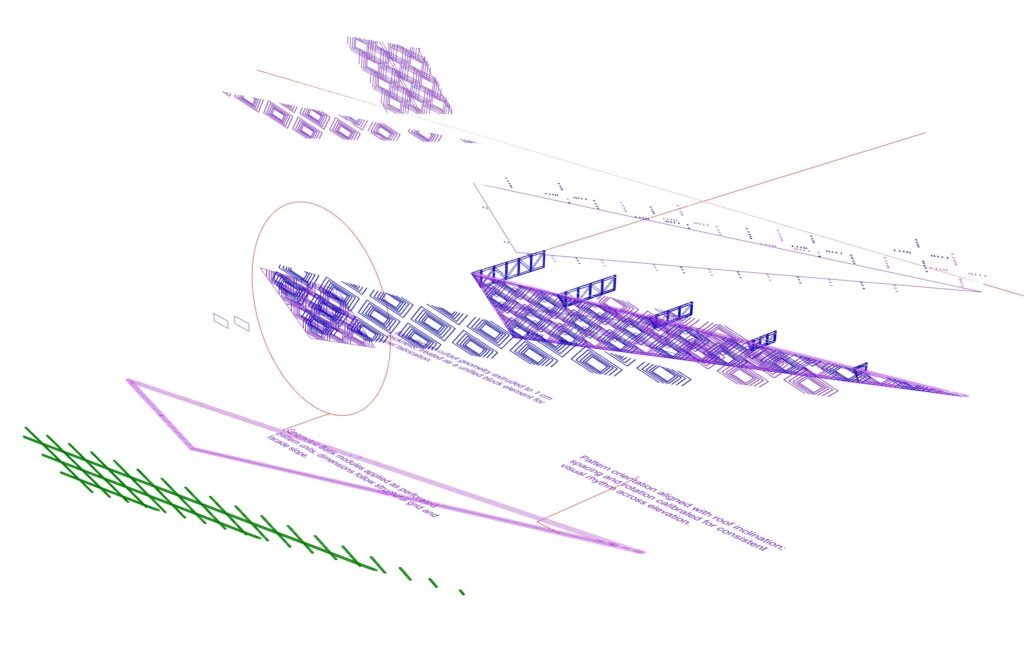
The roof is the building’s most culturally specific element. Its inclined plane carries the parametric Batik pattern as a structural skin. Rather than being applied as decoration, it is integrated as a load-bearing and shading system. The angle of inclination references the Rumah Gadang roof profile while responding to Jeddah’s solar geometry. Every module is oriented to maximize shade on the faces exposed to direct afternoon sun while maintaining the visual coherence of the pattern across the full elevation. The result is a surface that performs climatically in Jeddah and reads culturally as Indonesian. Both obligations were resolved through the same geometric decision.
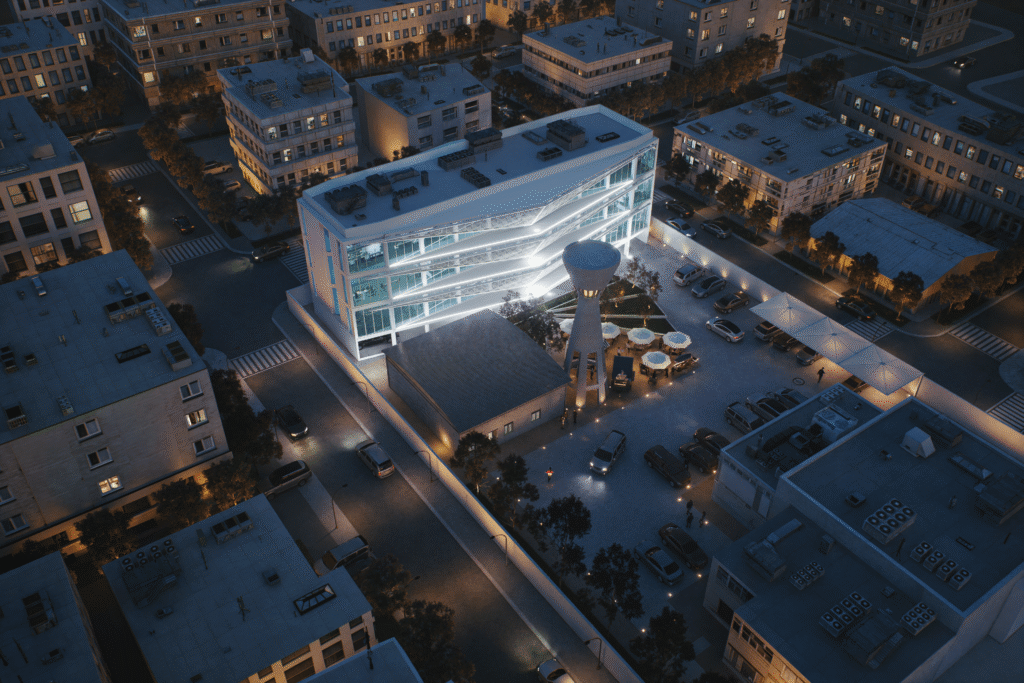
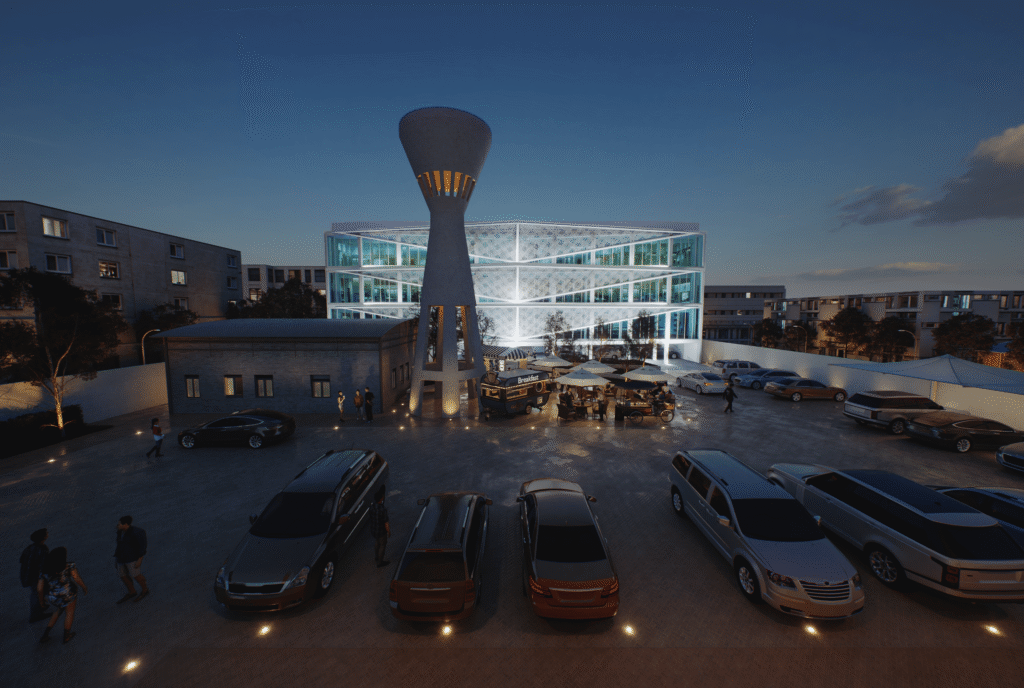
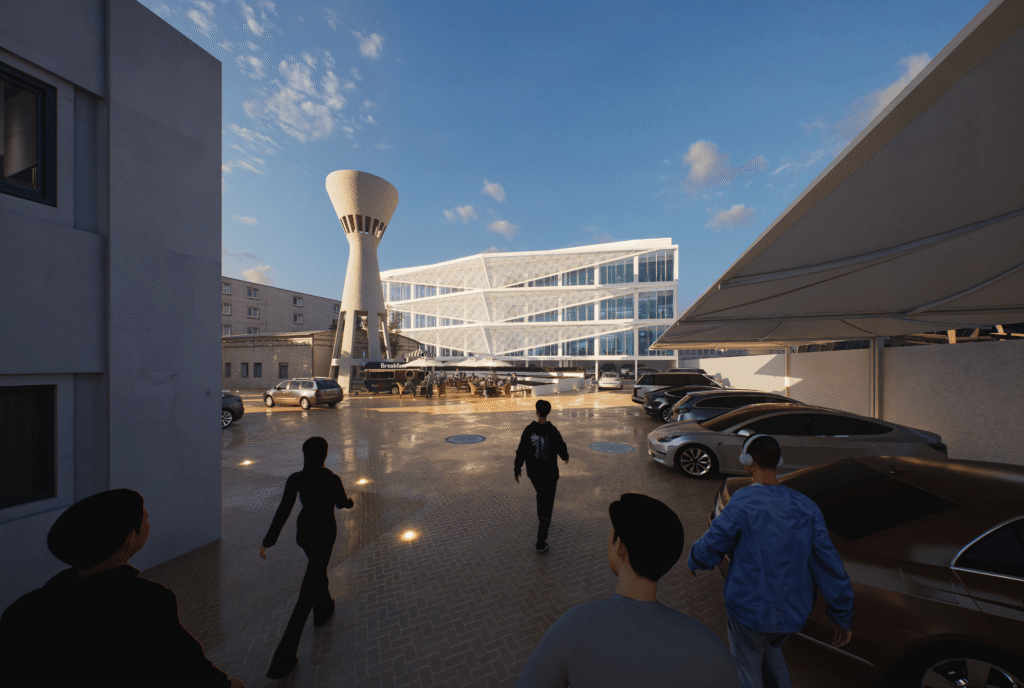
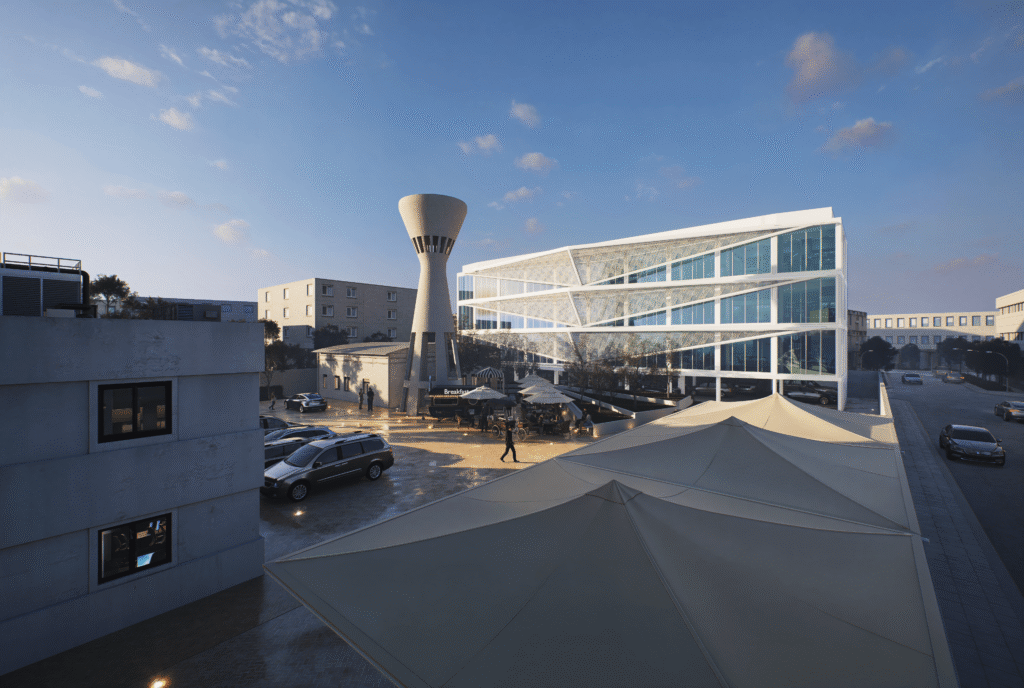
The construction contract was a design-and-build engagement, with the office holding responsibility for the complete delivery cycle from concept through final handover. A defining condition of the execution was the Principal’s commitment to sourcing all materials from within Saudi Arabia. This was not a contractual requirement. It expressed a deliberate position: a demonstration that a diplomatic building commissioned by a foreign government and constructed on Saudi soil could be realized in its entirety through Saudi industry. Structural concrete, cladding systems, waterproofing, finishes, mechanical and electrical infrastructure were all locally sourced and procured. The only exceptions were a small number of specialized hardware components, including specific door hardware, hinges and pump systems, for which no equivalent Saudi-manufactured product met the required specification. The building stands as a document of what Saudi construction supply chains can produce at the diplomatic level.
The execution phase introduced a layer of complexity that goes beyond construction management in the conventional sense. Building for a diplomatic mission means operating within two institutional frameworks simultaneously. The Republic of Indonesia’s construction culture follows a delivery-first protocol in which work is completed and inspected before financial settlement proceeds. This practice reflects a tradition of trust-based contracting rooted in the archipelago’s long history of communal construction. The Saudi contractual framework operates differently, with payment structures calibrated to milestone completion and advance disbursements formalized at the outset. Navigating the intersection of these two systems required a contractual architecture as carefully considered as the building itself, while preserving each party’s institutional expectations. The approach taken respected both frameworks, and the project was delivered without dispute. This dimension of the office’s experience is not one that can be acquired through design work alone. It belongs to a category of professional knowledge that only direct engagement with diplomatic commissions produces.
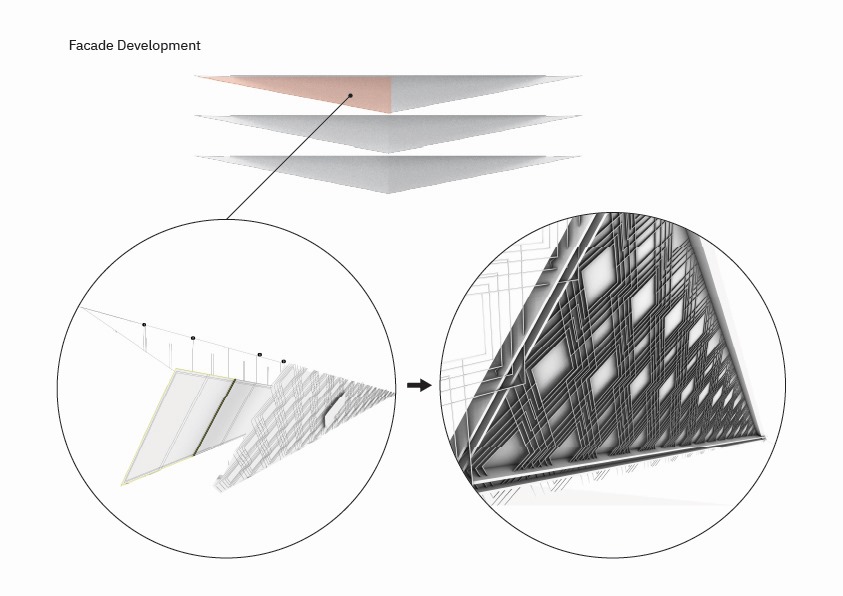
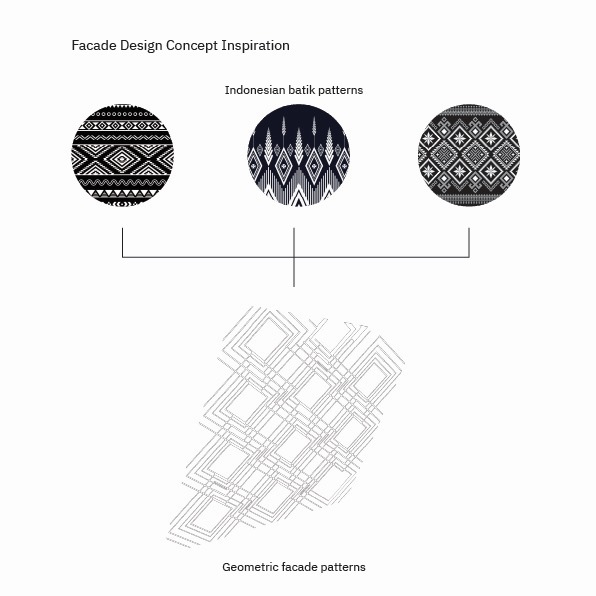
The Indonesian Consulate Building is the most institutionally complex commission in the office’s published portfolio, not because of its scale, but because of the process that produced it. Diplomatic commissions of this type are rarely documented in architectural publications because their institutional conditions limit public access. The path from formal appointment by the Government of Indonesia to construction completion required the office to act simultaneously as architect, design-and-build contractor, procurement specialist, cross-cultural contractual negotiator and institutional interlocutor within a regulatory framework outside the standard municipal approval sequence. The formal delegation received from the Saudi Ministry of Foreign Affairs to engage with the relevant legislative and governmental bodies reflects the institutional trust placed in the practice before a single drawing was approved.
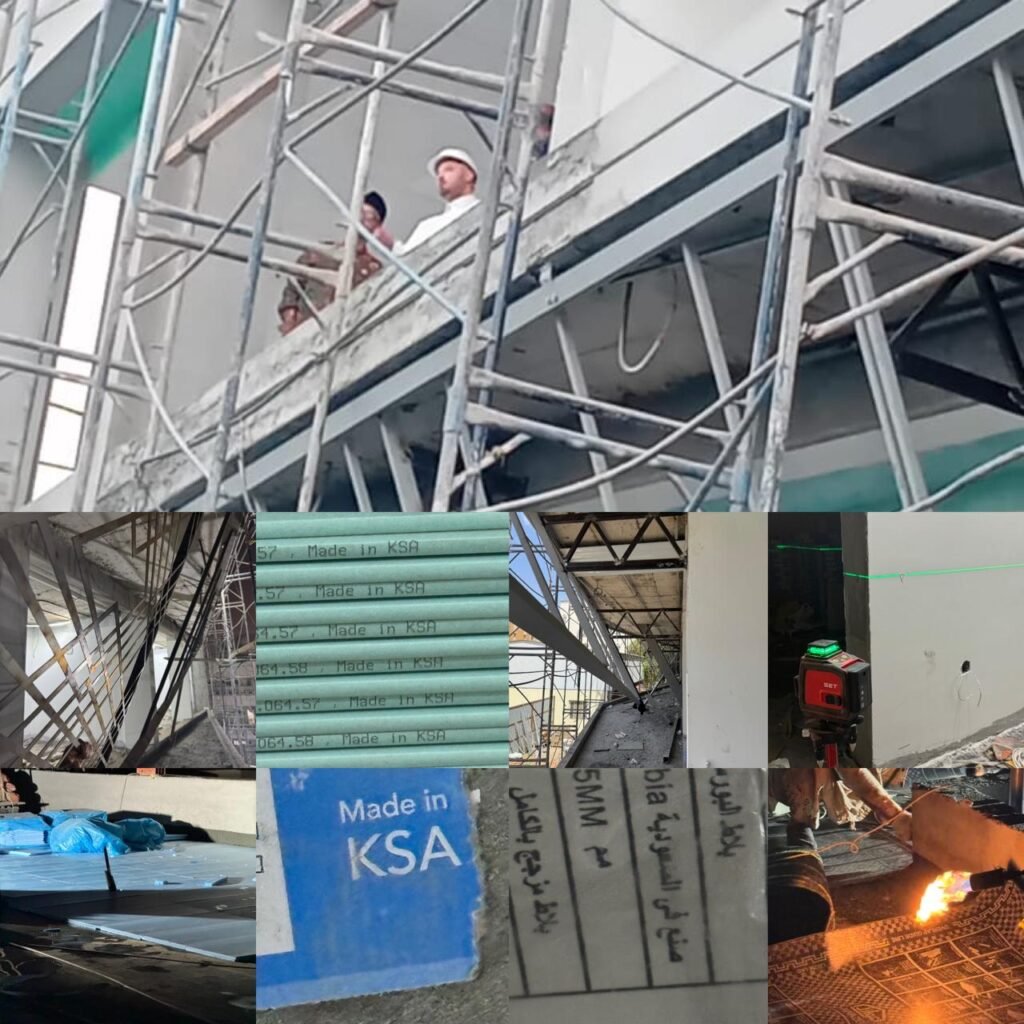
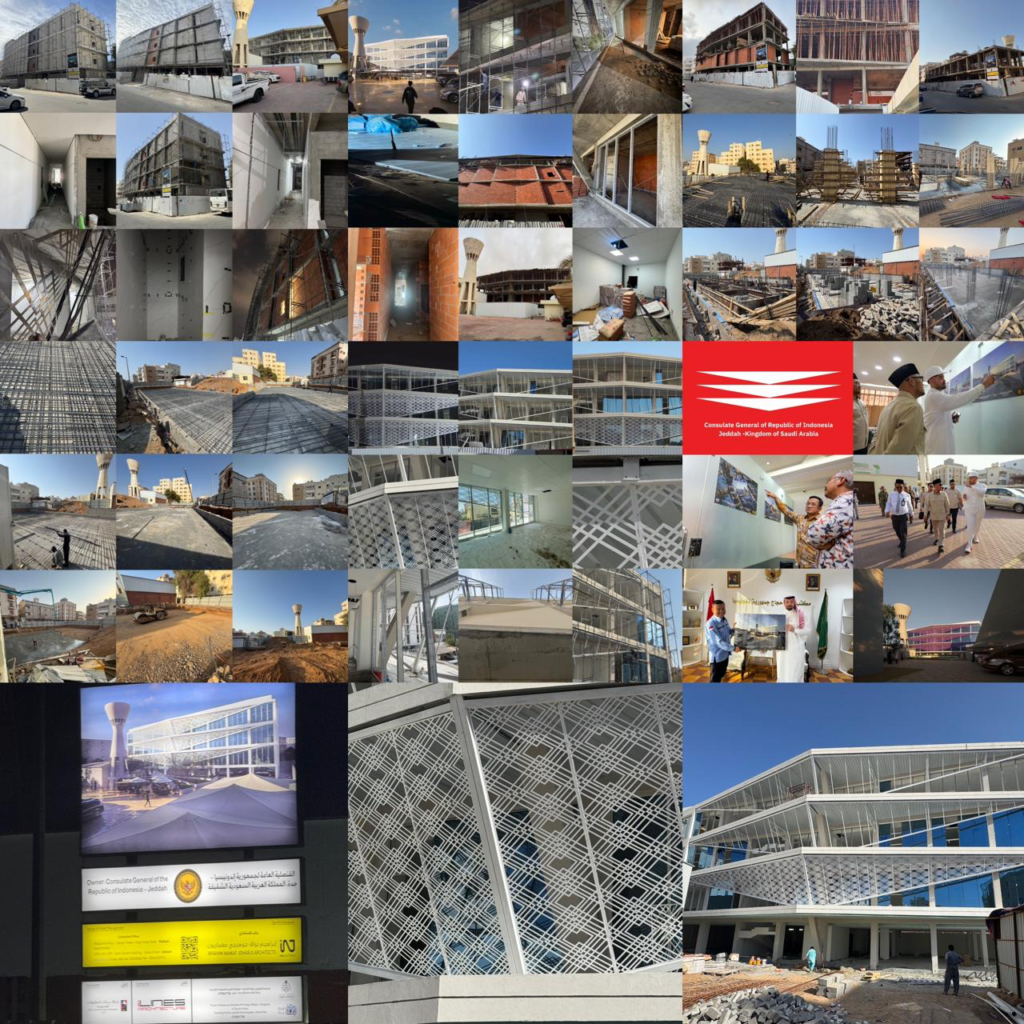
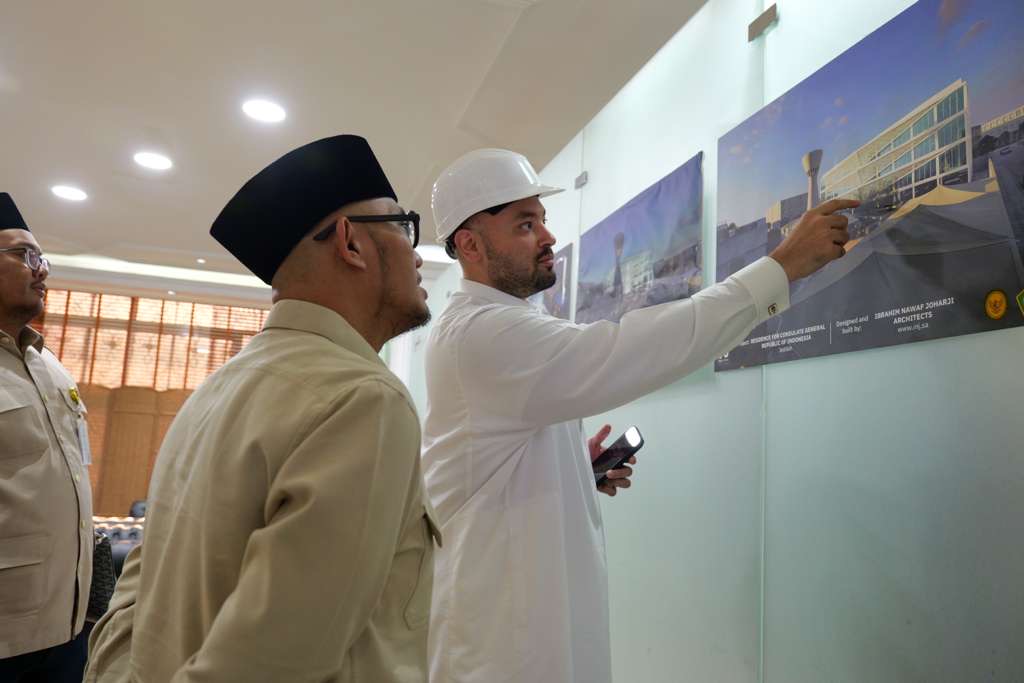
The decision to source nearly all construction materials from within Saudi Arabia deserves specific attention. Ibrahim Nawaf Joharji made this choice independently of the contract, guided by the view that a building commissioned by a foreign government and constructed on Saudi territory should demonstrate the capacity of Saudi industry. The result places the maturity of the national construction supply chain inside a building that will carry the Republic of Indonesia’s sovereign identity for decades. It also shortened supply chains, reduced embodied carbon and kept material accountability close to the site. The office’s full methodology for commissions of this complexity is described in How We Work. For those considering a commission within a diplomatic, governmental or institutional framework of comparable specificity, the first step is outlined in Start a Project.

Media Coverage
The Indonesian Consulate in Jeddah has been documented by architecture and news publications across several regions. The selection below records the principal independent coverage of the project.
| Publication | Coverage |
|---|---|
| CNN Indonesia | Bangunan Konsulat Indonesia Baru di Jeddah Padukan Batik dan Rawshan |
| Designboom | Parametric Batik Patterns Wrap Facade of Indonesian Consulate Building in Saudi Arabia |
| Archinect | Diplomatic Architecture and the Constraints of Sovereignty: A Case Study in Jeddah |
| Divisare | Indonesian Consulate, INJ Architects |
| e-architect | The Indonesian Consulate Jeddah, Saudi Arabia |
| gooood | The Indonesian Consulate in Jeddah by INJ Architects |
| Archello | Indonesian Consulate Jeddah |
| Archilovers | Indonesian Consulate Jeddah |
| Republika Indonesia | Arsitek Saudi Desain Ulang Identitas Indonesia untuk Konsulat Baru di Jeddah |
| CCR Magazine | INJ Architects to Design New Indonesian Consulate in Jeddah |
The project is documented across every design phase, from the initial regulatory mapping and cultural research to the development of the parametric facade and the completion of construction. The video records a commission whose precise institutional conditions are unlikely to be repeated. It documents both the building and the process that made its delivery possible.