
Selecting the right HVAC system requires balancing noise levels, space utilization, energy efficiency, maintenance, and comfort. Wall-mounted and floor-mounted units serve similar functions but differ in performance, installation constraints, and operational characteristics. Understanding these differences can optimize indoor comfort while minimizing energy costs and spatial impact.
Installation and Spatial Impact
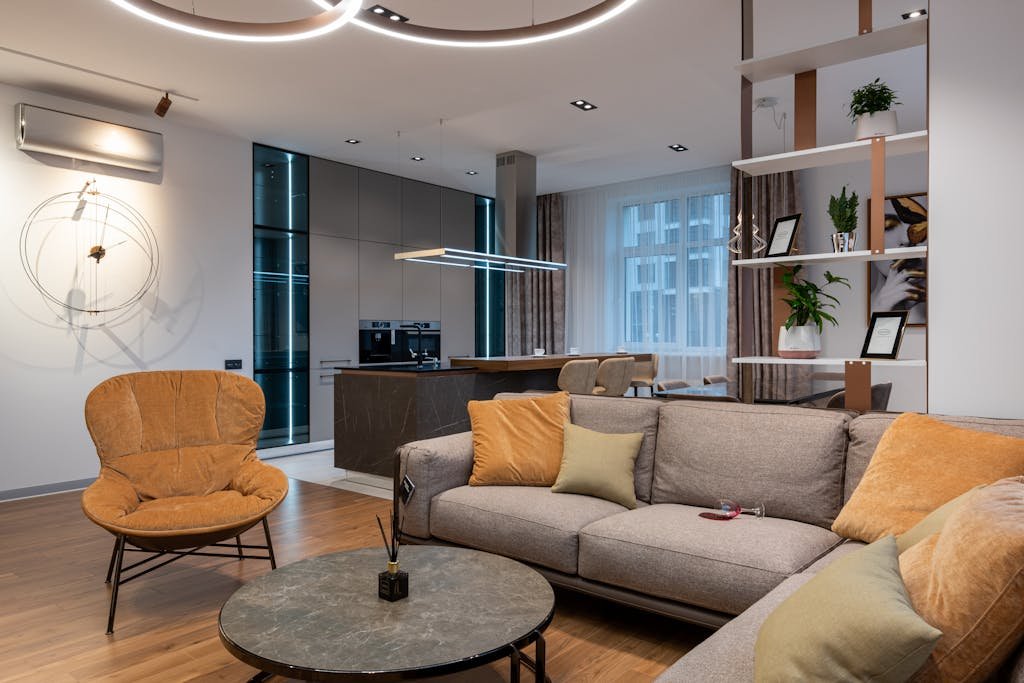
Wall-mounted units are typically installed high on walls, often near the ceiling. This placement frees floor space, making them ideal for compact apartments, offices, and commercial areas with limited room. They are less intrusive in circulation paths and allow more flexible furniture arrangement.
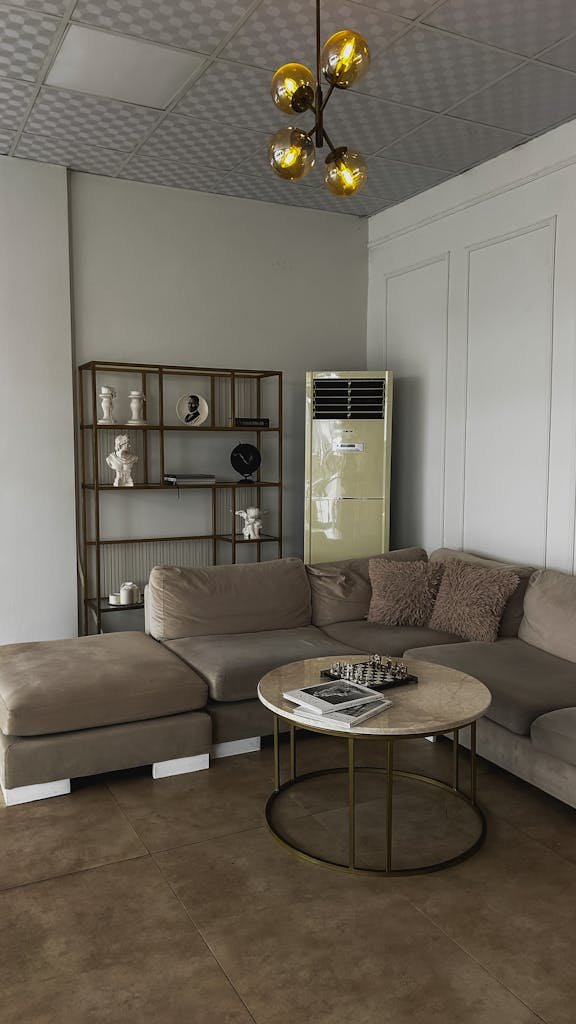
Floor-mounted units are installed near the floor, often beneath windows or along walls. They can serve as supplemental heating or cooling sources and are sometimes easier to integrate with ductless designs. However, they occupy floor space, which can limit furniture placement and affect traffic flow.
| Factor | Wall-Mounted | Floor-Mounted |
|---|---|---|
| Space utilization | High – frees floor space | Moderate – occupies floor area |
| Ideal room size | Small to medium | Medium to large |
| Installation complexity | Moderate | Moderate to high depending on floor conditions |
| Visibility | Elevated – less intrusive | Lower – more visible |
| Integration with furniture | Easier | Limited near occupied areas |
Noise and Acoustic Performance
Noise levels are critical in bedrooms, offices, and living areas. Wall-mounted units tend to operate quietly because the compressor is often located remotely in split systems. Air distribution from height allows sound to dissipate more evenly.
Floor-mounted units, particularly compact or low-cost models, can produce more audible airflow and mechanical noise at occupant level. Their proximity to seating or working zones can make minor vibrations or fan noise more noticeable.
| Factor | Wall-Mounted | Floor-Mounted |
|---|---|---|
| Operational noise | Lower | Moderate to higher |
| Vibration at ear level | Minimal | More noticeable |
| Noise insulation requirements | Moderate | May need extra damping |
| Suitability for bedrooms/offices | High | Moderate |
Airflow and Comfort
Wall-mounted units distribute air from a higher position, enabling better mixing and more uniform temperature distribution in a room. Cool air descends naturally, while warm air rises, optimizing thermal comfort.
Floor-mounted units supply air at a low level, which can be beneficial in supplemental heating applications because heat rises. However, airflow may feel localized or create uneven cooling if the room is large or obstructed by furniture.
| Factor | Wall-Mounted | Floor-Mounted |
|---|---|---|
| Air distribution | Wide and uniform | Localized unless designed carefully |
| Comfort in large spaces | Effective | Less effective without multiple units |
| Cooling speed | Moderate to fast | Slower if air circulation is blocked |
| Heating efficiency | Good with ceiling circulation | Effective for radiant-style heating |
Energy Efficiency and Operational Costs
Efficiency depends on model, room size, and insulation. Wall-mounted split systems often offer higher seasonal energy efficiency ratios (SEER) because they leverage height for air mixing and can be connected to inverter-driven compressors.
Floor-mounted units may consume slightly more energy to achieve even cooling in larger rooms, especially if airflow is obstructed or multiple units are required. They may be more suitable for zoned heating or retrofits where wall installation is not feasible.
| Factor | Wall-Mounted | Floor-Mounted |
|---|---|---|
| Energy consumption | Moderate to low | Moderate to high for large areas |
| Efficiency in zoned cooling | High | Moderate |
| Lifespan | 10–15 years typical | 8–12 years typical |
| Maintenance ease | Moderate | Moderate to easy depending on access |
Maintenance and Cleaning
Wall-mounted units require access at height, which may need a ladder for routine filter cleaning or inspections. They are less prone to dust accumulation from floor traffic.
Floor-mounted units are easier to reach for cleaning but are closer to dust, debris, and foot traffic. Filters may clog faster in high-traffic areas, increasing maintenance frequency.
| Factor | Wall-Mounted | Floor-Mounted |
|---|---|---|
| Filter accessibility | Moderate | Easy |
| Exposure to dust and debris | Lower | Higher |
| Cleaning frequency | Standard | Increased in high-traffic zones |
| Risk of accidental damage | Low | Higher due to proximity to occupants |
Aesthetic and Design Considerations
Wall-mounted units can blend into the upper portion of a room, often matching wall color or trim. Floor-mounted units may disrupt furniture layout and can be visually intrusive. Choosing finishes and integrating units with cabinetry or partitions can mitigate impact.
Final Recommendation
Wall-mounted HVAC units are generally preferable when floor space is limited, noise minimization is important, and uniform air distribution is desired. Floor-mounted units are practical for supplemental heating, retrofits, or spaces where wall installation is challenging. In many designs, a combination of both can optimize comfort, efficiency, and aesthetics depending on room function and occupant needs.
Summary
Selecting the right HVAC system requires balancing noise levels, space use, energy efficiency, maintenance, and comfort. Wall-mounted units save floor space, operate more quietly, and distribute air more evenly, making them ideal for small apartments, offices, and bedrooms. Floor-mounted units are easier to access for maintenance and can be useful for supplemental heating, but they occupy floor space, may produce more audible noise at occupant level, and can affect furniture placement. The final choice depends on room size, priority for noise reduction, airflow distribution, and installation constraints, and in many cases, combining both types can optimize comfort, efficiency, and aesthetics.