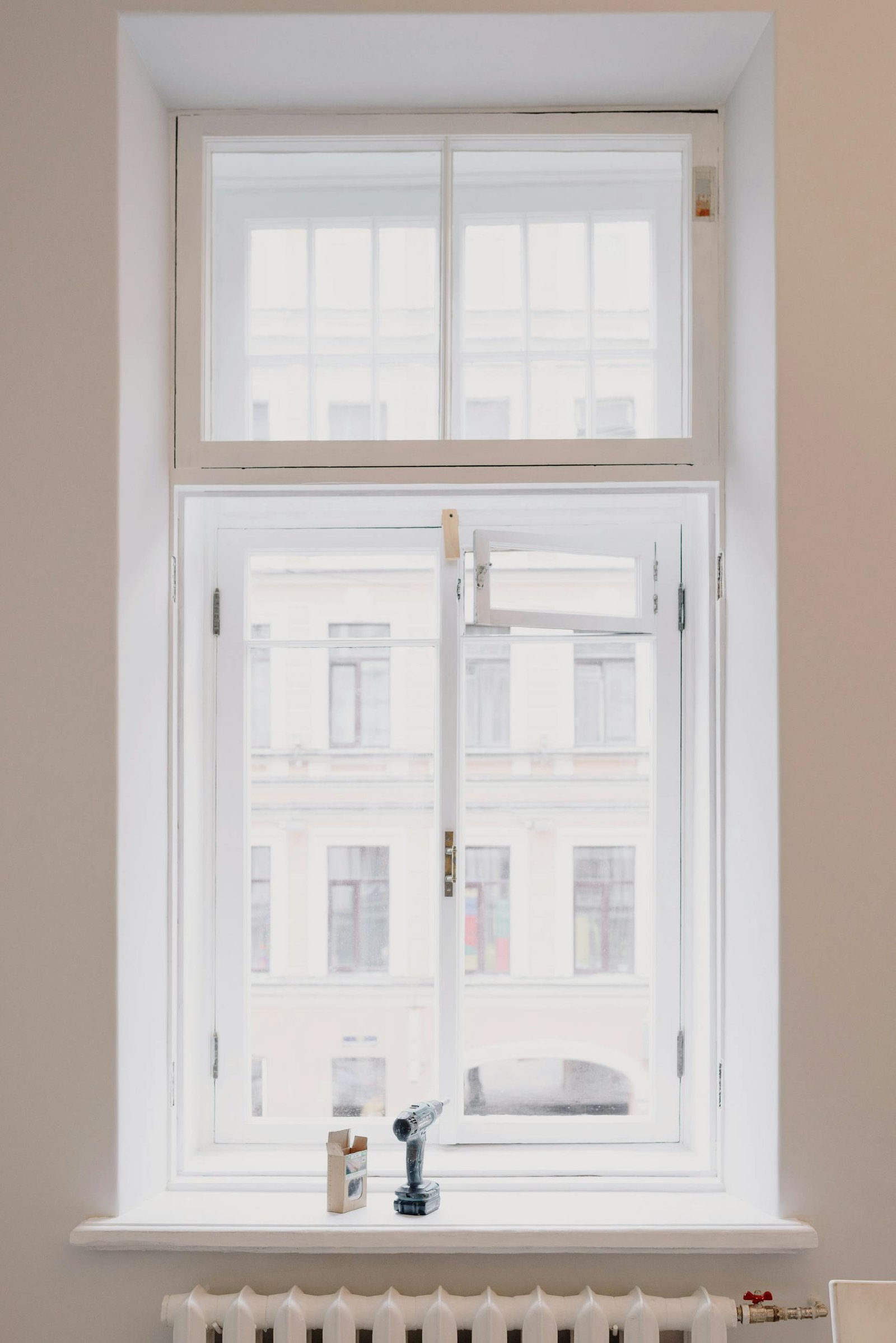
Windows are one of the most critical elements in building performance. They control heat transfer, daylight, visual comfort, ventilation potential, and psychological connection to the exterior. In many climates, windows are responsible for a significant share of cooling and heating energy demand. Poor window design leads to overheating, glare, drafts, condensation, and high operational costs. High performance windows improve comfort, reduce energy consumption, and increase long term building value. Energy efficient windows are not a single product category. They are a system composed of glass layers, gas cavities, coatings, frames, seals, and installation details. Each layer influences thermal performance, acoustic comfort, durability, and cost. This guide explains double and triple glazing, frame materials, smart glass technologies, and practical selection strategies for homeowners and architects.
How Windows Influence Energy Performance
Heat moves through windows by conduction through glass and frames, convection within cavities, and radiation from the sun and indoor surfaces. Air leakage around frames and joints can further reduce performance if not controlled. Two primary metrics define window performance. U value measures heat transfer through the window assembly. Lower U values indicate better insulation. Solar heat gain coefficient measures how much solar radiation passes through the glass. Lower values reduce cooling demand in hot climates. In hot climates, solar control is often more important than insulation. In cold climates, insulation becomes the primary factor. In mixed climates, a balanced approach is required.
Double Glazing
Double glazing consists of two glass panes separated by a sealed cavity filled with air or inert gas. Thermal performance is significantly improved compared to single glazing. The cavity slows heat transfer and reduces convection. When combined with low emissivity coatings and argon gas, double glazing provides strong performance for most residential and commercial applications. Acoustic performance is better than single glazing. Using panes of different thicknesses can further reduce noise transmission. Cost is moderate and weight is manageable. Double glazing is widely used because it balances performance, availability, and cost. Double glazing is best suited for apartments, villas, offices, and most climates when combined with proper shading and coatings.
Triple Glazing
Triple glazing consists of three glass panes with two sealed cavities. Thermal performance is significantly higher than double glazing. Additional cavities reduce heat transfer and stabilize indoor temperatures, which lowers heating and cooling loads in extreme climates. Acoustic performance is superior, especially when laminated glass and asymmetrical pane thickness are used. Cost is high and weight is substantial. Frames, hinges, and structural supports must be designed for heavier loads. Installation precision is critical to avoid thermal bridging and air leakage. Triple glazing is best suited for high performance buildings, cold climates, passive design strategies, and projects targeting strict energy standards.
Window Frame Materials and Energy Impact
Frames can represent a large portion of total heat transfer. High performance glazing can lose much of its benefit if paired with a thermally conductive frame. Frame selection influences durability, maintenance, aesthetics, and thermal continuity.
Wood Frames
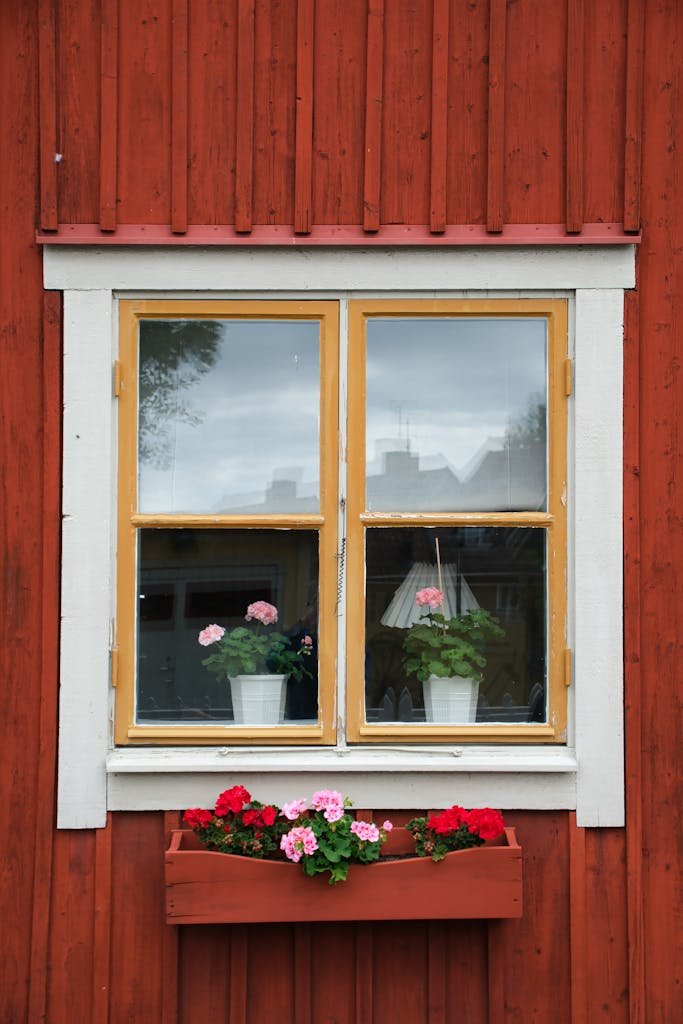
Wood frames provide good thermal insulation and strong visual quality. They expand and contract with humidity and require maintenance to prevent moisture damage and decay. Protective cladding improves durability. Wood frames are best suited for residential projects prioritizing aesthetics and insulation with controlled maintenance strategies.
Vinyl Frames
Vinyl frames offer good thermal performance and low maintenance. Multi chamber profiles improve insulation. Vinyl resists moisture and corrosion and is cost effective for many residential applications. Vinyl frames are best suited for budget conscious residential projects with minimal maintenance requirements.
Fiberglass Frames
Fiberglass frames are dimensionally stable and resistant to temperature changes. They offer excellent thermal performance and can be internally insulated. They resist warping, expansion, and contraction. Fiberglass frames are best suited for high performance residential and commercial buildings requiring long term stability.
Aluminum Frames
Aluminum frames are structurally strong and visually minimal. However, aluminum conducts heat efficiently, which increases energy loss. Thermal breaks must be integrated to reduce heat transfer. Aluminum frames are best suited for large glazed openings and contemporary facades when thermal break systems are used.
Composite Frames
Composite frames combine wood fibers and polymers. They provide improved moisture resistance and thermal stability compared to traditional wood while maintaining visual quality. Composite frames are best suited for projects requiring durability, insulation, and moderate maintenance.
Advanced Glass Technologies
Low emissivity coatings are thin metallic layers applied to glass surfaces. They reflect infrared radiation while allowing visible light to pass. They reduce heat loss in cold climates and solar heat gain in hot climates depending on coating type. Argon and krypton gases are used between panes to reduce heat conduction. These gases improve insulation without affecting transparency. Warm edge spacers reduce thermal bridging at glass edges. They help prevent condensation and reduce perimeter heat loss.
Smart Glass Technologies
Electrochromic glass changes tint when electrical voltage is applied. It reduces glare and solar heat gain dynamically and can be controlled manually or automatically through building systems. Thermochromic glass changes transparency based on temperature. It passively reduces solar heat gain in hot conditions without electrical systems. Photochromic glass darkens in response to sunlight intensity. It reduces glare but offers less control in architectural applications. Vacuum insulated glass uses a vacuum cavity instead of gas. It offers extremely low U values and strong acoustic performance. It is emerging in high performance buildings and retrofit applications.
Comparison Table of Window Options
| Window Option | Thermal Performance | Cost Level | Weight Impact | Best Use Case |
|---|---|---|---|---|
| Double glazing | Good insulation with moderate U value | Medium | Medium | Standard residential and office buildings |
| Triple glazing | Very high insulation with low U value | High | High | High performance buildings and cold climates |
| Low emissivity coating | Reduces radiant heat transfer | Low to Medium | Low | All climate zones and most glazing systems |
| Argon gas fill | Improves insulation compared to air | Low | Low | Most modern glazing units |
| Electrochromic glass | Dynamic solar and glare control | Very High | Medium | Premium facades and adaptive interiors |
| Vacuum insulated glass | Exceptional insulation and acoustics | Very High | Medium | Advanced energy buildings and retrofit projects |
Practical Guide for Homeowners
In hot climates, prioritize solar control coatings, external shading, and moderate U value glazing. Double glazing is usually sufficient when combined with shading devices. In cold climates, triple glazing and insulated frames significantly reduce heating demand and improve thermal comfort near windows. In mixed climates, double glazing with low emissivity coatings and insulated frames offers balanced performance. Consider lifecycle cost rather than initial price. Energy savings, maintenance, and durability influence total cost over decades. Installation quality is critical. Poor sealing and detailing can negate high performance glazing.
Practical Guide for Architects
Control window to wall ratio. Larger glazing areas increase energy demand even with high performance glazing. Integrate shading devices with glazing selection. Glass alone cannot control solar heat gain effectively. Balance daylight and thermal performance. Excessive tint reduces daylight and increases artificial lighting demand. Specify frame materials based on climate exposure, structural requirements, durability, and maintenance strategy. Ensure airtight installation and thermal continuity. High performance windows fail when thermal bridges and air leakage are not addressed.
Common Mistakes
Selecting triple glazing in hot climates without solar control strategy. Ignoring frame thermal performance and focusing only on glass. Using clear glazing on high solar exposure facades. Oversizing glazing areas without shading. Neglecting air sealing and detailing.
Conclusion
Energy efficient windows are a layered system. Glazing layers, coatings, gas fills, frames, and shading strategies must work together. Double glazing remains the most practical solution for many buildings. Triple glazing is valuable for high performance and cold climate applications. Smart glass offers dynamic control but requires high budgets and technical integration.
Summary
Energy-efficient windows are a system of glass, coatings, gas fills, and frames designed to improve insulation, reduce solar heat gain, and enhance comfort. Double glazing suits most buildings, triple glazing is ideal for cold climates or high-performance designs, and frame material choice affects durability and thermal performance. Smart coatings and proper installation, combined with shading strategies, are essential for maximizing efficiency and long-term value.